-
Athens to Istanbul Adventure
Emerald Azzurra, Emerald Cruises
BOOK WITH CONFIDENCE
Family run business established in 1983. ABTA & ATOL Protected.
COMPETITIVELY PRICED
We work closely with our travel partners to secure the best holiday price available.
KNOWLEDGE & SERVICE
Our extensively travelled team are here to ensure you receive the very best advice and first-class service.
Emerald Azzurra
Departure: 20/06/2026
Duration: 8 Days
Piraeus to Istanbul
Itinerary
-
Day 1 Piraeus, Greece 20 Jun 2026 (Saturday)
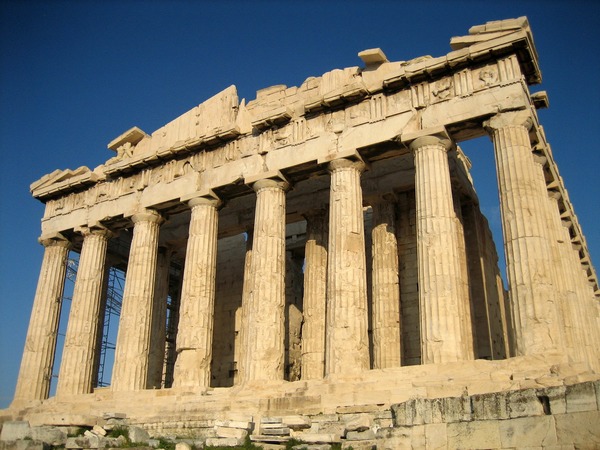
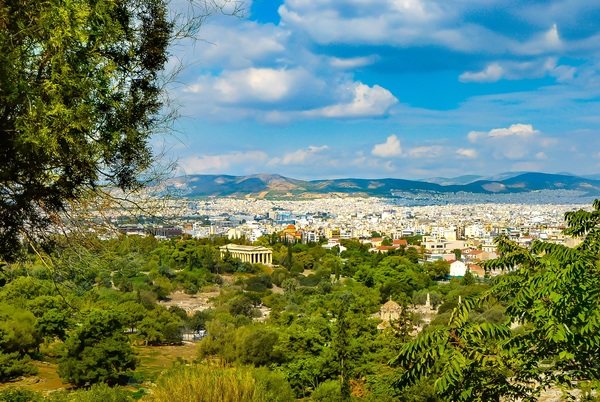
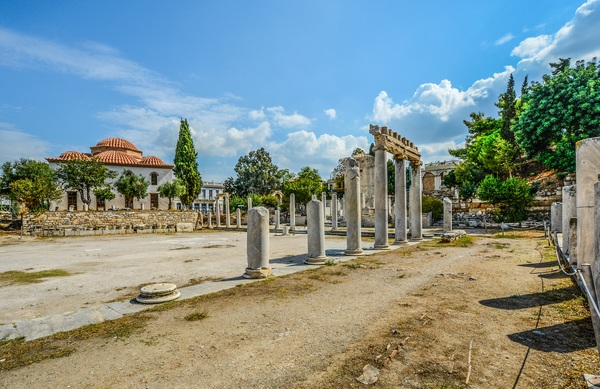
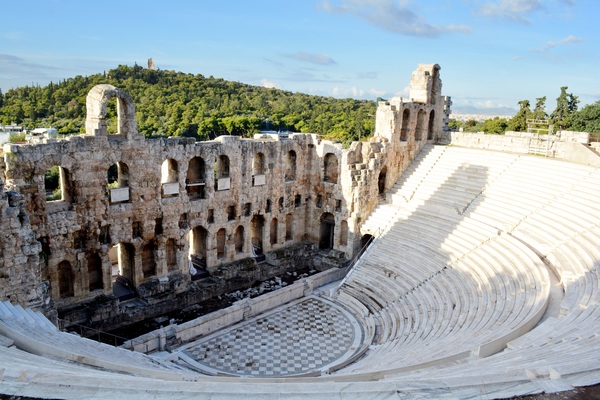
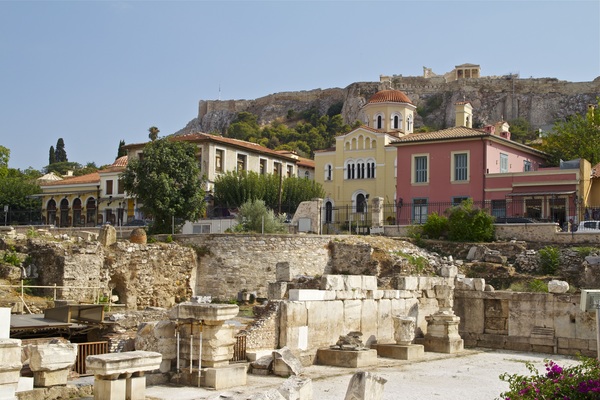
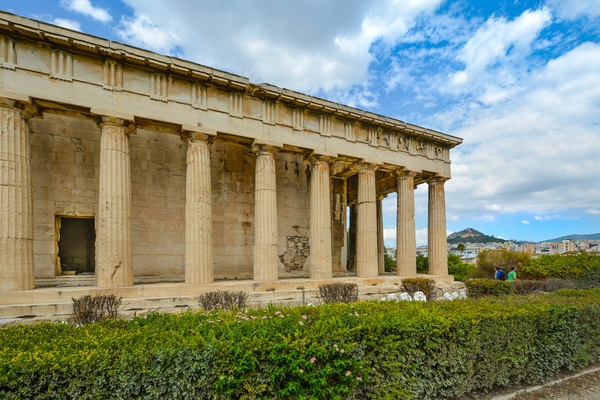
It's no wonder that all roads lead to the fascinating and maddening metropolis of Athens. Lift your eyes 200 feet above the city to the Parthenon, its honey-color marble columns rising from a massive limestone base, and you behold architectural perfection that has not been surpassed in 2,500 years. But, today, this shrine of classical form dominates a 21st-century boomtown. To experience Athens—Athína in Greek—fully is to understand the essence of Greece: ancient monuments surviving in a sea of cement, startling beauty amid the squalor, tradition juxtaposed with modernity. Locals depend on hum... See more
-
Day 2 Milos, Greece 21 Jun 2026 (Sunday)
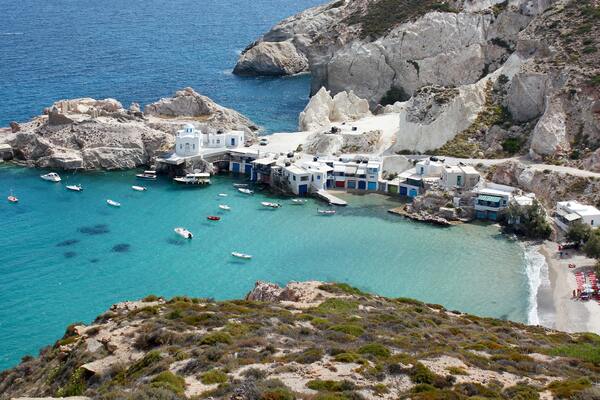
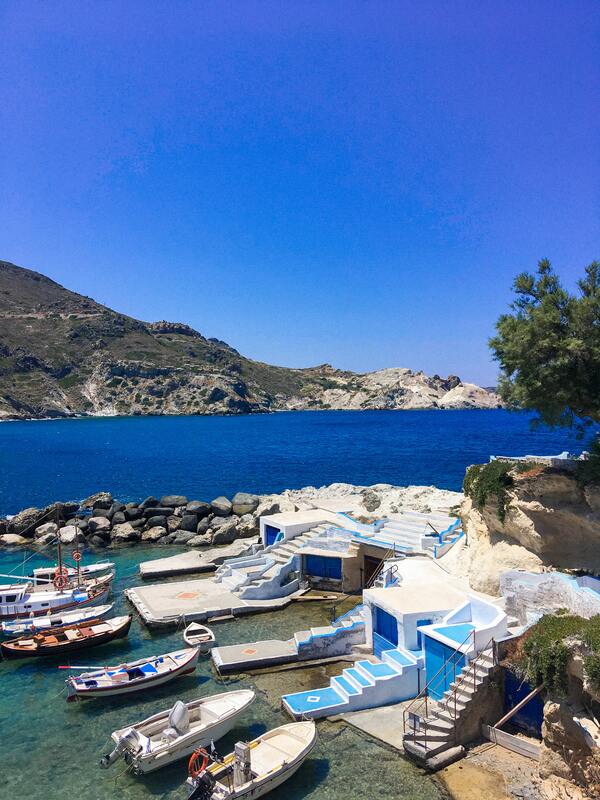
Milos or Melos is a volcanic Greek island in the Aegean Sea, just north of the Sea of Crete. Milos is the southwesternmost island in the Cyclades group. The Venus de Milo and the Asclepius of Milos were both found on the island, as were a Poseidon and an archaic Apollo now in Athens.Milos or Melos is a volcanic Greek island in the Aegean Sea, just north of the Sea of Crete. Milos is the southwesternmost island in the Cyclades group. The Venus de Milo and the Asclepius of Milos were both found on the island, as were a Poseidon and an archaic Apollo now in Athens.
See less -
Day 3 Santorini, Greece 22 Jun 2026 (Monday)
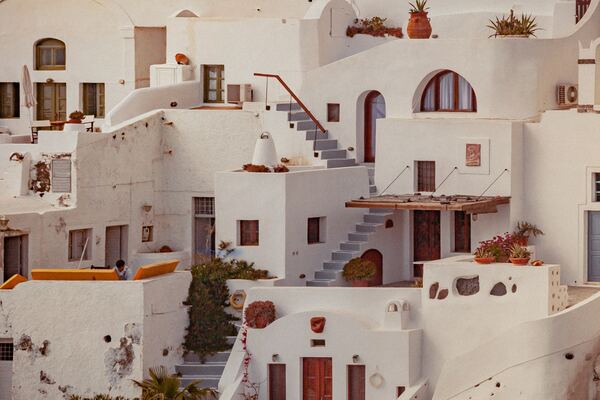
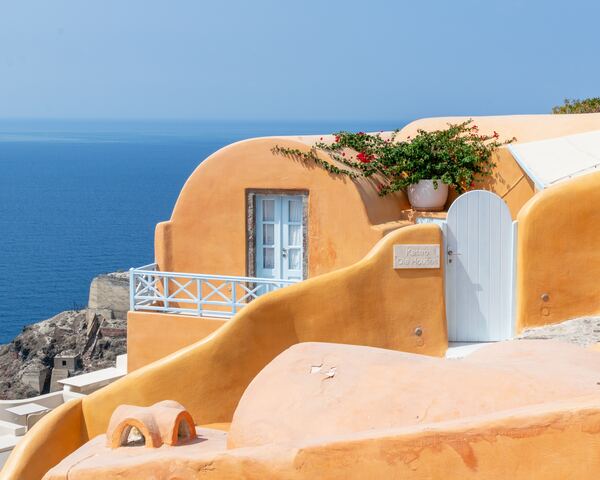
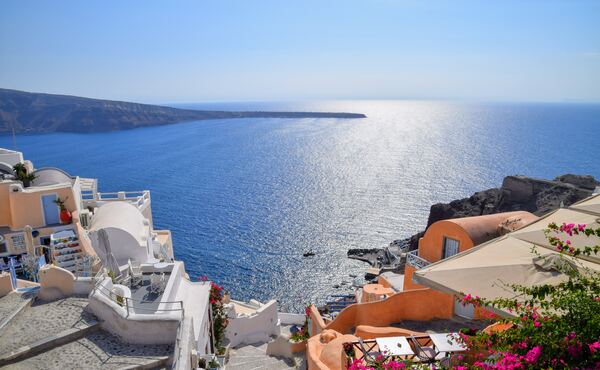
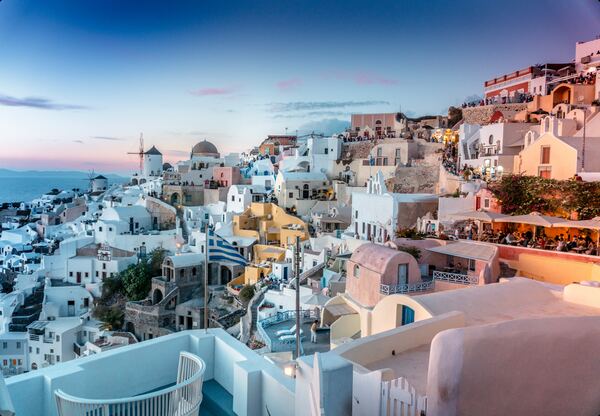
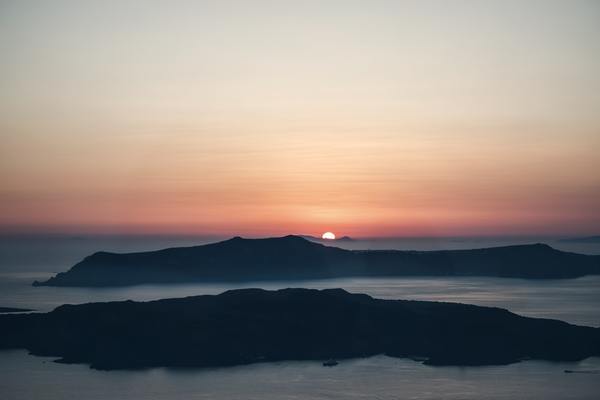
Undoubtedly the most extraordinary island in the Aegean, crescent-shape Santorini remains a mandatory stop on the Cycladic tourist route—even if it's necessary to enjoy the sensational sunsets from Ia, the fascinating excavations, and the dazzling white towns with a million other travelers. Called Kállisti (the "Loveliest") when first settled, the island has now reverted to its subsequent name of Thira, after the 9th-century-BC Dorian colonizer Thiras. The place is better known, however, these days as Santorini, a name derived from its patroness, St. Irene of Thessaloniki, the Byzantine empres... See moreUndoubtedly the most extraordinary island in the Aegean, crescent-shape Santorini remains a mandatory stop on the Cycladic tourist route—even if it's necessary to enjoy the sensational sunsets from Ia, the fascinating excavations, and the dazzling white towns with a million other travelers. Called Kállisti (the "Loveliest") when first settled, the island has now reverted to its subsequent name of Thira, after the 9th-century-BC Dorian colonizer Thiras. The place is better known, however, these days as Santorini, a name derived from its patroness, St. Irene of Thessaloniki, the Byzantine empress who restored icons to Orthodoxy and died in 802. You can fly conveniently to Santorini, but to enjoy a true Santorini rite of passage, opt instead for the boat trip here, which provides a spectacular introduction. After the boat sails between Sikinos and Ios, your deck-side perch approaches two close islands with a passage between them. The bigger one on the left is Santorini, and the smaller on the right is Thirassia. Passing between them, you see the village of Ia adorning Santorini's northernmost cliff like a white geometric beehive. You are in the caldera (volcanic crater), one of the world's truly breathtaking sights: a demilune of cliffs rising 1,100 feet, with the white clusters of the towns of Fira and Ia perched along the top. The bay, once the high center of the island, is 1,300 feet in some places, so deep that when boats dock in Santorini's shabby little port of Athinios, they do not drop anchor. The encircling cliffs are the ancient rim of a still-active volcano, and you are sailing east across its flooded caldera. On your right are the Burnt isles, the White isle, and other volcanic remnants, all lined up as if some outsize display in a geology museum. Hephaestus's subterranean fires smolder still—the volcano erupted in 198 BC, about 735, and there was an earthquake in 1956. Indeed, Santorini and its four neighboring islets are the fragmentary remains of a larger landmass that exploded about 1600 BC: the volcano's core blew sky high, and the sea rushed into the abyss to create the great bay, which measures 10 km by 7 km (6 mi by 4½ mi) and is 1,292 feet deep. The other pieces of the rim, which broke off in later eruptions, are Thirassia, where a few hundred people live, and deserted little Aspronissi ("White isle"). In the center of the bay, black and uninhabited, two cones, the Burnt Isles of Palea Kameni and Nea Kameni, appeared between 1573 and 1925. There has been too much speculation about the identification of Santorini with the mythical Atlantis, mentioned in Egyptian papyri and by Plato (who says it's in the Atlantic), but myths are hard to pin down. This is not true of old arguments about whether tidal waves from Santorini's cataclysmic explosion destroyed Minoan civilization on Crete, 113 km (70 mi) away. The latest carbon-dating evidence, which points to a few years before 1600 BC for the eruption, clearly indicates that the Minoans outlasted the eruption by a couple of hundred years, but most probably in a weakened state. In fact, the island still endures hardships: since antiquity, Santorini has depended on rain collected in cisterns for drinking and irrigating—the well water is often brackish—and the serious shortage is alleviated by the importation of water. However, the volcanic soil also yields riches: small, intense tomatoes with tough skins used for tomato paste (good restaurants here serve them); the famous Santorini fava beans, which have a light, fresh taste; barley; wheat; and white-skin eggplants.
See less - Day 4 Delos, Greece 23 Jun 2026 (Tuesday)

-
Day 4 Mykonos, Greece 23 Jun 2026 (Tuesday)
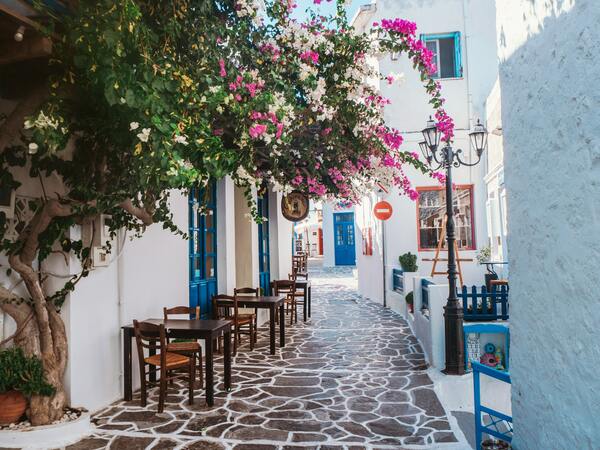
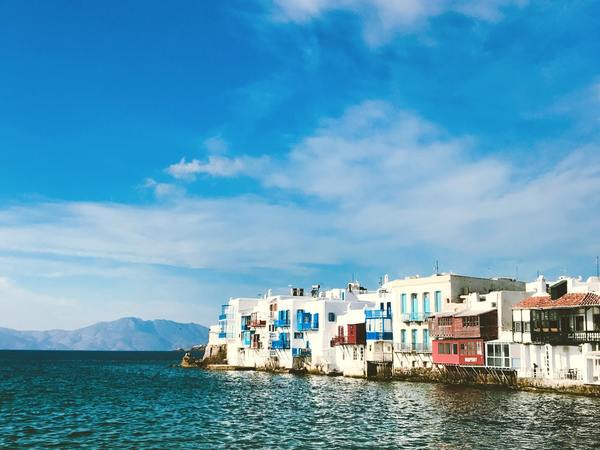
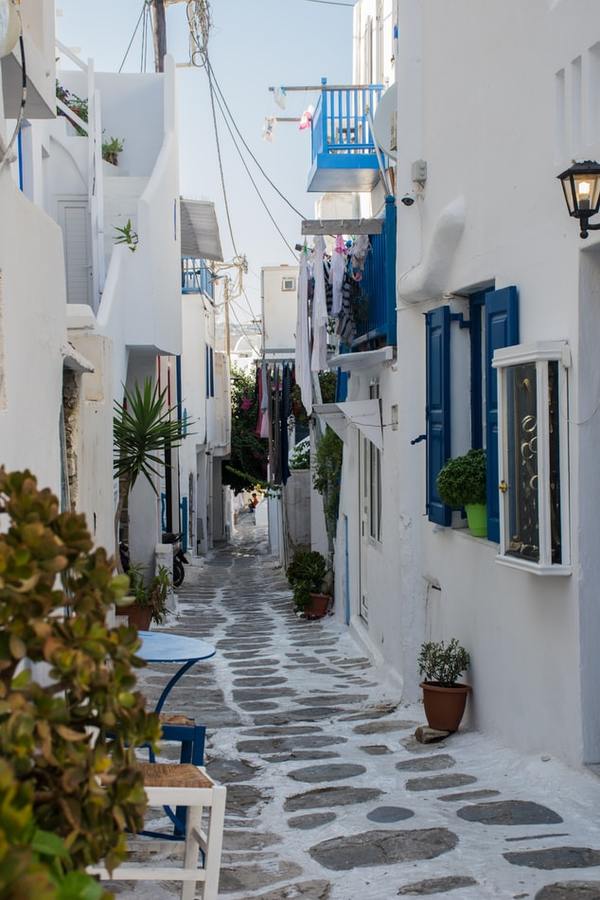
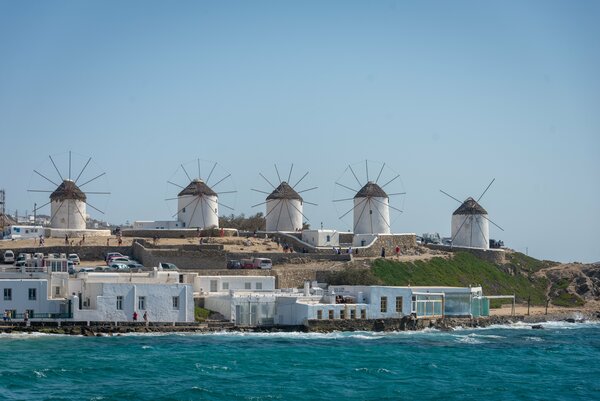
Although the fishing boats still go out in good weather, Mykonos largely makes its living from tourism these days. The summer crowds have turned one of the poorest islands in Greece into one of the richest. Old Mykonians complain that their young, who have inherited stores where their grandfathers once sold eggs or wine, get so much rent that they have lost ambition, and in summer sit around pool bars at night with their friends, and hang out in Athens in winter when island life is less scintillating. Put firmly on the map by Jackie O in the 1960s, Mykonos town—called Hora by the locals—remain... See moreAlthough the fishing boats still go out in good weather, Mykonos largely makes its living from tourism these days. The summer crowds have turned one of the poorest islands in Greece into one of the richest. Old Mykonians complain that their young, who have inherited stores where their grandfathers once sold eggs or wine, get so much rent that they have lost ambition, and in summer sit around pool bars at night with their friends, and hang out in Athens in winter when island life is less scintillating. Put firmly on the map by Jackie O in the 1960s, Mykonos town—called Hora by the locals—remains the Saint-Tropez of the Greek islands. The scenery is memorable, with its whitewashed streets, Little Venice, the Kato Myli ridge of windmills, and Kastro, the town's medieval quarter. Its cubical two- or three-story houses and churches, with their red or blue doors and domes and wooden balconies, have been long celebrated as some of the best examples of classic Cycladic architecture. Luckily, the Greek Archaeological Service decided to preserve the town, even when the Mykonians would have preferred to rebuild, and so the Old Town has been impressively preserved. Pink oleander, scarlet hibiscus, and trailing green pepper trees form a contrast amid the dazzling whiteness, whose frequent renewal with whitewash is required by law. Any visitor who has the pleasure of getting lost in its narrow streets (made all the narrower by the many outdoor stone staircases, which maximize housing space in the crowded village) will appreciate how its confusing layout was designed to foil pirates—if it was designed at all. After Mykonos fell under Turkish rule in 1537, the Ottomans allowed the islanders to arm their vessels against pirates, which had a contradictory effect: many of them found that raiding other islands was more profitable than tilling arid land. At the height of Aegean piracy, Mykonos was the principal headquarters of the corsair fleets—the place where pirates met their fellows, found willing women, and filled out their crews. Eventually the illicit activity evolved into a legitimate and thriving trade network. Morning on Mykonos town's main quay is busy with deliveries, visitors for the Delos boats, lazy breakfasters, and street cleaners dealing with the previous night's mess. In late morning the cruise-boat people arrive, and the shops are all open. In early afternoon, shaded outdoor tavernas are full of diners eating salads (Mykonos's produce is mostly imported); music is absent or kept low. In mid- and late afternoon, the town feels sleepy, since so many people are at the beach, on excursions, or sleeping in their air-conditioned rooms; even some tourist shops close for siesta. By sunset, people have come back from the beach, having taken their showers and rested. At night, the atmosphere in Mykonos ramps up. The cruise-boat people are mostly gone, coughing three-wheelers make no deliveries in the narrow streets, and everyone is dressed sexy for summer and starting to shimmy with the scene. Many shops stay open past midnight, the restaurants fill up, and the bars and discos make ice cubes as fast as they can. Ready to dive in? Begin your tour of Mykonos town (Hora) by starting out at its heart: Mando Mavrogenous Square.
See less -
Day 5 Pátmos, Greece 24 Jun 2026 (Wednesday)
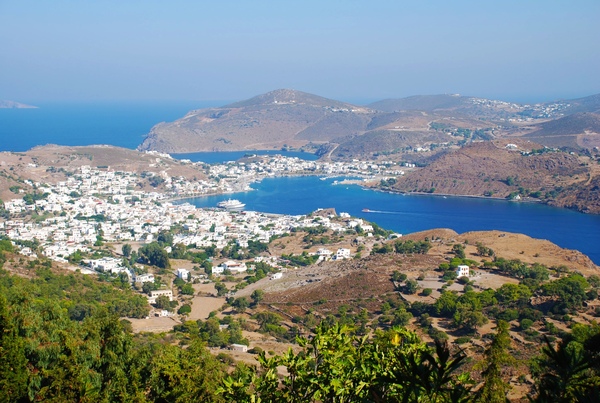
For better or worse, it can be difficult to reach Patmos—for many travelers, this lack of access is definitely for the better, since the island retains the air of an unspoiled retreat. Rocky and barren, the small, 34-square-km (21-square-mi) island lies beyond the islands of Kalymnos and Leros, northwest of Kos. Here on a hillside is the Monastery of the Apocalypse, which enshrines the cave where St. John received the Revelation in AD 95. Scattered evidence of Mycenaean presence remains on Patmos, and walls of the classical period indicate the existence of a town near Skala. Most of the island... See moreFor better or worse, it can be difficult to reach Patmos—for many travelers, this lack of access is definitely for the better, since the island retains the air of an unspoiled retreat. Rocky and barren, the small, 34-square-km (21-square-mi) island lies beyond the islands of Kalymnos and Leros, northwest of Kos. Here on a hillside is the Monastery of the Apocalypse, which enshrines the cave where St. John received the Revelation in AD 95. Scattered evidence of Mycenaean presence remains on Patmos, and walls of the classical period indicate the existence of a town near Skala. Most of the island's approximately 2,800 people live in three villages: Skala, medieval Chora, and the small rural settlement of Kambos. The island is popular among the faithful making pilgrimages to the monastery as well as with vacationing Athenians and a newly growing community of international trendsetters—designers, artists, poets, and “taste gurus” (to quote Vogue’s July 2011 write-up of the island)—who have bought homes in Chora. These stylemeisters followed in the footsteps of Alexandrian John Stefanidis and the English artist Teddy Millington-Drake who, in the early ’60s, set about creating what eventually became hailed as one of the most gorgeous island homes in the world. The word soon spread thanks to their many guests (who included Jacqueline Kennedy Onassis) but, happily, administrators have carefully contained development, and as a result, Patmos retains its charm and natural beauty—even in the busy month of August.
See less -
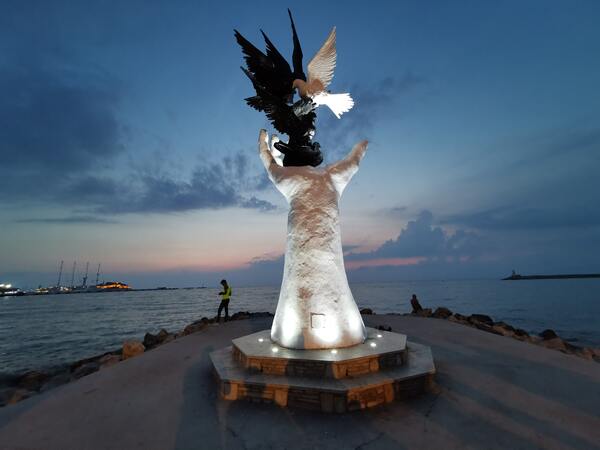
Day 6 Kusadasi, Turkey 25 Jun 2026 (Thursday)
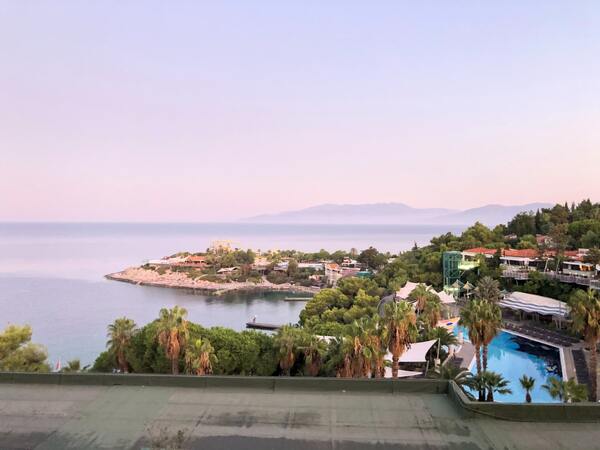
Whilst the busy resort town of Kusadasi offers much in the way of shopping and dining – not to mention a flourishing beach life scene, the real jewel here is Ephesus and the stunning ruined city that really take centre stage. With only 20% of the classical ruins having been excavated, this archaeological wonder has already gained the status as Europe’s most complete classical metropolis. And a metropolis it really is; built in the 10th century BC this UNESCO World Heritage site is nothing short of spectacular. Although regrettably very little remains of the Temple of Artemis (one of the seven... See moreWhilst the busy resort town of Kusadasi offers much in the way of shopping and dining – not to mention a flourishing beach life scene, the real jewel here is Ephesus and the stunning ruined city that really take centre stage. With only 20% of the classical ruins having been excavated, this archaeological wonder has already gained the status as Europe’s most complete classical metropolis. And a metropolis it really is; built in the 10th century BC this UNESCO World Heritage site is nothing short of spectacular. Although regrettably very little remains of the Temple of Artemis (one of the seven wonders of the ancient world), the superb Library of Celsus’ façade is practically intact and it is one of life’s great joys to attend an evening performance in the illuminated ruins once all the tourists have left. The history of the city is fascinating and multi-layered and it is well worth reading up on this beforehand if a visit is planned. Another point of interest for historians would be the house of the Virgin Mary, located on the romantically named Mount Nightingale and just nine kilometres away from Ephesus proper. Legend has it that Mary (along with St. John) spent her final years here, secluded from the rest of the population, spreading Christianity. An edifying experience, even for non-believers. For the less historical minded amongst you, Kusadasi offers plenty in the way of activities. After a stroll through the town, jump in a taxi to Ladies’ Beach (men are allowed), sample a Turkish kebap on one of the many beachfront restaurants and enjoy the clement weather. If you do want to venture further afield, then the crystal clear beaches of Guzelcamli (or the Millipark), the cave of Zeus and the white scalloped natural pools at Pamukkale, known as Cleopatra’s pools, are definitely worth a visit.
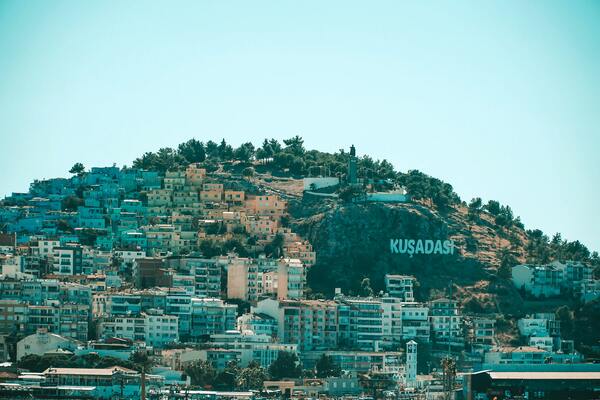
See less - Day 7 Dardanelles, Turkey 26 Jun 2026 (Friday)
-
Day 8 Istanbul, Turkey 27 Jun 2026 (Saturday)
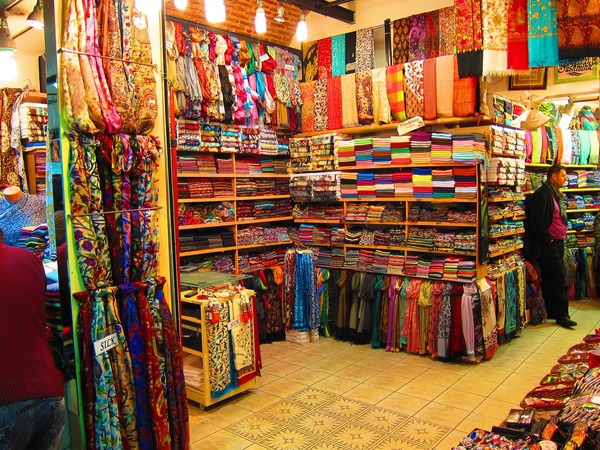
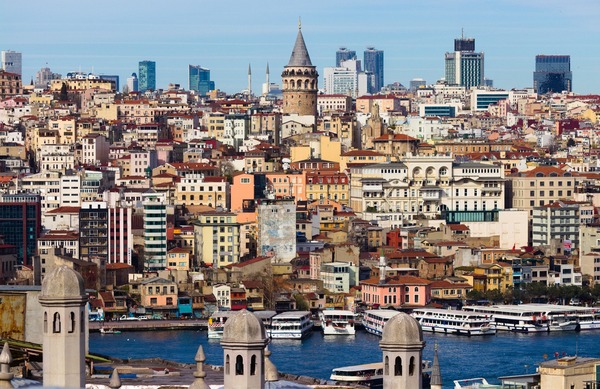
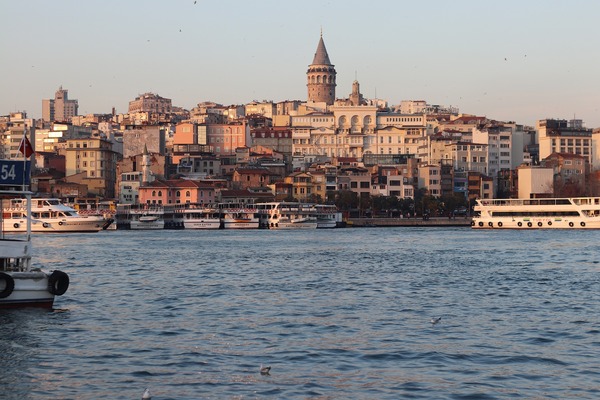
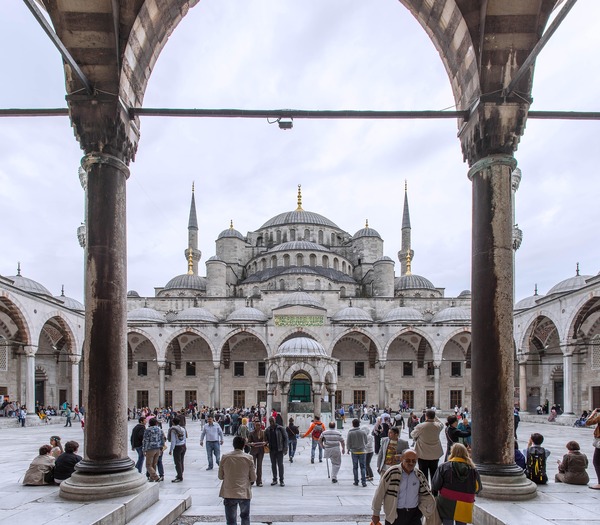
The only city in the world that can lay claim to straddling two continents, Istanbul—once known as Constantinople, capital of the Byzantine and then the Ottoman Empire—has for centuries been a bustling metropolis with one foot in Europe and the other in Asia. Istanbul embraces this enviable position with both a certain chaos and inventiveness, ever evolving as one of the world’s most cosmopolitan crossroads. It’s often said that Istanbul is the meeting point of East and West, but visitors to this city built over the former capital of two great empires are likely to be just as impressed by the... See moreThe only city in the world that can lay claim to straddling two continents, Istanbul—once known as Constantinople, capital of the Byzantine and then the Ottoman Empire—has for centuries been a bustling metropolis with one foot in Europe and the other in Asia. Istanbul embraces this enviable position with both a certain chaos and inventiveness, ever evolving as one of the world’s most cosmopolitan crossroads. It’s often said that Istanbul is the meeting point of East and West, but visitors to this city built over the former capital of two great empires are likely to be just as impressed by the juxtaposition of old and new. Office towers creep up behind historic palaces, women in chic designer outfits pass others wearing long skirts and head coverings, peddlers’ pushcarts vie with battered old Fiats and shiny BMWs for dominance of the noisy, narrow streets, and the Grand Bazaar competes with modern shopping malls. At dawn, when the muezzin's call to prayer resounds from ancient minarets, there are inevitably a few hearty revelers still making their way home from nightclubs and bars. Most visitors to this sprawling city of more than 14 million will first set foot in the relatively compact Old City, where the legacy of the Byzantine and Ottoman empires can be seen in monumental works of architecture like the brilliant Aya Sofya and the beautifully proportioned mosques built by the great architect Sinan. Though it would be easy to spend days, if not weeks, exploring the wealth of attractions in the historical peninsula, visitors should make sure also to venture elsewhere in order to experience the vibrancy of contemporary Istanbul. With a lively nightlife propelled by its young population and an exciting arts scene that’s increasingly on the international radar—thanks in part to its stint as the European Capital of Culture in 2010—Istanbul is truly a city that never sleeps. It’s also a place where visitors will feel welcome: Istanbul may be on the Bosphorus, but at heart it’s a Mediterranean city, whose friendly inhabitants are effusively social and eager to share what they love most about it.
See less
What's Included:
Suites
-
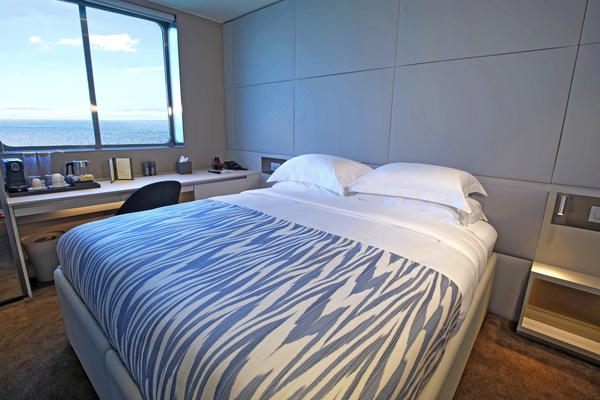
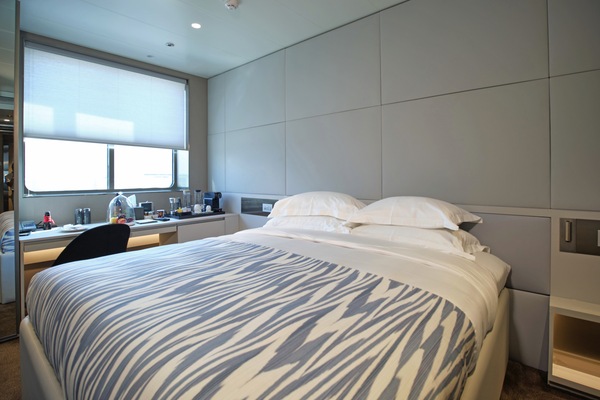
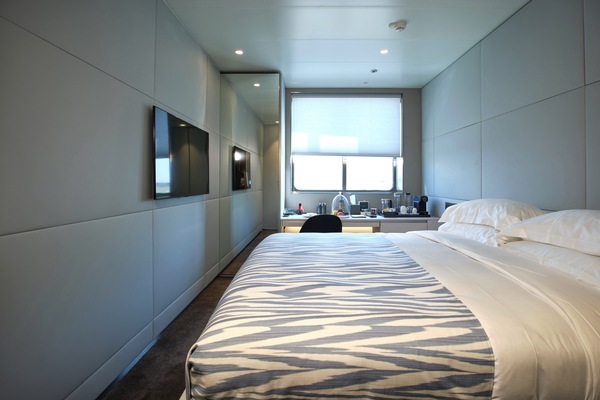
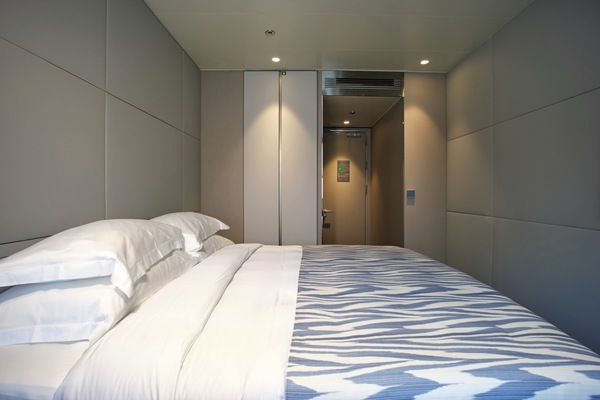
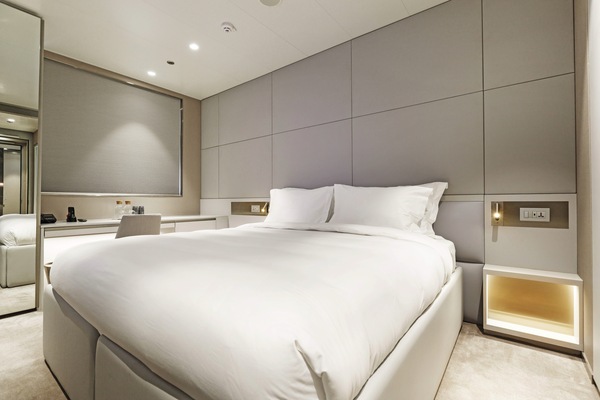
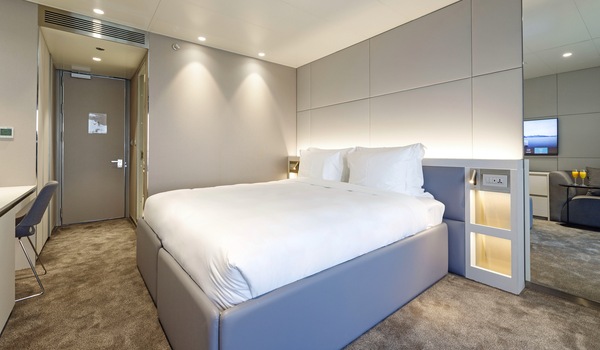
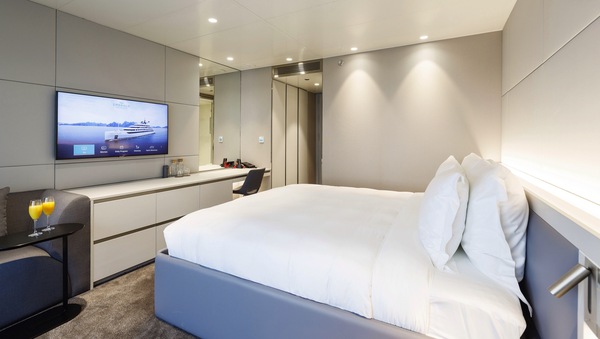
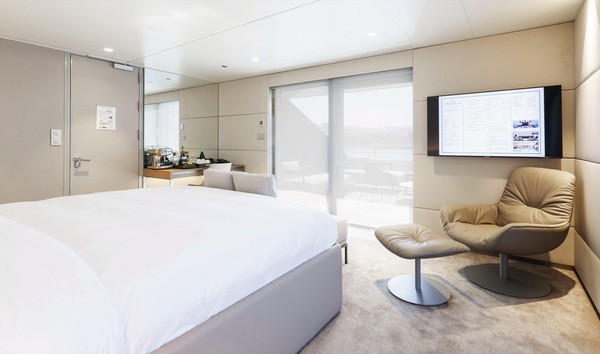
Oceanview Stateroom
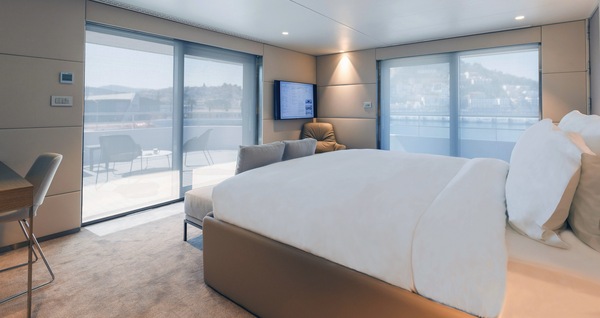
Situated on the Emerald Deck, towards the front of the yacht, our Oceanview Staterooms are bigger than the average standard, offering excellent value for money.
- An ocean-view window
- Queen-size or twin hotel-style beds with the finest Egyptian cotton linen
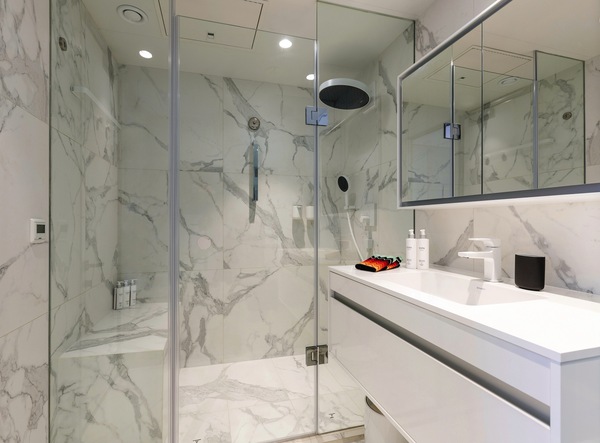
- Bathroom with shower, indulgent toiletries and hairdryer
- Complimentary bathrobes and slippers
- Complimentary water, restocked daily
- Flat screen HDTV and infotainment system
- Complimentary Wi-Fi
- Individual climate control
- Mini-bar
- Personal safe
- Umbrella
- Telephone
Oceanview Stateroom
Oceanview Stateroom
Oceanview Stateroom
Oceanview Stateroom
Oceanview Stateroom
-
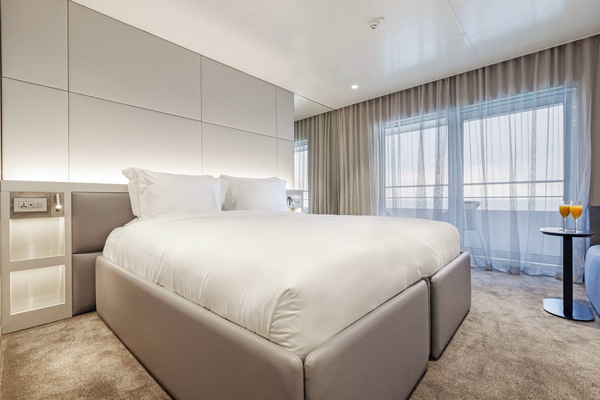
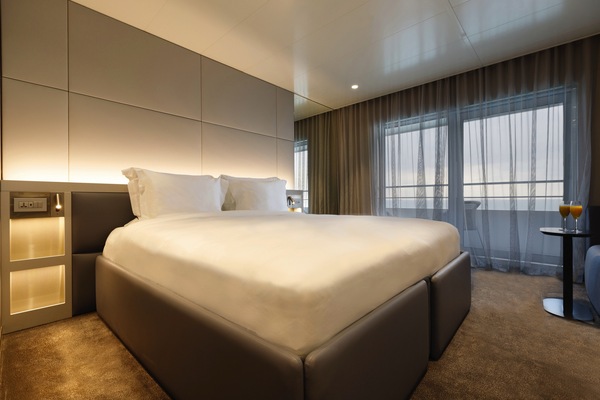
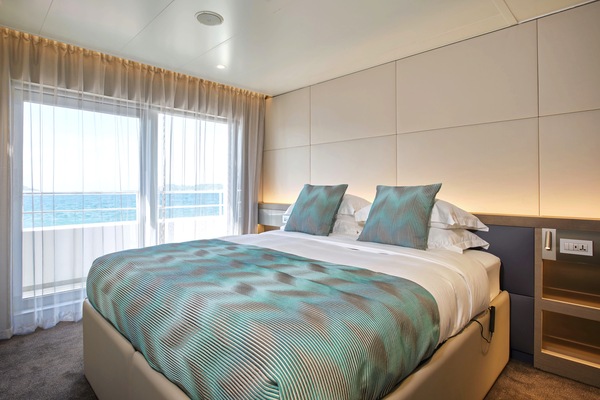
Balcony Suite
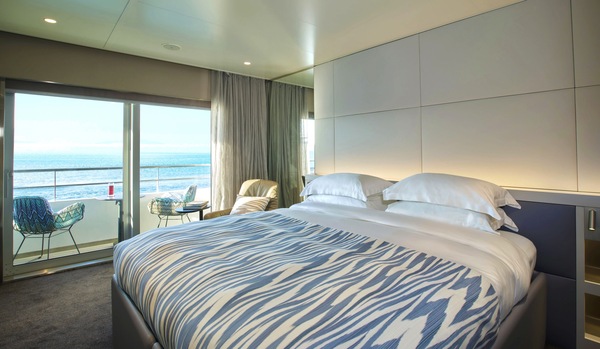
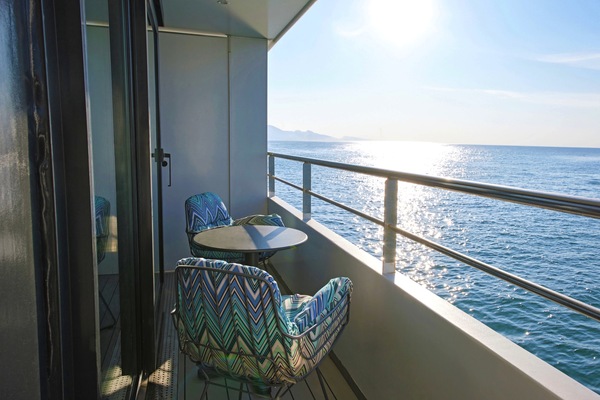
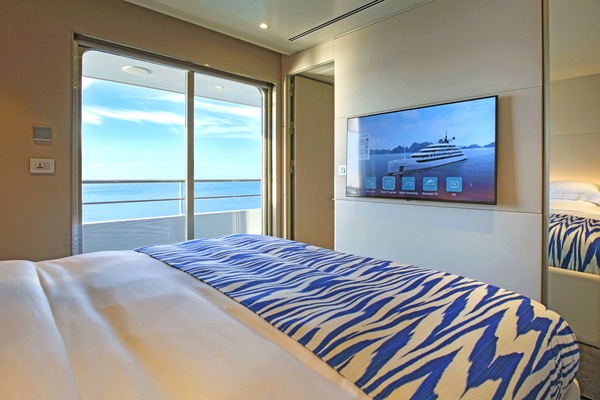
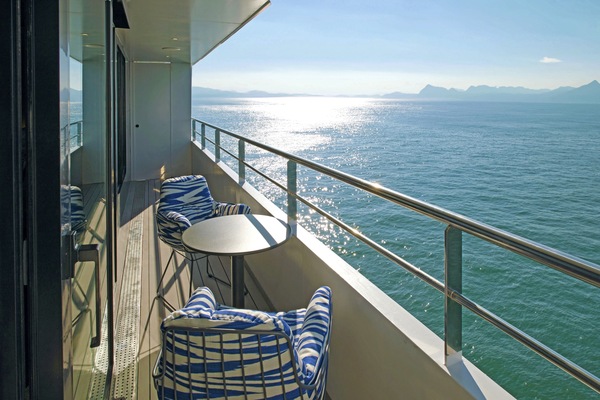
Divided between the Observation and Panorama decks, our Balcony Suites are your stylish home-away-from-home. With everything you need for a great night’s sleep, we’ve carefully designed them to help you relax after a day of exploration.
- Your own private outdoor balcony
- Queen-size or twin hotel-style beds with the finest Egyptian cotton linen
- Bathroom with shower, indulgent toiletries and hairdryer
- Complimentary bathrobes and slippers
- Complimentary water, restocked daily
- Flat screen HDTV and infotainment system
- Complimentary Wi-Fi
- Individual climate control
- Mini-bar
- Personal safe
- Umbrella
- Telephone
Balcony Suite
Balcony Suite
Balcony Suite
Balcony Suite
-
Deluxe Balcony Suite
Our Deluxe Balcony Suite are conveniently located on the Pool Deck and feature their own private balcony. With just two per yacht, you’ll benefit from having extra space for your assured comfort.
- Your own private outdoor balcony
- Walk-in wardrobe
- Queen-size or twin hotel-style beds with the finest Egyptian cotton linen
- Pillow menu
- Bathroom with shower, indulgent toiletries and hairdryer
- Complimentary bathrobes and slippers
- Fruit platter on arrival
- Complimentary water, restocked daily
- Flat screen HDTV and infotainment system
- Complimentary Wi-Fi
- Individual climate control
- Coffee and tea-making facilities
- Mini-bar
- Personal safe
- Umbrella
- Telephone
Deluxe Balcony Suite
-
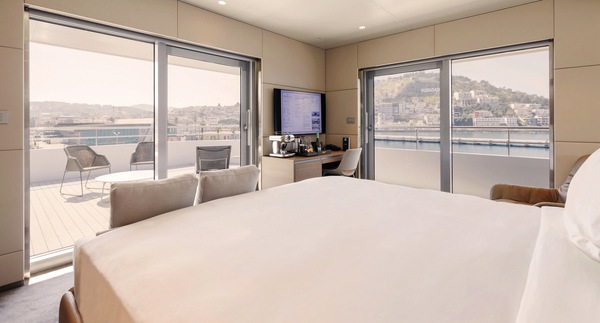
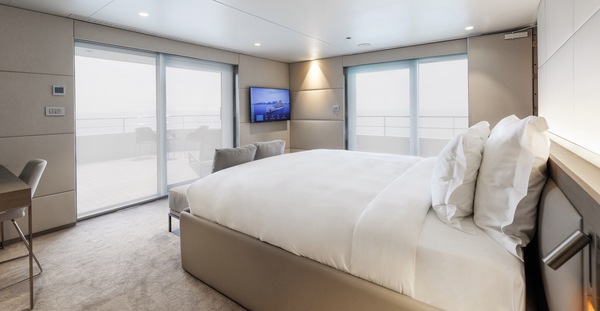
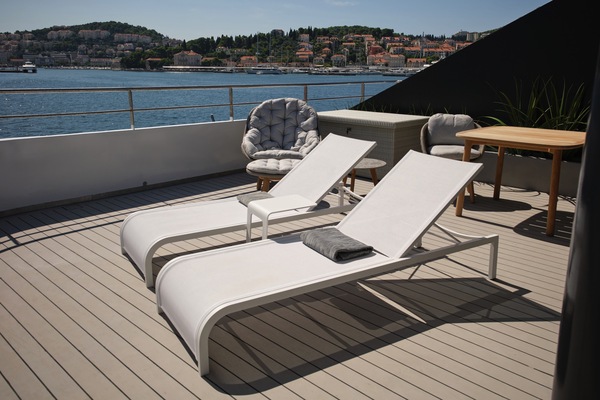
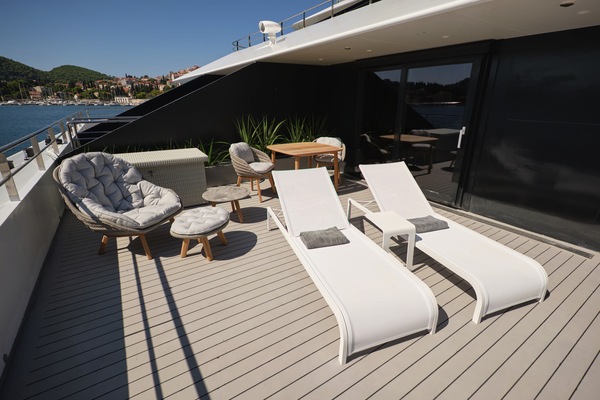
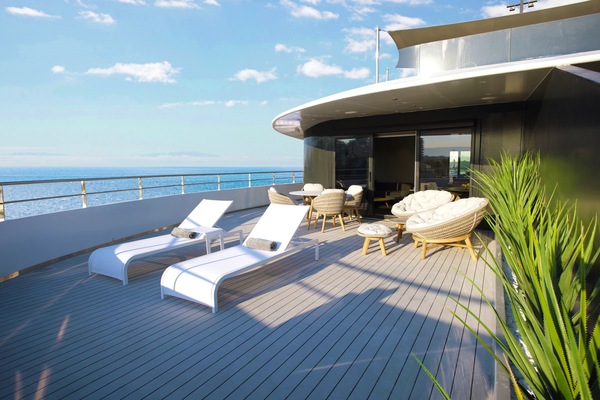
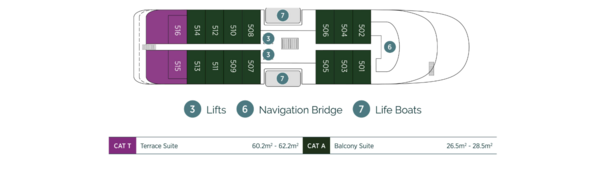
Terrace Suite
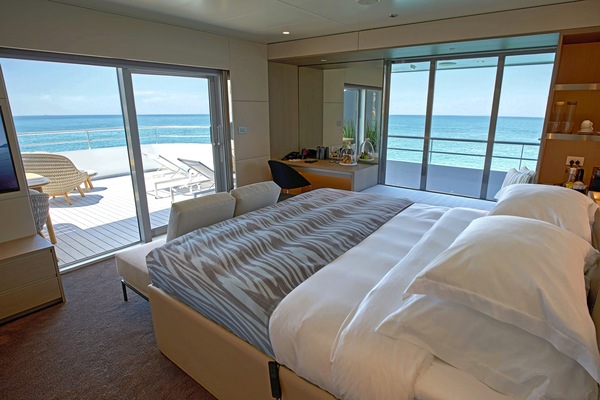
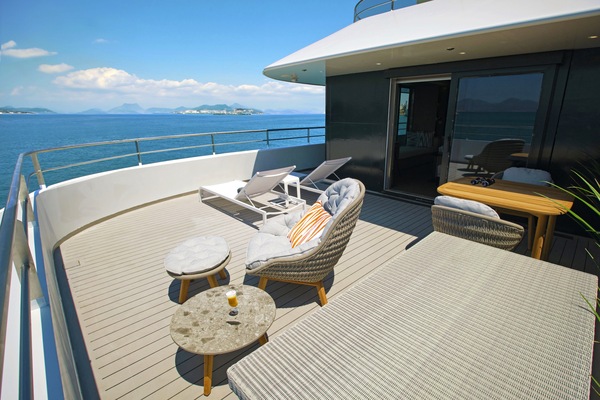
Our spacious Terrace Suites take pride of place at the back of the Panorama Deck and come complete with a large private terrace, pillow menu and the option to have two items laundered daily, perfect for preparing your wardrobe for a special occasion.
- Your own private terrace
- Queen-size or twin hotel-style beds with the finest Egyptian cotton linen
- Pillow menu
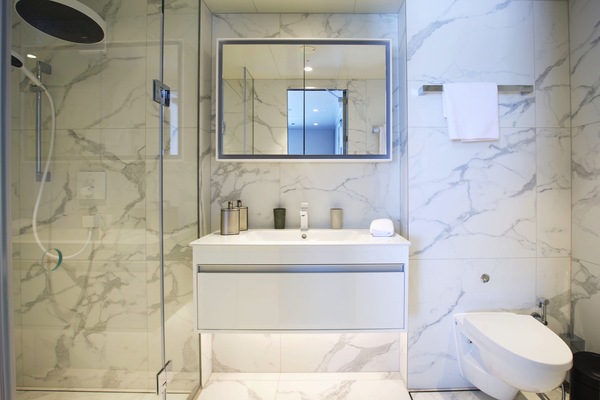
- Bathroom with shower, indulgent toiletries and hairdryer
- Complimentary bathrobes and slippers
- Welcome bottle of champagne
- Fruit platter on arrival
- Full mini-bar, restocked daily
- Complimentary water, restocked daily
- Flat screen HDTV and infotainment system
- Complimentary Wi-Fi
- Individual climate control
- Coffee and tea-making facilities
- Two laundered items daily
- Personal safe
- Umbrella
- Telephone
Terrace Suite
Terrace Suite
-
Yacht Suite
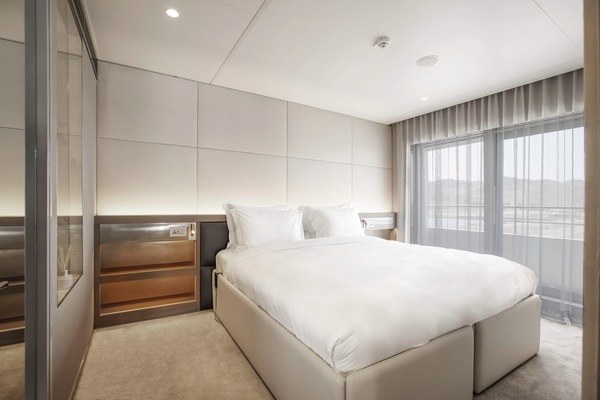
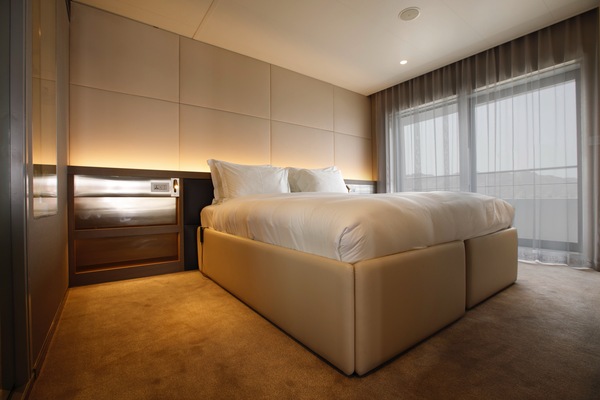
Positioned at the back of the Observation Deck, you’ll be treated to sensational ocean and coastal views from your own private terrace. You’ll also receive a number of luxury inclusions to help you make the most of your time in your Yacht Suite.
- Your own private terrace
- Walk-in wardrobe
- Queen-size or twin hotel-style beds with the finest Egyptian cotton linen
- Pillow menu
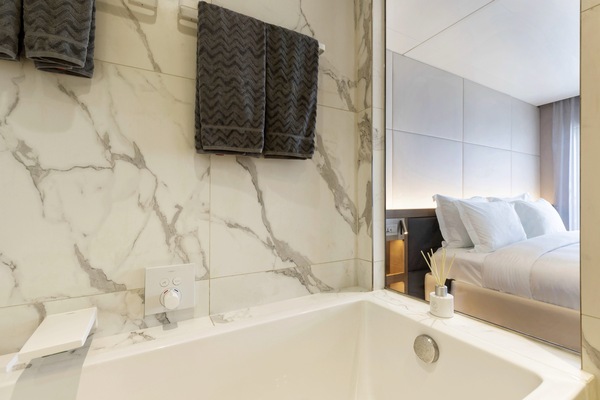
- Bathroom with shower, indulgent toiletries and hairdryer
- Complimentary bathrobes and slippers
- Welcome bottle of champagne
- Fruit platter on arrival
- Full mini-bar, restocked daily
- Complimentary water, restocked daily
- Flat screen HDTV and infotainment system
- Complimentary Wi-Fi
- Individual climate control
- Coffee and tea-making facilities
- Two laundered items daily
- Personal safe
- Umbrella
- Telephone
Yacht Suite
Yacht Suite
Yacht Suite
Yacht Suite
Yacht Suite
Yacht Suite
Yacht Suite
Yacht Suite
Yacht Suite
-
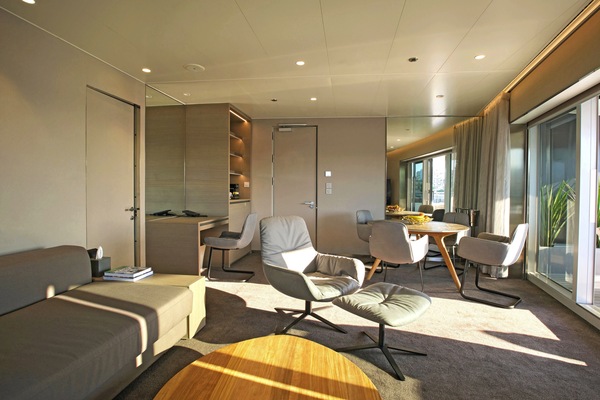
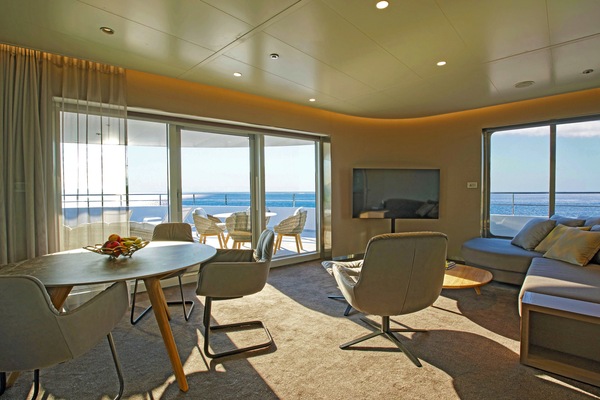
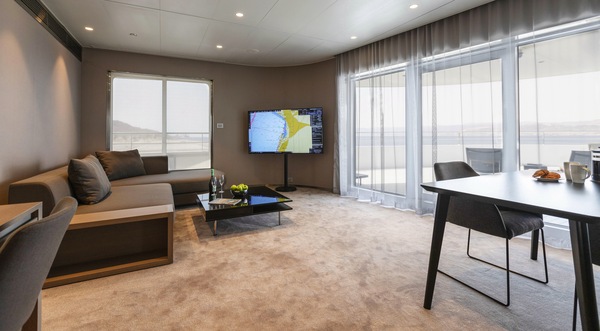
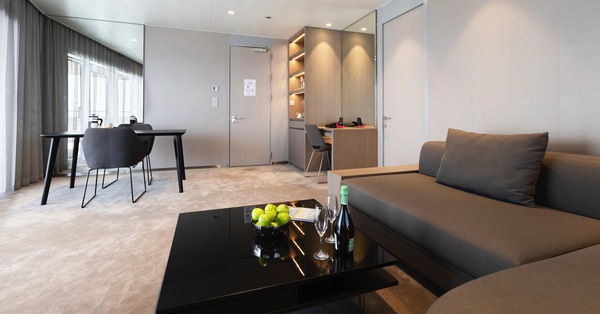
Owner's Suite
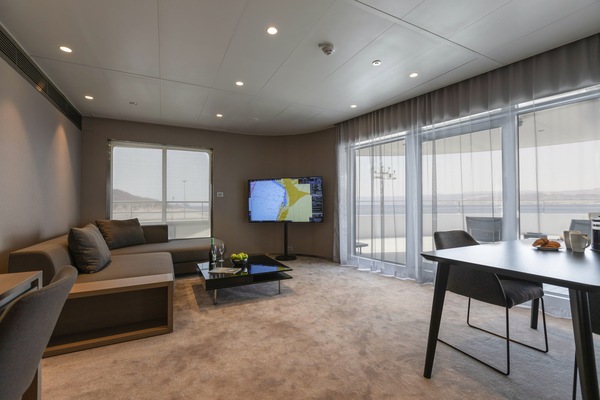
Our oversized Owner’s Suites are the largest and most opulent, located on the Pool Deck. Boasting a separate bedroom and lounge area, you’ll also enjoy your large private terrace, from which to admire the stunning views of each port you visit.
- Your own private terrace
- Separate bedroom and lounge area
- Walk-in wardrobe
- Queen-size or twin hotel-style beds with the finest Egyptian cotton linen
- Pillow menu
- Bathroom with shower, indulgent toiletries and hairdryer
- Complimentary bathrobes and slippers
- Welcome bottle of champagne
- Fruit platter on arrival
- Pre-dinner canapés
- After-dinner sweets
- Full mini-bar, restocked daily
- Complimentary water, restocked daily
- Flat screen HDTV and infotainment system
- Complimentary Wi-Fi
- Individual climate control
- Coffee and tea-making facilities
- Four laundered items daily
- Personal safe
- Umbrella
- Telephone
Owner's Suite
Owner's Suite
Owner's Suite
Owner's Suite
Owner's Suite
Owner's Suite
Owner's Suite
Owner's Suite
Owner's Suite
Owner's Suite
Owner's Suite
Owner's Suite
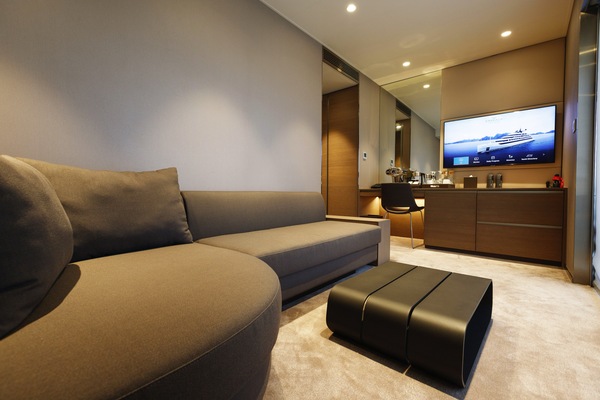
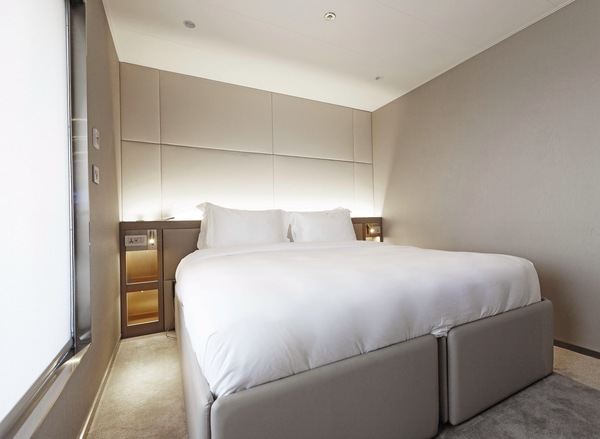
Emerald Azzurra – Oceanview Stateroom
Oceanview Stateroom
Oceanview Stateroom
Oceanview Stateroom
Oceanview Stateroom
Oceanview Stateroom
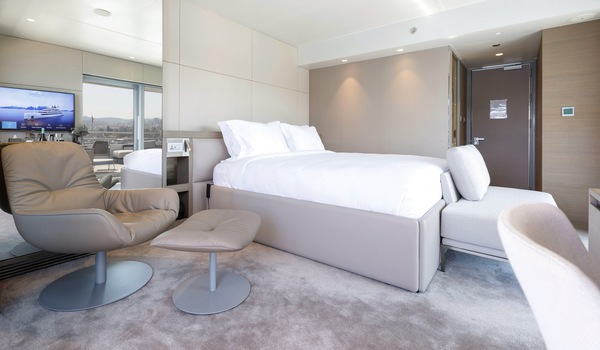
Emerald Azzurra – Deluxe Balcony Suite
Deluxe Balcony Suite
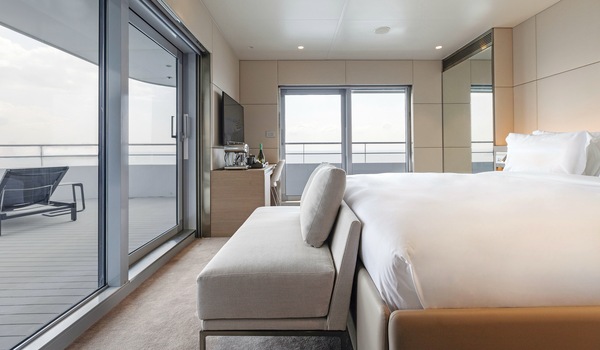
Emerald Azzurra – Yacht Suite
Yacht Suite
Yacht Suite
Yacht Suite
Yacht Suite
Yacht Suite
Yacht Suite
Yacht Suite
Yacht Suite
Yacht Suite
Emerald Azzurra – Owner's Suite
Owner's Suite
Owner's Suite
Owner's Suite
Owner's Suite
Owner's Suite
Owner's Suite
Owner's Suite
Owner's Suite
Owner's Suite
Owner's Suite
Owner's Suite
Owner's Suite
Restaurants
-
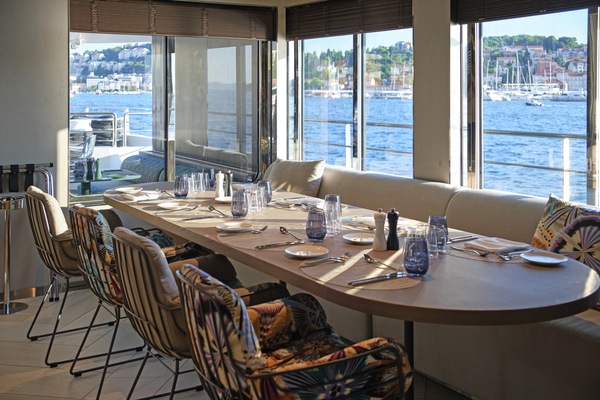
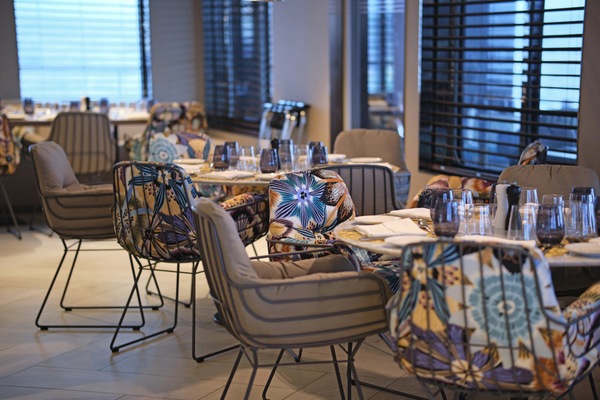
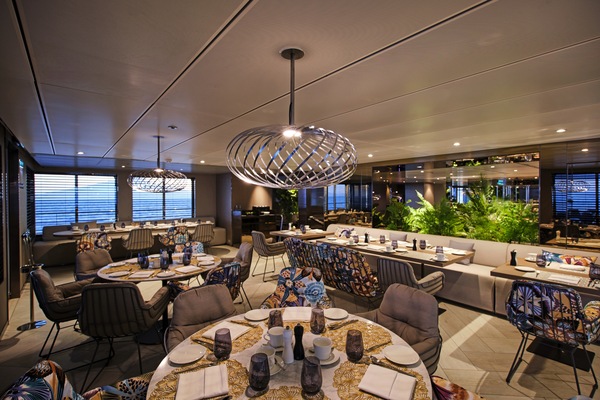
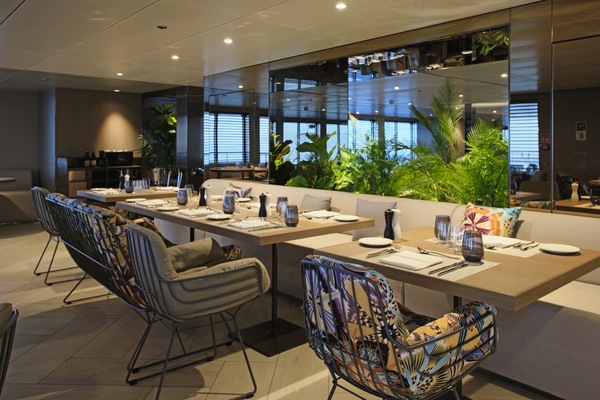
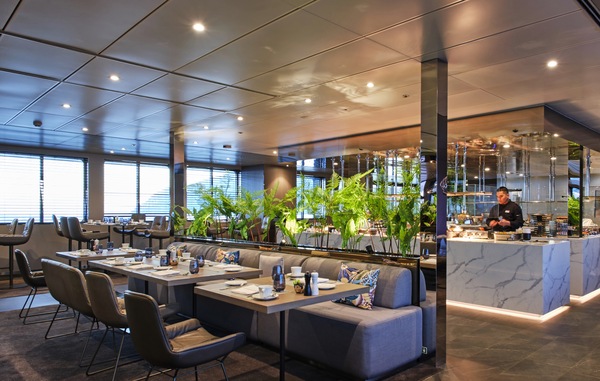
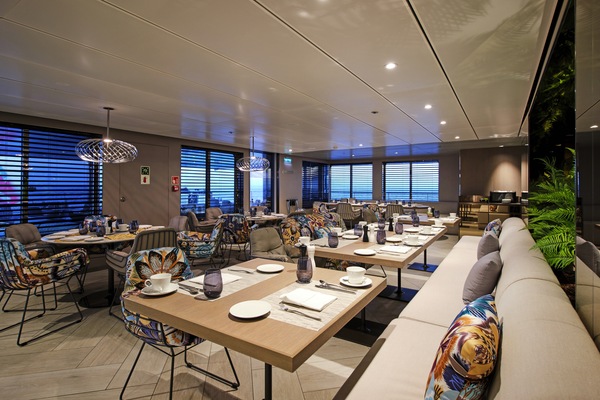
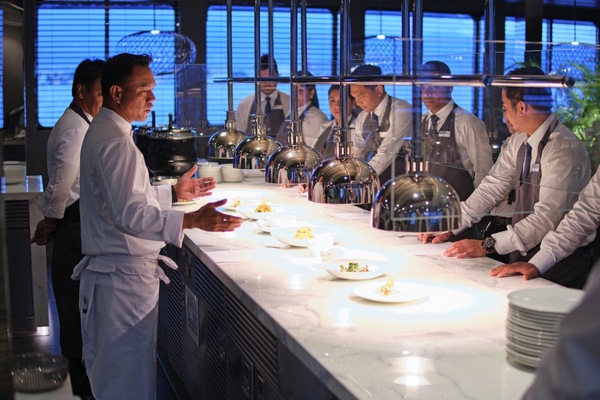
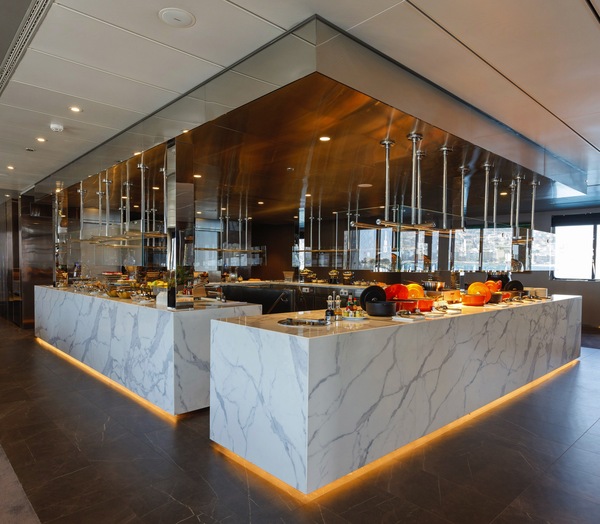
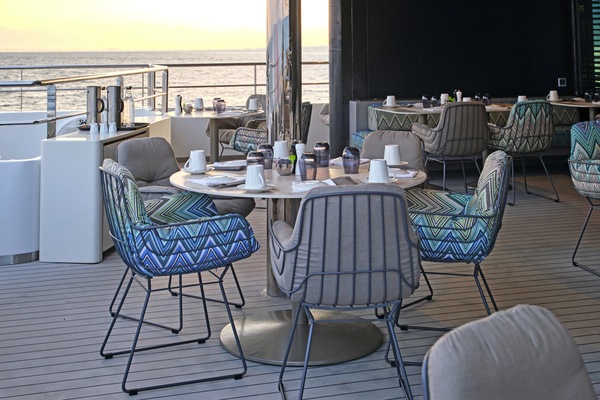
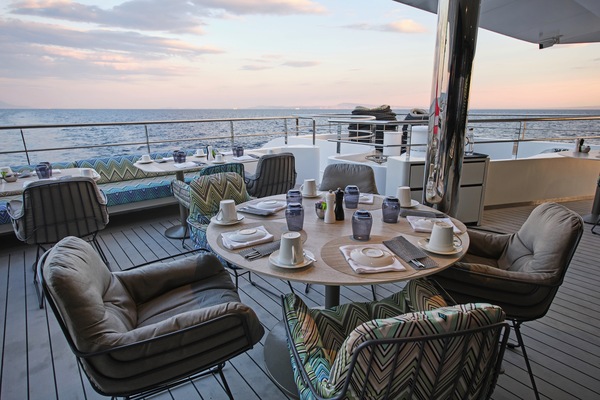
La Cucina
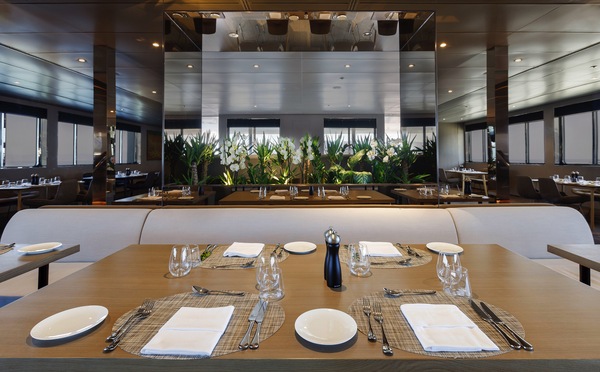
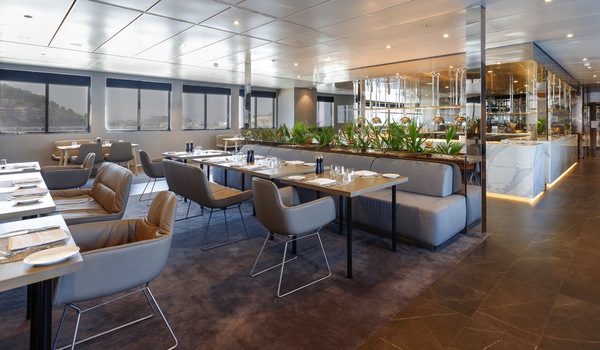
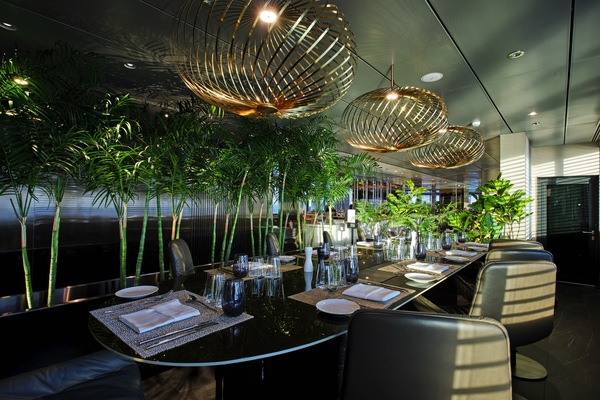
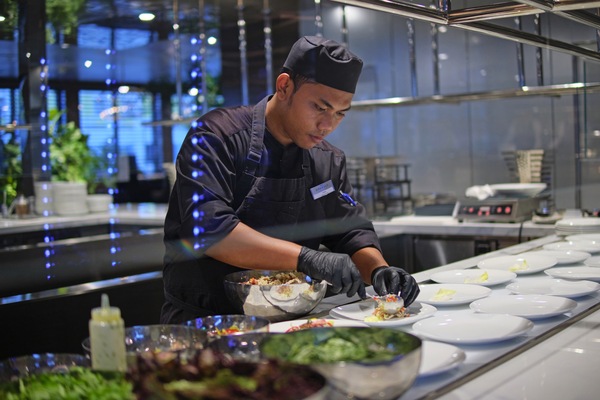
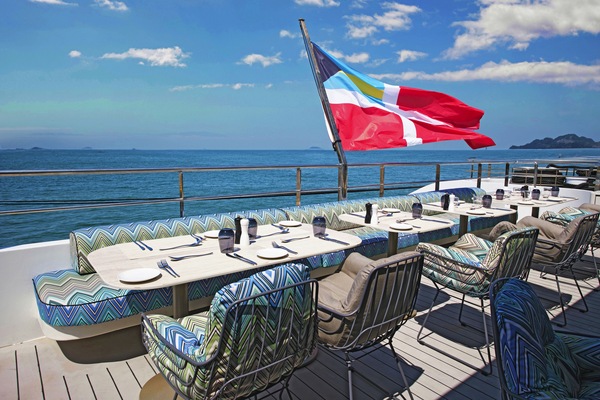
Enjoy the most delectable dishes in the opulent surrounds of the La Cucina Dining. Let the tastes of freshly sourced ingredients on your palate, and enjoy complimentary beverages with each meal.
-
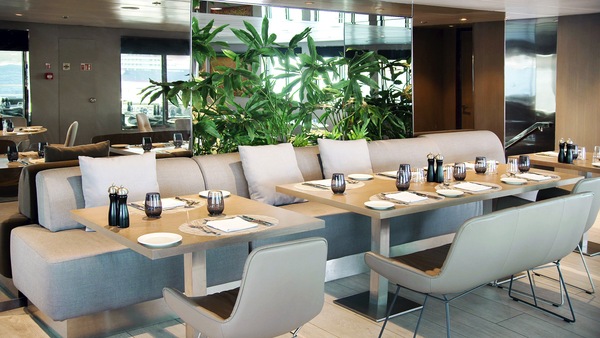
La Cucina Terrace
If you prefer to dine alfresco, head to the La Cucina Terrace.
Deckplans
-
Sky Deck
- Spa Pool
- Sky Bar
- Lifts
-
Pool Deck
- Lifts
- Aqua Café
- Aqua Pool
- Owner's Suite
- Deluxe Balcony Suite
-
Panorama Deck
- Navigation Bridge
- Life Boats
- Terrace Suite
- Balcony Suite
- Lifts
-
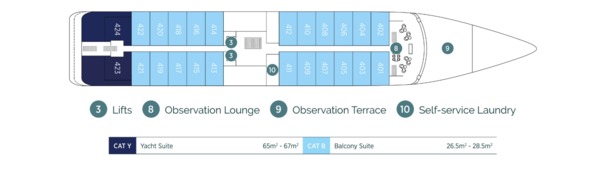
Observation Deck
- Observation Lounge
- Observation Terrace
- Self-service Laundry
- Yacht Suites
- Balcony Suites
- Lifts
-
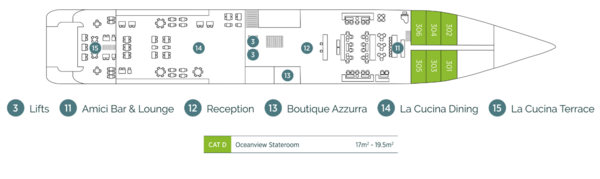
Emerald Deck
- Amici Bar & Lounge
- Reception
- Boutique Azzurra
- La Cucina Terrace
- La Cucina Dining
- Oceanview Staterooms
- Lifts
-
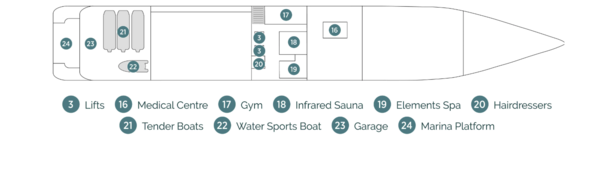
Wellness Deck
- Medical Centre
- Gym
- Infrared Sauna
- Elements Spa
- Hairdressers
- Tender Boats
- Water Sports Boat
- Garage
- Marina Platform
- Lifts
Ready to Book?
For more information; please contact our Cruise specialists who will be delighted to help you plan your next holiday.
Call us on 01625 858158 Request Availability & PriceSign up to our Newsletter for exclusive offers and receive up to £250 off your next holiday.
For New Subscribers Only.