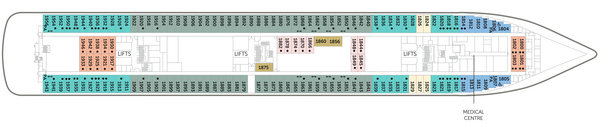
-
Discovering the Amazon and Antarctica
Borealis, Fred Olsen Cruises
BOOK WITH CONFIDENCE
Family run business established in 1983. ABTA & ATOL Protected.
COMPETITIVELY PRICED
We work closely with our travel partners to secure the best holiday price available.
KNOWLEDGE & SERVICE
Our extensively travelled team are here to ensure you receive the very best advice and first-class service.
Borealis
Departure: 05/01/2028
Duration: 88 Days
Roundtrip from Southampton
Price reflects the best available for this sailing. For a personalised quotation, please contact our cruise specialists.
Itinerary
-
Day 1 Southampton, England 05 Jan 2028 (Wednesday)
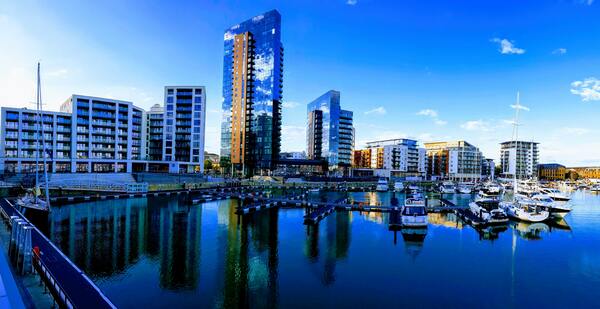
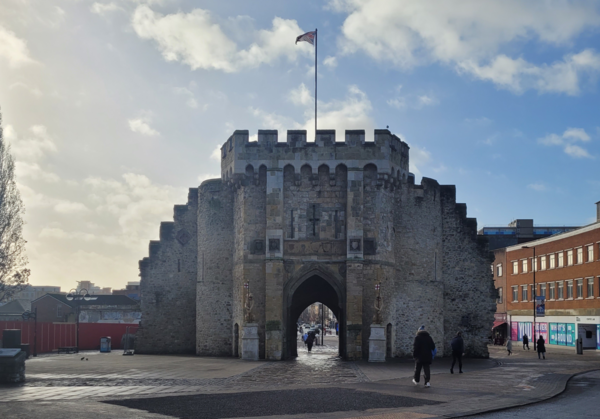
Lying near the head of Southampton Water, a peninsula between the estuaries of the Rivers Test and Itchen, Southampton is Britain’s largest cruise port. It has been one of England’s major ports since the Middle Ages, when it exported wool and hides from the hinterland and imported wine from Bordeaux. The city suffered heavy damage during World War Two and as a result the centre has been extensively rebuilt, but there are still some interesting medieval buildings including the Bargate, one of the finest city gatehouses in England.
-
Day 6 Santa Cruz de Tenerife, Spain 10 Jan 2028 (Monday)
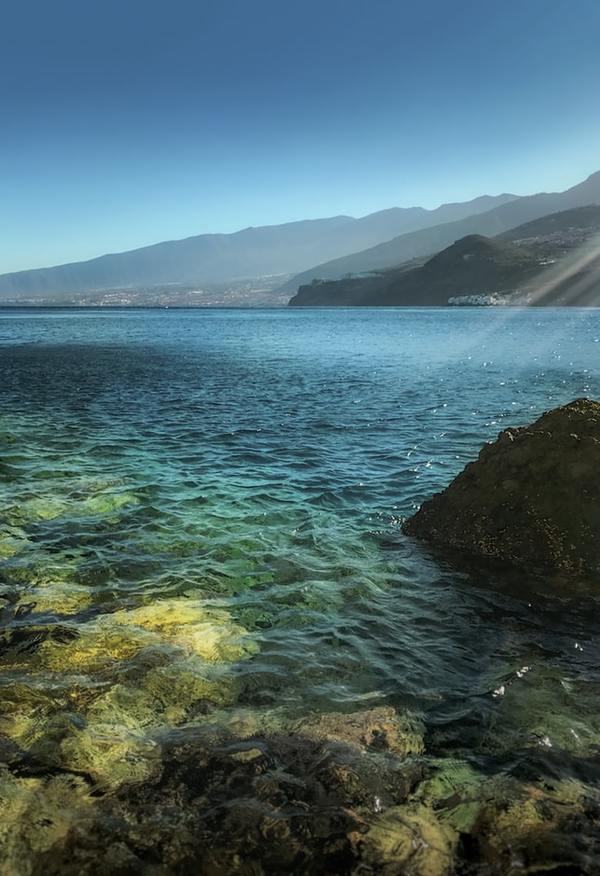
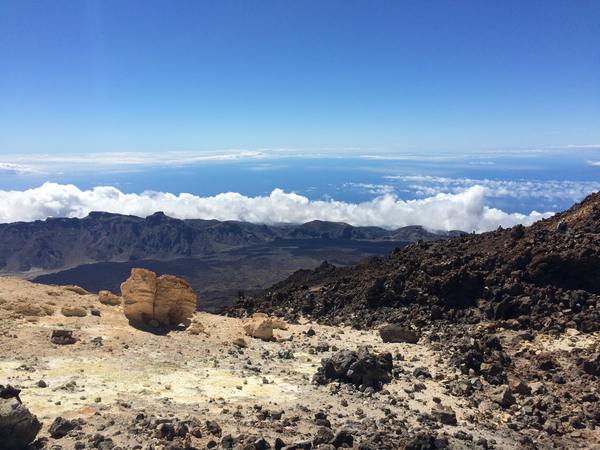
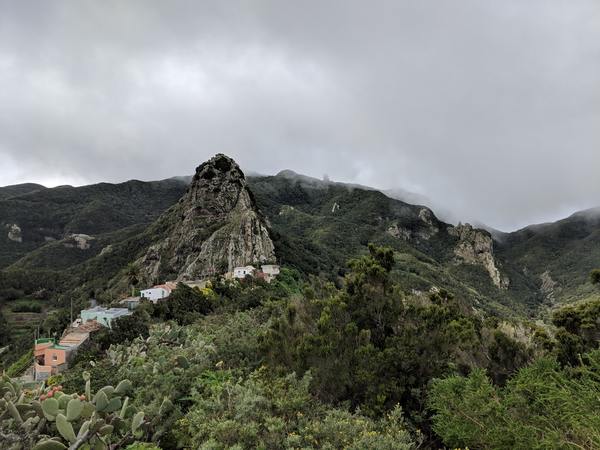
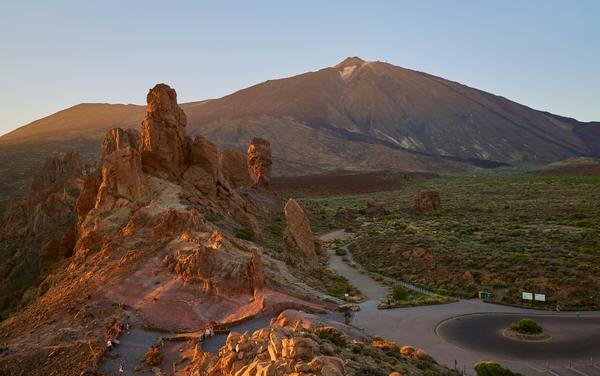
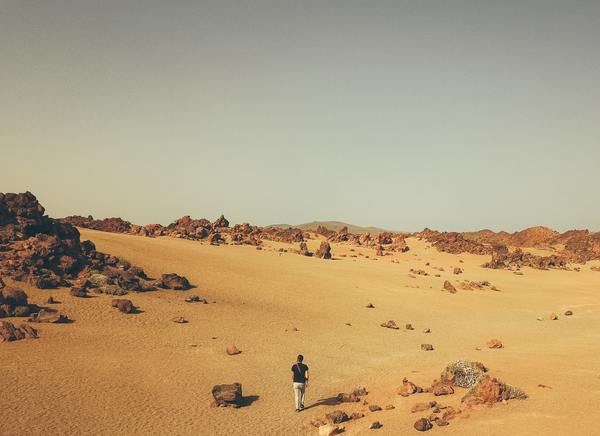
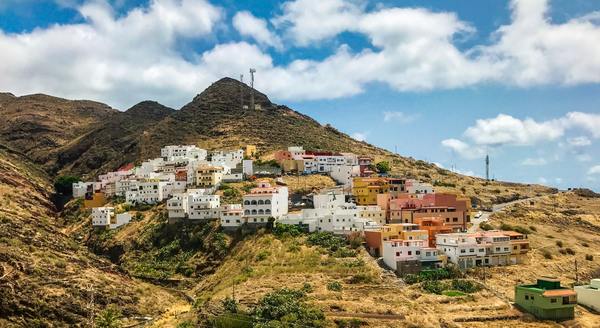
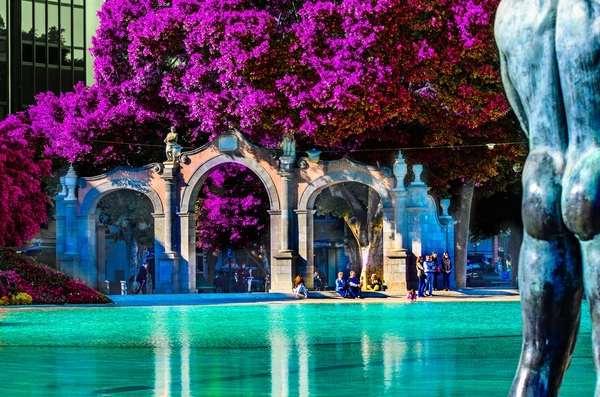
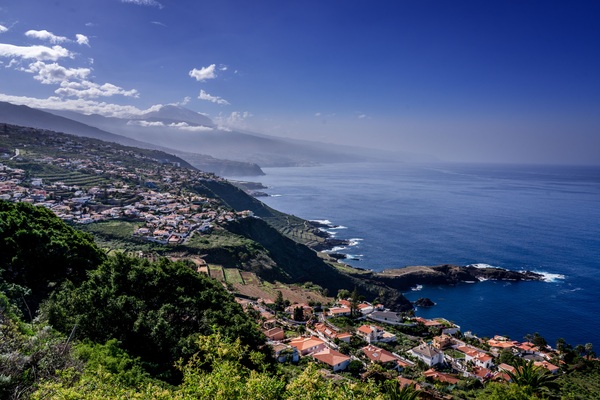
The largest of the Canary Islands, Tenerife is a beautiful and scenic island which enjoys year-round sunshine and is dominated by Mount Teide. The mountain range runs through the centre of the island, with fertile valleys on the northern side. In the central part of the range is the gigantic natural crater of the Cañadas del Teide, about 14 miles in diameter. Santa Cruz, the island’s pretty capital, was originally a small fishing village but has now grown into a modern city, and also contains 16th-century civic buildings and ornate private mansions. Near the pier is the Santa Cruz Palmetum, a... See moreThe largest of the Canary Islands, Tenerife is a beautiful and scenic island which enjoys year-round sunshine and is dominated by Mount Teide. The mountain range runs through the centre of the island, with fertile valleys on the northern side. In the central part of the range is the gigantic natural crater of the Cañadas del Teide, about 14 miles in diameter. Santa Cruz, the island’s pretty capital, was originally a small fishing village but has now grown into a modern city, and also contains 16th-century civic buildings and ornate private mansions. Near the pier is the Santa Cruz Palmetum, a Botanical Garden covering an area of 29 acres, specialising in palms.
See less -
Day 7 Santa Cruz de La Palma, Spain 11 Jan 2028 (Tuesday)
Also known as ‘La Isla Bonita’ (the beautiful island), La Palma is typified by lush forests of pine, laurel and fern which contrast with the rugged splendour of the gigantic Taburiente crater. The island is dotted with attractive villages, which are a delight to discover, and the capital Santa Cruz also makes for an interesting day of exploration. Perched on the edge of the volcanic crater of La Caldereta, Santa Cruz comfortably blends modern architecture with old colonial buildings. Perhaps visit the fascinating Natural History Museum, stroll around the historic quarters and the Plaza de Espa... See moreAlso known as ‘La Isla Bonita’ (the beautiful island), La Palma is typified by lush forests of pine, laurel and fern which contrast with the rugged splendour of the gigantic Taburiente crater. The island is dotted with attractive villages, which are a delight to discover, and the capital Santa Cruz also makes for an interesting day of exploration. Perched on the edge of the volcanic crater of La Caldereta, Santa Cruz comfortably blends modern architecture with old colonial buildings. Perhaps visit the fascinating Natural History Museum, stroll around the historic quarters and the Plaza de Espana or travel a few miles outside the city to the exquisite Church of Our Lady. If you enjoy shopping, you can find reasonably priced silver jewellery, leather goods and beautifully embroidered clothes, tablecloths and napkins, a speciality of the Canary Islands.
See less -
Day 14 Saint John's, Antigua and Barbuda 18 Jan 2028 (Tuesday)
With its superb beaches, historical attractions and beautiful coral reefs, Antigua provides a host of diversions. It is said that the island contains 365 beaches, one for every day of the year. Antigua maintains its traditional West Indian character, with gingerbread-house style architecture, calypso music and carnival festivities. St John’s has been the administrative capital since the island’s colonisation in 1632, and has been the seat of government since it gained independence in 1981. From the port you can explore the colourful Redcliffe district, with its restored wooden houses, and Heri... See moreWith its superb beaches, historical attractions and beautiful coral reefs, Antigua provides a host of diversions. It is said that the island contains 365 beaches, one for every day of the year. Antigua maintains its traditional West Indian character, with gingerbread-house style architecture, calypso music and carnival festivities. St John’s has been the administrative capital since the island’s colonisation in 1632, and has been the seat of government since it gained independence in 1981. From the port you can explore the colourful Redcliffe district, with its restored wooden houses, and Heritage Quay with its shopping mall and craft shops. The city has some fine examples of Colonial architecture, including the twin-towered cathedral, built in 1845 and considered one of the finest church buildings in the Caribbean. All coaches in Antigua are operated by smaller vehicles, and commentary will be given by a driver/guide.
See less -
Day 16 Samaná, Dominican Republic 20 Jan 2028 (Thursday)
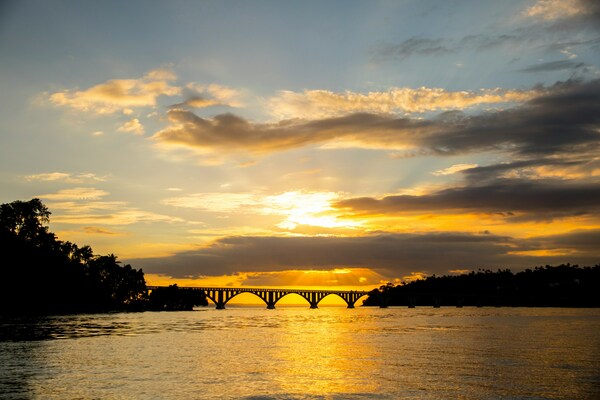
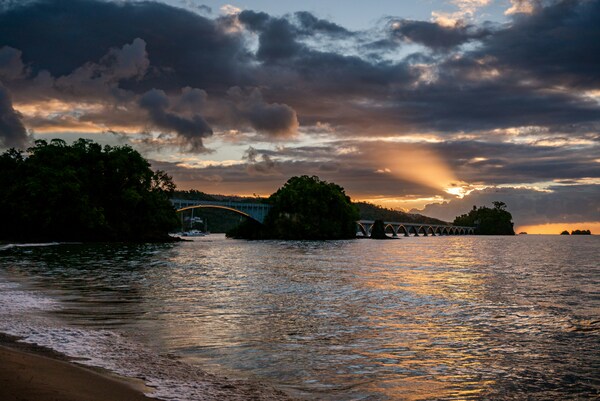
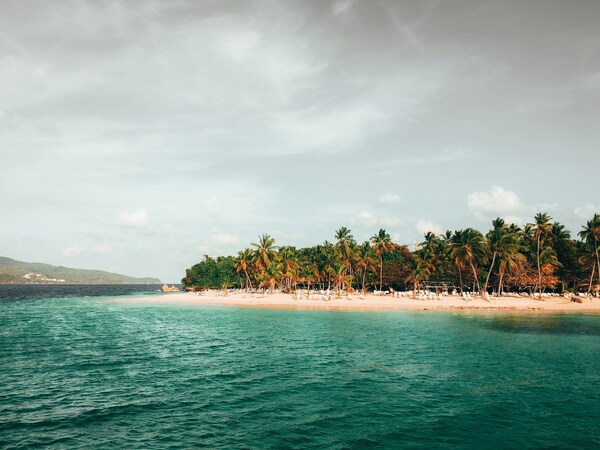
Samaná (pronounced sah-mah-NAH) is a dramatically beautiful peninsula, like an island unto itself, of coconut trees stretching into the sea. It's something of a microcosm of the Dominican Republic: here you'll see poverty and fancy resorts, brand-new highways as well as bad roads, verdant mountainsides, tropical forests, tiny villages lined with street-side fruit vendors, secluded beaches, and the radiant warmth of the Dominican people. Samaná is the name of both the peninsula and its biggest town, as well as the bay to the south. It's worth noting that to locals, Samaná denotes only the large... See moreSamaná (pronounced sah-mah-NAH) is a dramatically beautiful peninsula, like an island unto itself, of coconut trees stretching into the sea. It's something of a microcosm of the Dominican Republic: here you'll see poverty and fancy resorts, brand-new highways as well as bad roads, verdant mountainsides, tropical forests, tiny villages lined with street-side fruit vendors, secluded beaches, and the radiant warmth of the Dominican people. Samaná is the name of both the peninsula and its biggest town, as well as the bay to the south. It's worth noting that to locals, Samaná denotes only the largest town, Santa Bárbara de Samaná, which makes a great departure point for whale-watching or an excursion to Los Haitises Park across the bay. The bay is home to some of the world's best whale-watching from mid-January to late March. It is now the site of Puerto Bahia Marina and Residences and the Bannister Hotel, contemporary, luxurious yet moderately priced. This complex has brought an entirely new level of tourism to this area, and given yachts a full-service facility in what has always been a desirable cruising destination.A visit here is really about two things: exploring the preserved natural wonders and relaxing at a small beachfront hotel. The latter is most readily accomplished in Las Terrenas, the only true tourist center, where you can find picturesque restaurants, accommodations of all types (including the new oceanfront Sublime Samaná and the luxury condo-hotel, Balcones del Atlantico), and great beaches. At Las Terrenas you can enjoy peaceful playas, take advantage of the vibrant nightlife, and make all your plans for expeditions on the peninsula. The other pleasures are solitary—quiet beaches, the massive national park Los Haitises, and water sports and hiking. A relatively new toll road connects Santo Domingo to the peninsula; it's about a 2- to 2½-hour drive. Small El Catey International Airport is near Las Terrenas and is now being served by twice-weekly JetBlue flights (Wednesday and Saturday). On the Dominican Republic's Samaná Peninsula, the green mountains teem with coconut trees and dramatic vistas of the ocean. The area is full of hidden beaches reachable only on foot or by sea, protected coves, and undeveloped bays. A visit to Samaná is really about two things: exploring its preserved natural wonders and relaxing on the beach. There are a number of all-inclusive resorts where you can hang your hat, quaint and low-key beachfront hotels, as well as new world-class properties, where you can find complete relaxation and tranquillity.
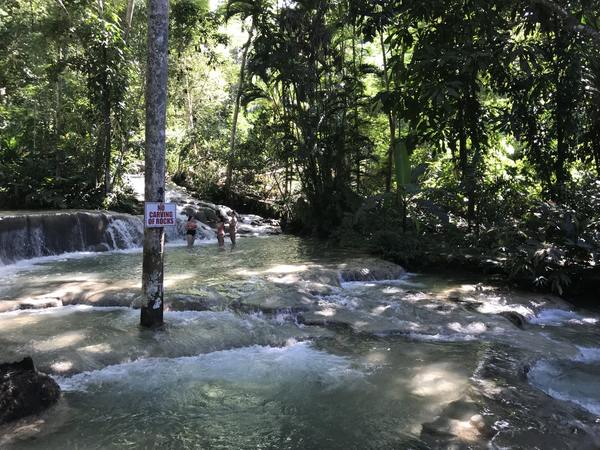
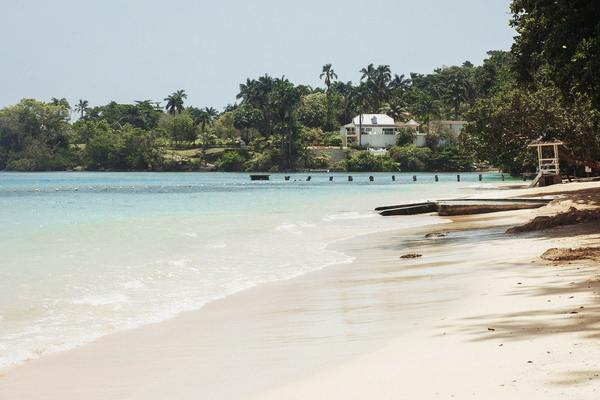
See less - Day 18 Ocho Rios, Jamaica 22 Jan 2028 (Saturday)
-
Day 20 Puerto Limón, Costa Rica 24 Jan 2028 (Monday)
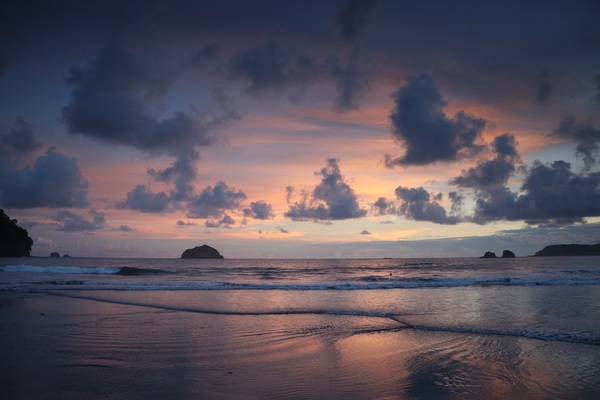
Christopher Columbus became Costa Rica's first tourist when he landed on this stretch of coast in 1502 during his fourth and final voyage to the New World. Expecting to find vast mineral wealth, he named the region Costa Rica ("rich coast"). Imagine the Spaniards' surprise eventually to find there was none. Save for a brief skirmish some six decades ago, the country did prove itself rich in a long tradition of peace and democracy. No other country in Latin America can make that claim. Costa Rica is also abundantly rich in natural beauty, managing to pack beaches, volcanoes, rain forests, and d... See moreChristopher Columbus became Costa Rica's first tourist when he landed on this stretch of coast in 1502 during his fourth and final voyage to the New World. Expecting to find vast mineral wealth, he named the region Costa Rica ("rich coast"). Imagine the Spaniards' surprise eventually to find there was none. Save for a brief skirmish some six decades ago, the country did prove itself rich in a long tradition of peace and democracy. No other country in Latin America can make that claim. Costa Rica is also abundantly rich in natural beauty, managing to pack beaches, volcanoes, rain forests, and diverse animal life into an area the size of Vermont and New Hampshire combined. It has successfully parlayed those qualities into its role as one the world's great ecotourism destinations. A day visit is short, but time enough for a quick sample.
See less -
Day 22 Cartagena, Colombia 26 Jan 2028 (Wednesday)
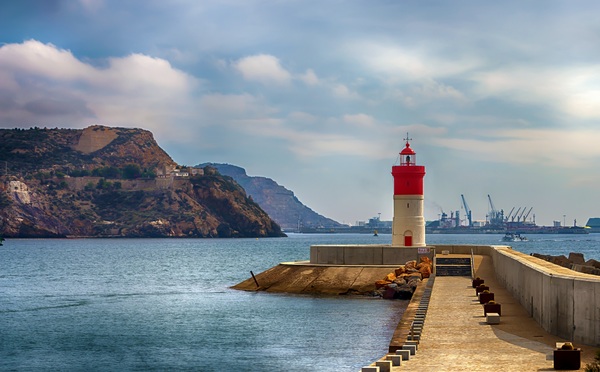
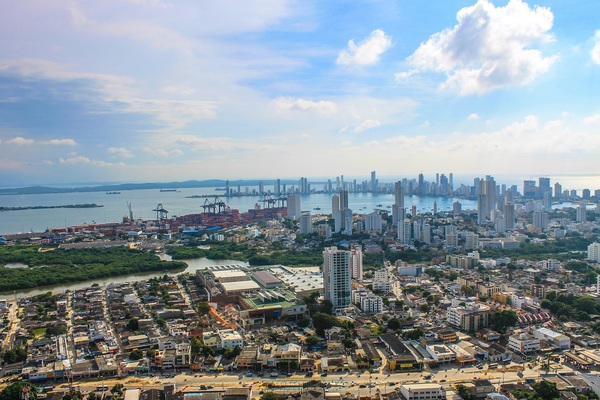
Cartagena's magnificent city walls and fortresses, now a UNESCO World Heritage Site, enclose a well-restored historic center (the Cuidad Amurallada, or walled city) with plazas, churches, museums, and shops that have made it a lively coastal vacation spot for South Americans and others. New hotels and restaurants make the walled city a desirable place to stay, and the formerly down-at-the-heels Getsemaní neighborhood attracts those seeking a bohemian buzz. The historic center is a small section of Cartagena; many hotels are in the Bocagrande district, an elongated peninsula where high-rise hot... See moreCartagena's magnificent city walls and fortresses, now a UNESCO World Heritage Site, enclose a well-restored historic center (the Cuidad Amurallada, or walled city) with plazas, churches, museums, and shops that have made it a lively coastal vacation spot for South Americans and others. New hotels and restaurants make the walled city a desirable place to stay, and the formerly down-at-the-heels Getsemaní neighborhood attracts those seeking a bohemian buzz. The historic center is a small section of Cartagena; many hotels are in the Bocagrande district, an elongated peninsula where high-rise hotels overlook a long, gray-sand beach.When it was founded in 1533 by Spanish conquistador Pedro de Heredia, Cartagena was the only port on the South American mainland. Gold and silver looted from indigenous peoples passed through here en route to Spain and attracted pirates, including Sir Francis Drake, who in 1586 torched 200 buildings. Cartagena's walls protected the city's riches as well as the New World's most important African slave market.
See less -
Day 24 Willemstad, Curaçao 28 Jan 2028 (Friday)
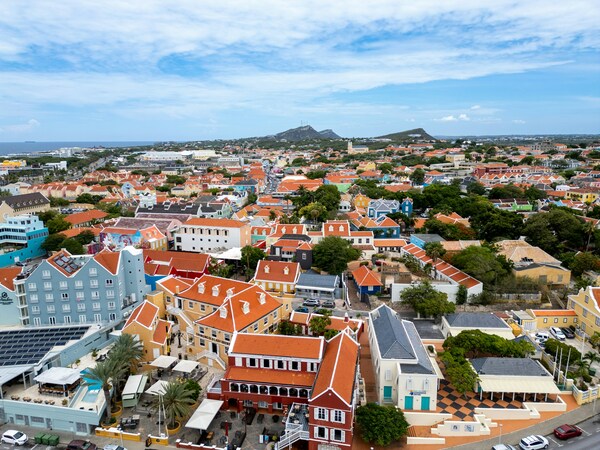
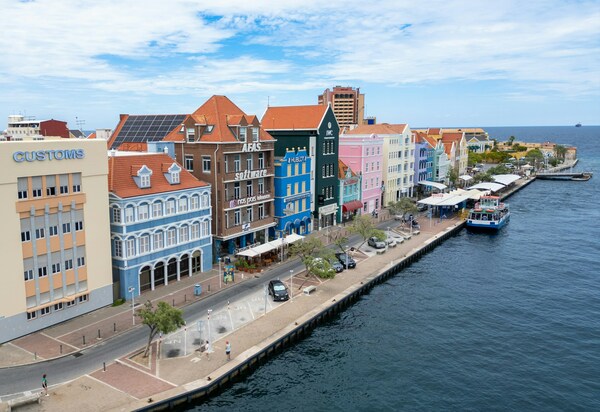
Dutch settlers came here in the 1630s, about the same time they sailed through the Verazzano Narrows to Manhattan, bringing with them original red-tile roofs, first used on the trade ships as ballast and later incorporated into the architecture of Willemstad. Much of the original colonial structures remain, but this historic city is constantly reinventing itself and the government monument foundation is always busy restoring buildings in one urban neighborhood or another. The salty air causes what is called "wall cancer" which causes the ancient abodes to continually crumble over time. The cit... See moreDutch settlers came here in the 1630s, about the same time they sailed through the Verazzano Narrows to Manhattan, bringing with them original red-tile roofs, first used on the trade ships as ballast and later incorporated into the architecture of Willemstad. Much of the original colonial structures remain, but this historic city is constantly reinventing itself and the government monument foundation is always busy restoring buildings in one urban neighborhood or another. The salty air causes what is called "wall cancer" which causes the ancient abodes to continually crumble over time. The city is cut in two by Santa Anna Bay. On one side is Punda (the point)—crammed with shops, restaurants, monuments, and markets and a new museum retracing its colorful history. And on the other side is Otrobanda (literally meaning the "other side"), with lots of narrow, winding streets and alleyways (called "steekjes" in Dutch), full of private homes notable for their picturesque gables and Dutch-influenced designs. In recent years the ongoing regeneration of Otrobanda has been apparent, marked by a surge in development of new hotels, restaurants, and shops; the rebirth, concentrated near the waterfront, was spearheaded by the creation of the elaborate Kura Hulanda complex.There are three ways to cross the bay: by car over the Juliana Bridge; by foot over the Queen Emma pontoon bridge (locally called "The Swinging Old Lady"); or by free ferry, which runs when the pontoon bridge is swung open for passing ships. All the major hotels outside town offer free shuttle service to town once or twice daily. Shuttles coming from the Otrobanda side leave you at Riffort. From here it's a short walk north to the foot of the pontoon bridge. Shuttles coming from the Punda side leave you near the main entrance to Ft. Amsterdam.
See less -
Day 26 Kingstown, Saint Vincent and the Grenadines 30 Jan 2028 (Sunday)
Kingstown is the capital of Saint Vincent and the Grenadines. The port city is known for its Botanical Gardens, founded in 1765 and home to tropical plants and aviaries. On a ridge above the bay, the 1806 Fort Charlotte offers panoramic views of the archipelago. The city center has 19th-century churches such as St. Mary’s Cathedral. The lively Kingstown Market sells local produce. Popular Villa Beach is nearbyKingstown is the capital of Saint Vincent and the Grenadines. The port city is known for its Botanical Gardens, founded in 1765 and home to tropical plants and aviaries. On a ridge above the bay, the 1806 Fort Charlotte offers panoramic views of the archipelago. The city center has 19th-century churches such as St. Mary’s Cathedral. The lively Kingstown Market sells local produce. Popular Villa Beach is nearby See less -
Day 27 Saint George's, Grenada 31 Jan 2028 (Monday)
Nutmeg, cinnamon, cloves, cocoa those heady aromas fill the air in Grenada (pronounced gruh-nay-da). Only 21 miles (33½ km) long and 12 miles (19½ km) wide, the Isle of Spice is a tropical gem of lush rain forests, white-sand beaches, secluded coves, exotic flowers, and enough locally grown spices to fill anyone's kitchen cabinet. St. George's is one of the most picturesque capital cities in the Caribbean, St. George's Harbour is one of the most picturesque harbors, and Grenada's Grand Anse Beach is one of the region's finest beaches. The island has friendly, hospitable people and enough good... See moreNutmeg, cinnamon, cloves, cocoa those heady aromas fill the air in Grenada (pronounced gruh-nay-da). Only 21 miles (33½ km) long and 12 miles (19½ km) wide, the Isle of Spice is a tropical gem of lush rain forests, white-sand beaches, secluded coves, exotic flowers, and enough locally grown spices to fill anyone's kitchen cabinet. St. George's is one of the most picturesque capital cities in the Caribbean, St. George's Harbour is one of the most picturesque harbors, and Grenada's Grand Anse Beach is one of the region's finest beaches. The island has friendly, hospitable people and enough good shopping, restaurants, historic sites, and natural wonders to make it a popular port of call. About one-third of Grenada's visitors arrive by cruise ship, and that number continues to grow each year. Grenada's capital is a bustling West Indian city, much of which remains unchanged from colonial days. Narrow streets lined with shops wind up, down, and across steep hills. Brick warehouses cling to the waterfront, and pastel-painted homes rise from the waterfront and disappear into steep green hills. The horseshoe-shaped St. George's Harbour, a submerged volcanic crater, is arguably the prettiest harbor in the Caribbean. Schooners, ferries, and tour boats tie up along the seawall or at the small dinghy dock. The Carenage (pronounced car-a-nahzh), which surrounds the harbor, is the capital's center. Warehouses, shops, and restaurants line the waterfront. The Christ of the Deep statue that sits on the pedestrian plaza at the center of The Carenage was presented to Grenada by Costa Cruise Line in remembrance of its ship, Bianca C, which burned and sank in the harbor in 1961 and is now a favorite dive site. An engineering feat for its time, the 340-foot-long Sendall Tunnel was built in 1895 and named for Walter Sendall, an early governor. The narrow tunnel, used by both pedestrians and vehicles, separates the harbor side of St. George's from the Esplanade on the bay side of town, where you can find the markets (produce, meat, and fish), the Cruise Ship Terminal, the Esplanade Mall, and the public bus station.
See less -
Day 28 Roseau, Dominica 01 Feb 2028 (Tuesday)
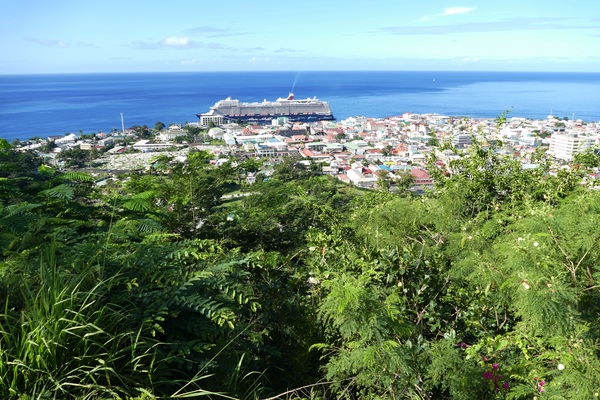
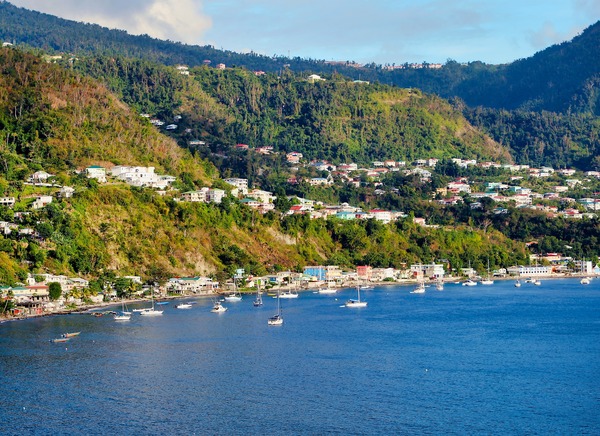
Although it's one of the smallest capitals in the Caribbean, Roseau has the highest concentration of inhabitants of any town in the eastern Caribbean. Caribbean vernacular architecture and a bustling marketplace transport visitors back in time. Although you can walk the entire town in about an hour, you'll get a much better feel for the place on a leisurely stroll. For some years now, the Society for Historical Architectural Preservation and Enhancement (SHAPE) has organized programs and projects to preserve the city's architectural heritage. Several interesting buildings have already been res... See moreAlthough it's one of the smallest capitals in the Caribbean, Roseau has the highest concentration of inhabitants of any town in the eastern Caribbean. Caribbean vernacular architecture and a bustling marketplace transport visitors back in time. Although you can walk the entire town in about an hour, you'll get a much better feel for the place on a leisurely stroll. For some years now, the Society for Historical Architectural Preservation and Enhancement (SHAPE) has organized programs and projects to preserve the city's architectural heritage. Several interesting buildings have already been restored. Lilac House, on Kennedy Avenue, has three types of gingerbread fretwork, latticed verandah railings, and heavy hurricane shutters. The J.W. Edwards Building, at the corner of Old and King George V sreets, has a stone base and a wooden second-floor gallery. The Old Market Plaza is the center of Roseau's historic district, which was laid out by the French on a radial plan rather than a grid, so streets such as Hanover, King George V, and Old radiate from this area. South of the marketplace is the Fort Young Hotel, built as a British fort in the 18th century; the nearby statehouse, public library, and Anglican cathedral are also worth a visit. New developments at the bay front on Dame M.E. Charles Boulevard have brightened up the waterfront.
See less -
Day 29 Bridgetown, Barbados 02 Feb 2028 (Wednesday)
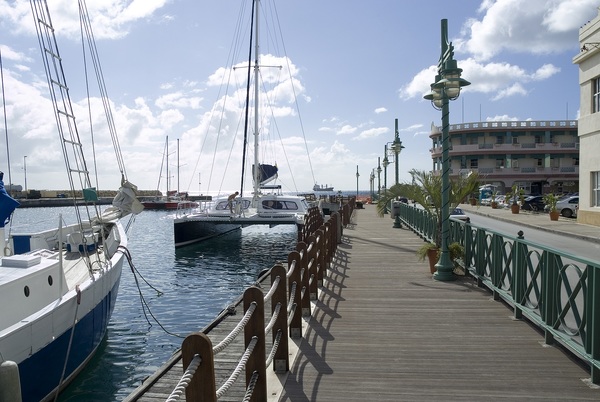
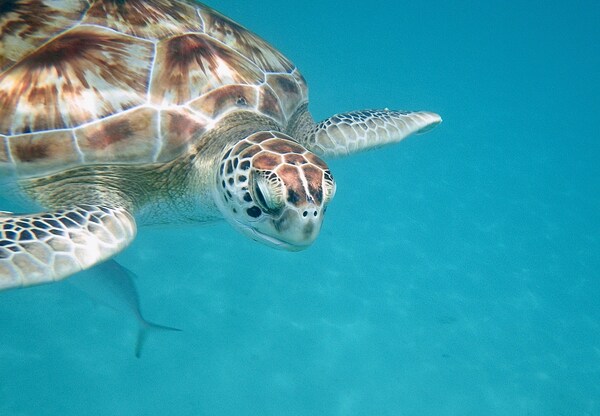
Located beside the island’s only natural harbour, the capital of Barbados combines modern and colonial architecture with glorious palm tree-lined beaches and a number of historical attractions. Experience the relaxed culture of the city renowned for its British-style parliament buildings and vibrant beach life, and seek out the Anglican church and the 19th-century Barbados Garrison. The distance between the ship and your tour vehicle may vary. This distance is not included in the excursion grades.Located beside the island’s only natural harbour, the capital of Barbados combines modern and colonial architecture with glorious palm tree-lined beaches and a number of historical attractions. Experience the relaxed culture of the city renowned for its British-style parliament buildings and vibrant beach life, and seek out the Anglican church and the 19th-century Barbados Garrison. The distance between the ship and your tour vehicle may vary. This distance is not included in the excursion grades.
See less - Day 34 Santarém, Brazil 07 Feb 2028 (Monday)
-
Day 36 Manaus, Brazil 09 Feb 2028 (Wednesday)
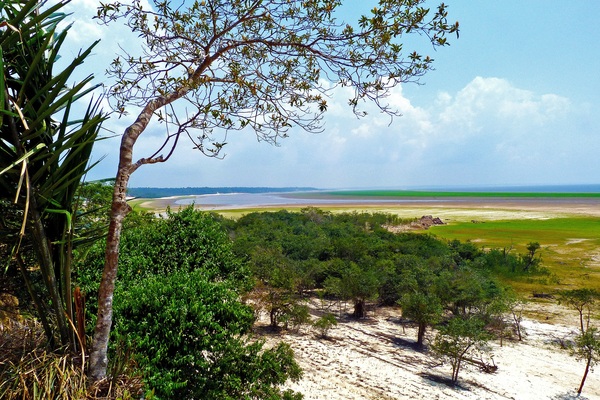
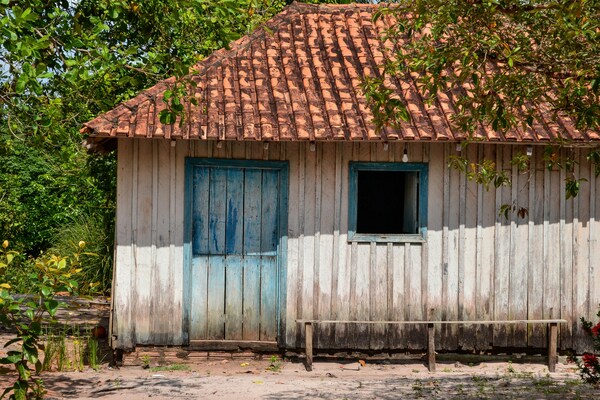
A hidden metropolis inside of the Amazon Rainforest in Brazil, this city is both modern and exciting, yet untouched by the world beyond the jungle. Visit its historical Rubber Museums or stop by the Park of Mindu and catch glimpse of the endangered Pied Tamarin.A hidden metropolis inside of the Amazon Rainforest in Brazil, this city is both modern and exciting, yet untouched by the world beyond the jungle. Visit its historical Rubber Museums or stop by the Park of Mindu and catch glimpse of the endangered Pied Tamarin.
See less -
Day 37 Manaus, Brazil 10 Feb 2028 (Thursday)
A hidden metropolis inside of the Amazon Rainforest in Brazil, this city is both modern and exciting, yet untouched by the world beyond the jungle. Visit its historical Rubber Museums or stop by the Park of Mindu and catch glimpse of the endangered Pied Tamarin.A hidden metropolis inside of the Amazon Rainforest in Brazil, this city is both modern and exciting, yet untouched by the world beyond the jungle. Visit its historical Rubber Museums or stop by the Park of Mindu and catch glimpse of the endangered Pied Tamarin.
See less - Day 38 Parintins, Brazil 11 Feb 2028 (Friday)
- Day 39 Alter do Chão, Brazil 12 Feb 2028 (Saturday)
-
Day 43 Fortaleza, Brazil 16 Feb 2028 (Wednesday)
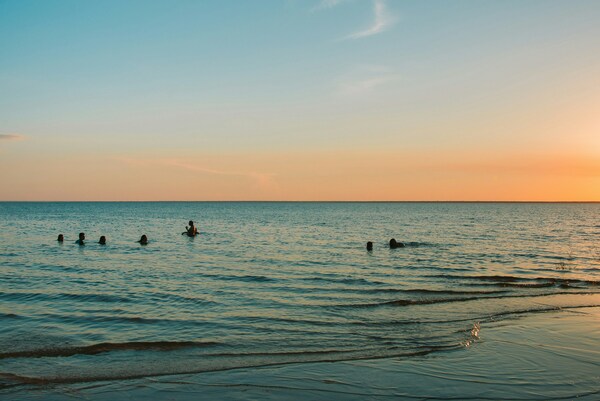
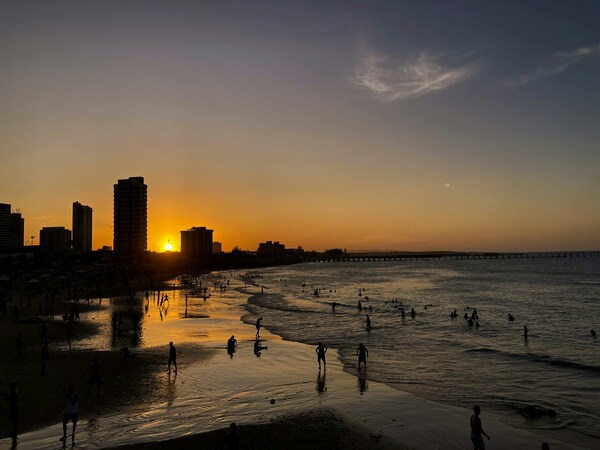
Called the "City of Light," Fortaleza claims that the sun shines on it 2,800 hours a year. And it's a good thing, too, as the coastline stretches far beyond the city. To the east, along the Litoral Leste or the Costa Sol Nascente (Sunrise Coast) are many fishing villages. To the west, along the Litoral Oeste or the Costa Sol Poente (Sunset Coast), there are pristine stretches of sand. The shores here are cooled by constant breezes and lapped by waters with an average temperature of 24°C (72°F).Today Fortaleza, a large, modern state capital with more than 2 million inhabitants, is Brazil's fift... See moreCalled the "City of Light," Fortaleza claims that the sun shines on it 2,800 hours a year. And it's a good thing, too, as the coastline stretches far beyond the city. To the east, along the Litoral Leste or the Costa Sol Nascente (Sunrise Coast) are many fishing villages. To the west, along the Litoral Oeste or the Costa Sol Poente (Sunset Coast), there are pristine stretches of sand. The shores here are cooled by constant breezes and lapped by waters with an average temperature of 24°C (72°F).Today Fortaleza, a large, modern state capital with more than 2 million inhabitants, is Brazil's fifth-largest city. It's also on the move, with one of the country's newest airports, a modern convention center, a huge cultural center with a planetarium, large shopping malls, several museums and theaters, and an abundance of sophisticated restaurants. At Praia de Iracema there's a revitalized beachfront area of sidewalk cafés, bars, and dance clubs. But if you wander along the shore, you're still bound to encounter fishermen unloading their catch from traditional jangadas—just as they've done for hundreds of years.
See less -
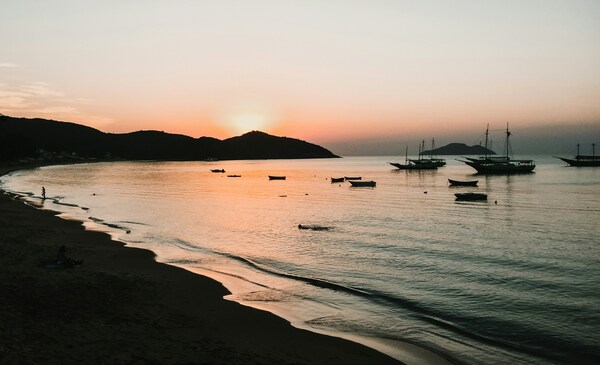
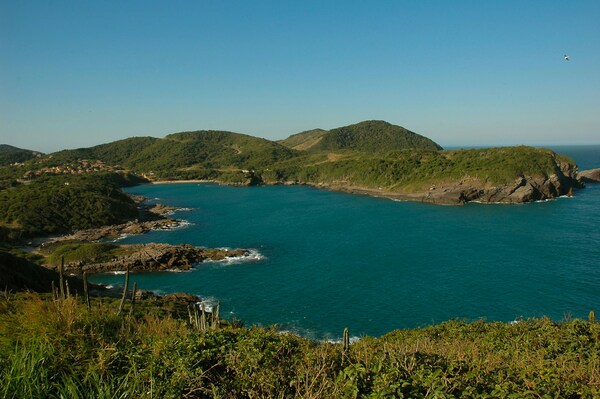
Day 47 Buzios, Brazil 20 Feb 2028 (Sunday)
Around two hours from Rio de Janeiro, Búzios is a string of beautiful beaches on an 8-km-long (5-mile-long) peninsula. It was the quintessential sleepy fishing village until the 1960s, when the French actress Brigitte Bardot holidayed here to escape the paparazzi and the place almost instantly transformed into a vacation sensation. Búzios has something for everyone. Some hotels cater specifically to families and provide plenty of activities and around-the-clock child care. Many have spa facilities, and some specialize in weeklong retreats. For outdoor enthusiasts, Búzios offers surfing, windsu... See moreAround two hours from Rio de Janeiro, Búzios is a string of beautiful beaches on an 8-km-long (5-mile-long) peninsula. It was the quintessential sleepy fishing village until the 1960s, when the French actress Brigitte Bardot holidayed here to escape the paparazzi and the place almost instantly transformed into a vacation sensation. Búzios has something for everyone. Some hotels cater specifically to families and provide plenty of activities and around-the-clock child care. Many have spa facilities, and some specialize in weeklong retreats. For outdoor enthusiasts, Búzios offers surfing, windsurfing, kitesurfing, diving, hiking, and mountain biking, as well as leisurely rounds of golf.
See less -
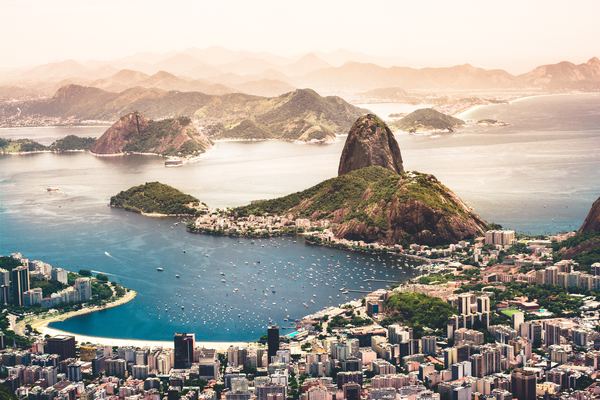
Day 48 Rio de Janeiro, Brazil 21 Feb 2028 (Monday)
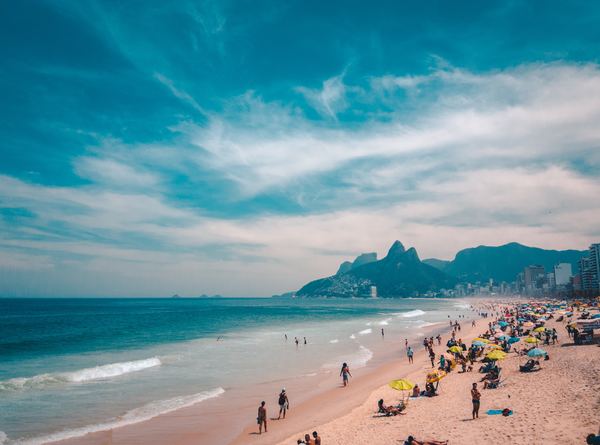
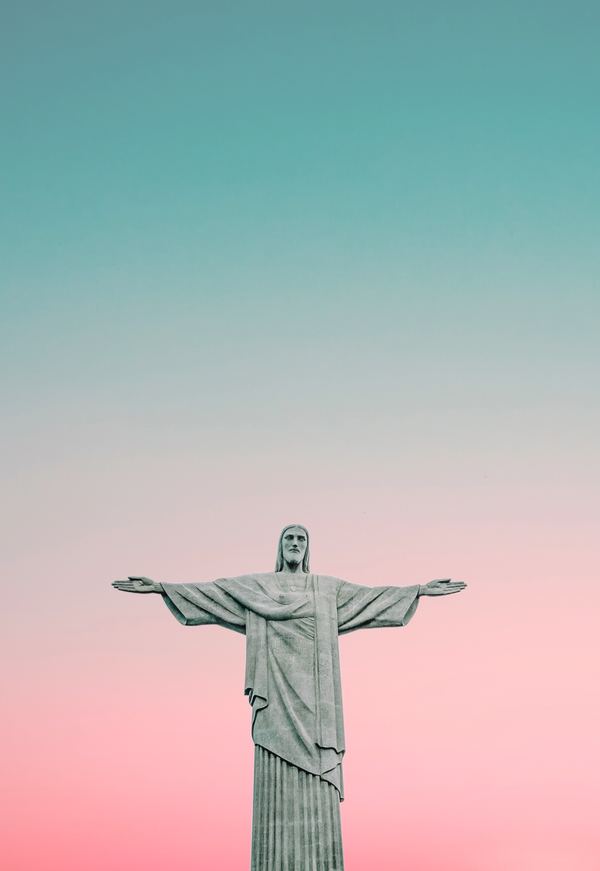
Welcome to the Cidade Maravilhosa, or the Marvelous City, as Rio is known in Brazil. Synonymous with the girl from Ipanema, the dramatic views from Christ the Redeemer atop Corcovado mountain, and fabulously flamboyant Carnival celebrations, Rio is a city of stunning architecture, abundant museums, and marvelous food. Rio is also home to 23 beaches, an almost continuous 73-km (45-mile) ribbon of sand.As you leave the airport and head to Rio's beautiful Zona Sul (the touristic South Zone), you'll drive for about 40 minutes on a highway from where you'll begin to get a sense of the dramatic cont... See moreWelcome to the Cidade Maravilhosa, or the Marvelous City, as Rio is known in Brazil. Synonymous with the girl from Ipanema, the dramatic views from Christ the Redeemer atop Corcovado mountain, and fabulously flamboyant Carnival celebrations, Rio is a city of stunning architecture, abundant museums, and marvelous food. Rio is also home to 23 beaches, an almost continuous 73-km (45-mile) ribbon of sand.As you leave the airport and head to Rio's beautiful Zona Sul (the touristic South Zone), you'll drive for about 40 minutes on a highway from where you'll begin to get a sense of the dramatic contrast between beautiful landscape and devastating poverty. In this teeming metropolis of 12 million people (6.2 million of whom live in Rio proper), the very rich and the very poor live in uneasy proximity. You'll drive past seemingly endless cinder-block favela, but by the time you reach Copacabana's breezy, sunny Avenida Atlântica—flanked on one side by white beach and azure sea and on the other by condominiums and hotels—your heart will leap with expectation as you begin to recognize the postcard-famous sights. Now you're truly in Rio, where cariocas (Rio residents) and tourists live life to its fullest.Enthusiasm is contagious in Rio. Prepare to have your senses engaged and your inhibitions untied. Rio seduces with a host of images: the joyous bustle of vendors at Sunday's Feira Hippie (Hippie Fair); the tipsy babble at sidewalk cafés as patrons sip their last glass of icy beer under the stars; the blanket of lights beneath the Pão de Açúcar (Sugarloaf Mountain); the bikers, joggers, strollers, and power walkers who parade along the beach each morning. Borrow the carioca spirit for your stay; you may find yourself reluctant to give it back.
See less -
Day 49 Rio de Janeiro, Brazil 22 Feb 2028 (Tuesday)
Welcome to the Cidade Maravilhosa, or the Marvelous City, as Rio is known in Brazil. Synonymous with the girl from Ipanema, the dramatic views from Christ the Redeemer atop Corcovado mountain, and fabulously flamboyant Carnival celebrations, Rio is a city of stunning architecture, abundant museums, and marvelous food. Rio is also home to 23 beaches, an almost continuous 73-km (45-mile) ribbon of sand.As you leave the airport and head to Rio's beautiful Zona Sul (the touristic South Zone), you'll drive for about 40 minutes on a highway from where you'll begin to get a sense of the dramatic cont... See moreWelcome to the Cidade Maravilhosa, or the Marvelous City, as Rio is known in Brazil. Synonymous with the girl from Ipanema, the dramatic views from Christ the Redeemer atop Corcovado mountain, and fabulously flamboyant Carnival celebrations, Rio is a city of stunning architecture, abundant museums, and marvelous food. Rio is also home to 23 beaches, an almost continuous 73-km (45-mile) ribbon of sand.As you leave the airport and head to Rio's beautiful Zona Sul (the touristic South Zone), you'll drive for about 40 minutes on a highway from where you'll begin to get a sense of the dramatic contrast between beautiful landscape and devastating poverty. In this teeming metropolis of 12 million people (6.2 million of whom live in Rio proper), the very rich and the very poor live in uneasy proximity. You'll drive past seemingly endless cinder-block favela, but by the time you reach Copacabana's breezy, sunny Avenida Atlântica—flanked on one side by white beach and azure sea and on the other by condominiums and hotels—your heart will leap with expectation as you begin to recognize the postcard-famous sights. Now you're truly in Rio, where cariocas (Rio residents) and tourists live life to its fullest.Enthusiasm is contagious in Rio. Prepare to have your senses engaged and your inhibitions untied. Rio seduces with a host of images: the joyous bustle of vendors at Sunday's Feira Hippie (Hippie Fair); the tipsy babble at sidewalk cafés as patrons sip their last glass of icy beer under the stars; the blanket of lights beneath the Pão de Açúcar (Sugarloaf Mountain); the bikers, joggers, strollers, and power walkers who parade along the beach each morning. Borrow the carioca spirit for your stay; you may find yourself reluctant to give it back.
See less -
Day 54 Puerto Madryn, Argentina 27 Feb 2028 (Sunday)
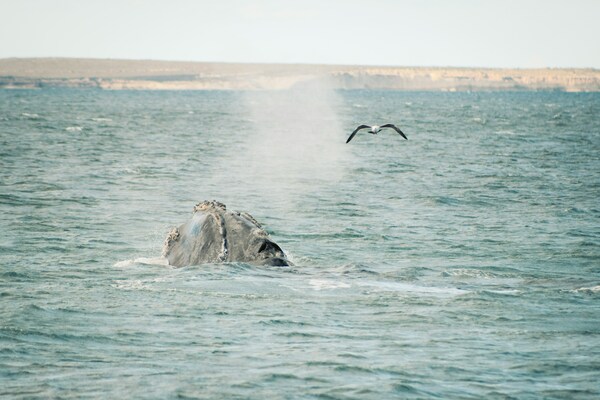
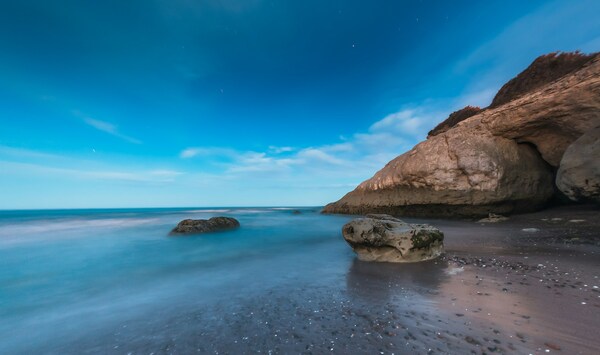
Approaching from Ruta 3, it's hard to believe that the horizon line of buildings perched just beyond the windswept dunes and badlands is the most successful of all coastal Patagonia settlements. But once you get past the outskirts of town and onto the wide coastal road known as the Rambla, the picture begins to change. Ranged along the clear and tranquil Golfo Nuevo are restaurants, cafés, dive shops, and hotels, all busy—but not yet overcrowded—with tourists from around the world.Puerto Madryn is more a base for visiting nearby wildlife-watching sites like Península Valdés and Punta Tombo tha... See moreApproaching from Ruta 3, it's hard to believe that the horizon line of buildings perched just beyond the windswept dunes and badlands is the most successful of all coastal Patagonia settlements. But once you get past the outskirts of town and onto the wide coastal road known as the Rambla, the picture begins to change. Ranged along the clear and tranquil Golfo Nuevo are restaurants, cafés, dive shops, and hotels, all busy—but not yet overcrowded—with tourists from around the world.Puerto Madryn is more a base for visiting nearby wildlife-watching sites like Península Valdés and Punta Tombo than a destination in its own right. The town's architecture is unremarkable, and beyond a walk along the coast there isn't much to do. Indeed, even the few museums serve mainly to introduce you to the fauna you'll see elsewhere. The exception is the beginning of whale season (May through July), when the huge animals cavort right in the bay before heading north—you can even walk out alongside them on the pier. During these months it's worth the extra expense for a room with a sea view.The many tour agencies and rental-car companies here make excursion planning easy. Aim to spend most of your time here on one- or two-day trips exploring the surroundings. Note that competition is fierce between tourism operators in destinations such as Puerto Madryn and Puerto Pirámides on Península Valdés. Take information that tour operators and even the tourism office give you about these with a grain of salt: they often exaggerate Madryn's virtues and other areas' flaws.
See less -
Day 57 Punta Arenas, Chile 01 Mar 2028 (Wednesday)
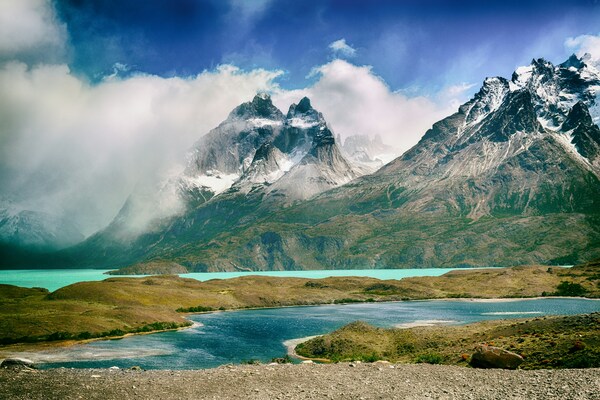
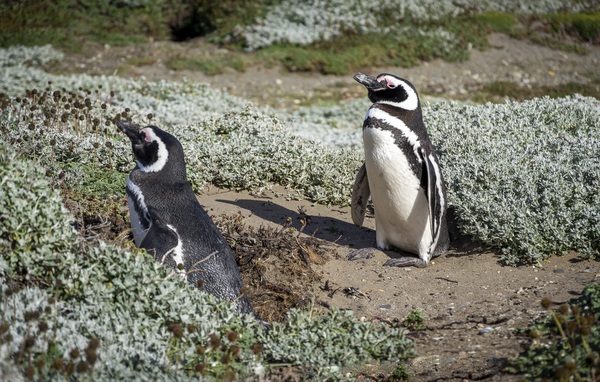
Impenetrable forests, impassable mountains, and endless fields of ice define Chilean Patagonia, and meant that the region went largely unexplored until the beginning of the 20th century. Located in the southernmost part of the country, this area is still sparsely inhabited, though you will find a few populated places—like the colorful provincial city of Punta Arenas, which looks like it's about to be swept into the Strait of Magellan. Some unique wildlife, particularly colonies of elephant seals and penguins, call this breathtaking topography home. To the north is Parque Nacional Torres del Pa... See moreImpenetrable forests, impassable mountains, and endless fields of ice define Chilean Patagonia, and meant that the region went largely unexplored until the beginning of the 20th century. Located in the southernmost part of the country, this area is still sparsely inhabited, though you will find a few populated places—like the colorful provincial city of Punta Arenas, which looks like it's about to be swept into the Strait of Magellan. Some unique wildlife, particularly colonies of elephant seals and penguins, call this breathtaking topography home. To the north is Parque Nacional Torres del Paine, the country's most magnificent natural wonder, and whose snow-covered peaks seem to rise vertically from the plains below. The vistas, such as the fantastic Avenue of the Glaciers, are breathtaking; along this stretch of the Beagle Channel, you can pass six tremendous glaciers all within a stone's throw of each other.Cruise SightsPunta Arenas. Founded a little more than 150 years ago, Punta Arenas (Sandy Point) was Chile's first permanent settlement in Patagonia. Plaza Muñoz Gamero, the central square, is surrounded by evidence of that early prosperity: buildings whose then-opulent brick exteriors recall a time when this was one of Chile's wealthiest cities. The newer houses here have colorful tin roofs, best appreciated when seen from a high vantage point such as the Mirador Cerro la Cruz. Although the city as a whole may not be particularly attractive, look for details: the pink-and-white house on a corner, the bay window full of potted plants, parking attendants wearing the regional blue and yellow colors, and schoolchildren in identical naval pea coats that remind you that the city's fate is tied to the sea.The Museo Naval y Marítimo extols Chile's high-seas prowess, particularly concerning Antarctica. Its exhibits are worth a visit for anyone with an interest in ships and sailing, merchant and military alike. Part of the second floor is designed like the interior of a ship, including a map and radio room. Pedro Montt 989. Admission charged.Housed in what was once the mansion of the powerful Braun-Menéndez family, the Museo Regional de Magallanes is an intriguing glimpse into the daily life of a wealthy provincial family at the beginning of the 20th century. Lavish Carrara marble hearths, English bath fixtures, and cordovan leather walls are among the original accoutrements. The museum also has an excellent group of displays depicting Punta Arenas's past, from the first European contact to the town's decline after the opening of the Panama Canal. The museum is half a block north of the main square. Magallanes 949. Admission charged.The resplendent 1895 Palacio Sara Braun is a national landmark and an architectural showpiece of southern Patagonia. Designed by a French architect, the house was built from materials and by craftsmen imported from Europe during the four years of construction. The city's central plaza and surrounding buildings soon followed, ushering in the region's golden era. Noteworthy are the lavish bedrooms, magnificent parquet floors, marble fireplaces, and hand-painted ceilings. Don't miss the portraits of Braun and her husband José Nogueira in the music room. Afterwards, head to the cellar for a drink or snack in the warm public tavern (a good portion of the mansion is leased to a hotel). Plaza Muñoz Gamero 716. Admission charged.Commonly referred to simply as "El Salesiano," the Museo Salesiano de Maggiorino Borgatello is operated by Italian missionaries whose order arrived in Punta Arenas in the 19th century. The Salesians, most of whom spoke no Spanish, proved to be daring explorers. Traveling throughout the region, they collected the artifacts made by indigenous tribes that are currently on display. Av. Bulnes 398. Admission charged.Isla Magdalena. Punta Arenas is the launching point for a boat trip to the Isla Magdalena to see the more than 100,000 Magellanic penguins at the Monumento Natural Los Pingúinos. A single trail, marked off by rope, is accessible to humans. The boat trip to the island, in the middle of the Estrecho de Magallanes, takes about two hours. Make sure to bring along warm clothing, even in summer; the island can be chilly, particularly if a breeze is blowing across the water.Parque Nacional Torres del Paine. Some 12 million years ago, lava flows pushed up through the thick sedimentary crust that covered the southwestern coast of South America, cooling to form a granite mass. Glaciers then swept through the region, grinding away all but the ash-gray spires that rise over the landscape of one of the world's most beautiful natural phenomena, now the Parque Nacional Torres del Paine (established in 1959). Snow formations dazzle along every turn of road, and the sunset views are spectacular.Among the 2,420-square-km (934-square-mi) park's most beautiful attractions are its lakes of turquoise, aquamarine, and emerald green waters. Another draw is its unusual wildlife. Creatures like the guanaco (a woollier version of the llama) and the ñandú (resembling a small ostrich) abound. They are used to visitors and don't seem to be bothered by the proximity of automobile traffic and the snapping of cameras. Predators, like the gray fox, make less frequent appearances. You may also spot the dramatic aerobatics of a falcon and the graceful soaring of the endangered condor. The beautiful puma is especially elusive, but sightings have become more common. Admission charged.Pingúinera de Seno Otway. The road to this penguin sanctuary begins 30 km (18 mi) north of Punta Arenas. Magellanic penguins, which live up to 20 years in the wild, return to their birthplace here every year to mate with the same partner. For about 2,000 penguin couples—no single penguins make the trip—home is this desolate and windswept land off the Otway Sound. In late September, the penguins begin to arrive from the southern coast of Brazil and the Falkland Islands. They mate and lay their eggs in early October, and brood their eggs in November. Offspring hatch between mid-November and early December. If you're lucky, you may catch sight of one of the downy gray chicks that stick their heads out of the burrows when their parents return to feed them. Otherwise you might see scores of the ungainly adult penguins waddling to the ocean from their nesting burrows. They swim for food every eight hours and dive up to 100 feet deep. The penguins depart from the sound in late March. Note that the sanctuary is a 1-km (1/2-mi) walk from the parking lot. It gets chilly, so bring a windbreaker. Admission charged.Reserva Nacional Laguna Parillar. This 47,000-acre reserve lies west of Puerto Hambre, a tranquil fishing village, and is centered around a shimmering lake in a valley flanked by hills. It's a great place for a picnic, and there are a number of well-marked paths that offer sweeping vistas over the Estrecho de Magallanes. About 2 km (1 mi) west of Puerto Hambre is a small white monolith that marks the geographical center of Chile, the midway point between Chile's northern port Arica and the South Pole.Cruise ShoppingWool may no longer be king of the economy, but vast flocks of sheep still yield a high-quality product that is woven into the clothing here. Leather products are also common, but the prices are not necessarily low. About 3 km (2 mi) north of Punta Arenas is the Zona Franca (Av. Bulnes). This duty-free zone is where people from all around the region come for low-priced electronics and other consumer items.
See less - Day 58 Cape Horn, Chile 02 Mar 2028 (Thursday)

-
Day 60 Antarctic Peninsula, Antarctica 04 Mar 2028 (Saturday)
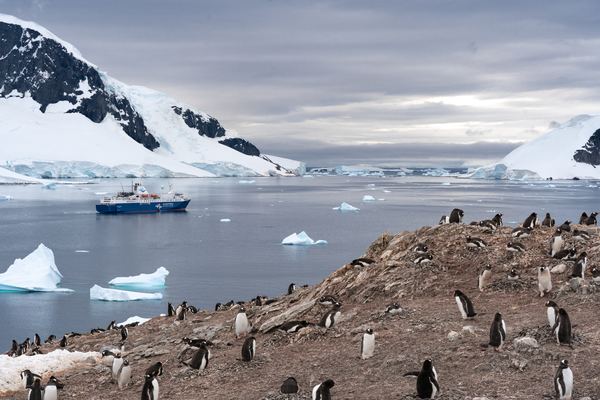
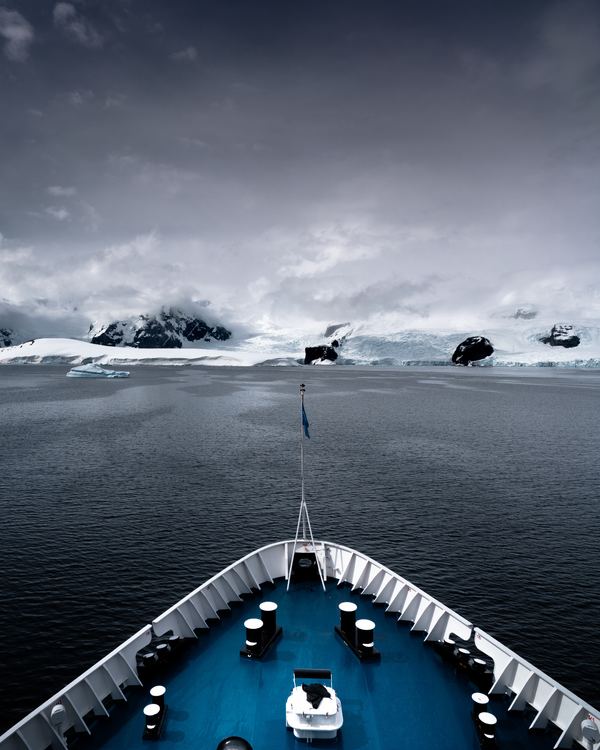
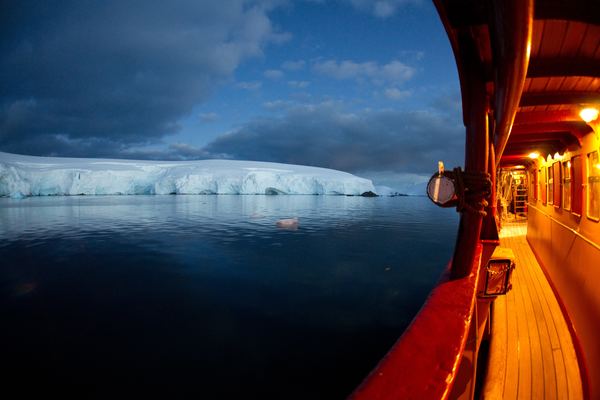
Remote and otherworldly, Antarctic is irresistible for its spectacular iceberg sculptures and calving glaciers, and for the possibility of up-close encounters with marine mammals and the iconic penguins. The Antarctic Peninsula – the main peninsula closest to South America – has a human history of almost 200 years, with explorers, sealers, whalers, and scientists who have come to work, and eventually intrepid visitors coming to enjoy this pristine and remote wilderness. It is a region of protected bays, unscaled snow-capped mountains, vast glaciers and a few places where whalers or scientists... See moreRemote and otherworldly, Antarctic is irresistible for its spectacular iceberg sculptures and calving glaciers, and for the possibility of up-close encounters with marine mammals and the iconic penguins. The Antarctic Peninsula – the main peninsula closest to South America – has a human history of almost 200 years, with explorers, sealers, whalers, and scientists who have come to work, and eventually intrepid visitors coming to enjoy this pristine and remote wilderness. It is a region of protected bays, unscaled snow-capped mountains, vast glaciers and a few places where whalers or scientists have worked. Just as irresistible are the many Gentoo and Chinstrap Penguin colonies, the seals basking on ice floes, the whales and orcas.
See less -
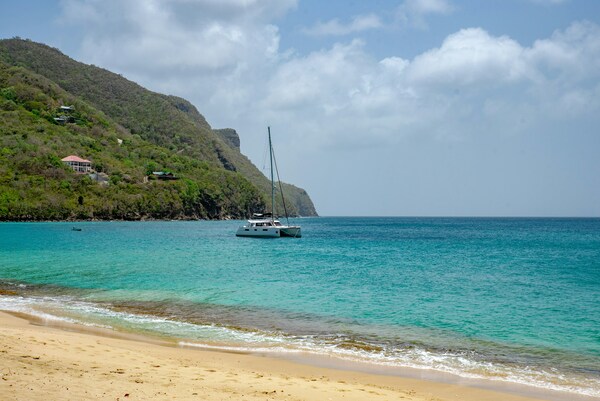
Day 61 Antarctic Peninsula, Antarctica 05 Mar 2028 (Sunday)
Remote and otherworldly, Antarctic is irresistible for its spectacular iceberg sculptures and calving glaciers, and for the possibility of up-close encounters with marine mammals and the iconic penguins. The Antarctic Peninsula – the main peninsula closest to South America – has a human history of almost 200 years, with explorers, sealers, whalers, and scientists who have come to work, and eventually intrepid visitors coming to enjoy this pristine and remote wilderness. It is a region of protected bays, unscaled snow-capped mountains, vast glaciers and a few places where whalers or scientists... See moreRemote and otherworldly, Antarctic is irresistible for its spectacular iceberg sculptures and calving glaciers, and for the possibility of up-close encounters with marine mammals and the iconic penguins. The Antarctic Peninsula – the main peninsula closest to South America – has a human history of almost 200 years, with explorers, sealers, whalers, and scientists who have come to work, and eventually intrepid visitors coming to enjoy this pristine and remote wilderness. It is a region of protected bays, unscaled snow-capped mountains, vast glaciers and a few places where whalers or scientists have worked. Just as irresistible are the many Gentoo and Chinstrap Penguin colonies, the seals basking on ice floes, the whales and orcas.
See less -
Day 64 Port Stanley, Falkland Islands (Malvinas) 08 Mar 2028 (Wednesday)
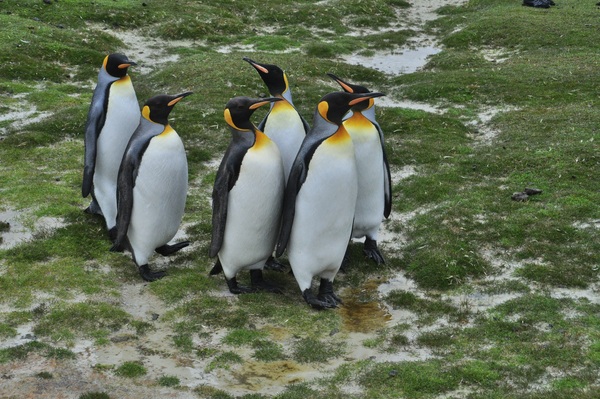
Tiny Stanley, capital of the Falklands, seems in many ways like a British village fallen out of the sky. Many homes are painted in bright colours, adding visual appeal to this distant outpost. Not far offshore, the wreck of the Lady Elizabeth, is one of the many vessels remaining as a silent testimonial to the region's frequent harsh weather conditions.The islands, also known by their Spanish name of Islas Malvinas, are home to arguably more tuxedo-clad inhabitants of the penguin variety than human residents. Various species, such as Gentoo, Magellanic and the more elusive King penguins, eithe... See moreTiny Stanley, capital of the Falklands, seems in many ways like a British village fallen out of the sky. Many homes are painted in bright colours, adding visual appeal to this distant outpost. Not far offshore, the wreck of the Lady Elizabeth, is one of the many vessels remaining as a silent testimonial to the region's frequent harsh weather conditions.The islands, also known by their Spanish name of Islas Malvinas, are home to arguably more tuxedo-clad inhabitants of the penguin variety than human residents. Various species, such as Gentoo, Magellanic and the more elusive King penguins, either live here permanently or use the Falklands as a stopover on their migration route. Darwin found the islands' flora and fauna fascinating - no doubt you will, too.
See less -
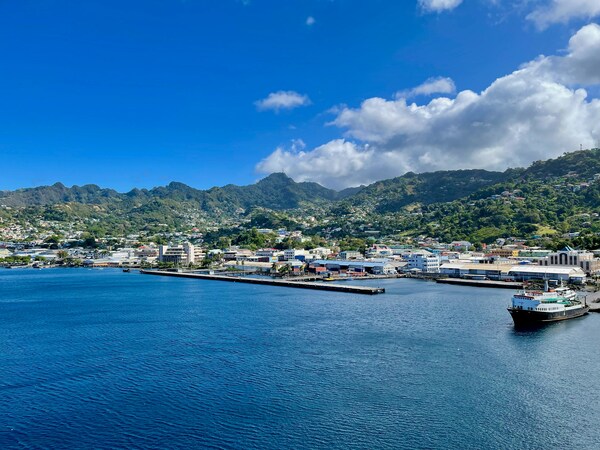
Day 67 Montevideo, Uruguay 11 Mar 2028 (Saturday)
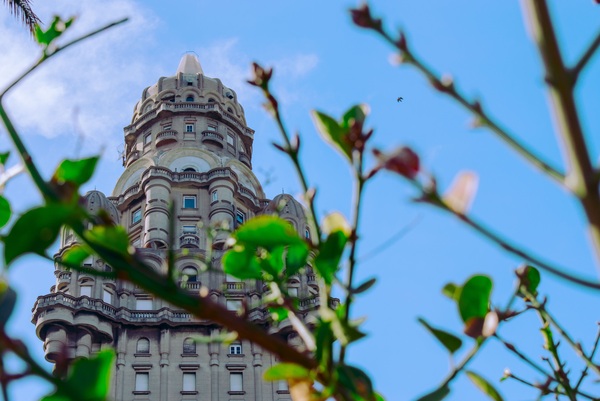
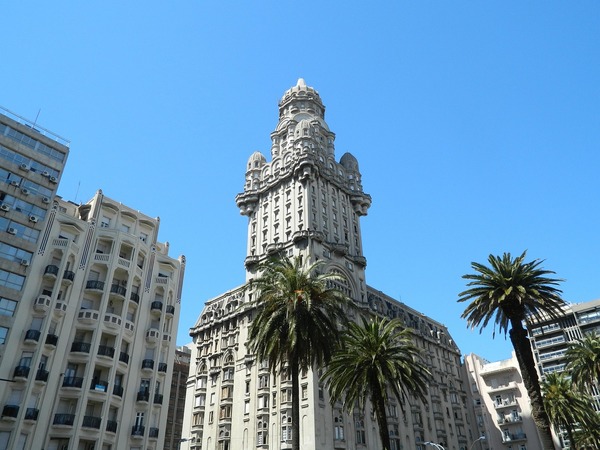
Uruguay’s capital city hugs the eastern bank of the Río de la Plata. A massive coastal promenade (malecón) that passes fine beaches, restaurants, and numerous parks recalls the sunny sophistications of the Mediterranean and is always dotted with Montevideans strolling, exercising, and lounging along the water. Montevideo has its share of glitzy shopping avenues and modern office buildings, balanced with its historic old city and sumptuous colonial architecture, as well as numerous leafy plazas and parks. It is hard not to draw comparisons to its sister city Buenos Aires across the river, and i... See moreUruguay’s capital city hugs the eastern bank of the Río de la Plata. A massive coastal promenade (malecón) that passes fine beaches, restaurants, and numerous parks recalls the sunny sophistications of the Mediterranean and is always dotted with Montevideans strolling, exercising, and lounging along the water. Montevideo has its share of glitzy shopping avenues and modern office buildings, balanced with its historic old city and sumptuous colonial architecture, as well as numerous leafy plazas and parks. It is hard not to draw comparisons to its sister city Buenos Aires across the river, and indeed Montevideo strikes many as a calmer, more manageable incarnation of Argentina's capital.When the weather's good, La Rambla, a 22-km (14-mile) waterfront avenue that links the Old City with the eastern suburbs and changes names about a dozen times, gets packed with fishermen, ice-cream vendors, and joggers. Around sunset, volleyball and soccer games wind down as couples begin to appear for evening strolls. Polls consistently rate Montevideo as having the highest quality of life of any city in Latin America. After one visit here, especially on a lovely summer evening, you probably will agree.
See less -
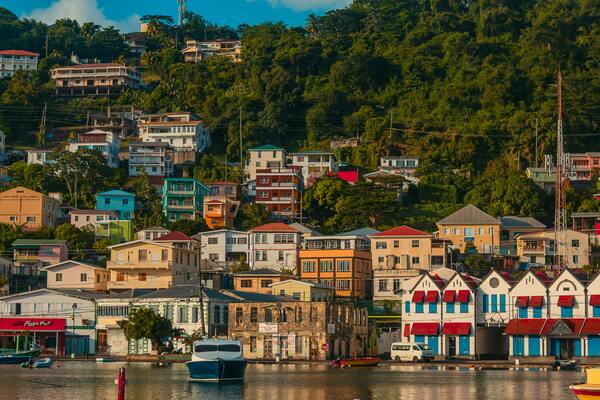
Day 68 Buenos Aires, Argentina 12 Mar 2028 (Sunday)
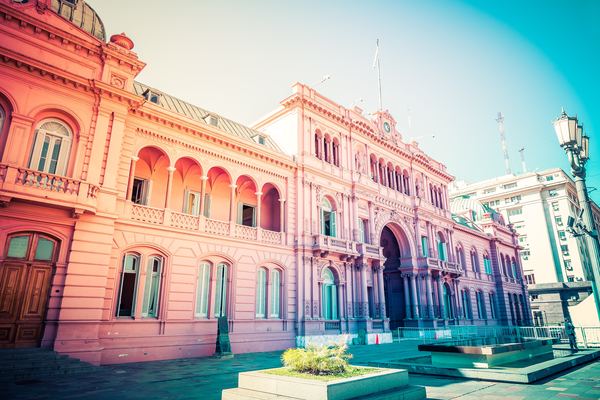
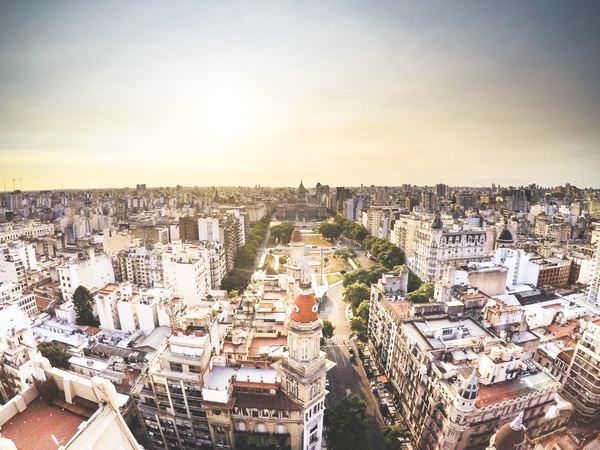
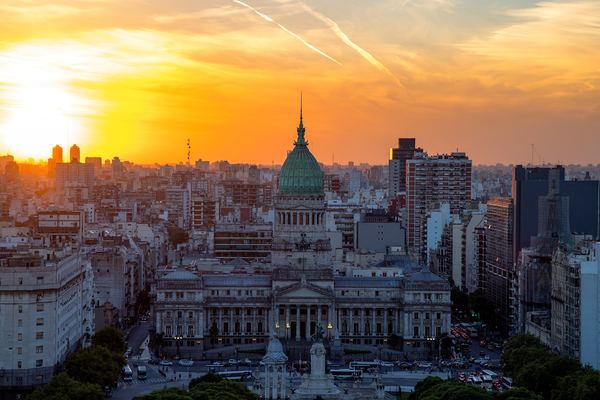
Glamorous and gritty, Buenos Aires is two cities in one. What makes Argentina's capital so fascinating is its dual heritage—part European, part Latin American. Plaza de Mayo resembles a grand square in Madrid, and the ornate Teatro Colón would not be out of place in Vienna. But you’ll know you’re in South America by the leather shoes for sale on cobbled streets and impromptu parades of triumphant soccer fans. Limited-production wines, juicy steaks, and ice cream in countless flavors are among the old-world imports the city has perfected.Glamorous and gritty, Buenos Aires is two cities in one. What makes Argentina's capital so fascinating is its dual heritage—part European, part Latin American. Plaza de Mayo resembles a grand square in Madrid, and the ornate Teatro Colón would not be out of place in Vienna. But you’ll know you’re in South America by the leather shoes for sale on cobbled streets and impromptu parades of triumphant soccer fans. Limited-production wines, juicy steaks, and ice cream in countless flavors are among the old-world imports the city has perfected.
See less -
Day 69 Buenos Aires, Argentina 13 Mar 2028 (Monday)
Glamorous and gritty, Buenos Aires is two cities in one. What makes Argentina's capital so fascinating is its dual heritage—part European, part Latin American. Plaza de Mayo resembles a grand square in Madrid, and the ornate Teatro Colón would not be out of place in Vienna. But you’ll know you’re in South America by the leather shoes for sale on cobbled streets and impromptu parades of triumphant soccer fans. Limited-production wines, juicy steaks, and ice cream in countless flavors are among the old-world imports the city has perfected.Glamorous and gritty, Buenos Aires is two cities in one. What makes Argentina's capital so fascinating is its dual heritage—part European, part Latin American. Plaza de Mayo resembles a grand square in Madrid, and the ornate Teatro Colón would not be out of place in Vienna. But you’ll know you’re in South America by the leather shoes for sale on cobbled streets and impromptu parades of triumphant soccer fans. Limited-production wines, juicy steaks, and ice cream in countless flavors are among the old-world imports the city has perfected.
See less -
Day 74 Salvador de Bahia, Brazil 18 Mar 2028 (Saturday)
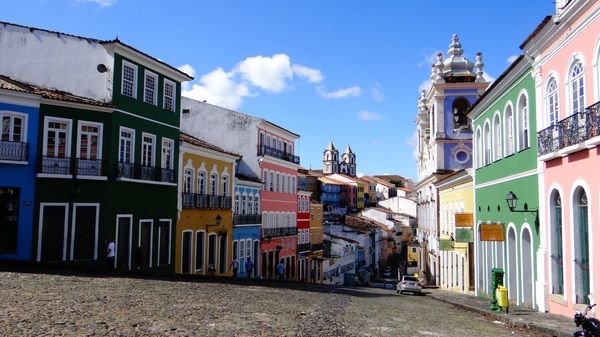
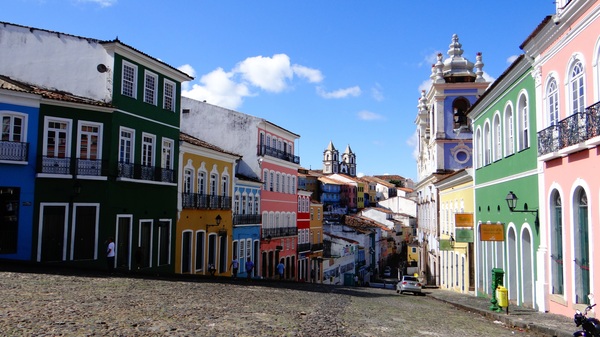
According to Salvador's adopted son Jorge Amado, "In Salvador, magic becomes part of the every-day." From the shimmering golden light of sunset over the Baía do Todos os Santos, to the rhythmic beats that race along the streets, Salvador, while no longer Brazil's capital, remains one of its most captivating cities. A large dose of its exoticism comes down to its African heritage—at least 70% of its 2,675,000 population is classified as Afro-Brazilian—and how it has blended into Brazil's different strands, from the native Indians to the Christian colonizers. Salvadorans may tell you that you ca... See moreAccording to Salvador's adopted son Jorge Amado, "In Salvador, magic becomes part of the every-day." From the shimmering golden light of sunset over the Baía do Todos os Santos, to the rhythmic beats that race along the streets, Salvador, while no longer Brazil's capital, remains one of its most captivating cities. A large dose of its exoticism comes down to its African heritage—at least 70% of its 2,675,000 population is classified as Afro-Brazilian—and how it has blended into Brazil's different strands, from the native Indians to the Christian colonizers. Salvadorans may tell you that you can visit a different church every day of the year, which is almost true—the city has about 300. Churches whose interiors are covered with gold leaf were financed by the riches of the Portuguese colonial era, when slaves masked their traditional religious beliefs under a thin Catholic veneer. And partly thanks to modern-day acceptance of those beliefs, Salvador has become the fount of Candomblé, a religion based on personal dialogue with the orixás, a family of African deities closely linked to nature and the Catholic saints. The influence of Salvador's African heritage on Brazilian music has also turned the city into one of the musical capitals of Brazil, resulting in a myriad of venues to enjoy live music across the city, along with international acclaim for exponents like Gilberto Gil, Caetano Veloso, and Daniela Mercury. Salvador's economy today is focused on telecommunications and tourism. The still-prevalent African culture draws many tourists—this is the best place in Brazil to hear African music, learn or watch African dance, and see capoeira, a martial art developed by slaves. In the district of Pelourinho, many colorful 18th- and 19th-century houses remain, part of the reason why this is the center of the tourist trade. Salvador sprawls across a peninsula surrounded by the Baía de Todos os Santos on one side and the Atlantic Ocean on the other. The city has about 50 km (31 miles) of coastline. The original city, referred to as the Centro Histórica (Historical Center), is divided into the Cidade Alta (Upper City), also called Pelourinho, and Cidade Baixa (Lower City). The Cidade Baixa is a commercial area—known as Comércio—that runs along the port and is the site of Salvador's indoor market, Mercado Modelo. You can move between the upper and lower cities on foot, via the landmark Elevador Lacerda, behind the market, or on the Plano Inclinado, a funicular lift, which connects Rua Guindaste dos Padres on Comércio with the alley behind Cathedral Basílica. From the Cidade Histórica you can travel north along the bay to the hilltop Igreja de Nosso Senhor do Bonfim. You can also head south to the point, guarded by the Forte Santo Antônio da Barra, where the bay waters meet those of the Atlantic. This area on Salvador's southern tip is home to the trendy neighborhoods of Barra, Ondina, and Rio Vermelho, with many museums, theaters, shops, and restaurants. Beaches along the Atlantic coast and north of Forte Santo Antônio da Barra are among the city's cleanest. Many are illuminated at night and have bars and restaurants that stay open late.
See less -
Day 80 Mindelo, São Vicente Island, Cape Verde 24 Mar 2028 (Friday)
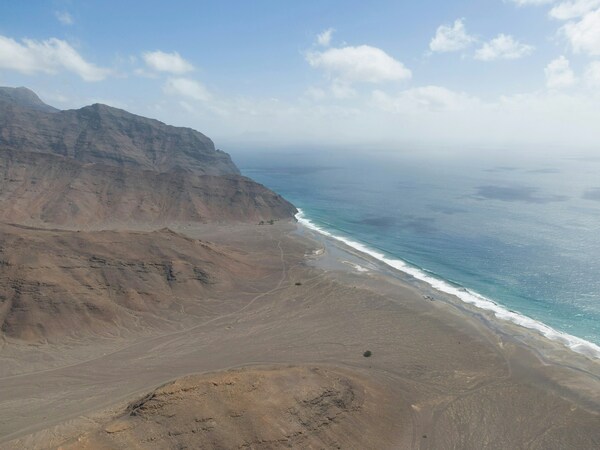
Your next stop will be Cape Verde’s cultural capital, Mindelo. Get along with the locals listening to the real morna in the bars of the old town and sipping the local drink, a sugarcane spirit. This island is also known by its British and Portuguese colonial architecture and pastel-coloured houses, the municipal market and the facades of the old Governor’s Palace.Your next stop will be Cape Verde’s cultural capital, Mindelo. Get along with the locals listening to the real morna in the bars of the old town and sipping the local drink, a sugarcane spirit. This island is also known by its British and Portuguese colonial architecture and pastel-coloured houses, the municipal market and the facades of the old Governor’s Palace.
See less -
Day 83 Las Palmas de Gran Canaria, Spain 27 Mar 2028 (Monday)
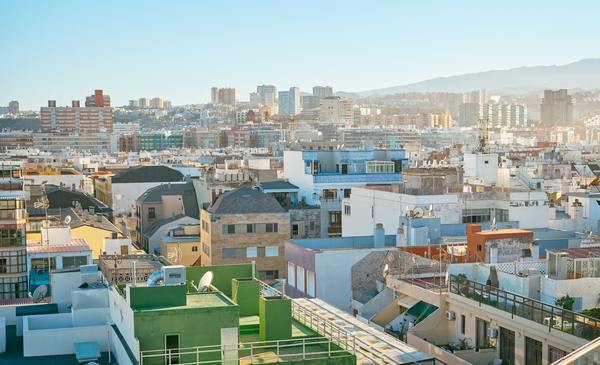
Perhaps the prettiest of the Canary Islands, Gran Canaria is an almost circular isle with the peak of Pozo de Las Nieves, its highest point, at the centre. With a wealth of natural beauty and all the exciting attractions of city life in the capital, the island offers the best of both worlds. You will no doubt wish to see the sights of the capital’s old quarter, which dates back to the 15th century and encompassses the Vegueta and Triana districts, and wherever you go you can enjoy the glorious subtropical climate, perfect for growing exotic palms and fruits.Perhaps the prettiest of the Canary Islands, Gran Canaria is an almost circular isle with the peak of Pozo de Las Nieves, its highest point, at the centre. With a wealth of natural beauty and all the exciting attractions of city life in the capital, the island offers the best of both worlds. You will no doubt wish to see the sights of the capital’s old quarter, which dates back to the 15th century and encompassses the Vegueta and Triana districts, and wherever you go you can enjoy the glorious subtropical climate, perfect for growing exotic palms and fruits.
See less -
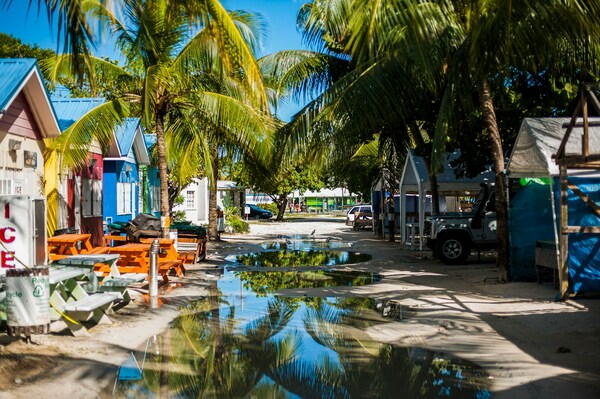
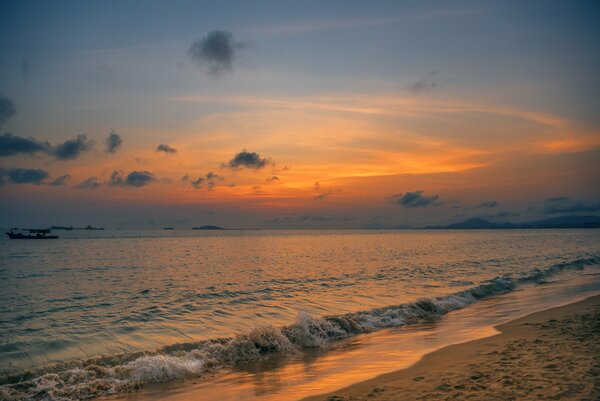
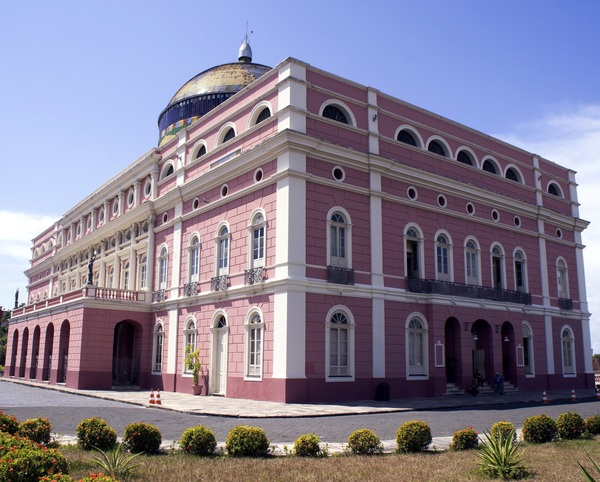
Day 86 La Coruña, Spain 30 Mar 2028 (Thursday)
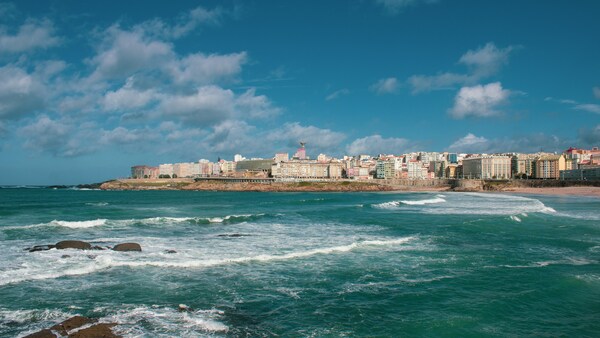
La Coruña, the largest city in Spain's Galicia region, is among the country's busiest ports. The remote Galicia area is tucked into the northwest corner of the Iberian Peninsula, surprising visitors with its green and misty countryside that is so much unlike other parts of Spain. The name "Galicia" is Celtic in origin, for it was the Celts who occupied the region around the 6th-century BC and erected fortifications. La Coruña was already considered an important port under the Romans. They were followed by an invasion of Suevians, Visigoths and, much later in 730, the Moors. It was after Galici... See moreLa Coruña, the largest city in Spain's Galicia region, is among the country's busiest ports. The remote Galicia area is tucked into the northwest corner of the Iberian Peninsula, surprising visitors with its green and misty countryside that is so much unlike other parts of Spain. The name "Galicia" is Celtic in origin, for it was the Celts who occupied the region around the 6th-century BC and erected fortifications. La Coruña was already considered an important port under the Romans. They were followed by an invasion of Suevians, Visigoths and, much later in 730, the Moors. It was after Galicia was incorporated into the Kingdom of Asturias that the epic saga of the Pilgrimage to Santiago (St. James) began. From the 15th century, overseas trade developed rapidly; in 1720, La Coruña was granted the privilege of trading with America - a right previously only held by Cadiz and Seville. This was the great era when adventurous men voyaged to the colonies and returned with vast riches. Today, the city's significant expansion is evident in three distinct quarters: the town centre located along the isthmus; the business and commercial centre with wide avenues and shopping streets; and the "Ensanche" to the south, occupied by warehouses and factories. Many of the buildings in the old section feature the characteristic glazed façades that have earned La Coruña the name "City of Crystal." Plaza Maria Pita, the beautiful main square, is named after the local heroine who saved the town in 1589 when she seized the English standard from the beacon and gave the alarm, warning her fellow townsmen of the English attack.
See less -
Day 88 Southampton, England 01 Apr 2028 (Saturday)
Lying near the head of Southampton Water, a peninsula between the estuaries of the Rivers Test and Itchen, Southampton is Britain’s largest cruise port. It has been one of England’s major ports since the Middle Ages, when it exported wool and hides from the hinterland and imported wine from Bordeaux. The city suffered heavy damage during World War Two and as a result the centre has been extensively rebuilt, but there are still some interesting medieval buildings including the Bargate, one of the finest city gatehouses in England.Lying near the head of Southampton Water, a peninsula between the estuaries of the Rivers Test and Itchen, Southampton is Britain’s largest cruise port. It has been one of England’s major ports since the Middle Ages, when it exported wool and hides from the hinterland and imported wine from Bordeaux. The city suffered heavy damage during World War Two and as a result the centre has been extensively rebuilt, but there are still some interesting medieval buildings including the Bargate, one of the finest city gatehouses in England.
See less
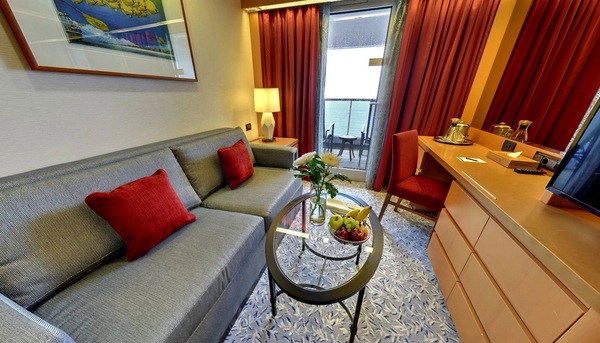
What's Included:
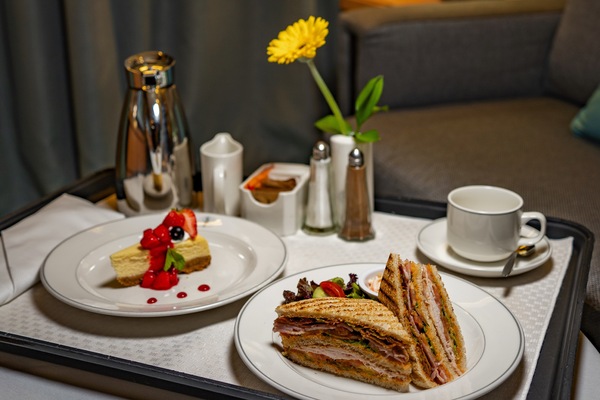
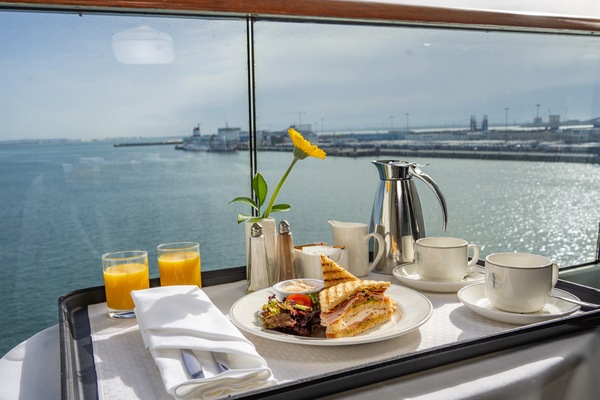
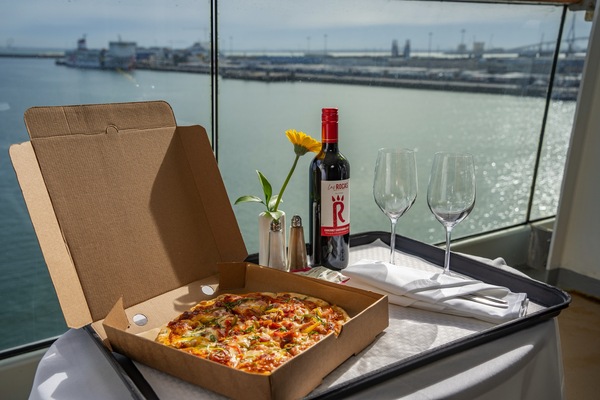
- Full-board dining with a variety of meal options, including afternoon tea and in-suite dining.
- House beer, wine, and draught soft drinks with lunch and dinner included (from 1st January 2026).
- Evening entertainment, daily activities, and expert-led lectures.
- Complimentary tea and coffee stations are available throughout the day.
- Complimentary shuttle service when a port is over one mile from your ship.
- Guided ‘social strolls’ ashore in selected destinations, weather dependent.
- Smaller guest numbers ensure a personalised and attentive service.
- Port taxes, fees and gratuities are included.
- Onboard WiFi packages are available for staying connected at sea.
Suites
-
Ocean View (Adapted Cabin)
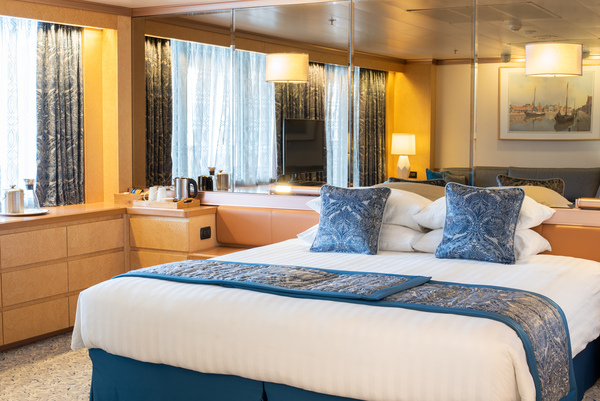
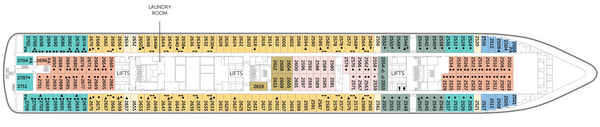
Situated forward and aft on Marina Deck 1, Borealis' FD Grade Ocean View Adapted cabins feature porthole windows that not only bathe the interior in natural light, but also provides guests with fantastic ocean views.
- Deck: Marina Deck 1
- Size: 214 square feet (approx.)
- Bedroom with two single beds (can be converted into a queen-size bed)
- Bathroom with roll-in shower
- Porthole windows
Ocean View (Adapted Cabin)
-
Superior Ocean View (Adapted Cabin)
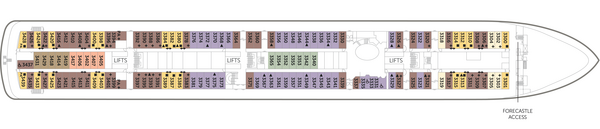
BD Grade Superior Ocean View Adapted cabins on Borealis are situated higher on the ship, on decks 6 and 3, and feature a large picture window that allows natural light to bathe the stylish interiors and guests to enjoy scenic views in comfort.
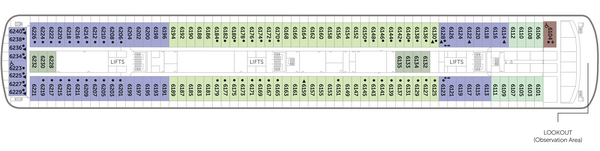
- Deck(s): Highland Deck 6 & Promenade Deck 3
- Size: 214 square feet (approx.)
- Bedroom with two single beds (can be converted into a queen-size bed)
- Bathroom with roll-in shower
- Large picture window
Superior Ocean View (Adapted Cabin)
-
Terrace Adapted Cabin
Borealis' Terrace Adapted Cabins offer guests the space, natural light and airiness of a Ocean View Cabin, but with the additional benefit of direct access to the Promenade Deck and designated sun loungers – perfect for enjoying the sunshine, scenery and sea breeze.
- Deck: Promenade Deck 3
- Size: 218.5 square feet (approx.)
- Bedroom with two single beds (can be converted into a queen-size bed)
- Sitting area
- Bathroom with roll-in shower
- Sliding glass doors with access to Promenade
- Two designated sun loungers
Terrace Adapted Cabin
-
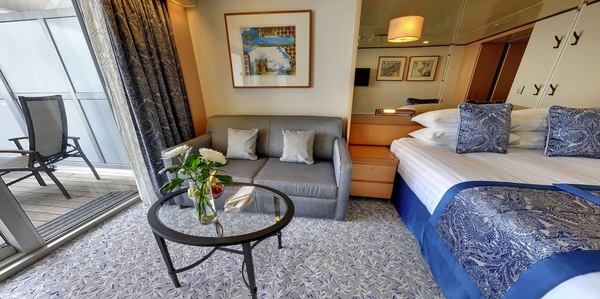
Balcony Junior Adapted Suite
Borealis' Balcony Junior Suites are a welcoming, comfortable space. Guests will find ample room to relax, and all the amenities they need during their stay, plus a private balcony for soaking up sunshine and scenery outside.
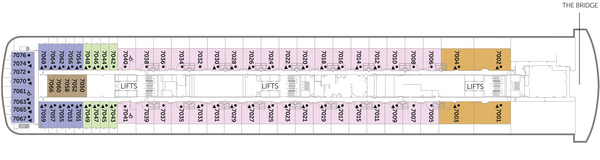
- Deck(s): Bridge Deck 7 & Highland Deck 6
- Size: 244 square feet (approx.)
- Bedroom with two single beds (can be converted to one queen-sized bed)
- Sitting area
- Bathroom with shower (unless indicated as including a bathtub)
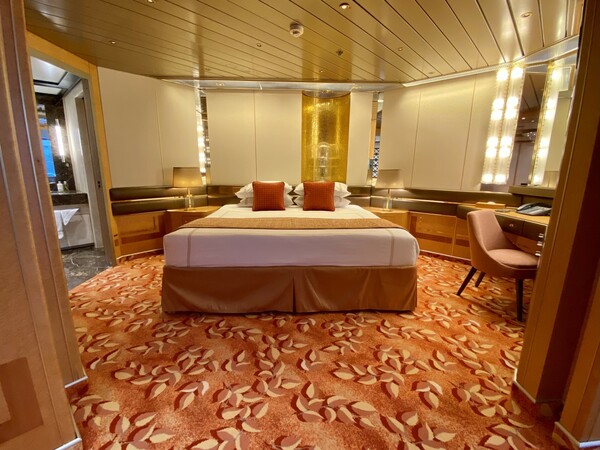
- Private balcony
- Floor-to-ceiling windows
- Access to mini bar and fridge
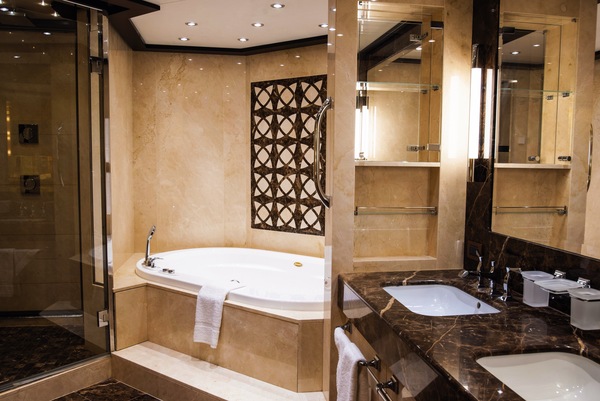
- Guests benefit from complimentary Suite Dreams package
Balcony Junior Adapted Suite
-
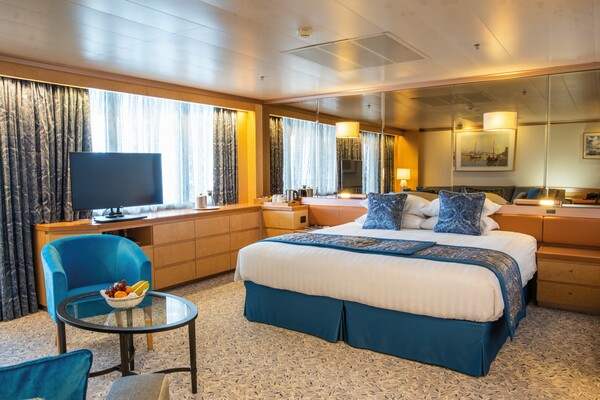
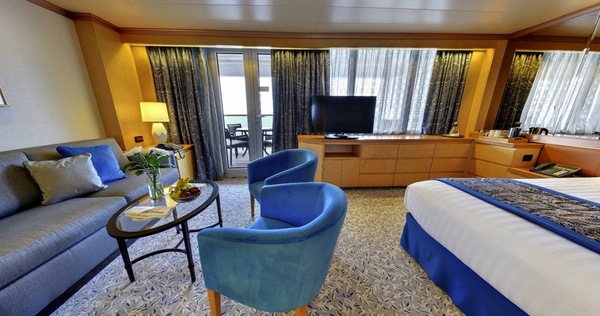
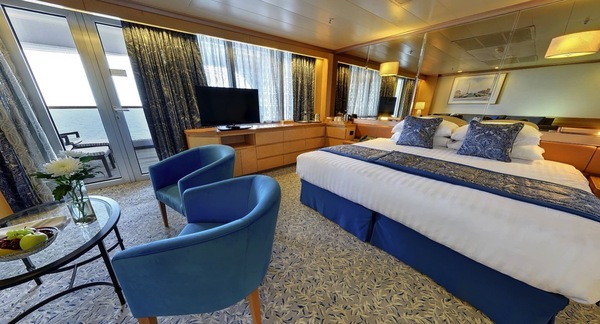
Premier Adapted Suite
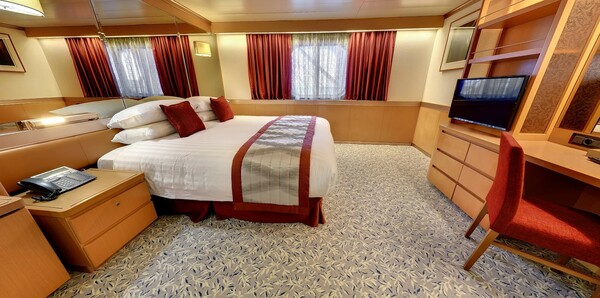
At approximately 568 to 644 square feet in size, Borealis' Premier Adapted Suites are spacious and stylish, and feature all the amenities guests need for a comfortable, restful stay, as well as a few extra touches that help make for a even more special experience.
- Deck: Bridge Deck 7
- Size: 658-644 square feet (approx.)
- Bedroom with king-size bed (single side approach to bed)
- Separate sitting and dressing areas
- Bathroom with bath and roll-in shower
- Private balcony with large table, chairs and sun loungers
- Large floor-to-ceiling windows
- Access to mini bar and fridge
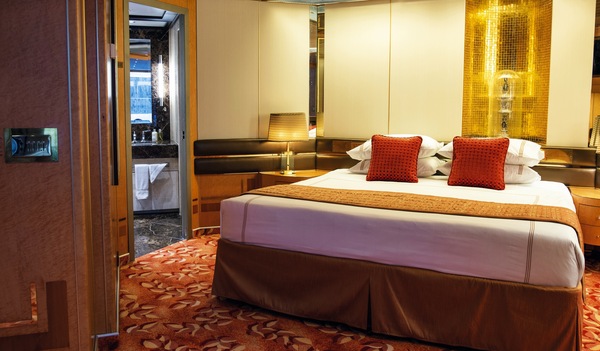
- Guests benefit from complimentary Suite Dreams package
Premier Adapted Suite
-
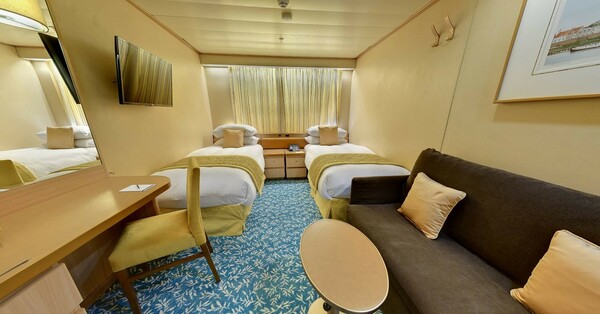
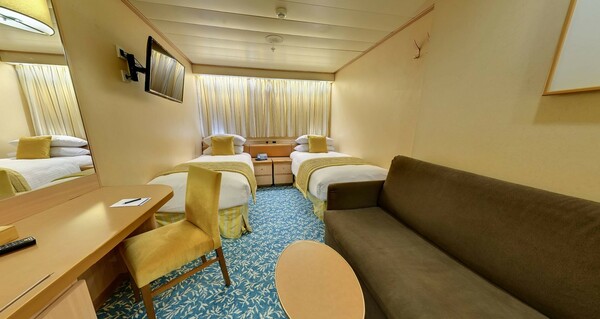
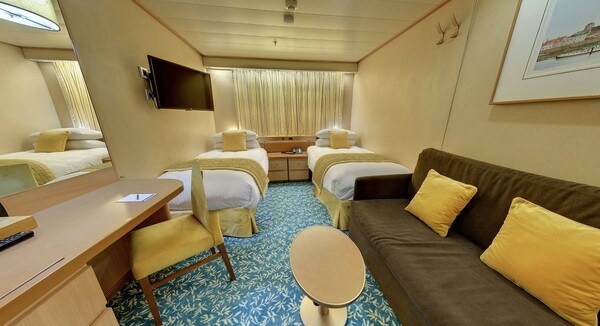
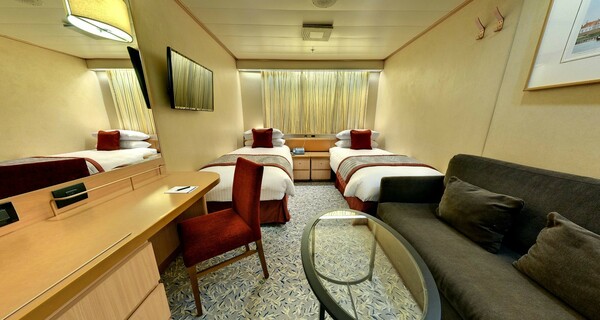
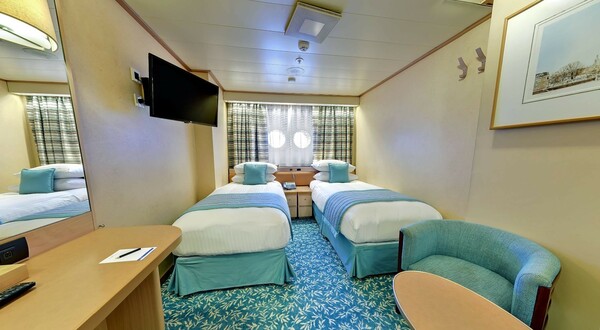
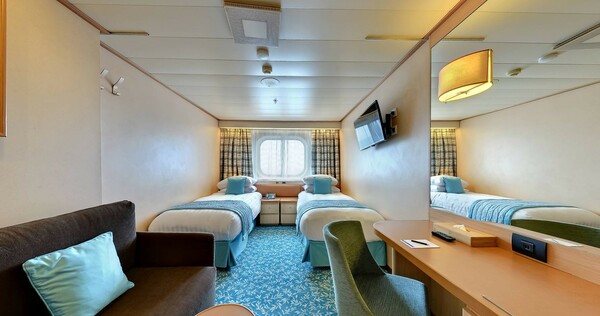
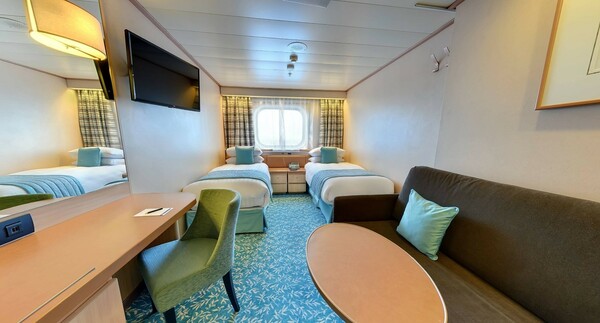
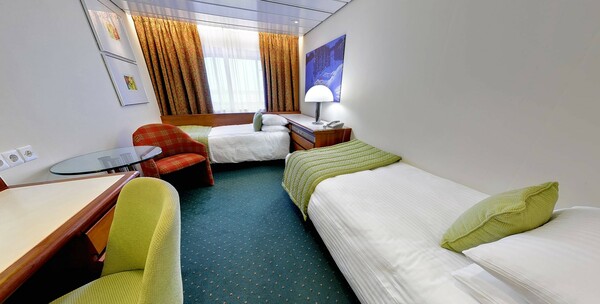
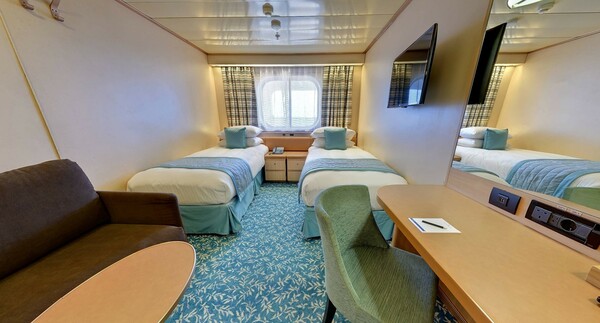
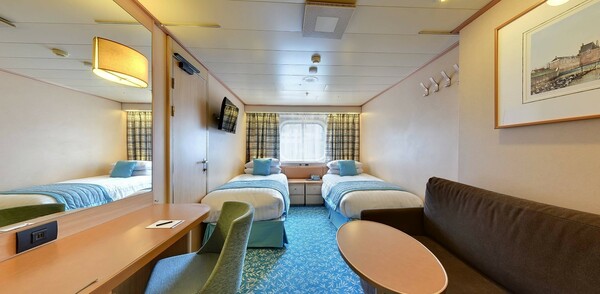
Interior Room
Interior Room (H)
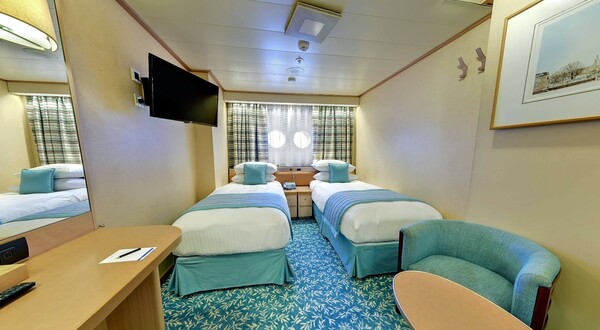
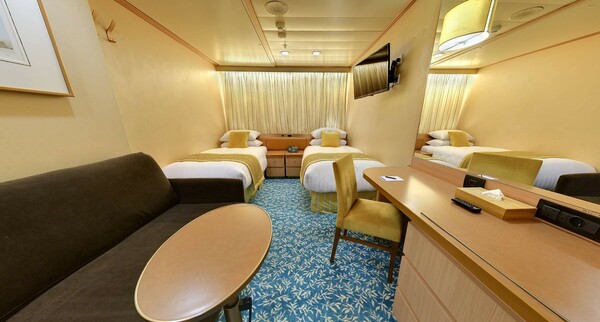
Situated on decks 2 and 1, H Grade Interior cabins on Borealis have all the amenities and comforts guests need, and are positioned close to the ship's stairs and lifts, providing easy access to the other decks and their public areas.
- Deck(s): Coral Deck 2 & Marina Deck 1
- Size: 182 square feet (approx.)
- Bedroom with two single beds (can be converted into a queen-size bed)
- Bathroom with shower
- 4 berth & 3 berth cabins available
Interior Room (I)
Situated on decks 3, 2 and 1, I Grade Interior cabins on Borealis have all the amenities and comforts guests need, and are positioned close to the ship's stairs and lifts, providing easy access to the other decks and their public areas.
- Deck(s): Promenade Deck 3, Coral Deck 2 & Marina Deck 1
- Size: 182 square feet (approx.)
- Bedroom with two single beds (can be converted into a queen-size bed)
- Bathroom with shower
- 4 berth & 3 berth cabins available
Interior Room
Interior Room
-
Single Interior
Situated on decks 2 and 1, N Grade Single Interior cabins on Borealis have all the amenities and comforts guests need, and are positioned close to the ship's stairs and lifts, providing easy access to the other decks and their public areas.
- Deck(s): Coral Deck 2 & Marina Deck 1
- Size: 182 square feet (approx.)
- Bedroom with two single beds (can be converted into a queen-size bed)
- Bathroom with shower
Single Interior
-
Single Superior Interior
Situated on decks 3 & 7, M Grade Single Superior Interior cabins on Borealis have all the amenities and comforts guests need, and are positioned close to the ship's stairs and lifts, providing easy access to the other decks and their public areas.
- Deck: Bridge Deck 7 & Promenade Deck 3
- Size: 182 square feet (approx.)
- Bedroom with two single beds (can be converted into a queen-size bed)
- Bathroom with shower
Single Superior Interior
-
Superior Interior
Situated on decks 6 and 3, G Grade Superior Interior cabins on Borealis have all the amenities and comforts guests need, and are positioned close to the ship's stairs and lifts, providing easy access to the upper decks and their public areas.
- Deck(s): Highland Deck 6 & Promenade Deck 3
- Size: 182 square feet (approx.)
- Bedroom with two single beds (can be converted into a queen-size bed)
- Bathroom with shower
Superior Interior
-
Ocean View (Porthole)
Situated forward and aft on Coral Deck 2 and Marina Deck 1, Borealis' F Grade Ocean View cabins feature porthole windows that not only bathe the interior in natural light, but also provides guests with fantastic ocean views.
- Deck(s): Coral Deck 2 & Marina Deck 1
- Size: 140-214 square feet (approx.)
- Bedroom with two single beds (can be converted into a queen-size bed)
- Bathroom with shower (unless indicated as including a bathtub)
- Porthole windows
Ocean View (Porthole)
-
Single Ocean View
Situated on deck 3, 2 and 1, Borealis' K Grade Single Ocean View cabins provide guests with the comfort of soothing natural light, as well as wonderful ocean views, thanks to their large picture windows.
- Deck(s): Promenade Deck 3, Coral Deck 2 & Marina Deck 1
- Size: 214 square feet (approx.)
- Bedroom with two single beds (can be converted into a queen-size bed)
- Bathroom with shower (unless indicated as including a bathtub)
- Large picture window
Single Ocean View
-
Ocean View
Ocean View (D)
Situated midship on Coral Deck 2 and Marina Deck 1, Borealis' D Grade Ocean View cabins benefit from plenty of soothing natural light and boast fantastic ocean views, provided by a large picture window.
- Deck(s): Coral Deck 2 & Marina Deck 1
- Size: 214 square feet (approx.)
- Bedroom with two single beds (can be converted into a queen-size bed)
- Bathroom with shower (unless indicated as including a bathtub)
- Large picture window
Ocean View (E)
Situated forward and aft on Coral Deck 2 and Marina Deck 1, Borealis' E Grade Ocean View cabins benefit from plenty of soothing natural light and boast fantastic ocean views, provided by a large picture window.
- Deck(s): Coral Deck 2 & Marina Deck 1
- Size: 214 square feet (approx.)
- Bedroom with two single beds (can be converted into a queen-size bed)
- Bathroom with shower (unless indicated as including a bathtub)
- Large picture window
Ocean View
Ocean View
-
Superior Ocean View Fully Restricted
While Borealis' CO Grade Superior Ocean View cabins have a fully obstructed view, they are situated higher on the ship, on Promenade Deck 3, and feature a large picture window that lets natural light in to help create a airy, spacious feel.
- Deck: Promenade Deck 3
- Size: 214 square feet (approx.)
- Bedroom with two single beds (can be converted into a queen-size bed)
- Bathroom with shower
- Large picture window
Superior Ocean View Fully Restricted
-
Superior Ocean View
Superior Ocean View (B)
B Grade Superior Ocean View cabins on Borealis are situated higher on the ship, on deck 3, and feature a large picture window that allows natural light to bathe the stylish interiors and guests to enjoy scenic views in comfort.
- Deck: Promenade Deck 3
- Size: 190 square feet (approx.)
- Bedroom with two single beds (can be converted into a queen-size bed)
- Bathroom with shower (unless indicated as including a bathtub)
- Large picture window
Superior Ocean View (C)
In addition to all the amenities needed for a comfortable, relaxing stay, Borealis' C Grade Superior Ocean View cabins feature a picture window that provides guests with plenty of natural light and fantastic ocean views.
- Deck: Coral Deck 2
- Size: 214 square feet (approx.)
- Bedroom with two single beds (can be converted into a queen-size bed)
- Bathroom with shower (unless indicated as including a bathtub)
Large picture window
Please note that on board Borealis some cabins in this grade may have a partially restricted view from May 27th 2026 onwards. Cabin description is correct for cruises from May 27th 2026 onwards.
Superior Ocean View
Superior Ocean View
-
Terrace Cabin
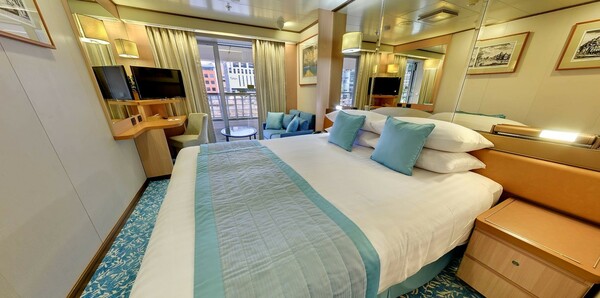
Borealis' Terrace Cabins offer guests the space, natural light and airiness of a Ocean View Cabin, but with the additional benefit of direct access to the Promenade Deck and designated sun loungers – perfect for enjoying the sunshine, scenery and sea breeze.
- Deck: Promenade Deck 3
- Size: 218 square feet (approx.)
- Bedroom with two single beds (can be converted into a queen-size bed)
- Sitting area
- Bathroom with bath and/or shower
- Sliding glass doors with access to Promenade
- Two designated sun loungers
Terrace Cabin
-
Single Balcony Suite
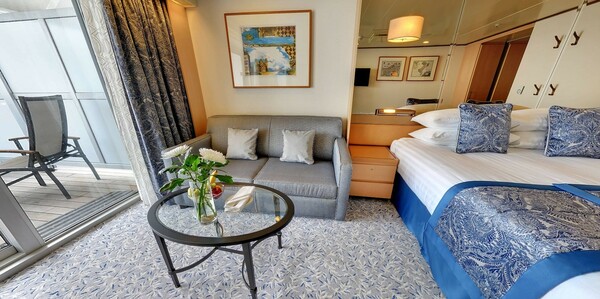
Borealis' Single Balcony Suites are a welcoming, comfortable space. Guests will find ample room to relax, and all the amenities they need during their stay, plus a private balcony for soaking up sunshine and scenery outside.
- Deck: Highland Deck 6
- Size: 244 square feet (approx.)
- Bedroom with two single beds (can be converted to one queen-sized bed)
- Sitting area
- Bathroom with shower (unless indicated as including a bathtub)
- Private balcony
- Floor-to-ceiling windows
- Access to your mini bar and food & drink cooler
- Guests benefit from complimentary Suite Dreams package
Single Balcony Suite
-
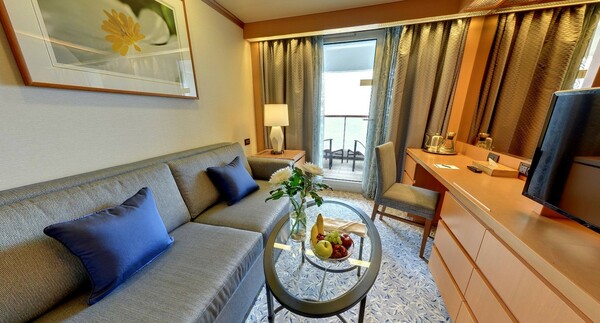
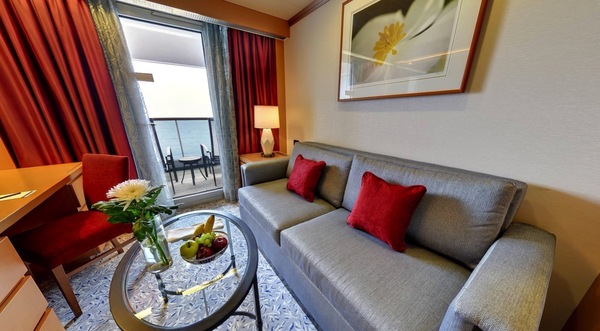
Balcony Junior Suite
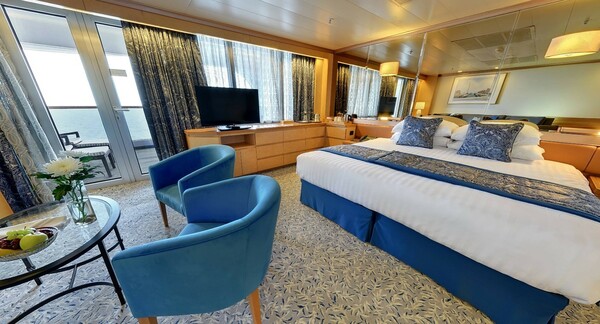
Borealis' Balcony Junior Suites are a welcoming, comfortable space. Guests will find ample room to relax, and all the amenities they need during their stay, plus a private balcony for soaking up sunshine and scenery outside.
- Deck(s): Bridge Deck 7 & Highland Deck 6
- Size: 280 - 290 square feet (approx.)
- Bedroom with two single beds (can be converted to one queen-sized bed)
- Sitting area
- Bathroom with shower (unless indicated as including a bathtub)
- Private balcony
- Floor-to-ceiling windows
- Access to your mini bar and food & drink cooler
- Guests benefit from complimentary Suite Dreams package
Balcony Junior Suite
-
Balcony Suite
The Balcony Suites on Borealis feature all the amenities and comforts guests need during their stay, and provide ample space in which to relax, both indoors and outside on a private balcony.
- Deck(s): Bridge Deck 7 & Highland Deck 6
- Size: 280 - 290 square feet (approx.)
- Bedroom with two single beds (can be converted to one queen-sized bed)
- Separate sitting area
- Bathroom with shower (unless indicated as including a bathtub)
- Private balcony
- Large floor-to-ceiling windows
- Access to your mini bar and food & drink cooler
- Guests benefit from complimentary Suite Dreams package
Balcony Suite
Balcony Suite
-
Premier Suite
At approximately 568 to 644 square feet in size, Borealis' Premier Suites are spacious and stylish, and feature all the amenities guests need for a comfortable, restful stay, as well as a few extra touches that help make for a even more special experience.
- Deck: Bridge Deck 7
- Size: 568-644 square feet (approx.)
- Bedroom with king-size bed
- Separate sitting and dressing areas
- Bathroom with bath and shower
- Private balcony with large table, chairs and sun loungers
- Large floor-to-ceiling windows
- Access to your mini bar and food & drink cooler
- Guests benefit from complimentary Suite Dreams package
Premier Suite
Premier Suite
Premier Suite
Premier Suite
-
Owners Suite
As the largest of Borealis’ suites and cabins, the elegantly appointed Owners Suite offers the most space and amenities of all the guest accommodation on board.
- Deck: Bridge Deck 7
- Size: 1,181 square feet (approx.)
- Bedroom with king-size bed
- Separate sitting, dining and dressing areas
- Bathroom with oversize bath and separate shower
- Private balcony with large table, chairs and sun loungers
- Large floor-to-ceiling windows
- Access to your pantry, mini bar and food & drink cooler
- Guests benefit from complimentary Suite Dreams package
Owners Suite
Owners Suite
Owners Suite
Restaurants
-
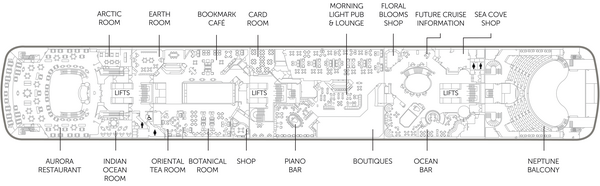
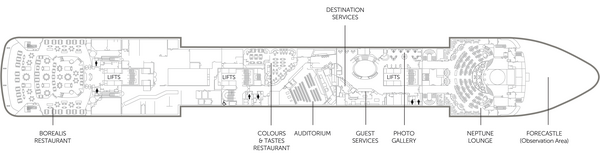
Colours and Tastes
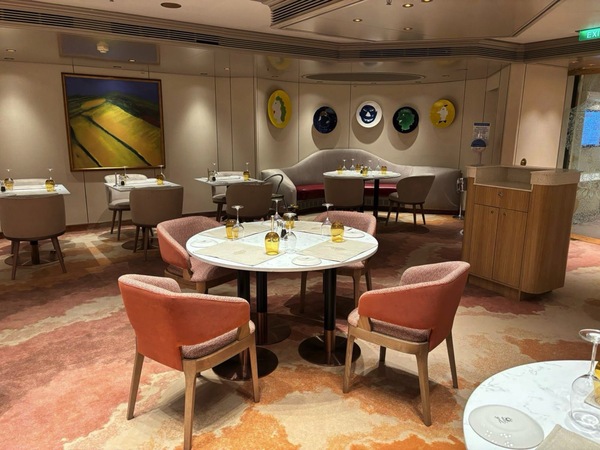
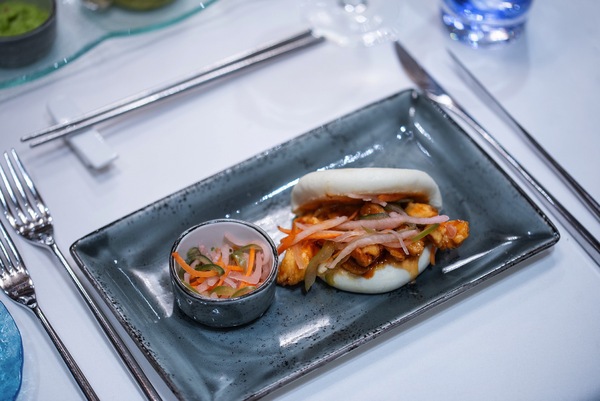
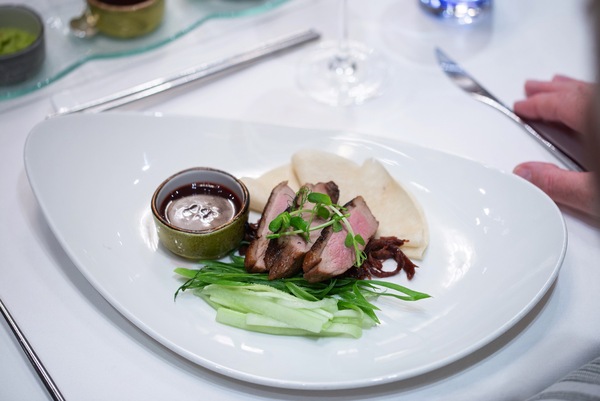
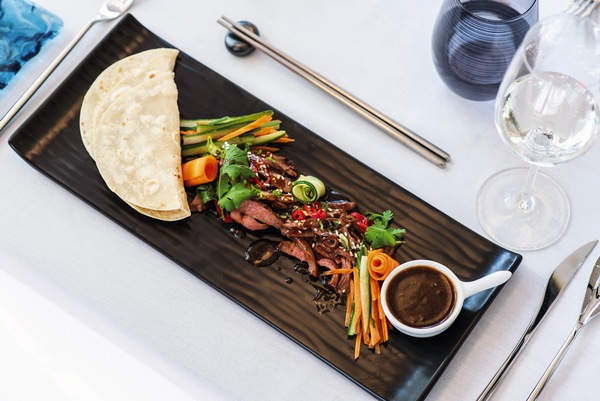
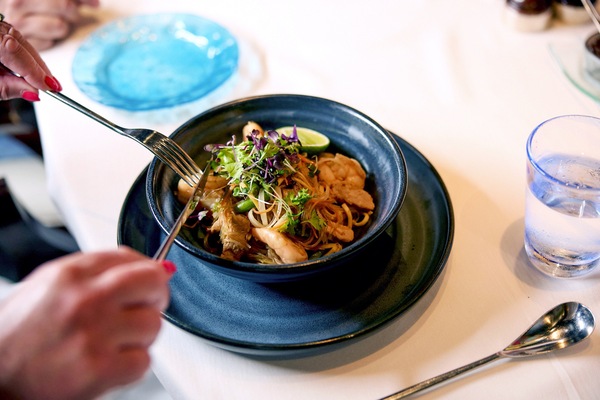
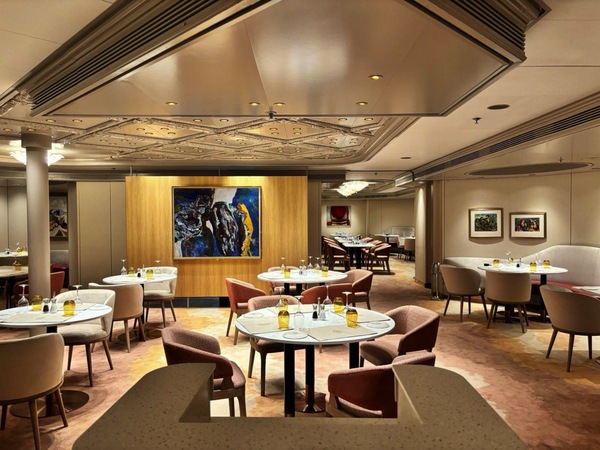
Our Colours & Tastes restaurant features a tempting journey across Asia, blending bold spices, fresh flavours and the fragrant aromas of the East. From delicate stir-fries to rich curries and creative fusion dishes, every plate is crafted to excite the senses. Embrace the spirit of Italy, where timeless recipes and beautifully balanced flavours take centre stage, bringing together comforting pastas, bright seasonal notes and thoughtfully prepared sauces; or experience the full flavour of the grill, where every steak is hand-cut by our in-house butcher, selected by the chef, seasoned with precision and perfectly seared to lock in the flavours. From juicy, succulent steaks and tender, meaty prawns, to delicious plant-based steaks. Each plate delivers the deep, satisfying tastes of an exceptional grill experience.
Colours & Tastes will offer Asian, Grill and Italian menus on a rotation basis.
The price to book before you cruise will be £20pp, or £25pp if booked on board.
-
The View
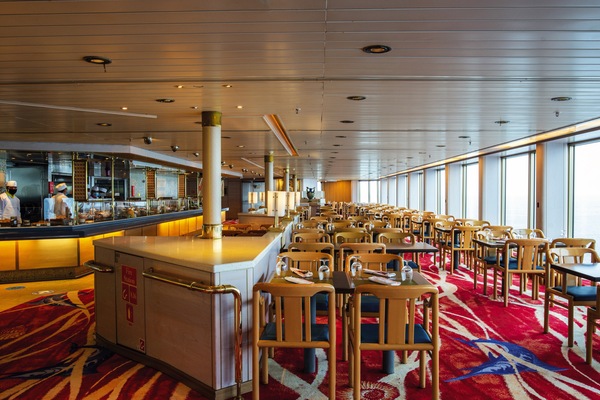
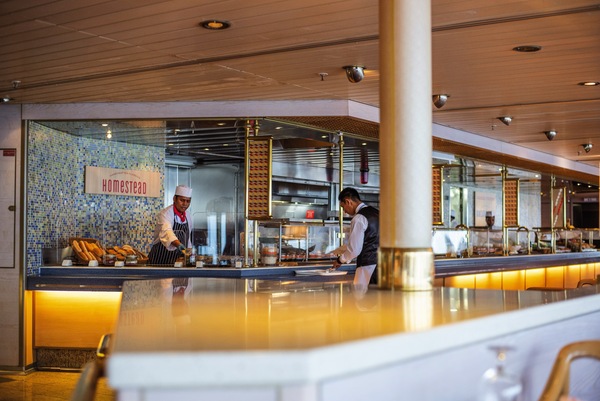
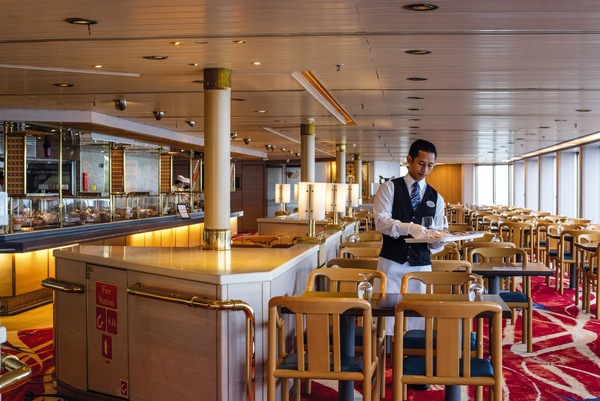
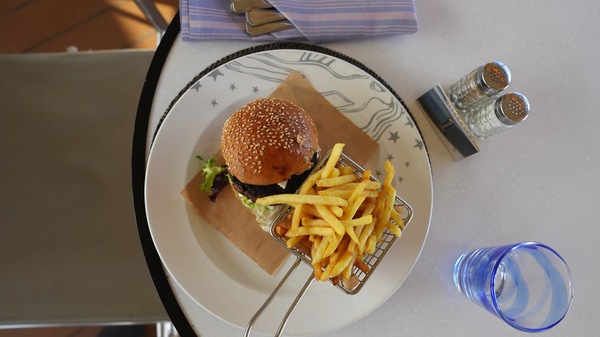
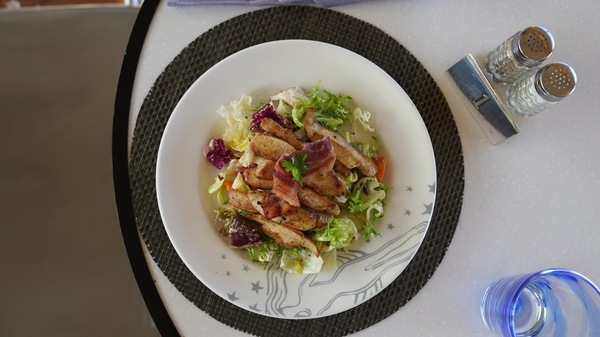
Borealis’ View Restaurant is designed to be easy-going, with a light and open feel and beautiful views of the ocean, no formal dress codes and no set tables.Delicious breakfasts, lunches, afternoon teas and dinners are available at our casual dining experience with table-service drinks, alongside a vast array of choices, all served to you by our on board chefs. Treats of the Region dishes are also available, which are local to the destinations you are visiting, so there’s plenty of opportunities to sample something new.
-
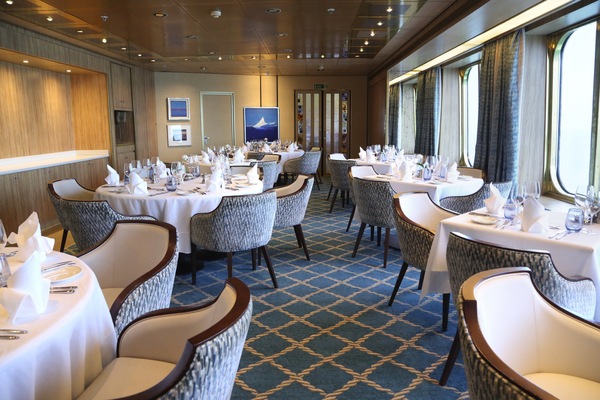
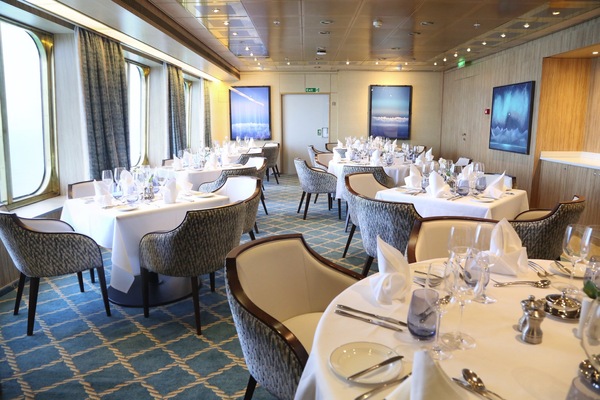
Aurora & Borealis Restaurants
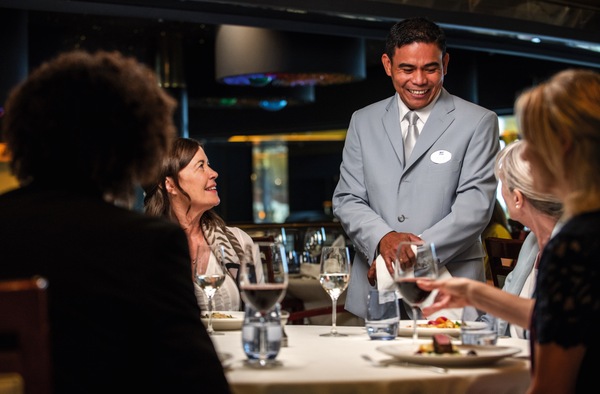
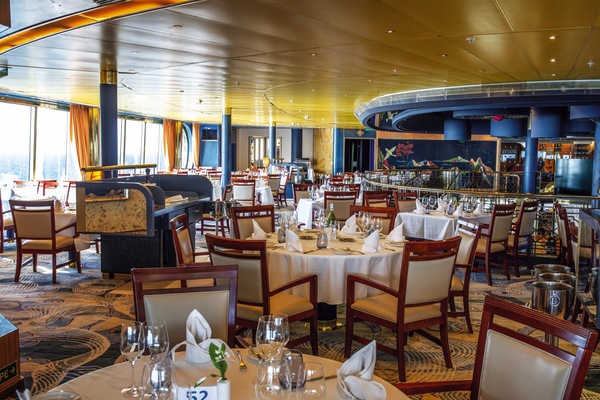
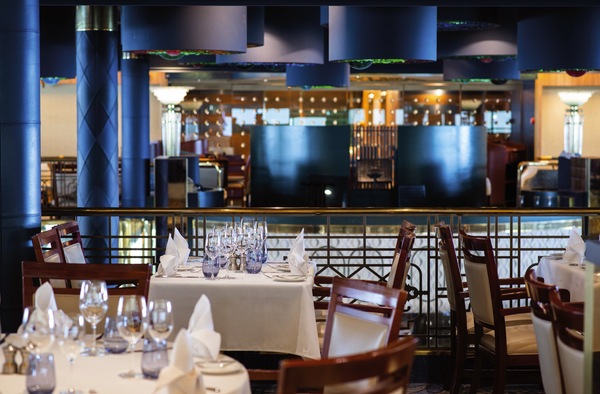
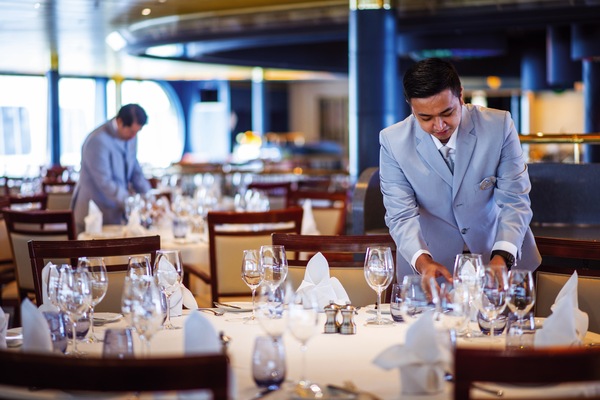
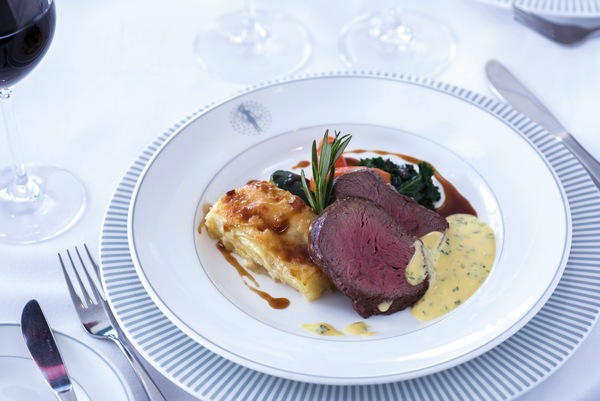
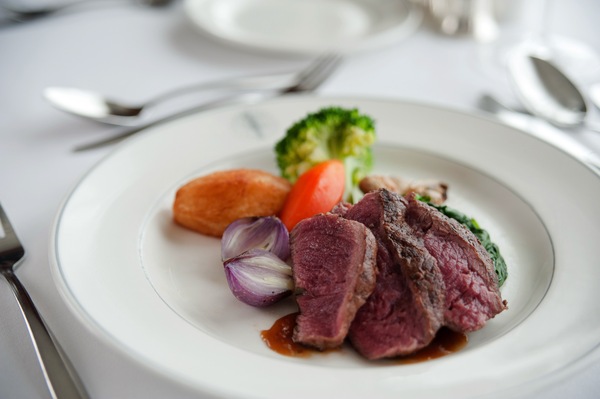
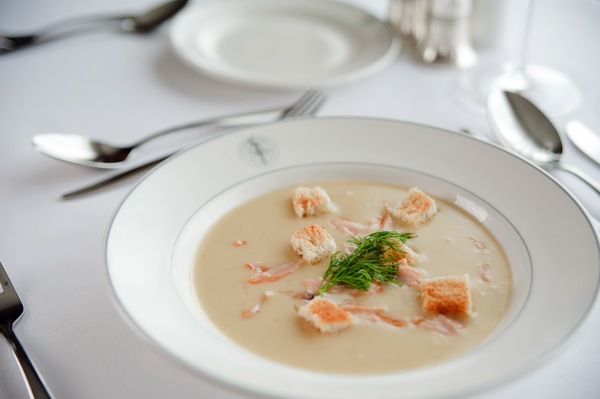
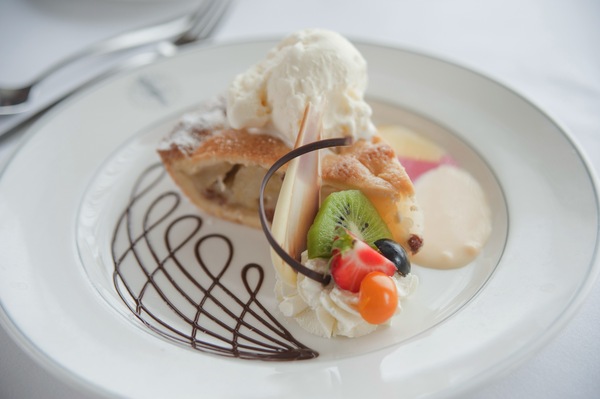
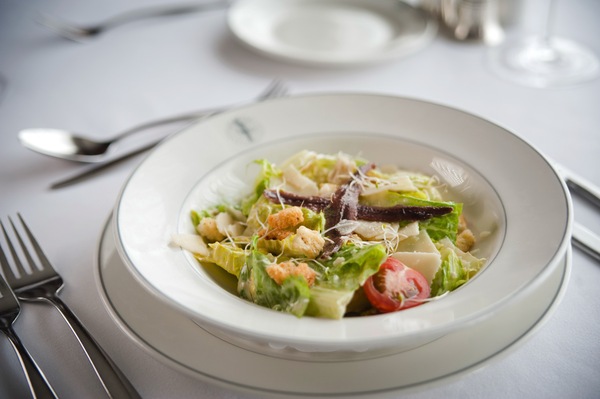
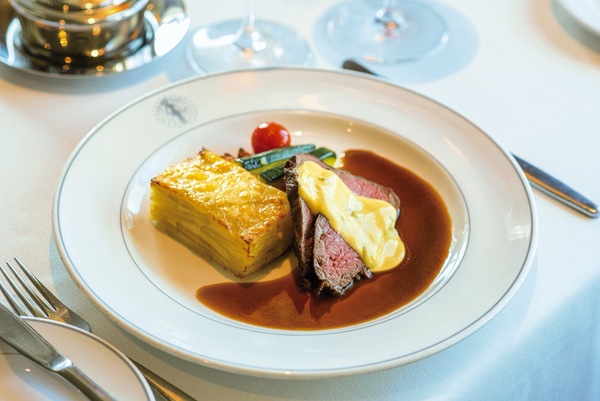
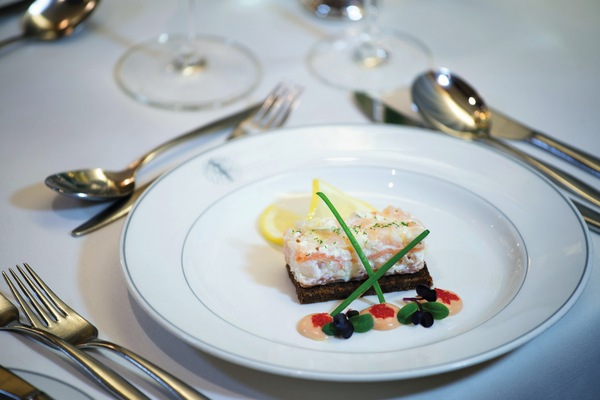
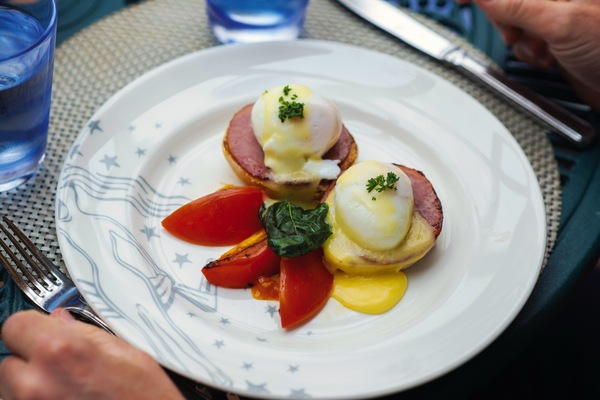
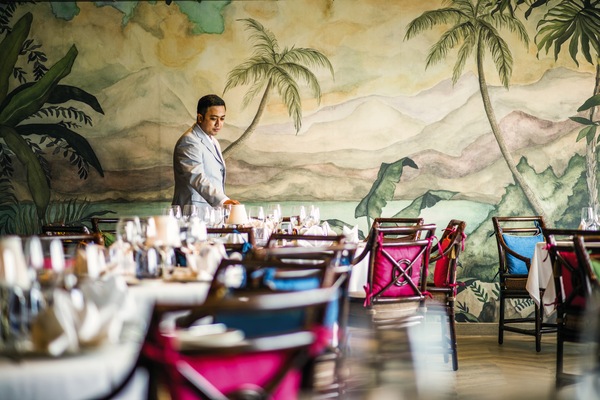
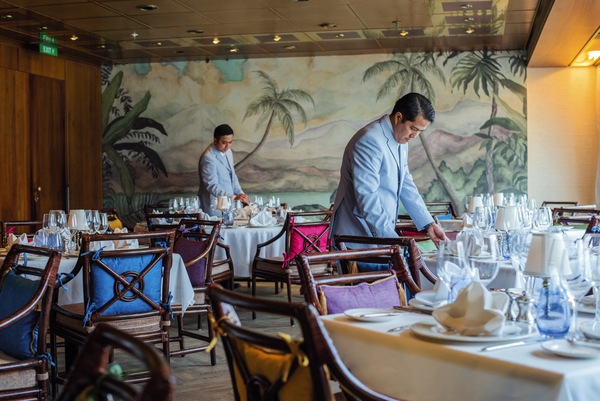
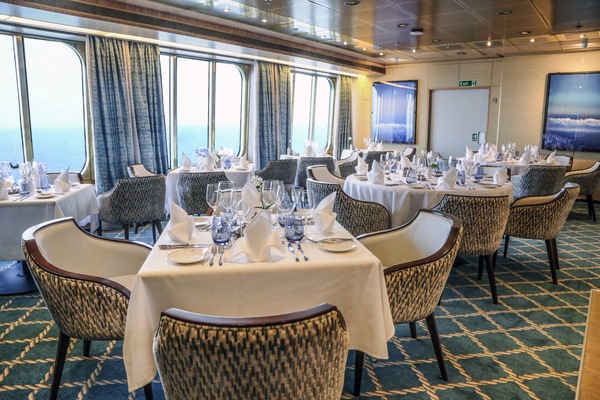
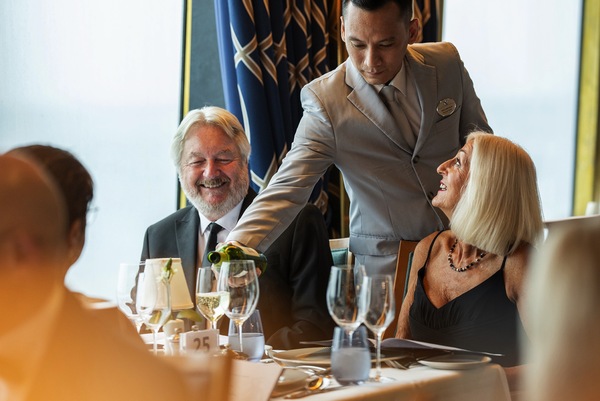
Borealis’ tastefully decorated and spacious two-tiered main restaurants are the focal points of dining on board. Enjoy delicious five-course, á la carte menus of expertly created dishes, prepared and cooked by our team of talented chefs and served to you by our dedicated, attentive waiters. Menus include perfectly cooked steaks and seafood, freshly-made soups, pasta and salads. Plus, there are beautiful homemade breads, made overnight in our on board bakery, to enjoy too.
We highly recommend you try our featured Treats of the Region dishes, designed in line with some of the destinations you are visiting on your cruise.
-
The Poolside
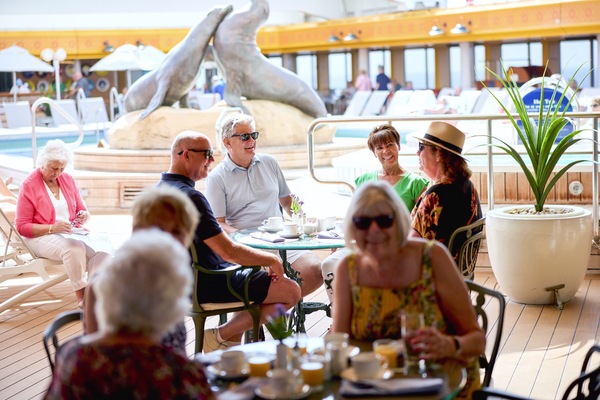
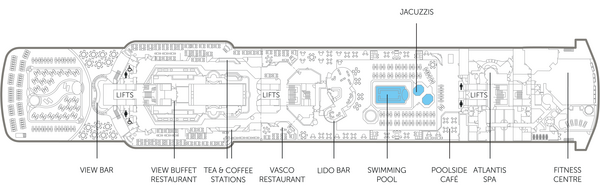
The Poolside Café provides you with the perfect al fresco dining experience to enjoy during your days on board. Enjoy a leisurely late breakfast or a selection of temptingly delicious light bites until 7pm. Depending on the weather conditions, our retractable roof will be open or closed, meaning you can dine there at any time of the year; or on selected sunny days on your cruise, lunch may be an appetising barbecue cooked by our chefs as you relax and enjoy the cocktail or mocktail of the day with friends at the Lido Bar.
-
Indian Ocean Room
For a more intimate dining experience, guests can book a table at Borealis' Indian Ocean Room and enjoy the same five-course á la carte menu of delicious dishes served in the ship's main, two-tiered restaurants, but in a smaller, Indian Ocean-themed venue.
This welcoming and cosy, yet spacious and comfortable venue is a wonderful place in which to indulge with sumptuous dinners, as well as tasty breakfasts and lunches, whilst enjoying ocean views through the large picture windows and the company of loved ones, friends or perhaps a few fellow guests.
-
Fresco
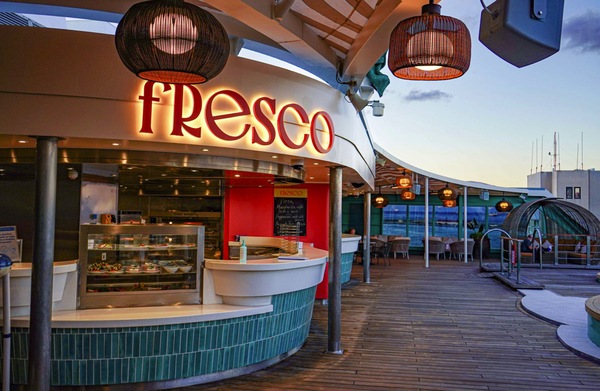
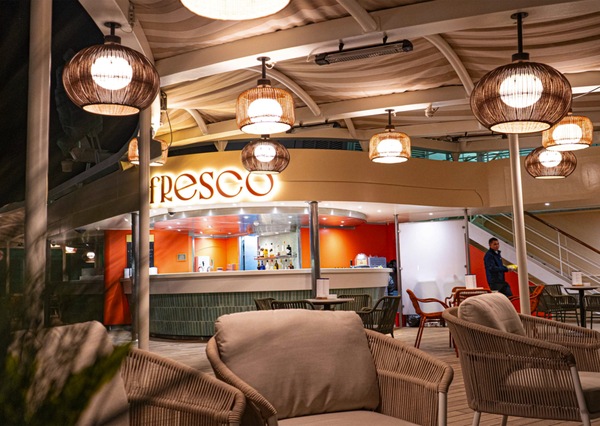
We’re delighted to introduce Fresco, our new Mediterranean-inspired venue with alfresco seating, designed for relaxed, sun-soaked dining and panoramic views. This lovely new area features gently changing ambient light features, a refreshing pediluvio foot spa experience and, weather permitting, a spotlight stage for intimate live performances - perfect for unwinding in warmer cruise destinations. At Fresco, you will bea ble to enjoy a tempting selection of light bites, and on select evenings, the venue will transorm into an inviting lounge deck under the stars.
-
The Arctic Room
Designed to mirror the Indian Ocean Room, the Arctic Room leads into the main Aurora Restaurant. Beautifully decorated with shades of blue and grey to reflect the nature of the Arctic, it’s adorned with Fred. Olsen’s hand-selected artwork collection by Keith Grant, and is the ideal room for intimate meals as well as hosted breakfasts and lunches with our specialist speakers.
-
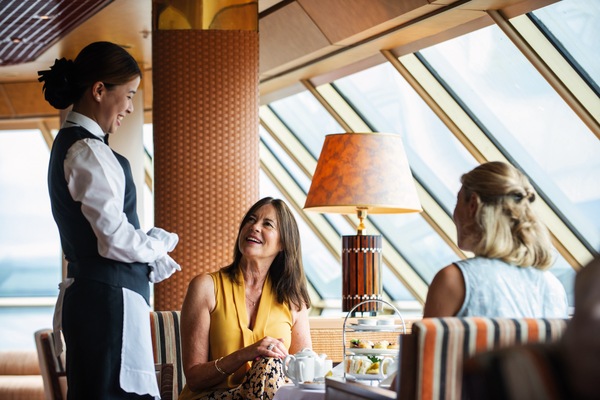
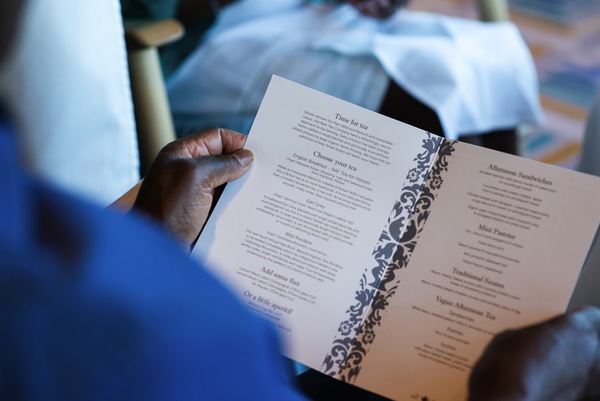
Traditional Afternoon Tea
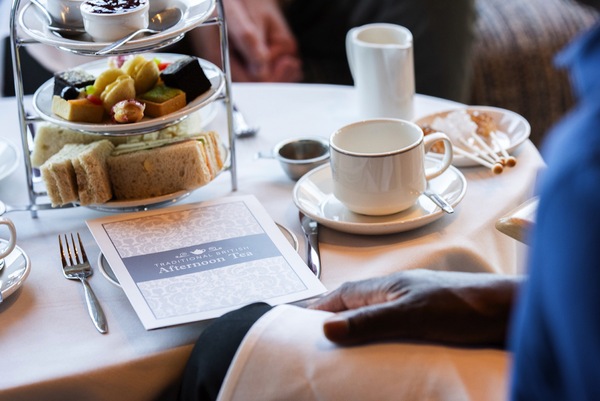
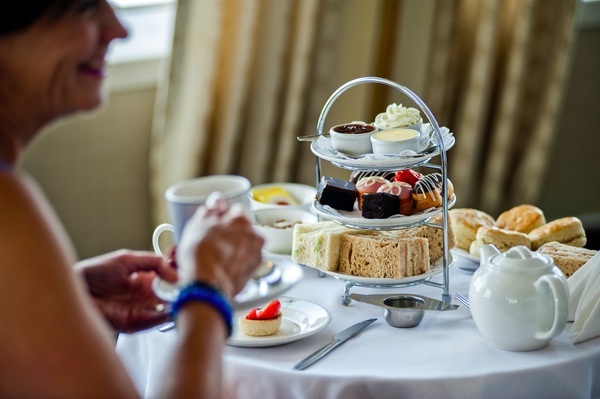
Each day, complimentary afternoon tea is served in the View Restaurant, with a delicious selection of freshly baked sandwiches, scones and cakes, along with fresh tea and coffee.
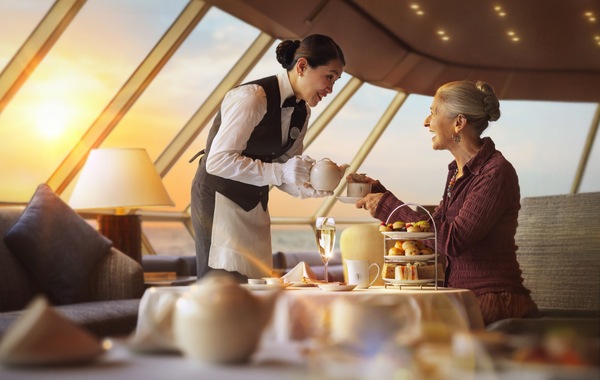
On selected days at sea, guests can book our Traditional Premium Afternoon Tea* experience, which you can enjoy alongside beautiful views from The Observatory's panoramic windows, with musical accompaniment from our on board pianist and the careful attention of our white-gloved waiting team.
-
The Chef’s Table Experience
For true culinary enthusiasts, savour an exclusive multicourse menu crafted by our expert chefs. Complementing each dish are premium wines selected by our on-board Sommelier, who will be on hand throughout the occasion to introduce each pairing and share their expertise. Available to book once on board, this intimate event, from £100pp, offers an extraordinary dining experience.
-
Room Service
All of our suites and cabins have tea and coffee making facilities as standard, so you can enjoy a much-needed tea or coffee first thing or a relaxing drink at the end of the day. Continental breakfast can be ordered in advance for delivery at your preferred time, while snacks are available from 10am onwards.
For those times when you’d like to enjoy something more or prefer not to head to our restaurants, you can also order room service* meals up until 11pm every day, selecting mouthwatering dishes from our menu of freshly prepared pizzas delivered in a box, tempting burgers and hot dogs, club sandwiches, or perhaps sweet treats such as decadent chocolate fudge cake.
Deckplans
-
Sun Deck 10
- Sun Deck
-
Sports Deck 9
- Olsen Art Studio
- Sports Courts
- Retractable Roof
- Observatory
-
Lido Deck 8
- Fresco
- View Buffet Restaurant
- Tea & Coffee Stations
- Vasco Restaurant
- Lido Bar
- Swimming Pool
- Jacuzzis
- Poolside Café
- Atlantis Spa
- Fitness Centre
-
Bridge Deck 7
- Balcony Junior Suite (1 Accessible Suites)
- Balcony Suite
- Premier Suite (2 Accessible Suites)
- Olsen Suite
- Single Superior Interior Cabin
-
Highland Deck 6
- Lookout (Observation area)
- Balcony Junior Suite
- Superior Interior Cabin
- Balcony Suite
- Single Balcony Suite
- Superior Ocean View (1 Accessible Cabin)
- Superior Interior Cabin
-
Lounge Deck 5
- Aurora Restaurant
- Indian Ocean Room
- Arctic Room
- Earth Room
- Oriental Tea Room
- Bookmark Café
- Botanical Room
- Card Room
- Shop
- Piano Bar
- Morning Light Pub & Lounge
- Boutiques
- Floral Blooms Shop
- Future Cruises Information
- Ocean Bar
- Sea Cove Shop
- Neptune Balcony
-
Main Deck 4
- Borealis Restaurant
- Colours & Tastes Restaurant
- Auditorium
- Destination Services
- Guest Services
- Photo Gallery
- Neptune Lounge
- Forecastle (Observation Area)
-
Promenade Deck 3
- Superior Ocean View
- Interior Cabin
- Terrace Cabin
- Superior Interior Cabin
- Single Ocean View
- Forecastle Access
-
Coral Deck 2
- Ocean View
- Superior Ocean View
- Single Ocean View
- Interior Cabin
- Single Interior Cabin
- Laundry Room
-
Marina Deck 1
- Ocean View (2 Accessible Cabins)
- Single Ocean View
- Interior Cabin
- Single Interior Cabin
- Medical Centre
Ready to Book?
For more information; please contact our Cruise specialists who will be delighted to help you plan your next holiday.
Call us on 01625 858158 Request Availability & PriceSign up to our Newsletter for exclusive offers and receive up to £250 off your next holiday.
For New Subscribers Only.