-
Mediterranean Fly-Cruise
Azura, P&O Cruises
BOOK WITH CONFIDENCE
Family run business established in 1983. ABTA & ATOL Protected.
COMPETITIVELY PRICED
We work closely with our travel partners to secure the best holiday price available.
KNOWLEDGE & SERVICE
Our extensively travelled team are here to ensure you receive the very best advice and first-class service.
Azura
Departure: 14/05/2026
Duration: 15 Days
Roundtrip from Valletta
Itinerary
Mediterranean Fly-Cruise
-
Day 1 Valletta, Malta 14 May 2026 (Thursday)
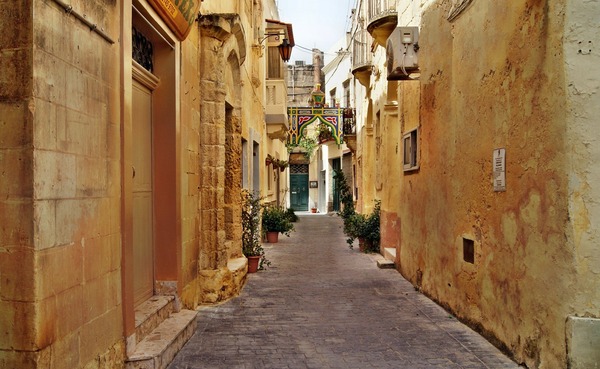
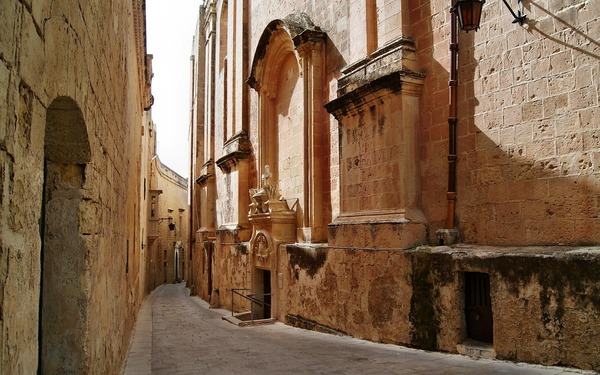
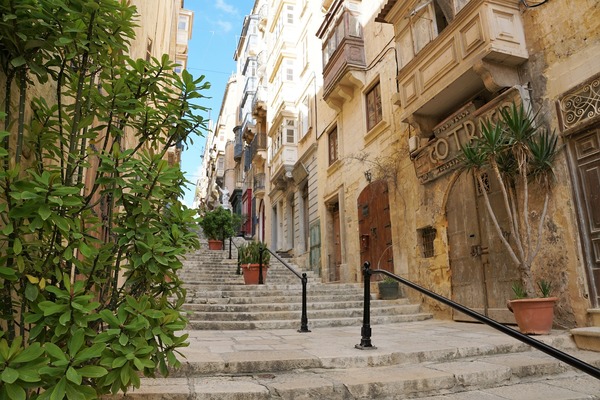
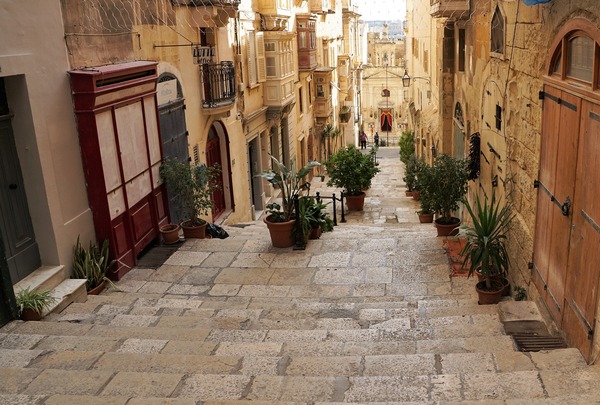
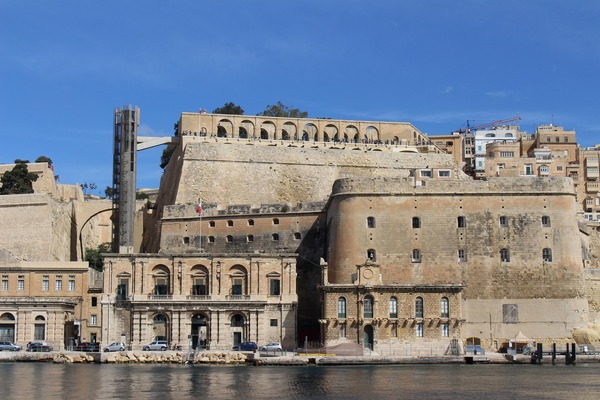
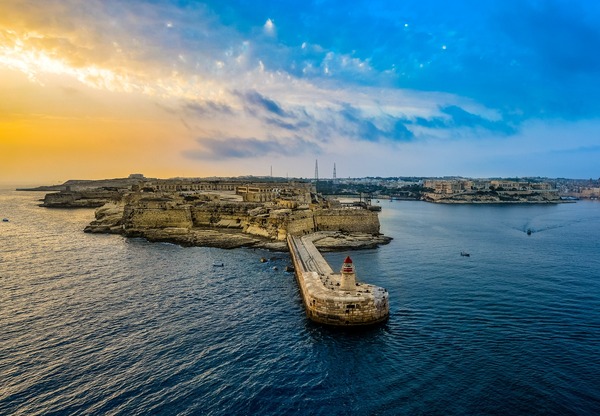
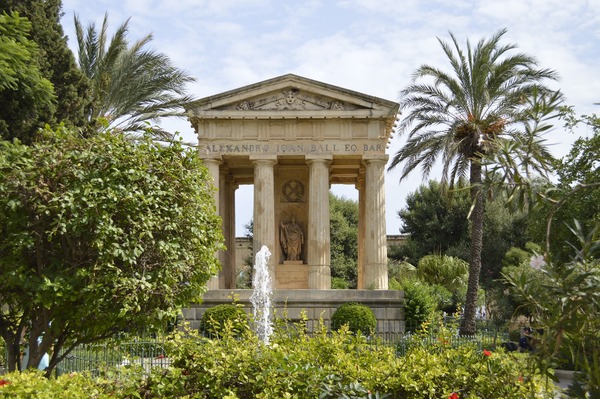
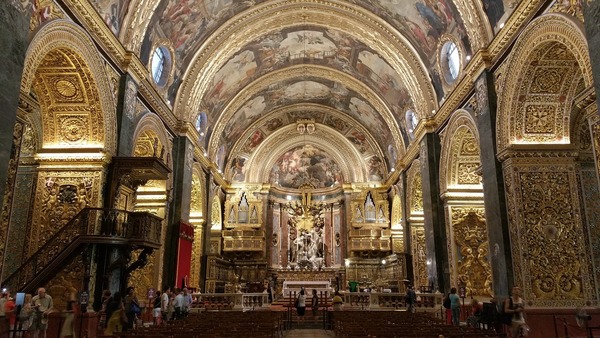
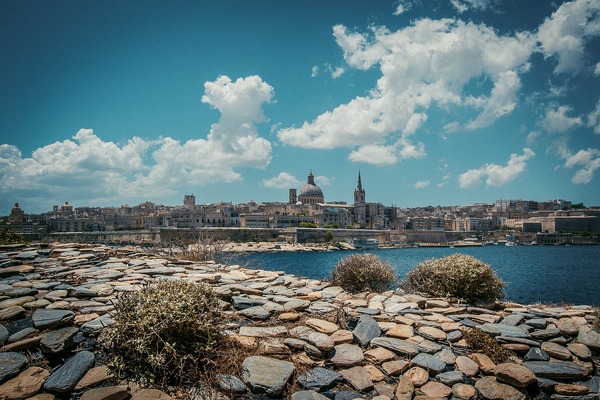
Malta's capital, the minicity of Valletta, has ornate palaces and museums protected by massive fortifications of honey-color limestone. Houses along the narrow streets have overhanging wooden balconies for people-watching from indoors. Generations ago they gave housebound women a window on the world of the street. The main entrance to town is through the City Gate (where all bus routes end), which leads onto Triq Repubblika (Republic Street), the spine of the grid-pattern city and the main shopping street. Triq Mercante (Merchant Street) parallels Repubblika to the east and is also good for st... See more
-
Day 3 Korčula, Croatia 16 May 2026 (Saturday)
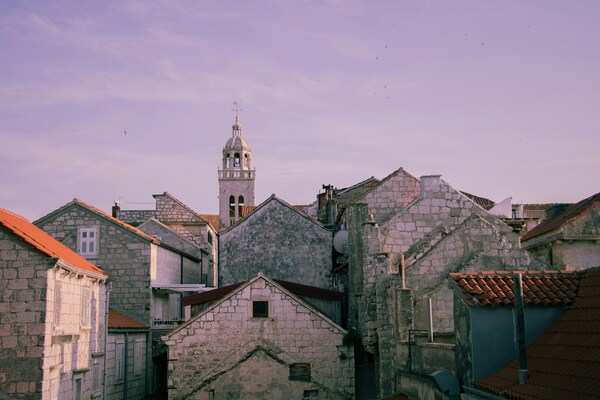
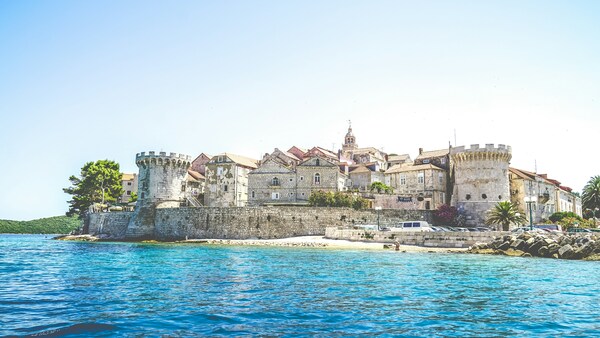
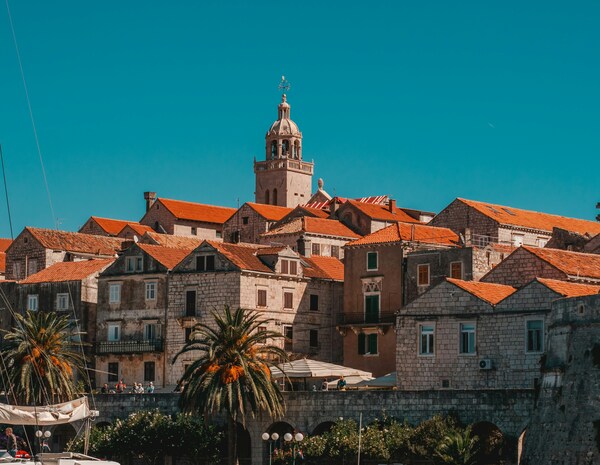
Off the coast of Croatia in the southern Adriatic Sea lie some thousand islands and the largest of them, Korçula, is considered the most beautiful. With an average of 3,000 hours of sunshine per annum, which guarantees a wide assortment of Mediterranean vegetation, it is not difficult to understand why seasoned travelers compare Korçula to a latter-day Eden. Separated from the mainland by a channel of only one mile, Korçula's main town, named the same as the island, ranks among the best preserved medieval towns in the Mediterranean. It is the island's main tourist, economic and cultural center... See moreOff the coast of Croatia in the southern Adriatic Sea lie some thousand islands and the largest of them, Korçula, is considered the most beautiful. With an average of 3,000 hours of sunshine per annum, which guarantees a wide assortment of Mediterranean vegetation, it is not difficult to understand why seasoned travelers compare Korçula to a latter-day Eden. Separated from the mainland by a channel of only one mile, Korçula's main town, named the same as the island, ranks among the best preserved medieval towns in the Mediterranean. It is the island's main tourist, economic and cultural center. Thanks to its strategic location along the sea trade routes, Korçula has always attracted travelers and settlers. Korcula was founded by Greek colonists, who were followed by Illyrians, Romans and finally the Croats. The Korçula Statute of 1214 is one of the oldest legal documents to have been adopted in this part of Europe. The same century saw the birth of the famous world traveler, Marco Polo. The house said to be his birthplace can be seen in town. Korçulans have always been known as keen seafarers, excellent shipbuilders, stonemasons and artists. From their many voyages, sailors brought back new ideas, which eventually mixed with local customs. To this day, Korçula has maintained the tradition of performing knightly games such as the chivalrous Moreska dance, which has been in existence for more than 400 years. Visitors to Korçula enjoy its stunning location, natural beauty and medieval ambiance. And if that's not enough, the town offers numerous attractions that are within walking distance from the pier, including the City Museum and the Bishop's Treasury.
See less -
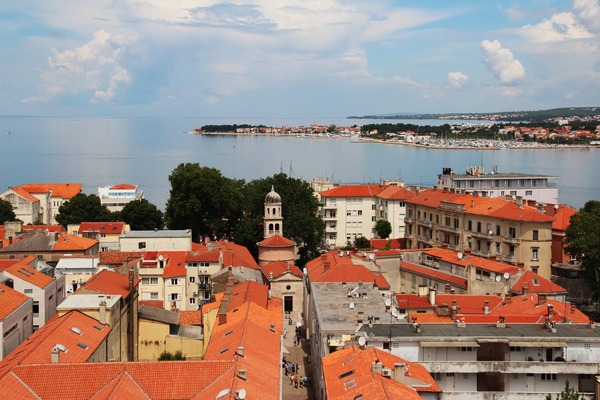
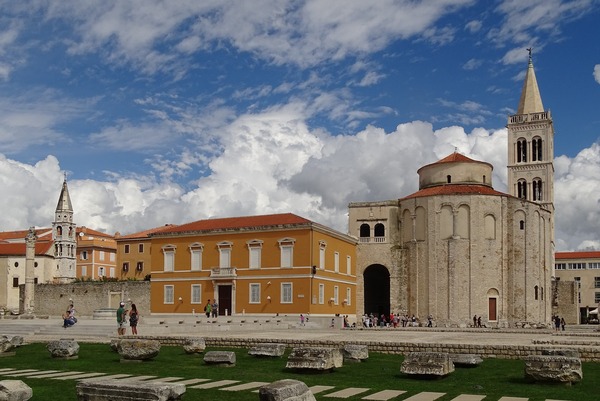
Day 4 Zadar, Croatia 17 May 2026 (Sunday)
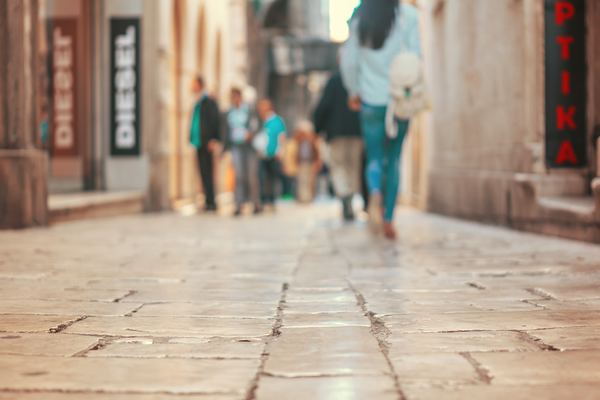
Dalmatia's capital for more than 1,000 years, Zadar is all too often passed over by travelers on their way to Split or Dubrovnik. What they miss out on is a city of more than 73,000 that is remarkably lovely and lively despite—and, in some measure, because of—its tumultuous history. The Old Town, separated from the rest of the city on a peninsula some 4 km (2½ miles) long and just 1,640 feet wide, is bustling and beautiful: the marble pedestrian streets are replete with Roman ruins, medieval churches, palaces, museums, archives, and libraries. Parts of the new town are comparatively dreary, a... See moreDalmatia's capital for more than 1,000 years, Zadar is all too often passed over by travelers on their way to Split or Dubrovnik. What they miss out on is a city of more than 73,000 that is remarkably lovely and lively despite—and, in some measure, because of—its tumultuous history. The Old Town, separated from the rest of the city on a peninsula some 4 km (2½ miles) long and just 1,640 feet wide, is bustling and beautiful: the marble pedestrian streets are replete with Roman ruins, medieval churches, palaces, museums, archives, and libraries. Parts of the new town are comparatively dreary, a testament to what a world war followed by decades of communism, not to mention a civil war, can do to the architecture of a city that is 3,000 years old. A settlement had already existed on the site of the present-day city for some 2,000 years when Rome finally conquered Zadar in the 1st century BC; the foundations of the forum can be seen today. Before the Romans came the Liburnians had made it a key center for trade with the Greeks and Romans for 800 years. In the 3rd century BC the Romans began to seriously pester the Liburnians, but required two centuries to bring the area under their control. During the Byzantine era, Zadar became the capital of Dalmatia, and this period saw the construction of its most famous church, the 9th-century St. Donat's Basilica. It remained the region's foremost city through the ensuing centuries. The city then experienced successive onslaughts and occupations—both long and short—by the Osogoths, the Croatian-Hungarian kings, the Venetians, the Turks, the Habsburgs, the French, the Habsburgs again, and finally the Italians before becoming part of Yugoslavia and, in 1991, the independent republic of Croatia. Zadar was for centuries an Italian-speaking city, and Italian is still spoken widely, especially by older people. Indeed, it was ceded to Italy in 1921 under the Treaty of Rapallo (and reverted to its Italian name of Zara). Its occupation by the Germans from 1943 led to intense bombing by the Allies during World War II, which left most of the city in ruins. Zadar became part of Tito's Yugoslavia in 1947, prompting many Italian residents to leave. Zadar's most recent ravages occurred during a three-month siege by Serb forces and months more of bombardment during the Croatian-Serbian war between 1991 and 1995. But you'd be hard-pressed to find outward signs of this today in what is a city to behold. There are helpful interpretive signs in English all around the Old Town, so you certainly won't feel lost when trying to make sense of the wide variety of architectural sites you might otherwise pass by with only a cursory look.
See less -

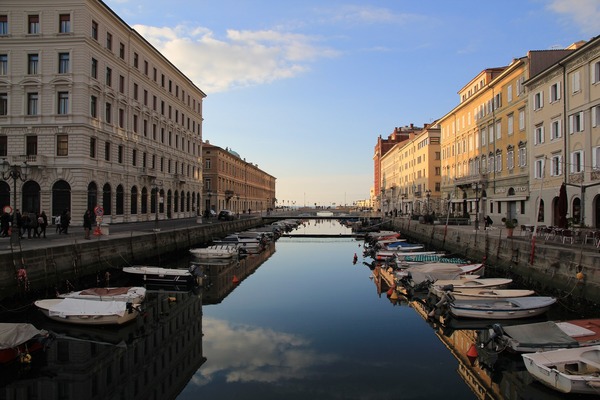
Day 5 Trieste, Italy 18 May 2026 (Monday)
Up until the end of World War I, Trieste was the only port of the vast Austro-Hungarian Empire and therefore a major industrial and financial center. In the early years of the 20th century, Trieste and its surroundings also became famous by their association with some of the most important names of Italian literature, such as Italo Svevo, and English and German letters. James Joyce drew inspiration from the city's multiethnic population, and Rainer Maria Rilke was inspired by the seacoast west of the city. Although it has lost its importance as a port and a center of finance, it has never full... See moreUp until the end of World War I, Trieste was the only port of the vast Austro-Hungarian Empire and therefore a major industrial and financial center. In the early years of the 20th century, Trieste and its surroundings also became famous by their association with some of the most important names of Italian literature, such as Italo Svevo, and English and German letters. James Joyce drew inspiration from the city's multiethnic population, and Rainer Maria Rilke was inspired by the seacoast west of the city. Although it has lost its importance as a port and a center of finance, it has never fully lost its roll as an intellectual center. The streets hold a mix of monumental, neoclassical, and art-nouveau architecture built by the Austrians during Trieste's days of glory, granting an air of melancholy stateliness to a city that lives as much in the past as the present.
See less -
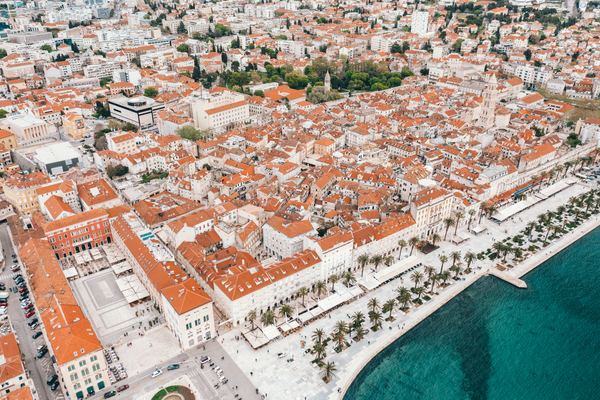
Day 6 Split, Croatia 19 May 2026 (Tuesday)
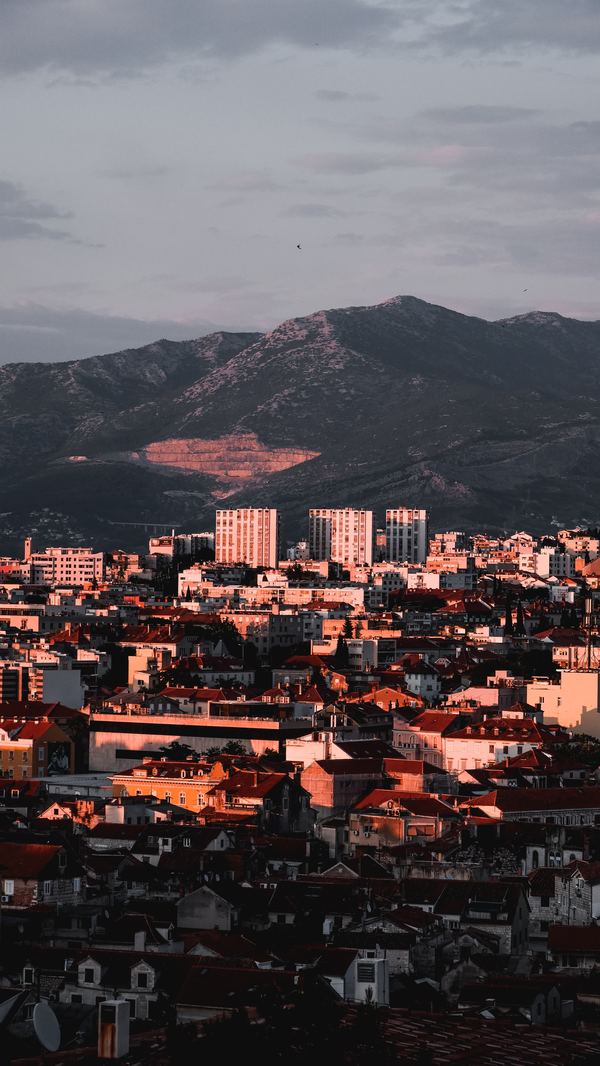
Split's ancient core is so spectacular and unusual that a visit is more than worth your time. The heart of the city lies within the walls of Roman emperor Diocletian's retirement palace, which was built in the 3rd century AD. Diocletian, born in the nearby Roman settlement of Salona in AD 245, achieved a brilliant career as a soldier and became emperor at the age of 40. In 295 he ordered this vast palace to be built in his native Dalmatia, and when it was completed he stepped down from the throne and retired to his beloved homeland. Upon his death, he was laid to rest in an octagonal mausoleum... See moreSplit's ancient core is so spectacular and unusual that a visit is more than worth your time. The heart of the city lies within the walls of Roman emperor Diocletian's retirement palace, which was built in the 3rd century AD. Diocletian, born in the nearby Roman settlement of Salona in AD 245, achieved a brilliant career as a soldier and became emperor at the age of 40. In 295 he ordered this vast palace to be built in his native Dalmatia, and when it was completed he stepped down from the throne and retired to his beloved homeland. Upon his death, he was laid to rest in an octagonal mausoleum, around which Split's magnificent cathedral was built.In 615, when Salona was sacked by barbarian tribes, those fortunate enough to escape found refuge within the stout palace walls and divided up the vast imperial apartments into more modest living quarters. Thus, the palace developed into an urban center, and by the 11th century the settlement had expanded beyond the ancient walls.Under the rule of Venice (1420–1797), Split—as a gateway to the Balkan interior—became one of the Adriatic's main trading ports, and the city's splendid Renaissance palaces bear witness to the affluence of those times. When the Habsburgs took control during the 19th century, an overland connection to Central Europe was established by the construction of the Split–Zagreb–Vienna railway line.After World War II, the Tito years saw a period of rapid urban expansion: industrialization accelerated and the suburbs extended to accommodate high-rise apartment blocks. Today the historic center of Split is included on UNESCO's list of World Heritage Sites.
See less -
Day 8 Valletta, Malta 21 May 2026 (Thursday)
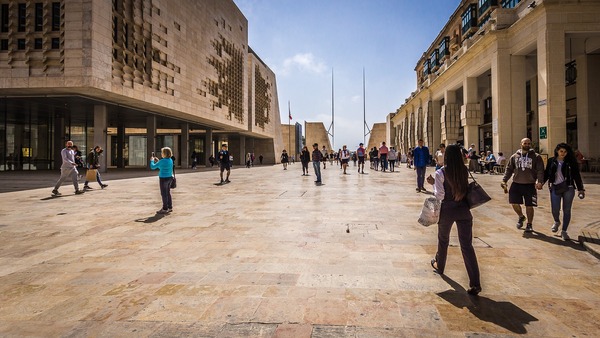
Malta's capital, the minicity of Valletta, has ornate palaces and museums protected by massive fortifications of honey-color limestone. Houses along the narrow streets have overhanging wooden balconies for people-watching from indoors. Generations ago they gave housebound women a window on the world of the street. The main entrance to town is through the City Gate (where all bus routes end), which leads onto Triq Repubblika (Republic Street), the spine of the grid-pattern city and the main shopping street. Triq Mercante (Merchant Street) parallels Repubblika to the east and is also good for st... See moreMalta's capital, the minicity of Valletta, has ornate palaces and museums protected by massive fortifications of honey-color limestone. Houses along the narrow streets have overhanging wooden balconies for people-watching from indoors. Generations ago they gave housebound women a window on the world of the street. The main entrance to town is through the City Gate (where all bus routes end), which leads onto Triq Repubblika (Republic Street), the spine of the grid-pattern city and the main shopping street. Triq Mercante (Merchant Street) parallels Repubblika to the east and is also good for strolling. From these two streets, cross streets descend toward the water; some are stepped. Valletta's compactness makes it ideal to explore on foot. City Gate and the upper part of Valletta are experiencing vast redevelopment that includes a new Parliament Building and open-air performance venue. The complex, completed mid-2013, has numerous pedestrian detours in place along with building noise and dust. Before setting out along Republic Street, stop at the tourist information office on Merchant Street for maps and brochures.
See less -
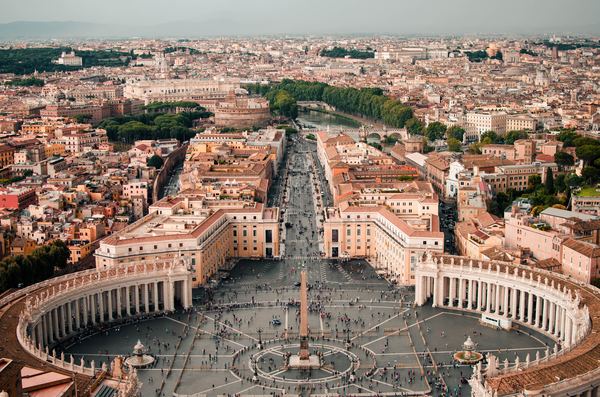
Day 10 Civitavecchia, Italy 23 May 2026 (Saturday)
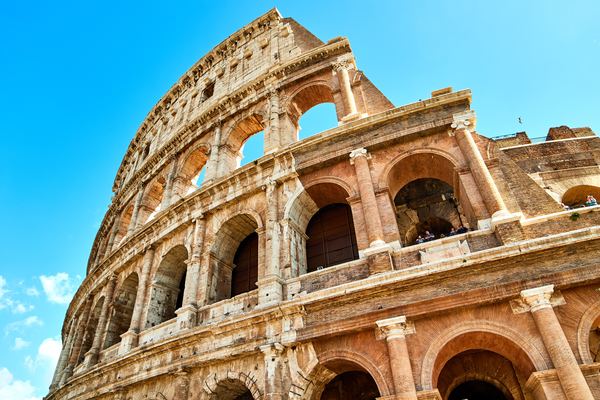
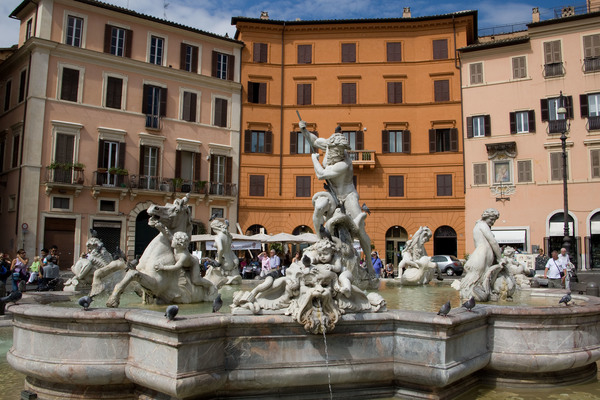
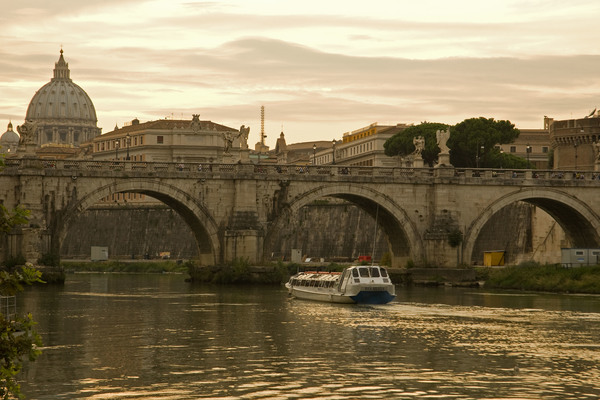
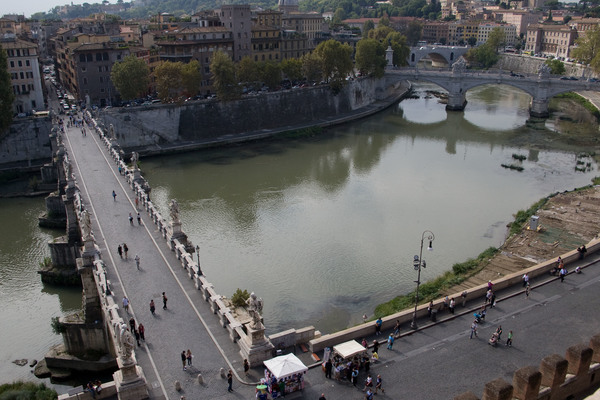
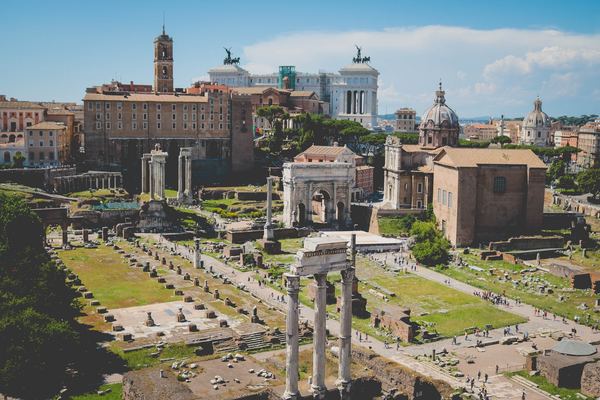
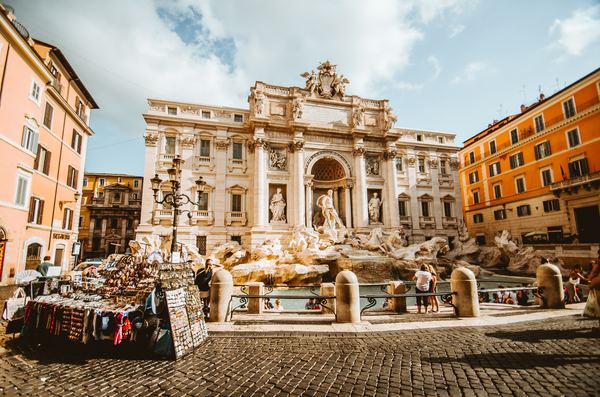
Italy's vibrant capital lives in the present, but no other city on earth evokes its past so powerfully. For over 2,500 years, emperors, popes, artists, and common citizens have left their mark here. Archaeological remains from ancient Rome, art-stuffed churches, and the treasures of Vatican City vie for your attention, but Rome is also a wonderful place to practice the Italian-perfected il dolce far niente, the sweet art of idleness. Your most memorable experiences may include sitting at a caffè in the Campo de' Fiori or strolling in a beguiling piazza.Italy's vibrant capital lives in the present, but no other city on earth evokes its past so powerfully. For over 2,500 years, emperors, popes, artists, and common citizens have left their mark here. Archaeological remains from ancient Rome, art-stuffed churches, and the treasures of Vatican City vie for your attention, but Rome is also a wonderful place to practice the Italian-perfected il dolce far niente, the sweet art of idleness. Your most memorable experiences may include sitting at a caffè in the Campo de' Fiori or strolling in a beguiling piazza.
See less -
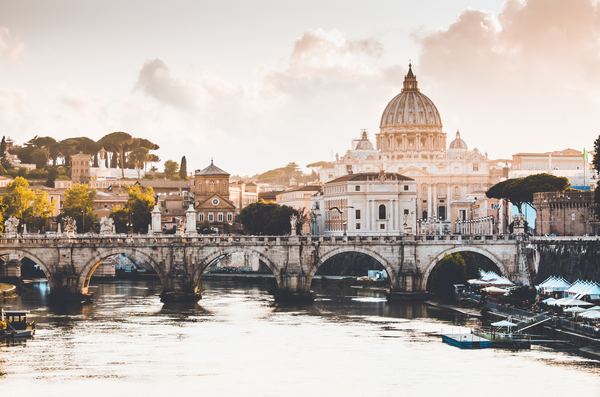
Day 11 Livorno, Italy 24 May 2026 (Sunday)
Livorno is a gritty city with a long and interesting history. In the early Middle Ages it alternately belonged to Pisa and Genoa. In 1421 Florence, seeking access to the sea, bought it. Cosimo I (1519–74) started construction of the harbor in 1571, putting Livorno on the map. After Ferdinando I de' Medici (1549–1609) proclaimed Livorno a free city, it became a haven for people suffering from religious persecution; Roman Catholics from England and Jews and Moors from Spain and Portugal, among others, settled here. The Quattro Mori (Four Moors), also known as the Monument to Ferdinando I, commem... See moreLivorno is a gritty city with a long and interesting history. In the early Middle Ages it alternately belonged to Pisa and Genoa. In 1421 Florence, seeking access to the sea, bought it. Cosimo I (1519–74) started construction of the harbor in 1571, putting Livorno on the map. After Ferdinando I de' Medici (1549–1609) proclaimed Livorno a free city, it became a haven for people suffering from religious persecution; Roman Catholics from England and Jews and Moors from Spain and Portugal, among others, settled here. The Quattro Mori (Four Moors), also known as the Monument to Ferdinando I, commemorates this. (The statue of Ferdinando I dates from 1595, the bronze Moors by Pietro Tacca from the 1620s.)In the following centuries, and particularly in the 18th, Livorno boomed as a port. In the 19th century the town drew a host of famous Britons passing through on their grand tours. Its prominence continued up to World War II, when it was heavily bombed. Much of the town's architecture, therefore, postdates the war, and it's somewhat difficult to imagine what it might have looked like before. Livorno has recovered from the war, however, as it's become a huge point of departure for container ships, as well as the only spot in Tuscany for cruise ships to dock for the day.Most of Livorno's artistic treasures date from the 17th century and aren't all that interesting unless you dote on obscure baroque artists. Livorno's most famous native artist, Amedeo Modigliani (1884–1920), was of much more recent vintage. Sadly, there's no notable work by him in his hometown.There may not be much in the way of art, but it's still worth strolling around the city. The Mercato Nuovo, which has been around since 1894, sells all sorts of fruits, vegetables, grains, meat, and fish. Outdoor markets nearby are also chock-full of local color. The presence of Camp Darby, an American military base just outside town, accounts for the availability of many American products.If you have time, Livorno is worth a stop for lunch or dinner at the very least.
See less -
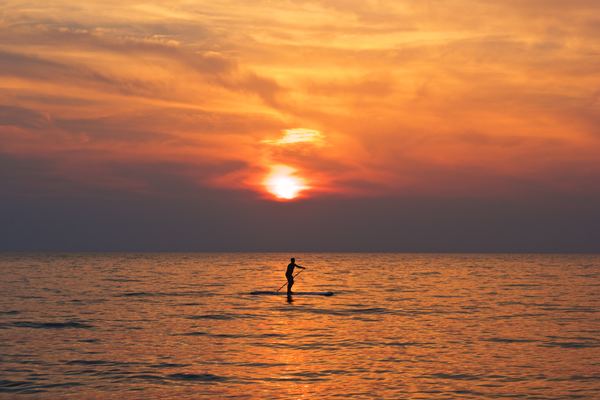
Day 12 Cannes, France 25 May 2026 (Monday)
Cannes is pampered with the luxurious year-round climate that has made it one of the most popular resorts in Europe. Cannes was an important sentinel site for the monks who established themselves on Île St-Honorat in the Middle Ages. Its bay served as nothing more than a fishing port until in 1834 an English aristocrat, Lord Brougham, fell in love with the site during an emergency stopover with a sick daughter. He had a home built here and returned every winter for a sun cure—a ritual quickly picked up by his peers. Between the popularity of Le Train Blue transporting wealthy passengers from C... See moreCannes is pampered with the luxurious year-round climate that has made it one of the most popular resorts in Europe. Cannes was an important sentinel site for the monks who established themselves on Île St-Honorat in the Middle Ages. Its bay served as nothing more than a fishing port until in 1834 an English aristocrat, Lord Brougham, fell in love with the site during an emergency stopover with a sick daughter. He had a home built here and returned every winter for a sun cure—a ritual quickly picked up by his peers. Between the popularity of Le Train Blue transporting wealthy passengers from Calais, and the introduction in 1936 of France's first paid holidays, Cannes became the destination, a tasteful and expensive breeding ground for the upper-upscale.Cannes has been further glamorized by the ongoing success of its annual film festival, as famous as Hollywood's Academy Awards. About the closest many of us will get to feeling like a film star is a stroll here along La Croisette, the iconic promenade that gracefully curves the wave-washed sand coastline, peppered with chic restaurants and prestigious private beaches. This is precisely the sort of place for which the French invented the verb flâner (to dawdle, saunter): strewn with palm trees and poseurs, its fancy boutiques and status-symbol grand hotels—including the Carlton, the legendary backdrop to Grace Kelly in To Catch a Thief —all vying for the custom of the Louis Vuitton set. This legend is, to many, the heart and soul of the Côte d'Azur.
See less -
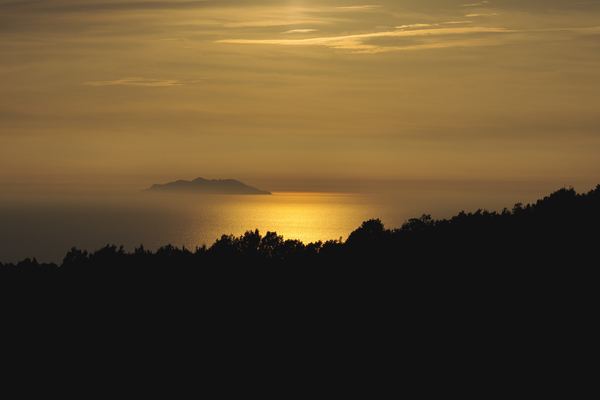
Day 13 Ajaccio, Corsica, France 26 May 2026 (Tuesday)
Considered Corsica’s primary commercial and cultural hub, the largest city and regional capital of Ajaccio is situated on the west coast of the island, approximately 644 km (400 miles) southeast of Marseille, France. Founded in 1492, vestiges of ancient Corsica in this ville impériale revolve around the city’s most famous son, Napoléon Bonaparte, whose family home—now the national museum Maison Bonaparte—pays tribute to the emperor’s historical influence.Remnants from what was originally a 12th-century Genoese colony are still visible around the Old Town near the imposing citadel and watchtowe... See moreConsidered Corsica’s primary commercial and cultural hub, the largest city and regional capital of Ajaccio is situated on the west coast of the island, approximately 644 km (400 miles) southeast of Marseille, France. Founded in 1492, vestiges of ancient Corsica in this ville impériale revolve around the city’s most famous son, Napoléon Bonaparte, whose family home—now the national museum Maison Bonaparte—pays tribute to the emperor’s historical influence.Remnants from what was originally a 12th-century Genoese colony are still visible around the Old Town near the imposing citadel and watchtower. Perfect for exploring, the luminous seaside city surrounded by snowcapped mountains and pretty beaches offers numerous sites, eateries, side streets, and a popular harbor, where sailboats and fishing vessels moor in the picturesque Tino Rossi port lined with well-established restaurants and cafés serving fresh local fare.
See less -
Day 15 Valletta, Malta 28 May 2026 (Thursday)
Malta's capital, the minicity of Valletta, has ornate palaces and museums protected by massive fortifications of honey-color limestone. Houses along the narrow streets have overhanging wooden balconies for people-watching from indoors. Generations ago they gave housebound women a window on the world of the street. The main entrance to town is through the City Gate (where all bus routes end), which leads onto Triq Repubblika (Republic Street), the spine of the grid-pattern city and the main shopping street. Triq Mercante (Merchant Street) parallels Repubblika to the east and is also good for st... See moreMalta's capital, the minicity of Valletta, has ornate palaces and museums protected by massive fortifications of honey-color limestone. Houses along the narrow streets have overhanging wooden balconies for people-watching from indoors. Generations ago they gave housebound women a window on the world of the street. The main entrance to town is through the City Gate (where all bus routes end), which leads onto Triq Repubblika (Republic Street), the spine of the grid-pattern city and the main shopping street. Triq Mercante (Merchant Street) parallels Repubblika to the east and is also good for strolling. From these two streets, cross streets descend toward the water; some are stepped. Valletta's compactness makes it ideal to explore on foot. City Gate and the upper part of Valletta are experiencing vast redevelopment that includes a new Parliament Building and open-air performance venue. The complex, completed mid-2013, has numerous pedestrian detours in place along with building noise and dust. Before setting out along Republic Street, stop at the tourist information office on Merchant Street for maps and brochures.
See less
What's Included:
- Full-board dining across a variety of restaurants.
- Entertainment options, including West End-style shows and live music.
- Access to pools, gyms, and other leisure facilities.
- Children's clubs catering to different age groups.
- Prices in pounds sterling on board for added convenience.
Suites
-
Single Inside Cabin
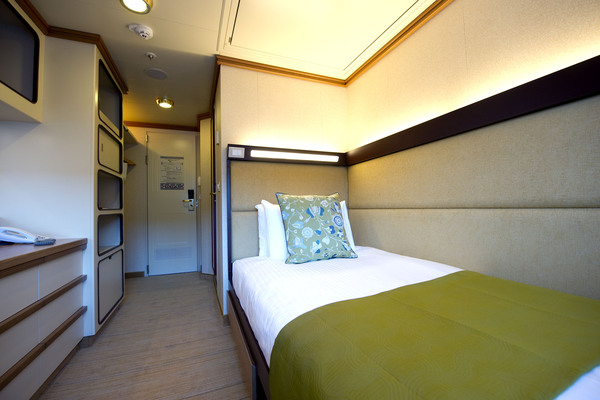
Enjoy the perfect hideaway in a Single Inside cabin. There's a wardrobe and plenty of drawer space for all your outfits. You have your own TV and toiletries from The White Company. Some Single cabins may have a table and chairs or even a sofa for relaxing in private.
A perfectly private space for a really sound sleep, your air-conditioned cosy cabin includes a TV and toiletries from The White Company. Ideal for restful nights and daily adventures, the more spacious Inside cabins even have a sofa and/or table and chairs.
Inside cabins have the following benefits
- Air conditioning
- Tea and coffee facilities
- Free in-cabin TV
- Daily steward service
- Safe
- Hairdryer
- Telephone
- Vanity writing desk and chair
- Toiletries from The White Company
- British plug socket
- Chiller
Single Inside Cabin
-
Single Sea View Cabins
A Single Sea view cabin is a room with a view in your own private space. There’s a TV plus comfy sofa and/or table and chairs. This lovely little home from home also includes toiletries from The White Company.
Relax in a comfy cabin with a porthole or window on the world to bring the outside in. Your room with a view includes a sofa and/or table and chairs, with beds that convert from twin to king size. You also have your own TV and The White Company toiletries.
Sea view cabins have the following benefits
- Air conditioning
- Tea and coffee facilities
- Free in-cabin TV
- Daily steward service
- Cabin safe
- Cabin hairdryer
- Cabin telephone
- Vanity writing desk and chair
- Toiletries from The White Company
- British plug socket
- Chiller
- Window/porthole
Single Sea View Cabins
-
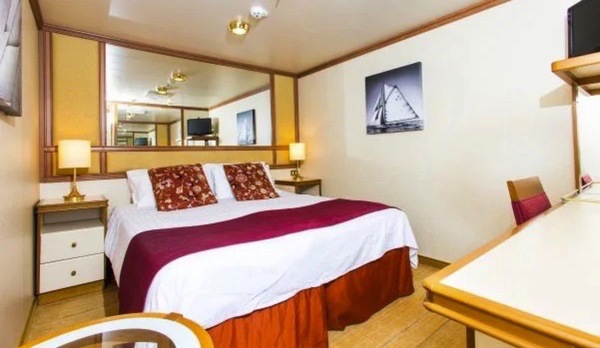
Inside Cabin
Cosy and comfortable, an Inside cabin is just the place to relax and re-energise for all your holiday adventures on board and ashore. You'll have your own TV, toiletries from The White Company and some of these cabins even come with a sofa and/or table and chairs.
A perfectly private space for a really sound sleep, your air-conditioned cosy cabin includes a TV and toiletries from The White Company. Ideal for restful nights and daily adventures, the more spacious Inside cabins even have a sofa and/or table and chairs.
Inside cabin has the following benefits
- Air conditioning
- Tea and coffee facilities
- Free in-cabin TV
- Daily steward service
- Safe
- Hairdryer
- Telephone
- Vanity writing desk and chair
- Toiletries from The White Company
- British plug socket
- Chiller
Inside Cabin
-
Sea View Cabin (Obstructed View)
If natural light and a view are a must, our Sea view cabins ensure you’re never too far away from those relaxing views! Each one offers a similar layout and features of an Inside cabin, but with the addition of a window or porthole. You’ll enjoy natural light in your cabin although the view will be obstructed, for example by a lifeboat.
Relax in a comfy cabin with a porthole or window on the world to bring the outside in. Your room with a view includes a sofa and/or table and chairs, with beds that convert from twin to king size. You also have your own TV and The White Company toiletries.
Sea view cabins have the following benefits
- Air conditioning
- Tea and coffee facilities
- Free in-cabin TV
- Daily steward service
- Cabin safe
- Cabin hairdryer
- Cabin telephone
- Vanity writing desk and chair
- Toiletries from The White Company
- British plug socket
- Chiller
- Window/porthole
Sea View Cabin (Obstructed View)
-
Sea View Cabins (Partially Obstructed View)
If natural light and a view are a must, our Sea view cabins ensure you’re never too far away from those relaxing views! Each one offers a similar layout and features of an Inside cabin, but with the addition of a window or porthole. You’ll still see those amazing views, just with a partial obstruction, for example from a pillar or lifeboat.
Relax in a comfy cabin with a porthole or window on the world to bring the outside in. Your room with a view includes a sofa and/or table and chairs, with beds that convert from twin to king size. You also have your own TV and The White Company toiletries.
Sea view cabins have the following benefits
- Air conditioning
- Tea and coffee facilities
- Free in-cabin TV
- Daily steward service
- Cabin safe
- Cabin hairdryer
- Cabin telephone
- Vanity writing desk and chair
- Toiletries from The White Company
- British plug socket
- Chiller
- Window/porthole
Sea View Cabins (Partially Obstructed View)
-
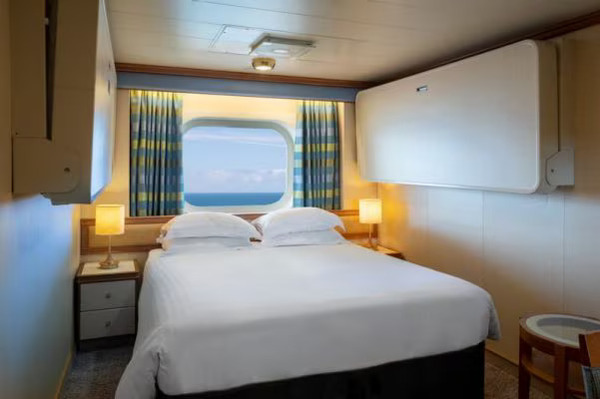
Sea View Standard Cabin
Sea view cabins let the natural light in on your own private space. The beds convert at your request (to twins or king size) and there’s a TV plus comfy sofa and/or table and chairs. This lovely little home from home also includes toiletries from The White Company.
Relax in a comfy cabin with a porthole or window on the world to bring the outside in. Your room with a view includes a sofa and/or table and chairs, with beds that convert from twin to king size. You also have your own TV and The White Company toiletries.
Sea view cabins have the following benefits
- Air conditioning
- Tea and coffee facilities
- Free in-cabin TV
- Daily steward service
- Cabin safe
- Cabin hairdryer
- Cabin telephone
- Vanity writing desk and chair
- Toiletries from The White Company
- British plug socket
- Chiller
- Window/porthole
Sea View Standard Cabin
-
Balcony Standard Cabin
Step out on your own balcony with a selection of furniture and enjoy the private view. It's the perfect place for a lazy continental breakfast, a sunbathe or a snooze. Beds convert from twins to king, and you've a table and chairs and comfy sofa with plenty of room for all to relax.
Your own private balcony is the ideal place to enjoy your morning cuppa or a quiet moment when the mood takes you. There's a choice of balcony furniture, as well as your own table, chairs, sofa and TV inside for a relaxing home-from-home feel. Beds convert to twin or king size.
Balcony cabins have the following benefits
- Air conditioning
- Tea and coffee facilities
- Free in-cabin TV
- Daily steward service
- Cabin safe
- Cabin hairdryer
- Cabin telephone
- Vanity writing desk and chair
- Toiletries from The White Company
- British plug socket
- Chiller
- Floor to ceiling glass doors
- Balcony
Balcony Standard Cabin
-
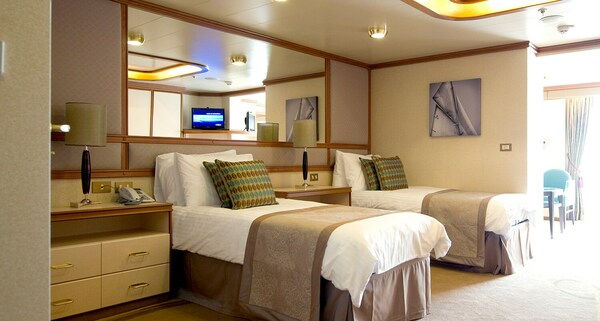
Balcony Superior Deluxe
A bigger balcony needs bigger windows for enjoying a great view. Your Deluxe Balcony cabin has floor-to-ceiling glass doors, extra space and a comfy sofa for relaxing. We'll provide fluffy bath robes and slippers, Champagne and chocolates on arrival to add a touch of class.
Your own private balcony is the ideal place to enjoy your morning cuppa or a quiet moment when the mood takes you. There's a choice of balcony furniture, as well as your own table, chairs, sofa and TV inside for a relaxing home-from-home feel. Beds convert to twin or king size.
Balcony cabins have the following benefits
- Air conditioning
- Tea and coffee facilities
- Free in-cabin TV
- Daily steward service
- Cabin safe
- Cabin hairdryer
- Cabin telephone
- Vanity writing desk and chair
- Toiletries from The White Company
- British plug socket
- Chiller
- Floor to ceiling glass doors
- Balcony
Balcony Superior Deluxe
-
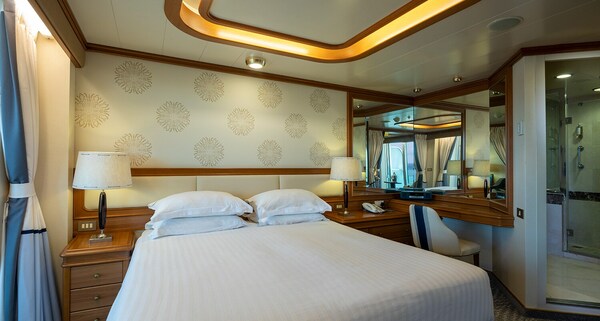
Suite
The luxuries of a Suite include a whirlpool bath, dual sinks, dressing area and toiletries from The White Company. With an exclusive restaurant for breakfast and a dedicated butler, not to mention Champagne and chocolates on arrival, it’s a holiday like never before.
Luxuriate in your whirlpool bath and get ready in your dedicated dressing area to the music on your sound system. An exclusive restaurant for breakfast and your own premium butler service make this a holiday like never before.
Suite has the following benefits
- Air conditioning
- Tea and coffee machine
- Free in-cabin TV
- Butler service
- Safe
- Hairdryer
- Telephone
- Larger dressing area
- Toiletries from The White Company
- British plug socket
- Chiller
- A whirpool bath
- Inclusive room service
- Exclusive restaurants
- Bathrobe and Slippers
- Canapés on celebration night
- Champagne on arrival
- Chocolates on arrival
- Floor to ceiling glass doors
- Balcony
- Priority check-in and boarding (from Southampton)
Suite
Restaurants
-
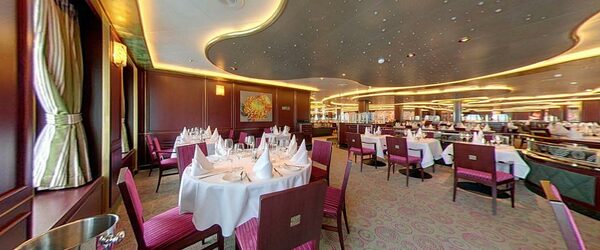
Meridian Restaurant
Experience a global culinary adventure of the highest quality at Medina. This opulent Arabian-themed space offers Freedom Dining flexibility, allowing you to dine whenever and with whomever you wish. From classic home comfort dishes to locally inspired flavours, the menus offer a delightful array of options that will leave you craving more.
Dress code - Dress code of the day (Evening Casual or Black Tie). No tailored shorts.
-
Sindhu
Prepare your taste buds for a flavour-filled adventure. In stylish and sumptuous surroundings, Sindhu’s expert chefs will take you on a delicately spiced odyssey that celebrates the best of contemporary Indian cuisines. You can also make a date on selected sea days to enjoy a delicious tiffin style lunch.
Dress code - Dress code of the day (Evening Casual or Black Tie)
-
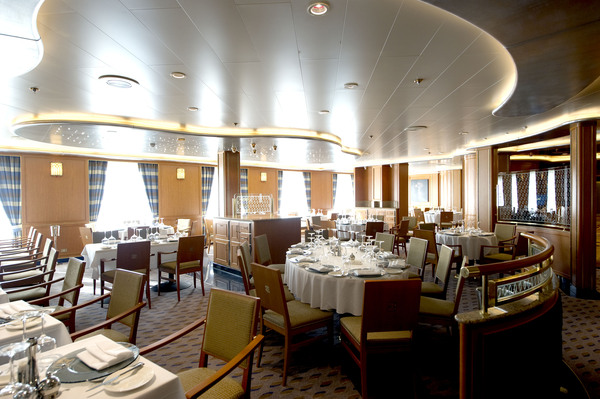
The Peninsular Restaurant
Sail the world from your plate at Britannia's sophisticated Peninsular Restaurant, providing memorable meals on every voyage. Enjoy classic home comforts alongside exciting global flavours. Every cruise features a special five-course Celebration Night Dinner designed by Marco Pierre White, a culinary legend.
Freedom Dining - Available
Dress code - Evening Casual. (Tailored shorts are accepted)
-
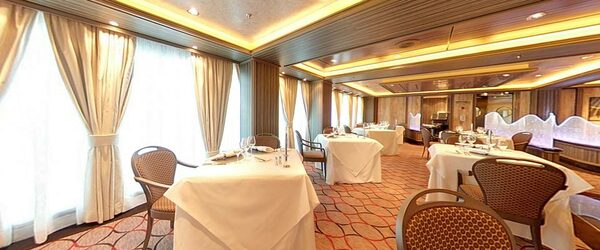
The Oriental Restaurant
Our Oriental Restaurant offers a refined atmosphere for Club Dining. Choose a set time and table for each evening and savour every bite in the company of new friends. The menu features classic British fare alongside exciting global flavours. Don't miss the unforgettable Marco Pierre White-designed Celebration Night Dinner.
Dress code - Dress code of the day (Evening Casual or Black Tie). No tailored shorts.
-
The Epicurean
Dining experiences don’t come any finer than Epicurean. Marvel as each exquisite dish, inspired by classic British ingredients and given a modern twist by expert chefs, is presented at your table. Epicurean promises a sophisticated and immersive dining experience, inviting you to savour the artistry of gastronomy in a truly luxurious setting.
Dress code - Dress code of the day (Evening Casual or Black Tie). No tailored shorts.
-
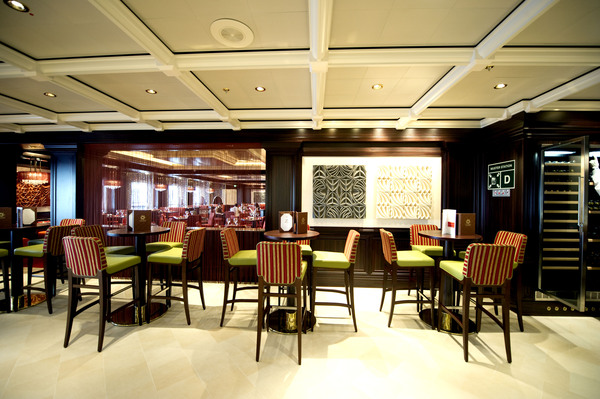
Poolside Grill
This casual eatery offers a tempting selection of freshly made snacks, perfect for satisfying poolside cravings. Bite into juicy burgers or customise your hot dog with various toppings. Featuring flavours of the day that change throughout your cruise, the Poolside Grill uses fresh ingredients to ensure a delicious and convenient bite.
Dress code - Day / Evening Casual
-
The Beach House
Welcome to The Beach House
Inspired by South American, Caribbean and Stateside cuisines, The Beach House menu offers hearty dishes and comfort-food favourites. Save space for the decadent and delicious desserts.
-
Room Service
Morning, noon, and through the night, if you fancy a bite to eat in your cabin, you’ve a mouth-watering room service menu to choose from… meals, desserts, snacks and drinks, all prepared with care and delivered with a smile. A small supplement applies to each item, apart from breakfast, which is included in the price of your holiday.
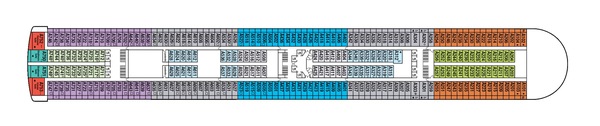
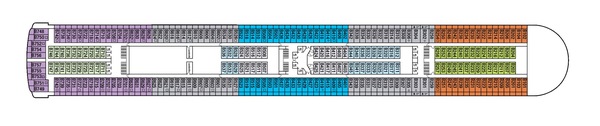
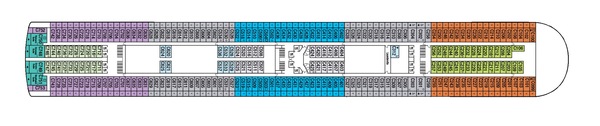
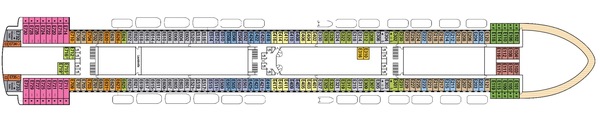
Deckplans
-
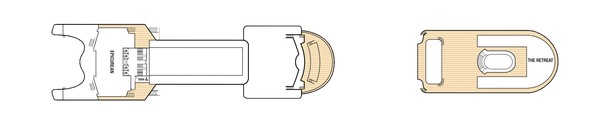
Deck 19 - Sky Deck
- Golf Nets
- Sports Court
- Golf Nets
-
Deck 18 - Ocean Deck
- Planet Bar
-
Deck 17 - Sun Deck
- The Retreat
- The Epicurean Restaurant
- The Retreat
-
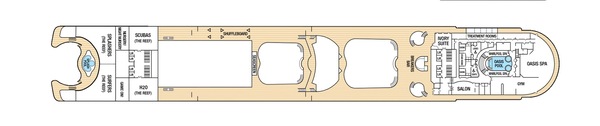
Deck 16 - Aqua Deck
- Oasis Spa
- Gym
- Oasis Pool
- Whirlpool Spa
- Salon
- Treatment Rooms
- Ivory Suite
- Breakers Bar
- Sea Screen
- Shuffleboard
- H20 (The Reef)
- Scubas (The Reef)
- Nursery/Night Nursery
- Game On!
- Splash Pool
- Splashers (The Reef)
- Surfers (The Reef)
- Oasis Spa
-
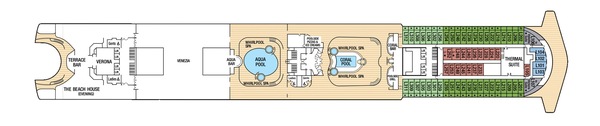
Deck 15 - Lido Deck
- Thermal Suite
- Coral Bar
- Poolside Grill
- Whirlpool Spas
- Coral Pool
- Poolside Pizza & Ice Cream
- Aqua Pool
- Aqua Bar
- Venezia
- Verona
- Terrace Bar
- The Beach House
- Inside Cabins
- Balcony Cabins
- Outside Staterooms
- Suites
- Thermal Suite
-
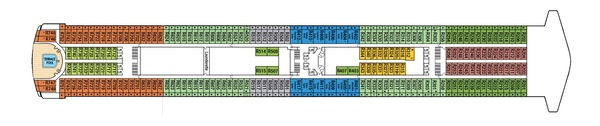
Deck 14 - Riviera Deck
- Suites
- Balcony Cabins
- Inside Cabins
- Terrace Pool
- Suites
-
Deck 12 - A Deck
- Penthouse Suites
- Suites
- Balcony Cabins
- Inside Cabins
- Penthouse Suites
-
Deck 11 - B Deck
- Balcony Cabins
- Inside Cabins
- Balcony Cabins
-
Deck 10 - C Deck
- Suites
- Balcony Cabins
- Inside Cabins
- Suites
-
Deck 9 - Deck
- Suites
- Superior Deluxe Cabins
- Balcony Cabins
- Inside Cabins
- Suites
-
Deck 8 - E Deck
- Suites
- Superior Deluxe Balcony Cabins
- Balcony Cabins
- Outside Cabins
- Inside Cabins
- Suites
-
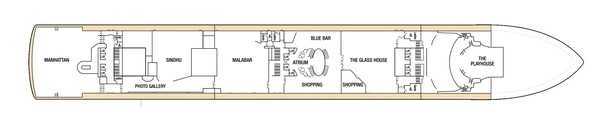
Deck 7 - Prom Deck
- The Playhouse
- The Glass House
- Shopping
- The Blue Bar
- Atrium
- Shopping
- Malabar
- Sindhu
- Photo Gallery
- Manhattan
- The Playhouse
-
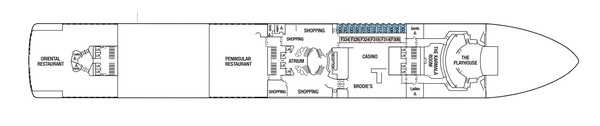
Deck 6 - F Deck
- Single Outside Cabins
- Single Inside Cabins
- The Playhouse
- The Karmala Room
- Casino
- Brodie's
- Shopping
- Reception
- Atrium
- The Peninsular Restaurant
- The Oriental Restaurant
- Single Outside Cabins
-
Deck 5 - P Deck
- Outside Cabins
- Inside Cabins
- Launderette
- Art Gallery
- Loyalty and Cruise Sales
- Java
- Shopping
- Explorers
- Atrium
- The Library
- The Meridian Restaurant
- Outside Cabins
Ready to Book?
For more information; please contact our Cruise specialists who will be delighted to help you plan your next holiday.
Call us on 01625 858158 Request Availability & PriceSign up to our Newsletter for exclusive offers and receive up to £250 off your next holiday.
For New Subscribers Only.