-
Discover Coastal Treasures: Korea to Vietnam
Emerald Xara, Emerald Cruises
BOOK WITH CONFIDENCE
Family run business established in 1983. ABTA & ATOL Protected.
COMPETITIVELY PRICED
We work closely with our travel partners to secure the best holiday price available.
KNOWLEDGE & SERVICE
Our extensively travelled team are here to ensure you receive the very best advice and first-class service.
Emerald Xara
Departure: 08/06/2028
Duration: 25 Days
Busan to Ho Chi Minh City
Price reflects the best available for this sailing. For a personalised quotation, please contact our cruise specialists.
Itinerary
-
Day 1 Busan, South Korea 08 Jun 2028 (Thursday)
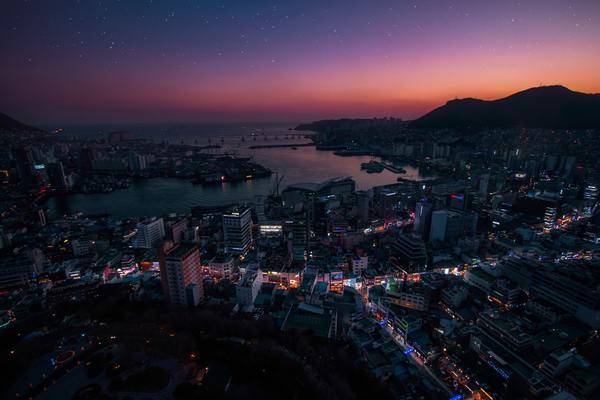
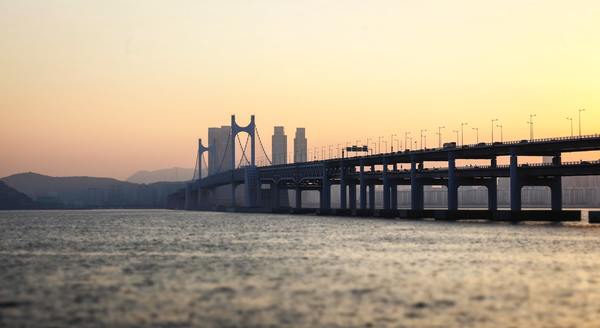
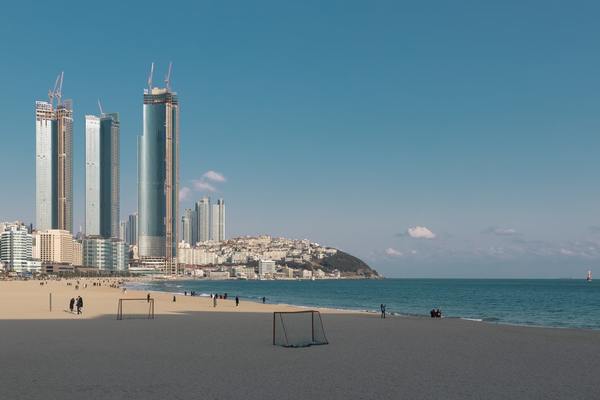
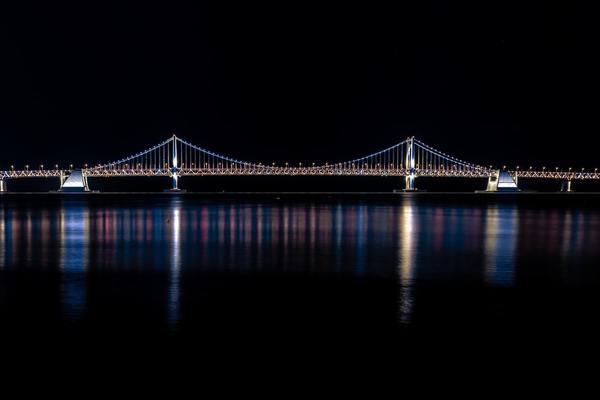
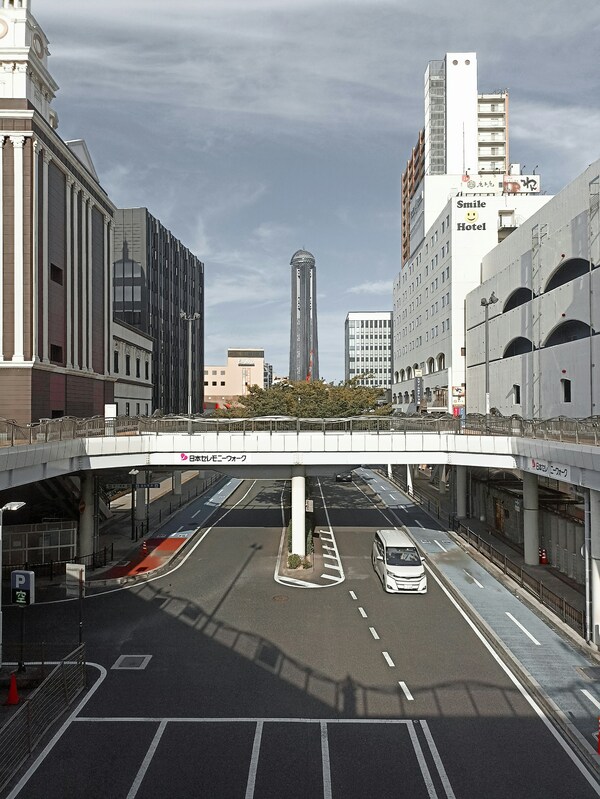
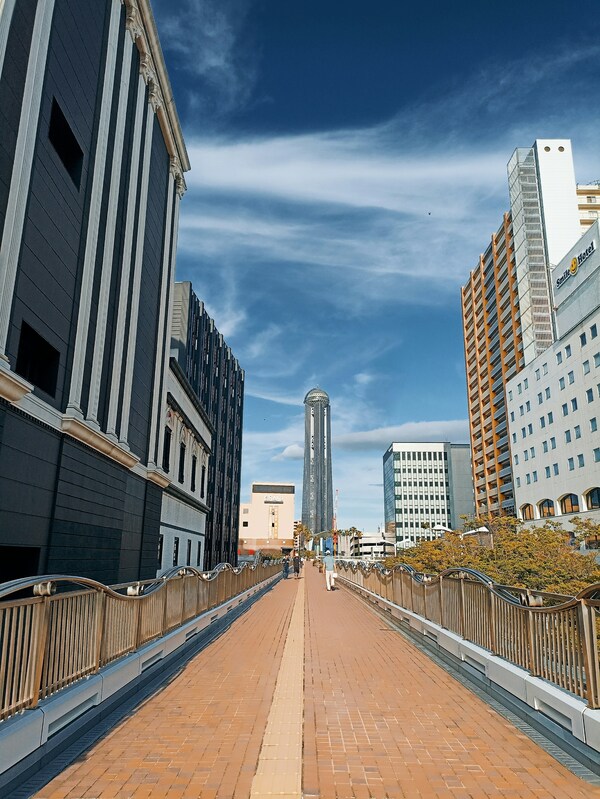
White-sand city beaches and hot-spring resorts may not be everyone's first image of Korea, but these are what Koreans flock to Busan for all year. And there are plenty of opportunities for rest, relaxation, retail therapy, and even a touch of glamour every October with the Busan International Film Festival. Busan's beaches are the big summertime draw but there is plenty to be seen year round. Quintessential experiences include taking some rest and relaxation at a local spa and exploring the Beomeosa temple complex.
- Day 2 Shimonoseki, Japan 09 Jun 2028 (Friday)
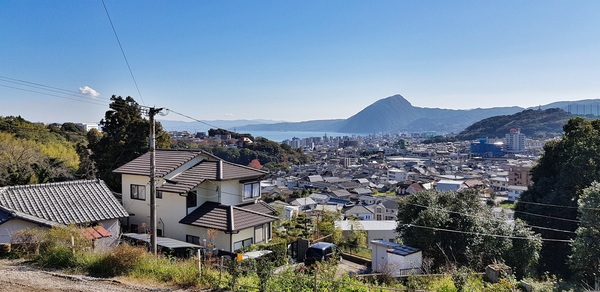
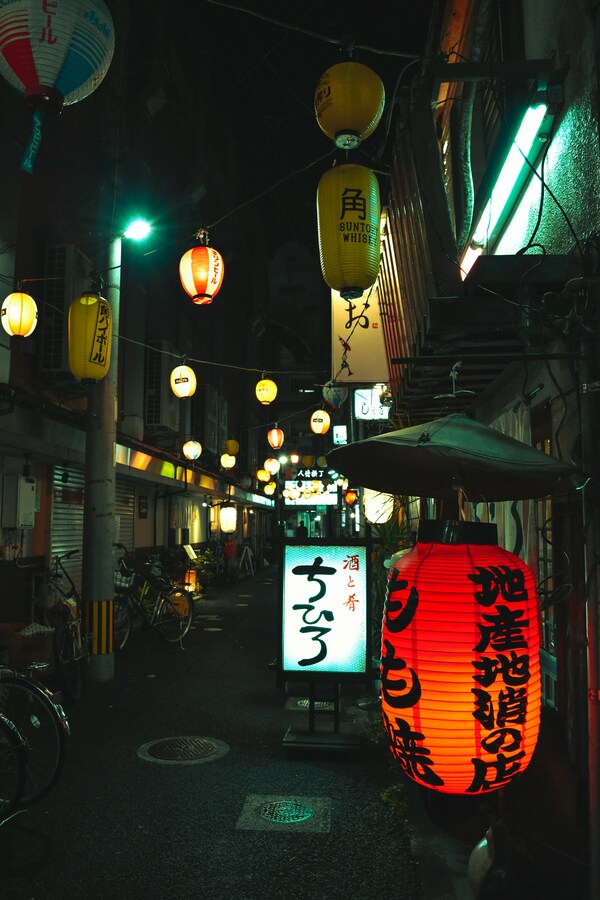
- Day 3 Beppu, Kyushu Island, Oita, Japan 10 Jun 2028 (Saturday)
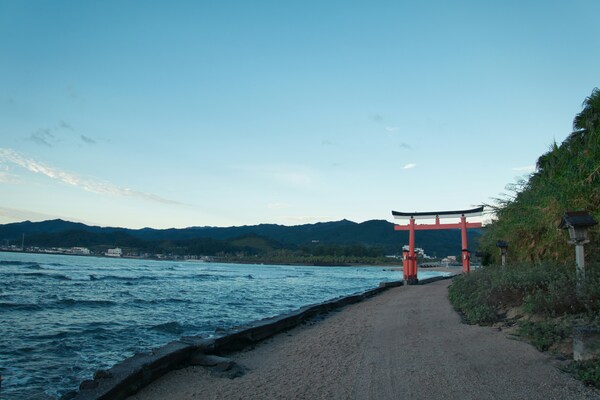
- Day 4 Uwajima, Japan 11 Jun 2028 (Sunday)
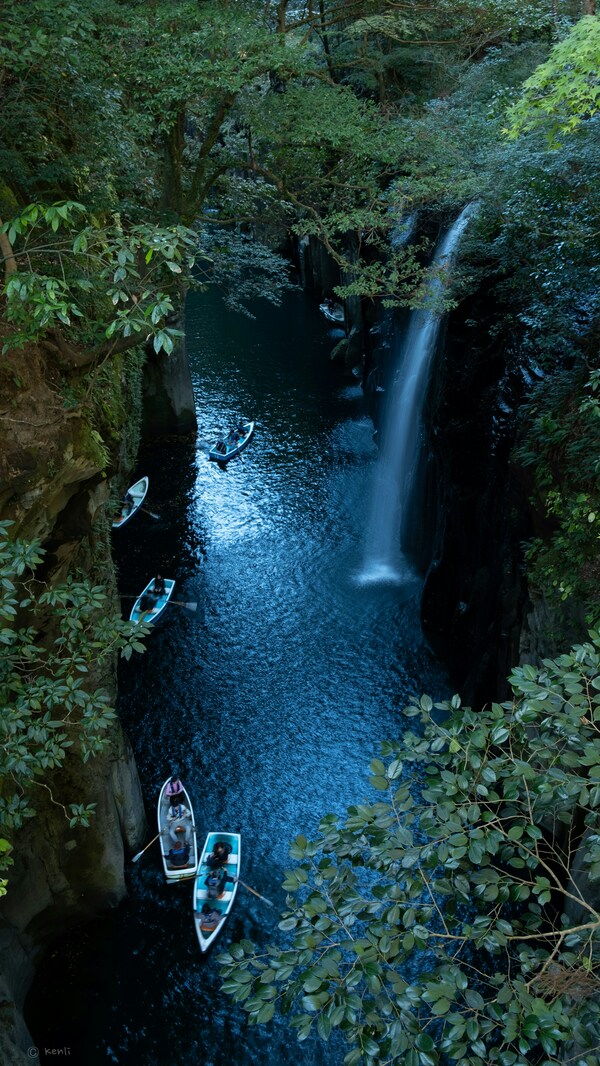
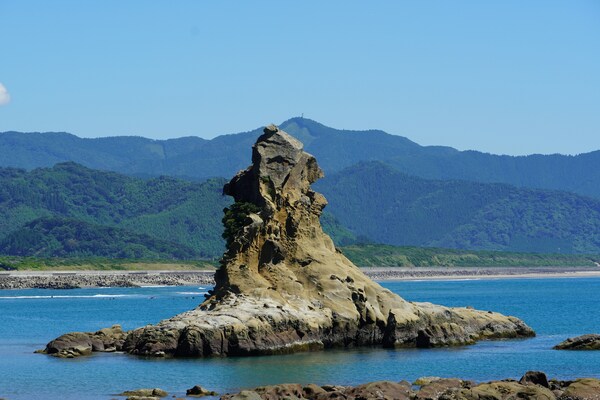
- Day 5 Miyazaki, Japan 12 Jun 2028 (Monday)
-
Day 6 Kagoshima, Japan 13 Jun 2028 (Tuesday)
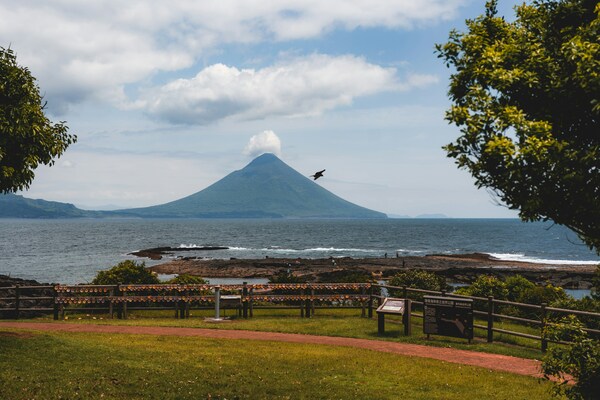
Kagoshima city is the capital of Kagoshima prefecture and also Kyushu’s southernmost major city. This city is often compared to its Italian sister city Naples, due to its’s similarities such as mild climate and active volcano, Sakurajima. Sakurajima is one of the most renowned active volcanos not only in Japan but also in the whole entire world. This smoking Sakurajima is centred in Kinko Bay and is one of the main symbols of this prefecture. We cannot talk about Sakurajima without the history of continuous eruption. Sakurajima used to be an isolated island; however, the land has banded togeth... See moreKagoshima city is the capital of Kagoshima prefecture and also Kyushu’s southernmost major city. This city is often compared to its Italian sister city Naples, due to its’s similarities such as mild climate and active volcano, Sakurajima. Sakurajima is one of the most renowned active volcanos not only in Japan but also in the whole entire world. This smoking Sakurajima is centred in Kinko Bay and is one of the main symbols of this prefecture. We cannot talk about Sakurajima without the history of continuous eruption. Sakurajima used to be an isolated island; however, the land has banded together with Osumi peninsula from the eruption in 1914. You may have a chance to see the smoke coming from the top of Sakurajima depending on the weather condition. Not only does the scenery of Sakurajima represent the beauty of Kagoshima City but Senganen garden is also symbolic to elegance in the Kagoshima region. This Japanese garden was constructed by a feudal lord, Mitsuhisa Shimazu, as a guest house of the Kagoshima castle which attracts many visitors for its splendid view.
See less -
Day 7 Yakushima, Japan 14 Jun 2028 (Wednesday)
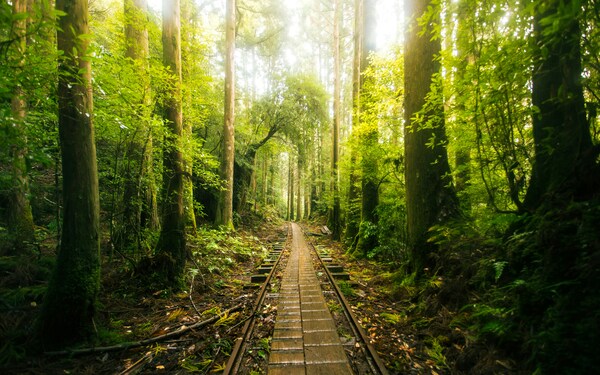
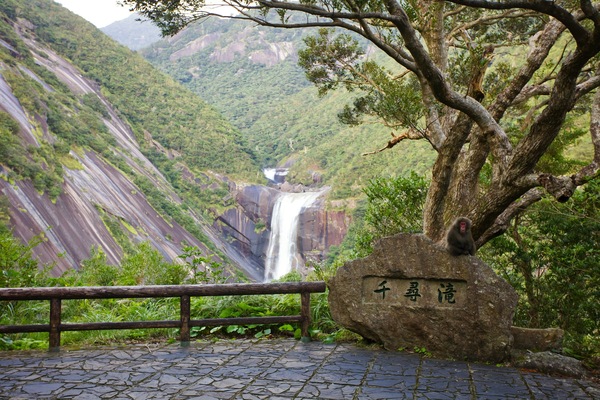
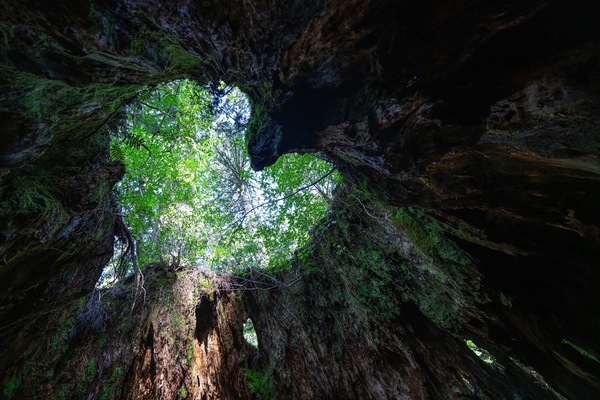
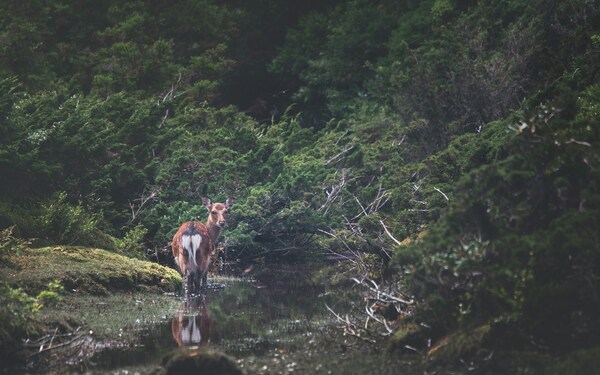
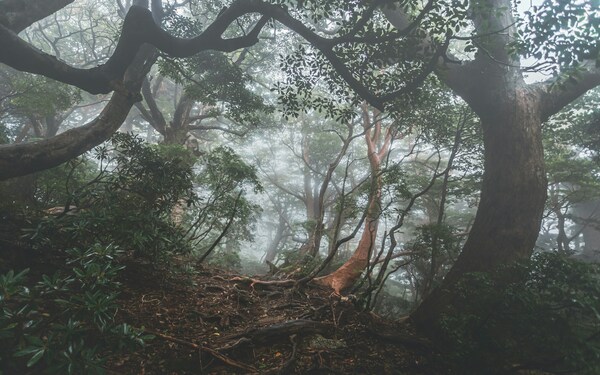
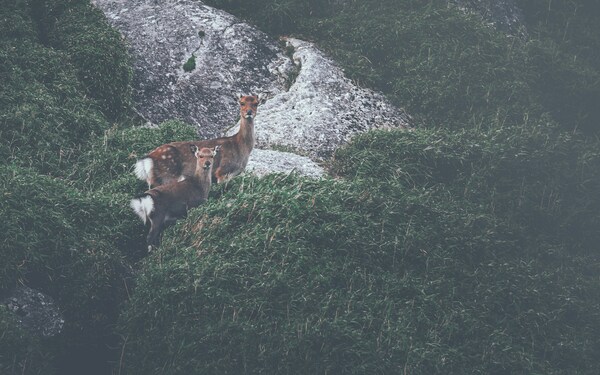
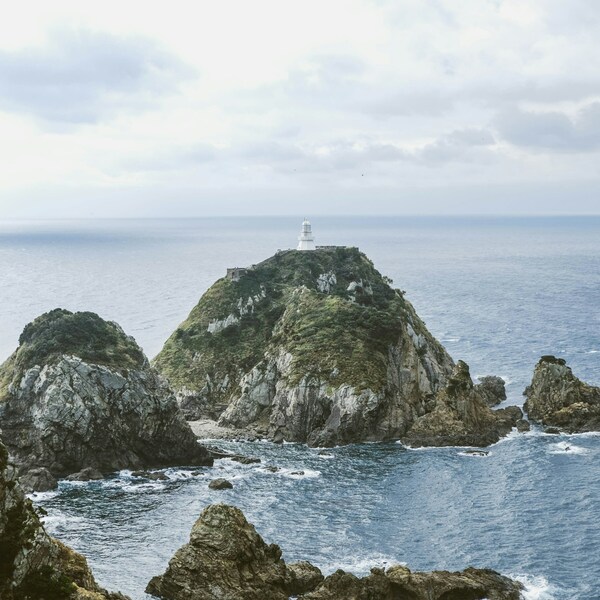
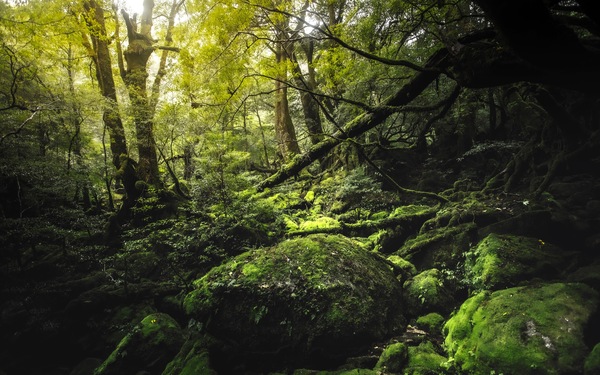
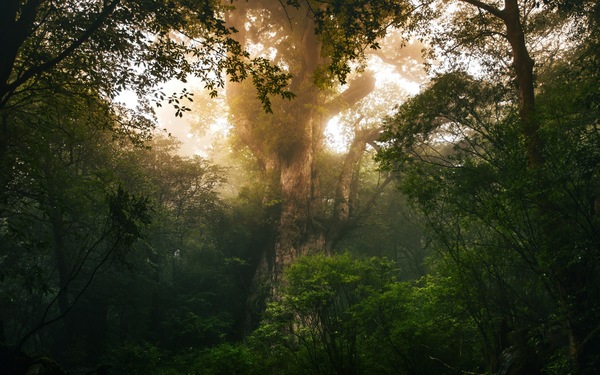
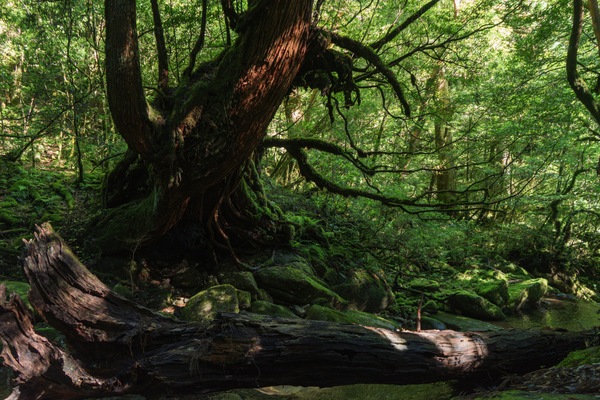
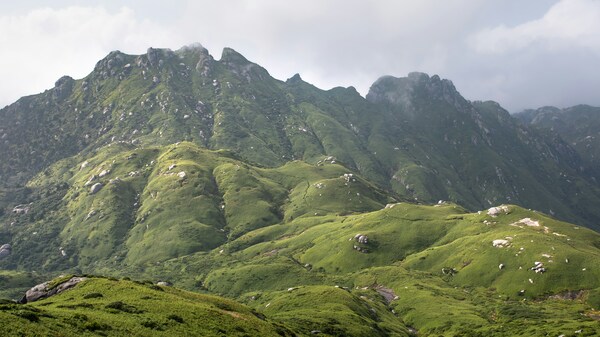
Yakushima is a round-shaped subtropical island off the southern coast of Kyushu island and part of Kagoshima prefecture. One fifth of this island is designated a Natural World Heritage Site in 1993, and it is covered by an extensive cedar forest that contains some of Japan’s oldest living trees. The symbol of Yakushima is called Yaku-Sugi, meaning Japanese cedar, which is only used for cedar trees over 1,000 years old. The oldest Yaku-Sugi is considered to be more than 7,000 years old. As a subtropical island with mountains that are nearly 2,000 meters high, Yakushima attracts a lot of rainfal... See moreYakushima is a round-shaped subtropical island off the southern coast of Kyushu island and part of Kagoshima prefecture. One fifth of this island is designated a Natural World Heritage Site in 1993, and it is covered by an extensive cedar forest that contains some of Japan’s oldest living trees. The symbol of Yakushima is called Yaku-Sugi, meaning Japanese cedar, which is only used for cedar trees over 1,000 years old. The oldest Yaku-Sugi is considered to be more than 7,000 years old. As a subtropical island with mountains that are nearly 2,000 meters high, Yakushima attracts a lot of rainfall around the year with a local saying that it rains 35 days a month! No matter how the weather is, the walking in the Cedar tree forest is what you cannot miss on this island. You can see many rare plants due to the abundance of water and the changes in temperature at different altitudes. The range of flora is very wide, from coral reef to alpine plants.
See less - Day 8 Naze, Amani Oshima, Japan 15 Jun 2028 (Thursday)
- Day 9 Naha, Okinawa, Japan 16 Jun 2028 (Friday)
- Day 10 Miyako Islands, Japan 17 Jun 2028 (Saturday)
-
Day 11 Keelung (Chilung), Taiwan 18 Jun 2028 (Sunday)
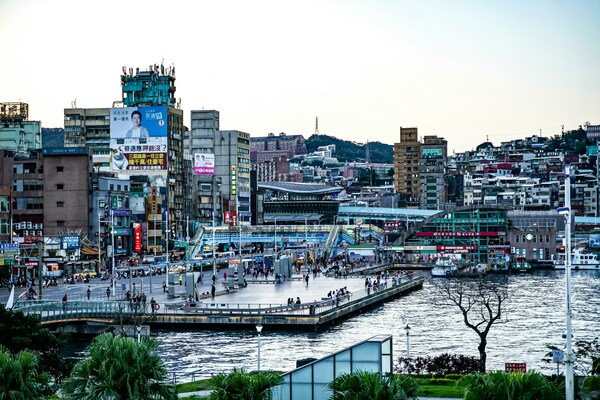
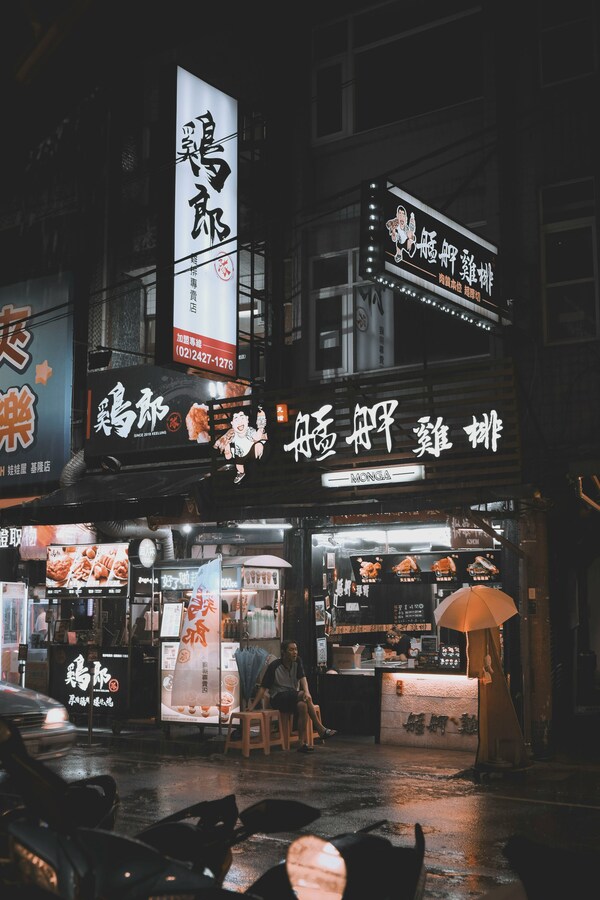
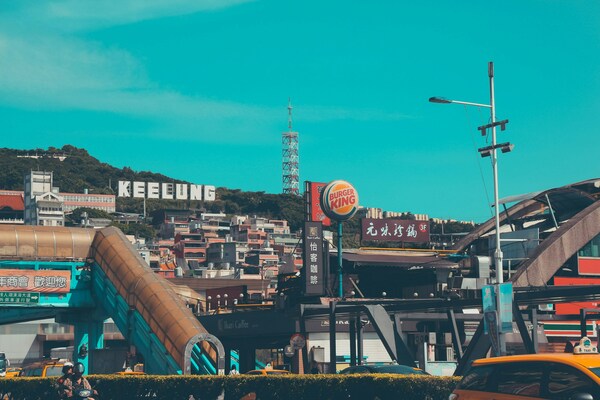
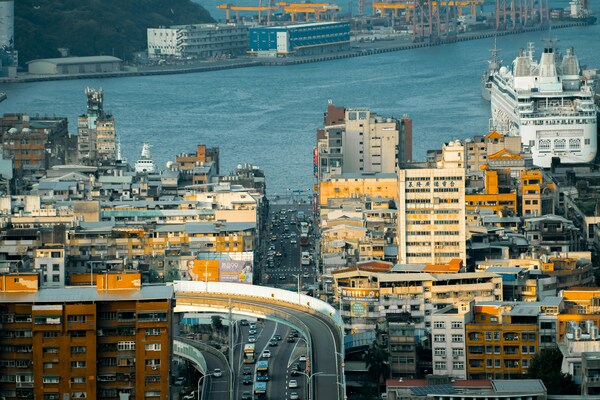
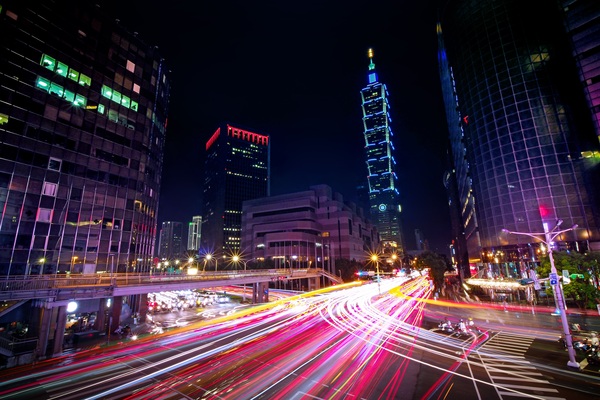
With the glittering lights of Taipei - a futuristic metropolis of culture and ideas - sparkling nearby, Keelung is the first calling point for many visitors arriving in Taiwan. While this port city essentially serves as Taipei's ocean gateway, you shouldn’t be too hasty in dashing off to Taipei's neon-lit magic – first it’s well worth spending some time exploring the famous glowing night market, which hums with life each evening and is famous for its local seafood.With the glittering lights of Taipei - a futuristic metropolis of culture and ideas - sparkling nearby, Keelung is the first calling point for many visitors arriving in Taiwan. While this port city essentially serves as Taipei's ocean gateway, you shouldn’t be too hasty in dashing off to Taipei's neon-lit magic – first it’s well worth spending some time exploring the famous glowing night market, which hums with life each evening and is famous for its local seafood.
See less -
Day 12 Keelung (Chilung), Taiwan 19 Jun 2028 (Monday)
With the glittering lights of Taipei - a futuristic metropolis of culture and ideas - sparkling nearby, Keelung is the first calling point for many visitors arriving in Taiwan. While this port city essentially serves as Taipei's ocean gateway, you shouldn’t be too hasty in dashing off to Taipei's neon-lit magic – first it’s well worth spending some time exploring the famous glowing night market, which hums with life each evening and is famous for its local seafood.With the glittering lights of Taipei - a futuristic metropolis of culture and ideas - sparkling nearby, Keelung is the first calling point for many visitors arriving in Taiwan. While this port city essentially serves as Taipei's ocean gateway, you shouldn’t be too hasty in dashing off to Taipei's neon-lit magic – first it’s well worth spending some time exploring the famous glowing night market, which hums with life each evening and is famous for its local seafood.
See less - Day 13 Penghu, Taiwan 20 Jun 2028 (Tuesday)
-
Day 15 Hong Kong, Hong Kong 22 Jun 2028 (Thursday)
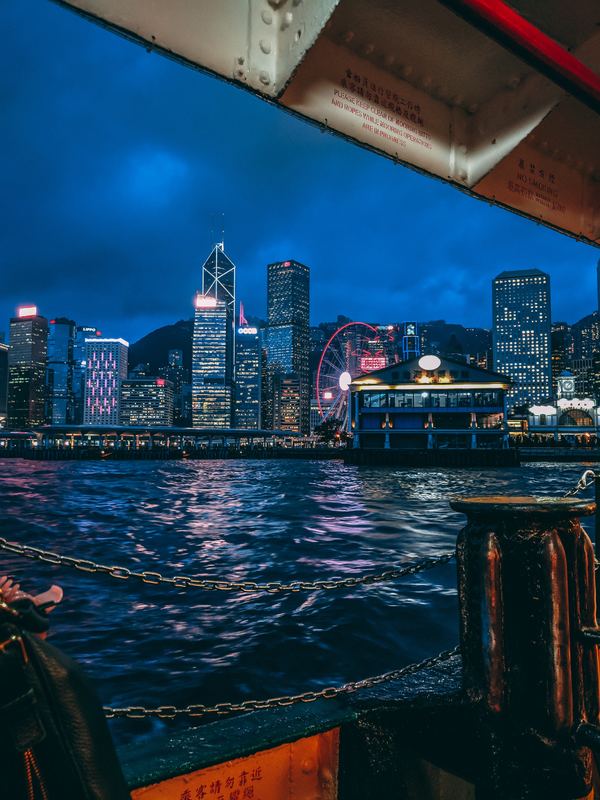
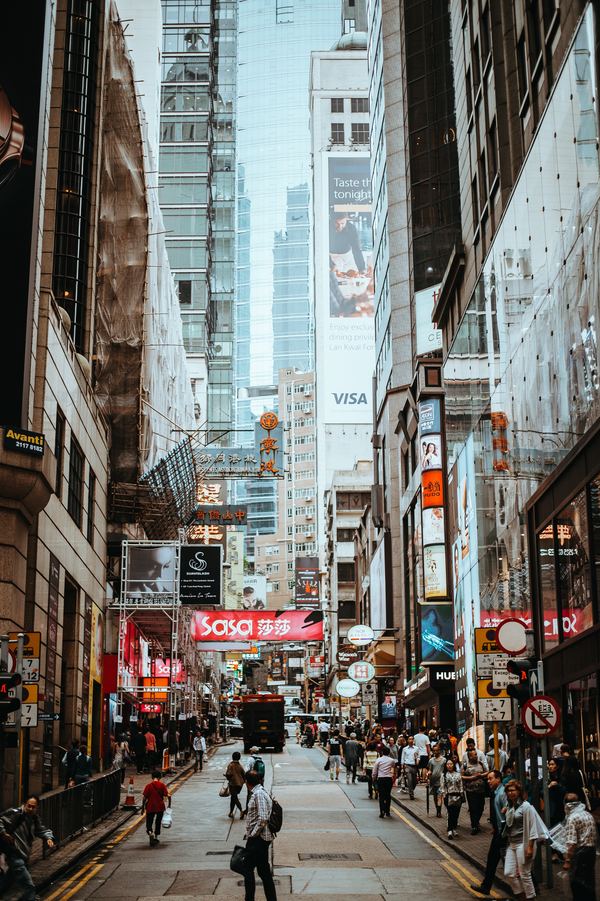
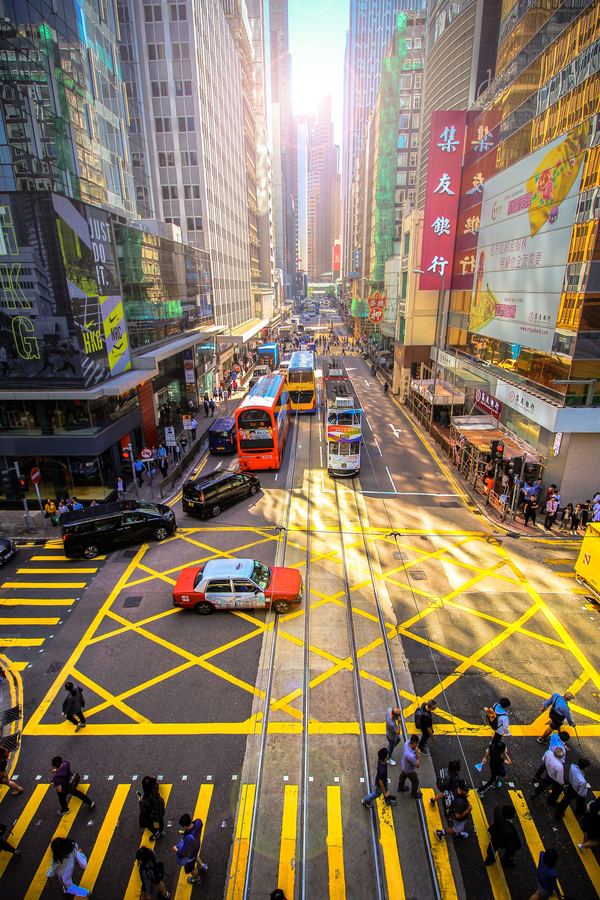
The Hong Kong Island skyline, with its ever-growing number of skyscrapers, speaks to ambition and money. Paris, London, even New York were centuries in the making, while Hong Kong's towers, bright lights, and glitzy shopping emporia weren't yet part of the urban scene when many of the young investment bankers who fuel one of the world's leading financial centers were born. Commerce is concentrated in the glittering high-rises of Central, tucked between Victoria Harbor and forested peaks on Hong Kong Island's north shore. While it's easy to think all the bright lights are the sum of today's Hon... See moreThe Hong Kong Island skyline, with its ever-growing number of skyscrapers, speaks to ambition and money. Paris, London, even New York were centuries in the making, while Hong Kong's towers, bright lights, and glitzy shopping emporia weren't yet part of the urban scene when many of the young investment bankers who fuel one of the world's leading financial centers were born. Commerce is concentrated in the glittering high-rises of Central, tucked between Victoria Harbor and forested peaks on Hong Kong Island's north shore. While it's easy to think all the bright lights are the sum of today's Hong Kong, you need only walk or board a tram for the short jaunt west into Western to discover a side of Hong Kong that is more traditionally Chinese but no less high-energy. You'll discover the real Hong Kong to the east of Central, too, in Wan Chai, Causeway Bay, and beyond. Amid the residential towers are restaurants, shopping malls, bars, convention centers, a nice smattering of museums, and—depending on fate and the horse you wager on—one of Hong Kong's luckiest or unluckiest spots, the Happy Valley Racecourse. Kowloon sprawls across a generous swath of the Chinese mainland across Victoria Harbour from Central. Tsim Sha Tsui, at the tip of Kowloon peninsula, is packed with glitzy shops, first-rate museums, and eye-popping views of the skyline across the water. Just to the north are the teeming market streets of Mong Kok and in the dense residential neighborhoods beyond, two of Hong Kong's most enchanting spiritual sights, Wong Tai Sin Temple and Chi Lin Nunnery. As you navigate this huge metropolis (easy to do on the excellent transportation network), keep in mind that streets are usually numbered odd on one side, even on the other. There's no baseline for street numbers and no block-based numbering system, but street signs indicate building numbers for any given block.
See less -
Day 17 Ha Long Bay, Vietnam 24 Jun 2028 (Saturday)
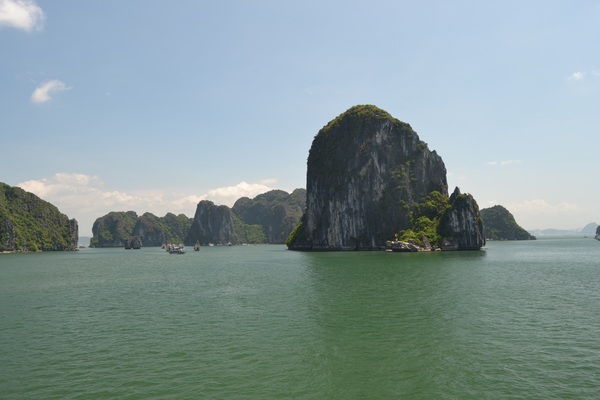
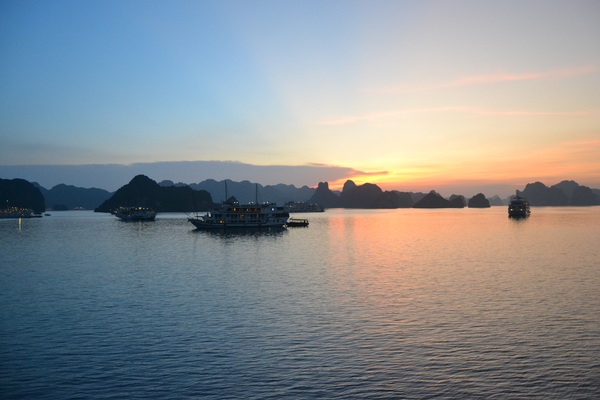
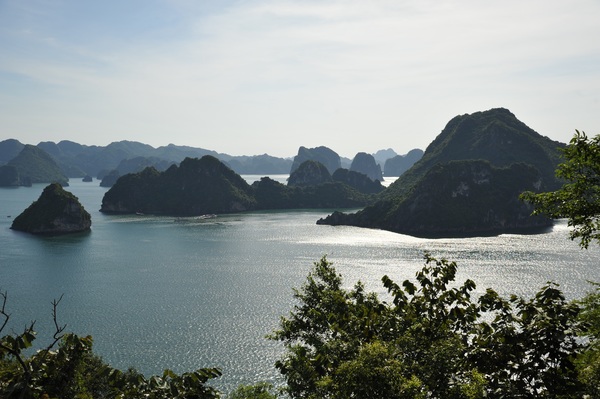
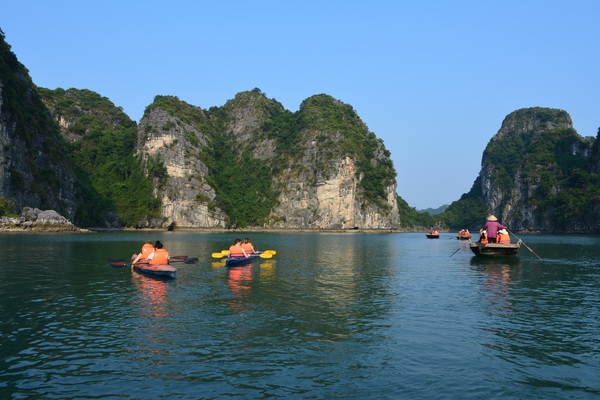
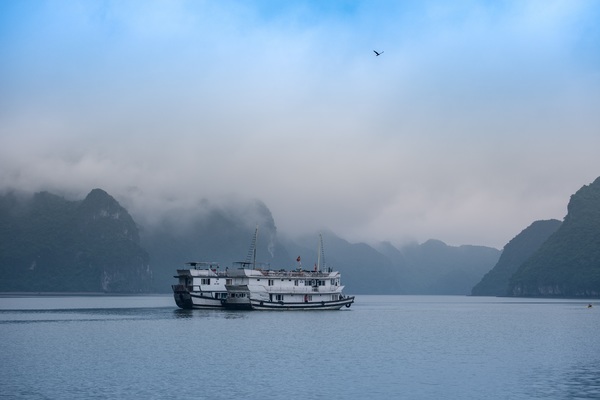
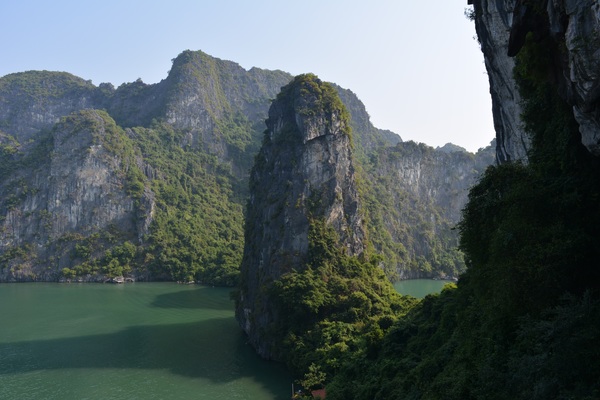
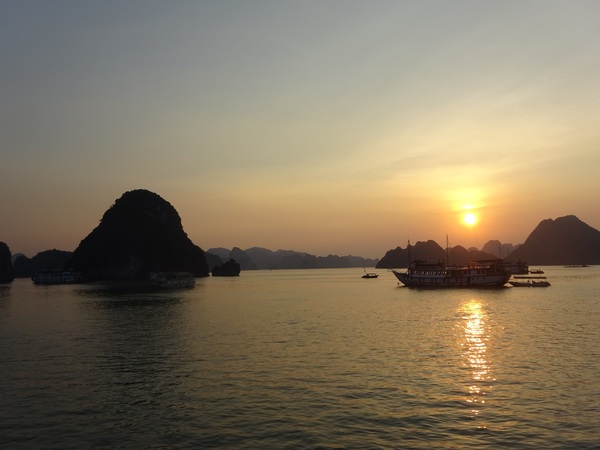
A visit to the north is not complete without a trip to Halong Bay, where placid waters give way to more than 3,000 limestone karsts and wind-sculpted limestone formations that jut from foggy lagoons. Dotting the bay are tiny islands bordered by white sandy coves and hidden caves, adding to the majestic landscape of this UNESCO World Heritage Site. Adding to this naturalist’s dream is the biodiversity of islets, grottos, and Cat Ba Island National Park. The bay, however, shows tourism’s impact: the clearing of mangrove forests to make way for jetties and piers, marine life threatened by game fi... See moreA visit to the north is not complete without a trip to Halong Bay, where placid waters give way to more than 3,000 limestone karsts and wind-sculpted limestone formations that jut from foggy lagoons. Dotting the bay are tiny islands bordered by white sandy coves and hidden caves, adding to the majestic landscape of this UNESCO World Heritage Site. Adding to this naturalist’s dream is the biodiversity of islets, grottos, and Cat Ba Island National Park. The bay, however, shows tourism’s impact: the clearing of mangrove forests to make way for jetties and piers, marine life threatened by game fishing, and garbage from passenger boats and fishing villages washed up on the shores.Beyond its geological uniqueness are activities like hiking, kayaking, rock climbing, or exploring one of the many floating villages where fishermen bring in their daily catch. The downside to all this allure is the large number of unlicensed boats it draws to the bay each day.Boat trips out onto the bay are the main tourism stock in trade farther north, but a more multifaceted side of the area can be experienced at Cat Ba Island. The largest island in Halong Bay, Cat Ba is very much its own entity. Its national park offers incredible biodiversity, with more than a thousand species of plants having been recorded here. Animal life is slightly thinner on the ground, but alert visitors may spy inhabitants such as the endangered golden-headed langur, wild boar, deer, civets, and several species of squirrel. Trekking through the wilderness is a highlight with a number of fascinating trails to follow.Cat Ba Island has also become a firm favorite with the adventure sports set. Indeed, along with Railay Beach in Thailand, it is recognized as one of the top spots in the region for rock climbing. Other outdoor pursuits include sailing and kayaking around the karsts. Although Halong Bay has arguably been tainted by over-exposure, Bai Tu Long Bay farther east toward China, retains all the majesty of Vietnam’s premier bucket-list natural attraction but sees a fraction of the traffic of its immediate neighbor to the west. Here, visitors will find islands of substantial size with deserted beaches and untamed jungle. Halong Bay's 3,000 islands of dolomite and limestone cover a 1,500-square-km (580-square-mile) area, extending across the Gulf of Tonkin nearly to the Chinese border. According to legend, this breathtaking land- and seascape was formed by a giant dragon that came barreling out of the mountains toward the ocean—hence the name (Halong translates into "descent of the dragon"). Geologists are more likely to attribute the formations to sedimentary limestone that formed here between 300 and 500 million years ago, in the Paleozoic Era. Over millions of years water receded and exposed the limestone to wind, rain, and tidal erosion.Today the limestone formations are exposed to hordes of tourists—but don't let that discourage you. Hundreds of fishing trawlers and tour boats share space on these crystal waters, yet there seems to be room for everyone. Most people use the main population center, Halong City, as a base from which to venture into the bay. Although it's now officially one municipality, Halong City was, until 1996, two separate towns: Bai Chay is now Halong City West, where Halong Road winds its way around the coast and past the lifeless central beach; Hon Gai is the grimier Halong City East, where a coal transportation depot dominates the center of town and covers nearby roads and buildings with a sooty film. Locals still refer to the towns by their old names, but they are now inexorably lassoed together by a bridge. Boat trips through Halong Bay are the main attraction. Little of the majesty of this region can be found in the city, so head out onto the water and start exploring. Countless 10- and 30-foot fishing boats have been converted into Halong Bay's formidable tourist-boat fleet. Hotels or travel agencies in Halong City or Hanoi can arrange boat trips for you (often they are part of organized tours from Hanoi). It is still possible to go down to the wharf and bargain yourself onto a boat for the day, but you are likely to be charged (sometimes significantly) more than you would pay for a prebooked tour, so this is not advised. Self-sufficient travelers have fallen victim to the old bait-and-switch: they've arranged a next-day boat tour with local fishermen, only to be told in no uncertain terms the following morning that they could not board their chosen boat, but they could take a different one for quite a bit more money. You may have no choice in the end. Usually travel agencies, however, have their tried-and-true favorites.
See less -

Day 19 Da Nang, Vietnam 26 Jun 2028 (Monday)
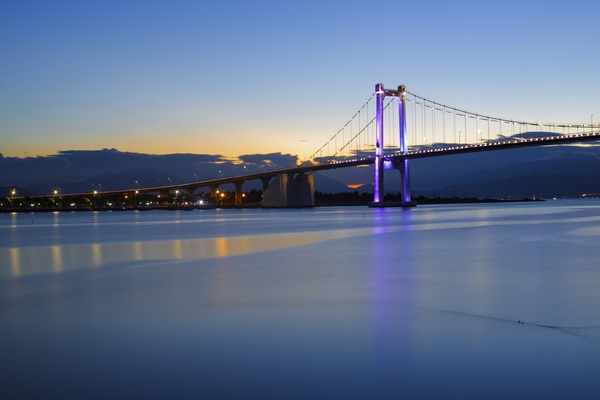
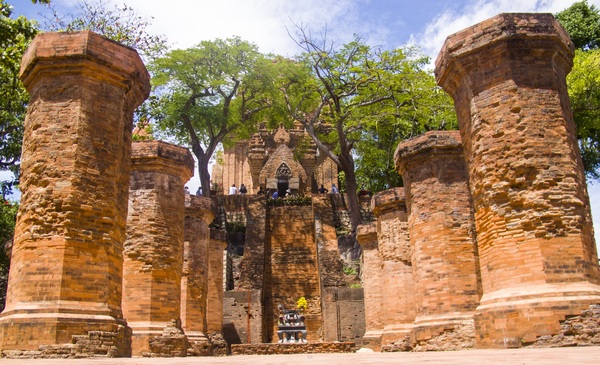
Da Nang is the third largest city in Vietnam with the land area of 1283 square kilometre and the population of approximately 1million people. Da Nang is growing into one of the most organized urban area, with attractive beach front villas on the one side and Han River flowing on the other. Of the few attractions that belong to the city, Museum of Cham stands out with its rich collection of Cham artefacts. For those who crave for more outdoors activities, My Khe beach is a good place to spend time, either by yourself or with your loved ones. Da Nang is in close proximity to Hue- 3 hours North a... See moreDa Nang is the third largest city in Vietnam with the land area of 1283 square kilometre and the population of approximately 1million people. Da Nang is growing into one of the most organized urban area, with attractive beach front villas on the one side and Han River flowing on the other. Of the few attractions that belong to the city, Museum of Cham stands out with its rich collection of Cham artefacts. For those who crave for more outdoors activities, My Khe beach is a good place to spend time, either by yourself or with your loved ones. Da Nang is in close proximity to Hue- 3 hours North and Hoi An- 30 minutes south, which makes it a perfect stop point for those who need a break from touristy areas. Hue was once the Royal Capital of Viet Nam. The city represents the outstanding demonstration of the power of the vanished Vietnamese feudal empire, including a complex of monuments, tombs and pagodas that attract tourists coming from all over the world. Hoi An has to this days well preserved its most sacred treasure, the centuries-old architecture. The town used to harbour foreign traders back in the 17-18th, and once is an important heavily-frequented trading port in Southeast Asia.
See less -
Day 20 Da Nang, Vietnam 27 Jun 2028 (Tuesday)
Da Nang is the third largest city in Vietnam with the land area of 1283 square kilometre and the population of approximately 1million people. Da Nang is growing into one of the most organized urban area, with attractive beach front villas on the one side and Han River flowing on the other. Of the few attractions that belong to the city, Museum of Cham stands out with its rich collection of Cham artefacts. For those who crave for more outdoors activities, My Khe beach is a good place to spend time, either by yourself or with your loved ones. Da Nang is in close proximity to Hue- 3 hours North a... See moreDa Nang is the third largest city in Vietnam with the land area of 1283 square kilometre and the population of approximately 1million people. Da Nang is growing into one of the most organized urban area, with attractive beach front villas on the one side and Han River flowing on the other. Of the few attractions that belong to the city, Museum of Cham stands out with its rich collection of Cham artefacts. For those who crave for more outdoors activities, My Khe beach is a good place to spend time, either by yourself or with your loved ones. Da Nang is in close proximity to Hue- 3 hours North and Hoi An- 30 minutes south, which makes it a perfect stop point for those who need a break from touristy areas. Hue was once the Royal Capital of Viet Nam. The city represents the outstanding demonstration of the power of the vanished Vietnamese feudal empire, including a complex of monuments, tombs and pagodas that attract tourists coming from all over the world. Hoi An has to this days well preserved its most sacred treasure, the centuries-old architecture. The town used to harbour foreign traders back in the 17-18th, and once is an important heavily-frequented trading port in Southeast Asia.
See less - Day 21 Quy Nhon, Vietnam 28 Jun 2028 (Wednesday)
- Day 22 Nha Trang, Vietnam 29 Jun 2028 (Thursday)
-
Day 24 Ho Chi Minh City, Vietnam 01 Jul 2028 (Saturday)
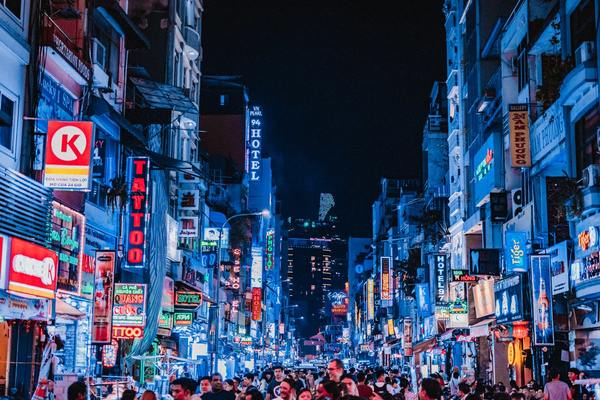
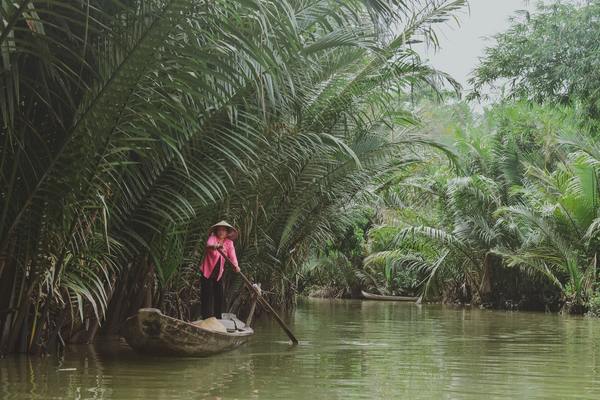
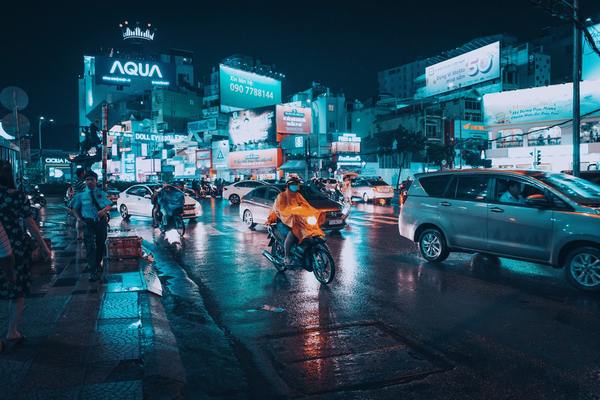
Romantically referred to by the French as the Pearl of the Orient, Ho Chi Minh City today is a super-charged city of sensory overload. Motorbikes zoom day and night along the wide boulevards, through the narrow back alleys and past vendors pushing handcarts hawking goods of all descriptions. Still called Saigon by most residents, this is Vietnam's largest city and the engine driving the country's current economic resurgence, but despite its frenetic pace, it's a friendlier place than Hanoi and locals will tell you the food—simple, tasty, and incorporating many fresh herbs—is infinitely better... See moreRomantically referred to by the French as the Pearl of the Orient, Ho Chi Minh City today is a super-charged city of sensory overload. Motorbikes zoom day and night along the wide boulevards, through the narrow back alleys and past vendors pushing handcarts hawking goods of all descriptions. Still called Saigon by most residents, this is Vietnam's largest city and the engine driving the country's current economic resurgence, but despite its frenetic pace, it's a friendlier place than Hanoi and locals will tell you the food—simple, tasty, and incorporating many fresh herbs—is infinitely better than in the capital.This is a city full of surprises. The madness of the city's traffic—witness the oddball things that are transported on the back of motorcycles—is countered by tranquil pagodas, peaceful parks, quirky coffee shops, and whole neighborhoods hidden down tiny alleyways, although some of these quiet spots can be difficult to track down. Life in Ho Chi Minh City is lived in public: on the back of motorcycles, on the sidewalks, and in the parks. Even when its residents are at home, they're still on display. With many living rooms opening onto the street, grandmothers napping, babies being rocked, and food being prepared, are all in full view of passersby.Icons of the past endure in the midst of the city’s headlong rush into capitalism. The Hotel Continental, immortalized in Graham Greene's The Quiet American, continues to stand on the corner of old Indochina's most famous thoroughfare, the rue Catinat, known to American G.I.s during the Vietnam War as Tu Do (Freedom) Street and renamed Dong Khoi (Uprising) Street by the Communists. The city still has its ornate opera house and its old French city hall, the Hôtel de Ville. The broad colonial boulevards leading to the Saigon River and the gracious stucco villas are other remnants of the French colonial presence. Grisly reminders of the more recent past can be seen at the city's war-related museums. Residents, however, prefer to look forward rather than back and are often perplexed by tourists' fascination with a war that ended 40 years ago.The Chinese influence on the country is still very much in evidence in the Cholon district, the city's Chinatown, but the modern office towers and international hotels that mark the skyline symbolize Vietnam's fixation on the future.
See less -
Day 25 Ho Chi Minh City, Vietnam 02 Jul 2028 (Sunday)
Romantically referred to by the French as the Pearl of the Orient, Ho Chi Minh City today is a super-charged city of sensory overload. Motorbikes zoom day and night along the wide boulevards, through the narrow back alleys and past vendors pushing handcarts hawking goods of all descriptions. Still called Saigon by most residents, this is Vietnam's largest city and the engine driving the country's current economic resurgence, but despite its frenetic pace, it's a friendlier place than Hanoi and locals will tell you the food—simple, tasty, and incorporating many fresh herbs—is infinitely better... See moreRomantically referred to by the French as the Pearl of the Orient, Ho Chi Minh City today is a super-charged city of sensory overload. Motorbikes zoom day and night along the wide boulevards, through the narrow back alleys and past vendors pushing handcarts hawking goods of all descriptions. Still called Saigon by most residents, this is Vietnam's largest city and the engine driving the country's current economic resurgence, but despite its frenetic pace, it's a friendlier place than Hanoi and locals will tell you the food—simple, tasty, and incorporating many fresh herbs—is infinitely better than in the capital.This is a city full of surprises. The madness of the city's traffic—witness the oddball things that are transported on the back of motorcycles—is countered by tranquil pagodas, peaceful parks, quirky coffee shops, and whole neighborhoods hidden down tiny alleyways, although some of these quiet spots can be difficult to track down. Life in Ho Chi Minh City is lived in public: on the back of motorcycles, on the sidewalks, and in the parks. Even when its residents are at home, they're still on display. With many living rooms opening onto the street, grandmothers napping, babies being rocked, and food being prepared, are all in full view of passersby.Icons of the past endure in the midst of the city’s headlong rush into capitalism. The Hotel Continental, immortalized in Graham Greene's The Quiet American, continues to stand on the corner of old Indochina's most famous thoroughfare, the rue Catinat, known to American G.I.s during the Vietnam War as Tu Do (Freedom) Street and renamed Dong Khoi (Uprising) Street by the Communists. The city still has its ornate opera house and its old French city hall, the Hôtel de Ville. The broad colonial boulevards leading to the Saigon River and the gracious stucco villas are other remnants of the French colonial presence. Grisly reminders of the more recent past can be seen at the city's war-related museums. Residents, however, prefer to look forward rather than back and are often perplexed by tourists' fascination with a war that ended 40 years ago.The Chinese influence on the country is still very much in evidence in the Cholon district, the city's Chinatown, but the modern office towers and international hotels that mark the skyline symbolize Vietnam's fixation on the future.
See less
What's Included:
Suites
-
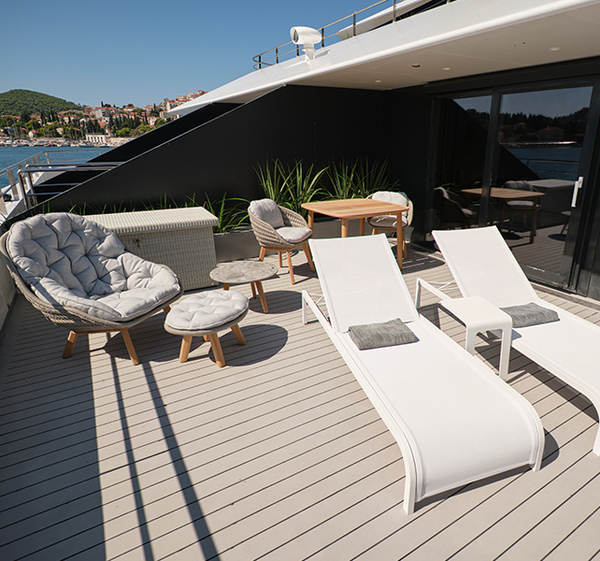
Terrace Suite
Our spacious Terrace Suites take pride of place at the aft of the Panorama Deck. You'll enjoy a private oversized terrace, where you'll be able to soak up the sun. Take advantage of the pillow menu and have up to two items laundered each day.
Terrace Suite
-
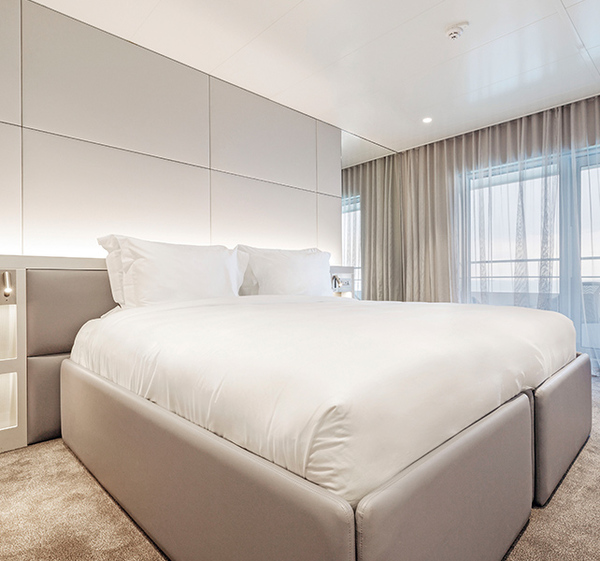
Oceanview Stateroom
Situated on the Emerald Deck, our Oceanview Staterooms boast ample space and offer stunning views through your ocean-view window. Indulge in the luxurious amenities you'll find here, such as ESPA toiletries in your en-suite bathroom.
Oceanview Stateroom
-
Balcony Suite
Located across the Observation and Panorama Decks, our Balcony Suites are your stylish home away from home. Enjoy stunning views from your private-access balcony and everything you need for a great night's sleep.
Balcony Suite
-
Yacht Suite
Positioned at the aft of the Observation Deck, you'll be treated to sensational coastal views from your private terrace. Enjoy this spacious suite with a welcome bottle of champagne and a wealth of space for your belongings including a walk-in wardrobe.
Yacht Suite
-
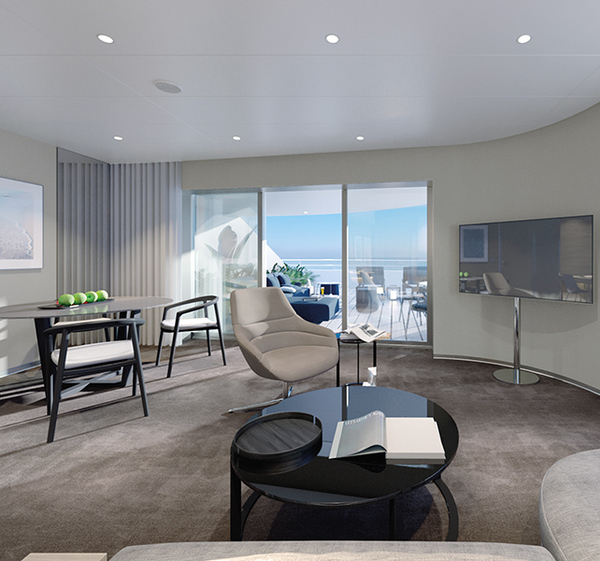
Deluxe Balcony Suite
Located on the Pool Deck, these spacious suites feature separate bedroom and lounge areas, and a private balcony for your enjoyment. Make the most of your state-of-the-art tea and coffee-making facilities and enjoy a fruit platter on arrival.
Deluxe Balcony Suite
-
Owner's Suite
These suites are the largest on board, located on the Pool Deck. Boasting a walk-in wardrobe and separate lounge and bedroom areas, you'll benefit from pure privacy. Your large private terrace enables you to relax alfresco, admiring stunning views.
Owner's Suite
Restaurants
-
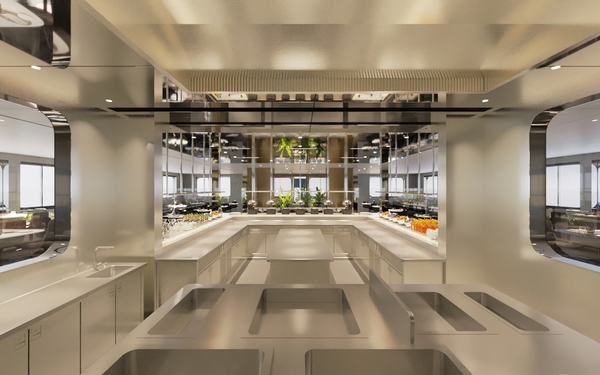
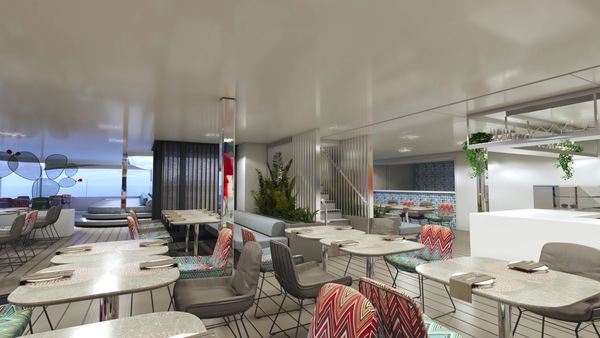
La Cucina
Our premier on board dining spot
Enjoy fine à la carte dining, as well as sumptuous breakfasts and lunches in the serene setting of our spacious La Cucina Dining, taking inspiration from the path you're navigating. This stylish restaurant boasts ample space and you can expect fresh, locally sourced dinners, thoughtfully crafted by our expert chefs. If you prefer to dine alfresco, head out to the adjoining Terrace to enjoy your meals under the sun.
-
Aqua Pool Cafe
Light bites under the sun
At the Aqua Pool Café, a selection of flatbreads pack a punch with a range of fillings, and revitalising gelato satisfies your sweet tooth. Or, if you need a caffeine boost, grab a delicious coffee to go.
Deckplans
-
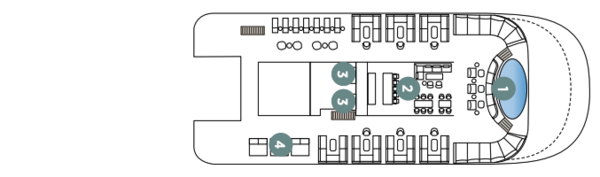
Sky Deck
- Spa Pool (1)
- Sky Bar (2)
- Elevators (3)
- Sky Deck Cabanas (4)
-
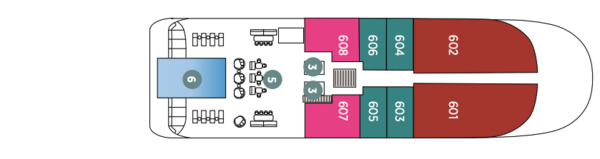
Pool Deck
- Elevators (3)
- Aqua Café (5)
- Aqua Pool (6)
- Owner's Suite
- Balcony Suite
- Deluxe Balcony Suite
-
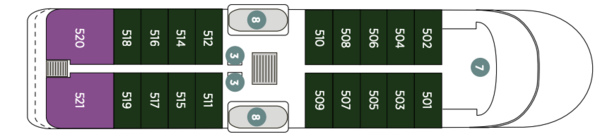
Panorama Deck
- Elevators (3)
- Life Boats (8)
- Navigation Bridge (7)
- Balcony Suite
- Terrace Suite
-
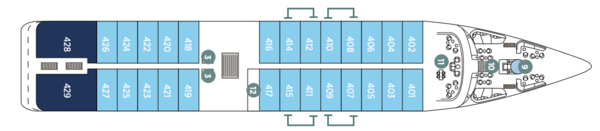
Observation Deck
- Elevators (3)
- Life Boats (8)
- Spa Pool (9)
- Observation Sun Deck (10)
- Observation Lounge (11)
- Self-Service Laundry (12)
- Yacht Suite
- Balcony Suite
-
Emerald Deck
- Elevators (3)
- Amici Bar & Lounge (13)
- Reception (14)
- Boutique (15)
- Night Market Grill (16)
- La Cucina Terrace (17)
- Oceanview Stateroom
-
Wellness Deck
- Elevators (3)
- Medical Center (19)
- Elements Spa (20)
- Sauna (21)
- Infrared Sauna (22)
- Hairdresser (23)
- Tender Boat (24)
- Zodiac (25)
- Gym (26)
- Marina Lounge (27)
- Marina Deck (28)
Ready to Book?
For more information; please contact our Cruise specialists who will be delighted to help you plan your next holiday.
Call us on 01625 858158 Request Availability & PriceSign up to our Newsletter for exclusive offers and receive up to £250 off your next holiday.
For New Subscribers Only.