-
Mediterranean
Britannia, P&O Cruises
BOOK WITH CONFIDENCE
Family run business established in 1983. ABTA & ATOL Protected.
COMPETITIVELY PRICED
We work closely with our travel partners to secure the best holiday price available.
KNOWLEDGE & SERVICE
Our extensively travelled team are here to ensure you receive the very best advice and first-class service.
Britannia
Departure: 05/06/2026
Duration: 22 Days
Roundtrip from Southampton
Itinerary
Mediterranean
-
Day 1 Southampton, England 05 Jun 2026 (Friday)
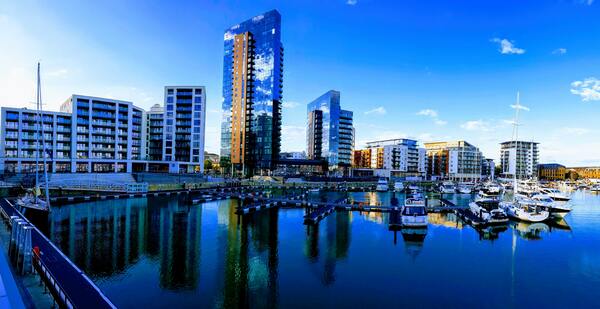
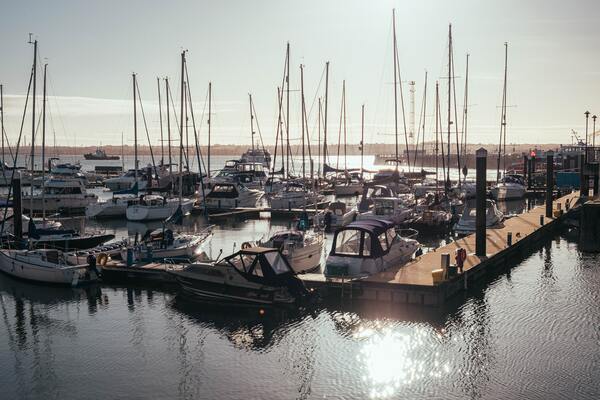
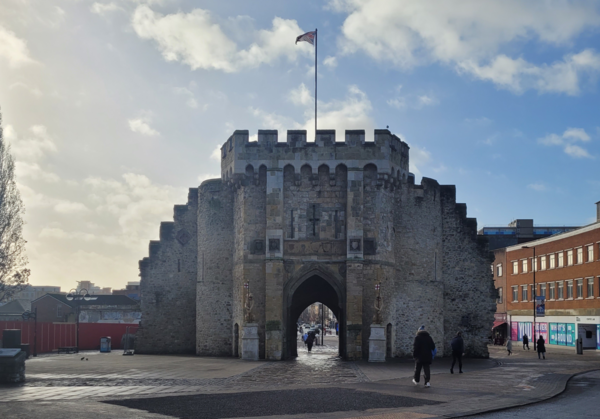
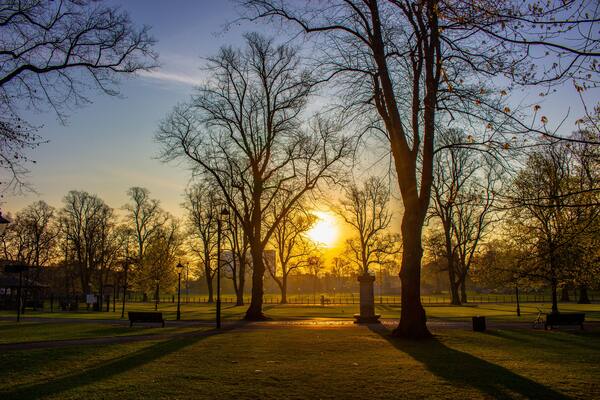
Lying near the head of Southampton Water, a peninsula between the estuaries of the Rivers Test and Itchen, Southampton is Britain’s largest cruise port. It has been one of England’s major ports since the Middle Ages, when it exported wool and hides from the hinterland and imported wine from Bordeaux. The city suffered heavy damage during World War Two and as a result the centre has been extensively rebuilt, but there are still some interesting medieval buildings including the Bargate, one of the finest city gatehouses in England.
-
Day 5 Cartagena, Spain 09 Jun 2026 (Tuesday)
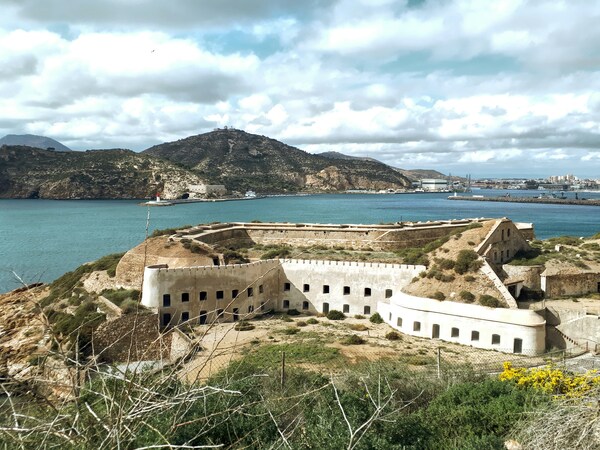
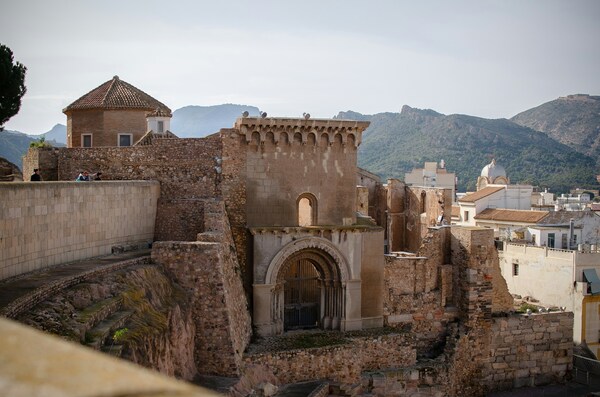
A Mediterranean city and naval station located in the Region of Murcia, southeastern Spain, Cartagena’s sheltered bay has attracted sailors for centuries. The Carthaginians founded the city in 223BC and named it Cartago Nova; it later became a prosperous Roman colony, and a Byzantine trading centre. The city has been the main Spanish Mediterranean naval base since the reign of King Philip II, and is still surrounded by walls built during this period. Cartagena’s importance grew with the arrival of the Spanish Bourbons in the 18th century, when the Navidad Fortress was constructed to protect th... See moreA Mediterranean city and naval station located in the Region of Murcia, southeastern Spain, Cartagena’s sheltered bay has attracted sailors for centuries. The Carthaginians founded the city in 223BC and named it Cartago Nova; it later became a prosperous Roman colony, and a Byzantine trading centre. The city has been the main Spanish Mediterranean naval base since the reign of King Philip II, and is still surrounded by walls built during this period. Cartagena’s importance grew with the arrival of the Spanish Bourbons in the 18th century, when the Navidad Fortress was constructed to protect the harbour. In recent years, traces of the city’s fascinating past have been brought to light: a well-preserved Roman Theatre was discovered in 1988, and this has now been restored and opened to the public. During your free time, you may like to take a mini-cruise around Cartagena's historic harbour: these operate several times a day, take approximately 40 minutes and do not need to be booked in advance. Full details will be available at the port.
See less -
Day 7 Cagliari, Italy 11 Jun 2026 (Thursday)
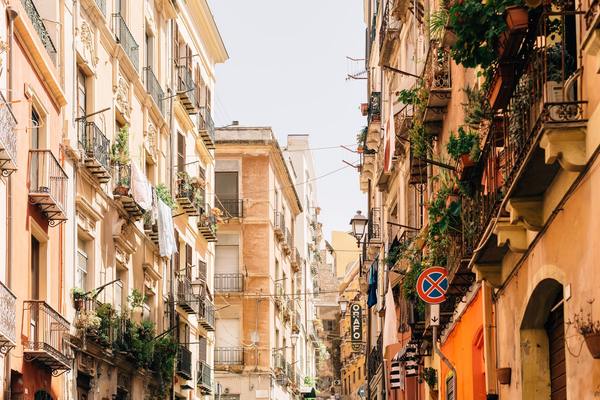
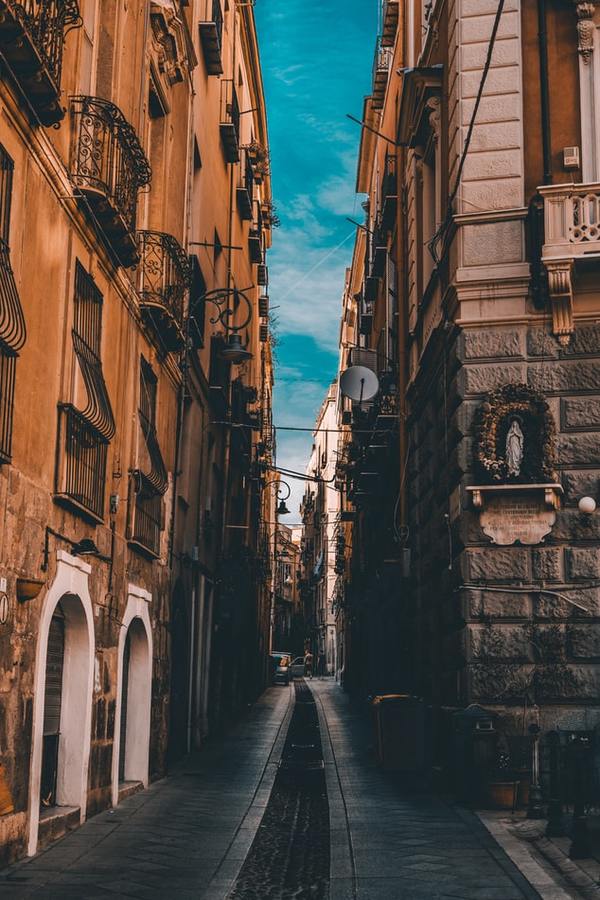
Known in Sardinia as Casteddu, the island's capital has steep streets and impressive Italianate architecture, from modern to medieval. This city of nearly 160,000 people is characterized by a busy commercial center and waterfront with broad avenues and arched arcades, as well as by the typically narrow streets of the old hilltop citadel (called, simply, “Castello”). The Museo Archeologico makes a good starting point to a visit. The imposing Bastione di Saint Remy and Mercato di San Benedetto (one of the best fish markets in Italy) are both musts.Known in Sardinia as Casteddu, the island's capital has steep streets and impressive Italianate architecture, from modern to medieval. This city of nearly 160,000 people is characterized by a busy commercial center and waterfront with broad avenues and arched arcades, as well as by the typically narrow streets of the old hilltop citadel (called, simply, “Castello”). The Museo Archeologico makes a good starting point to a visit. The imposing Bastione di Saint Remy and Mercato di San Benedetto (one of the best fish markets in Italy) are both musts.
See less -
Day 9 Corfu, Greece 13 Jun 2026 (Saturday)
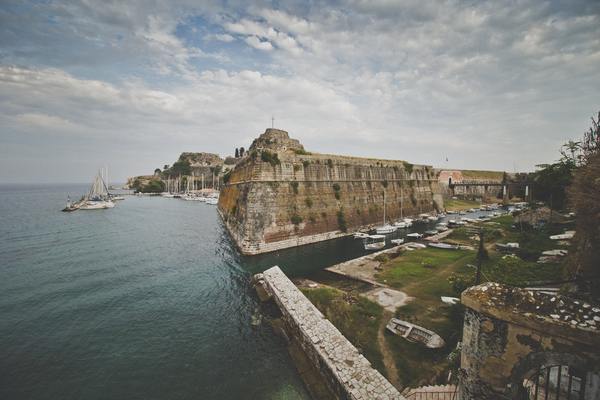
Corfu town today is a vivid tapestry of cultures—a sophisticated weave, where charm, history, and natural beauty blend. Located about midway along the island's east coast, this spectacularly lively capital is the cultural heart of Corfu and has a remarkable historic center that UNESCO designated as a World Heritage Site in 2007. All ships and planes dock or land near Corfu town, which occupies a small peninsula jutting into the Ionian Sea.Whether arriving by ferry from mainland Greece or Italy, from another island, or directly by plane, catch your breath by first relaxing with a coffee or a ge... See moreCorfu town today is a vivid tapestry of cultures—a sophisticated weave, where charm, history, and natural beauty blend. Located about midway along the island's east coast, this spectacularly lively capital is the cultural heart of Corfu and has a remarkable historic center that UNESCO designated as a World Heritage Site in 2007. All ships and planes dock or land near Corfu town, which occupies a small peninsula jutting into the Ionian Sea.Whether arriving by ferry from mainland Greece or Italy, from another island, or directly by plane, catch your breath by first relaxing with a coffee or a gelato in Corfu town's shaded Liston Arcade, then stroll the narrow lanes of its pedestrians-only quarter. For an overview of the immediate area, and a quick tour of Mon Repos palace, hop on the little tourist train that runs from May to September. Corfu town has a different feel at night, so book a table at one of its famed tavernas to savor the island's unique cuisine.The best way to get around Corfu town is on foot. The town is small enough so that you can easily walk to every sight. There are local buses, but they do not thread their way into the streets (many now car-free) of the historic center. If you are arriving by ferry or plane, it's best to take a taxi to your hotel. Expect to pay about €10 from the airport or ferry terminal to a hotel in Corfu town. If there are no taxis waiting, you can call for one.
See less -
Day 10 Corfu, Greece 14 Jun 2026 (Sunday)
Corfu town today is a vivid tapestry of cultures—a sophisticated weave, where charm, history, and natural beauty blend. Located about midway along the island's east coast, this spectacularly lively capital is the cultural heart of Corfu and has a remarkable historic center that UNESCO designated as a World Heritage Site in 2007. All ships and planes dock or land near Corfu town, which occupies a small peninsula jutting into the Ionian Sea.Whether arriving by ferry from mainland Greece or Italy, from another island, or directly by plane, catch your breath by first relaxing with a coffee or a ge... See moreCorfu town today is a vivid tapestry of cultures—a sophisticated weave, where charm, history, and natural beauty blend. Located about midway along the island's east coast, this spectacularly lively capital is the cultural heart of Corfu and has a remarkable historic center that UNESCO designated as a World Heritage Site in 2007. All ships and planes dock or land near Corfu town, which occupies a small peninsula jutting into the Ionian Sea.Whether arriving by ferry from mainland Greece or Italy, from another island, or directly by plane, catch your breath by first relaxing with a coffee or a gelato in Corfu town's shaded Liston Arcade, then stroll the narrow lanes of its pedestrians-only quarter. For an overview of the immediate area, and a quick tour of Mon Repos palace, hop on the little tourist train that runs from May to September. Corfu town has a different feel at night, so book a table at one of its famed tavernas to savor the island's unique cuisine.The best way to get around Corfu town is on foot. The town is small enough so that you can easily walk to every sight. There are local buses, but they do not thread their way into the streets (many now car-free) of the historic center. If you are arriving by ferry or plane, it's best to take a taxi to your hotel. Expect to pay about €10 from the airport or ferry terminal to a hotel in Corfu town. If there are no taxis waiting, you can call for one.
See less -
Day 12 Zadar, Croatia 16 Jun 2026 (Tuesday)
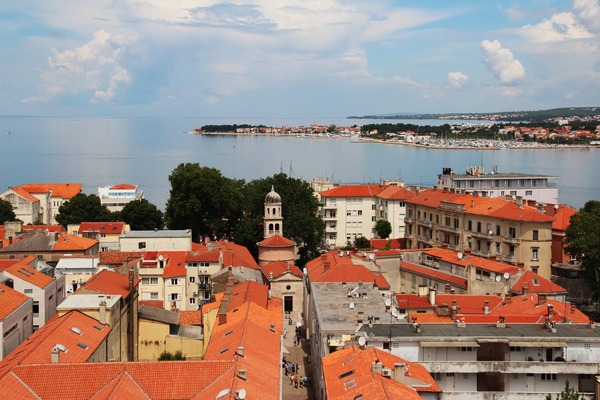
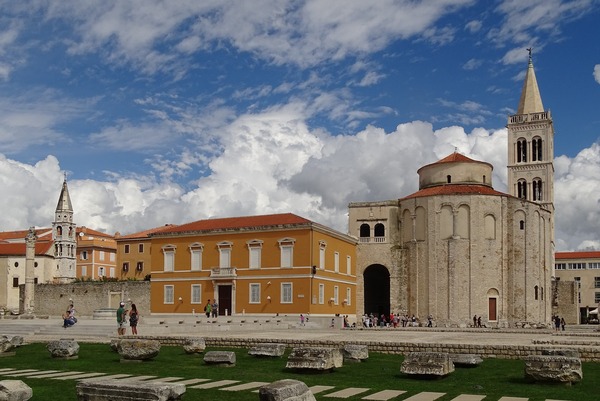
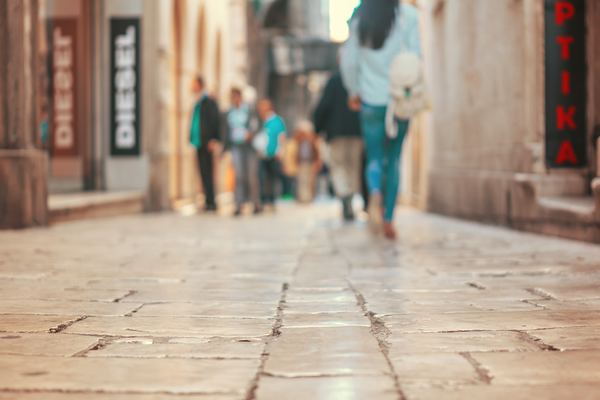
Dalmatia's capital for more than 1,000 years, Zadar is all too often passed over by travelers on their way to Split or Dubrovnik. What they miss out on is a city of more than 73,000 that is remarkably lovely and lively despite—and, in some measure, because of—its tumultuous history. The Old Town, separated from the rest of the city on a peninsula some 4 km (2½ miles) long and just 1,640 feet wide, is bustling and beautiful: the marble pedestrian streets are replete with Roman ruins, medieval churches, palaces, museums, archives, and libraries. Parts of the new town are comparatively dreary, a... See moreDalmatia's capital for more than 1,000 years, Zadar is all too often passed over by travelers on their way to Split or Dubrovnik. What they miss out on is a city of more than 73,000 that is remarkably lovely and lively despite—and, in some measure, because of—its tumultuous history. The Old Town, separated from the rest of the city on a peninsula some 4 km (2½ miles) long and just 1,640 feet wide, is bustling and beautiful: the marble pedestrian streets are replete with Roman ruins, medieval churches, palaces, museums, archives, and libraries. Parts of the new town are comparatively dreary, a testament to what a world war followed by decades of communism, not to mention a civil war, can do to the architecture of a city that is 3,000 years old. A settlement had already existed on the site of the present-day city for some 2,000 years when Rome finally conquered Zadar in the 1st century BC; the foundations of the forum can be seen today. Before the Romans came the Liburnians had made it a key center for trade with the Greeks and Romans for 800 years. In the 3rd century BC the Romans began to seriously pester the Liburnians, but required two centuries to bring the area under their control. During the Byzantine era, Zadar became the capital of Dalmatia, and this period saw the construction of its most famous church, the 9th-century St. Donat's Basilica. It remained the region's foremost city through the ensuing centuries. The city then experienced successive onslaughts and occupations—both long and short—by the Osogoths, the Croatian-Hungarian kings, the Venetians, the Turks, the Habsburgs, the French, the Habsburgs again, and finally the Italians before becoming part of Yugoslavia and, in 1991, the independent republic of Croatia. Zadar was for centuries an Italian-speaking city, and Italian is still spoken widely, especially by older people. Indeed, it was ceded to Italy in 1921 under the Treaty of Rapallo (and reverted to its Italian name of Zara). Its occupation by the Germans from 1943 led to intense bombing by the Allies during World War II, which left most of the city in ruins. Zadar became part of Tito's Yugoslavia in 1947, prompting many Italian residents to leave. Zadar's most recent ravages occurred during a three-month siege by Serb forces and months more of bombardment during the Croatian-Serbian war between 1991 and 1995. But you'd be hard-pressed to find outward signs of this today in what is a city to behold. There are helpful interpretive signs in English all around the Old Town, so you certainly won't feel lost when trying to make sense of the wide variety of architectural sites you might otherwise pass by with only a cursory look.
See less -

Day 13 Split, Croatia 17 Jun 2026 (Wednesday)
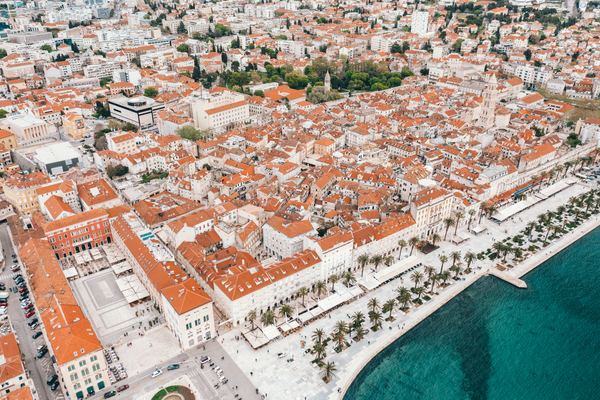
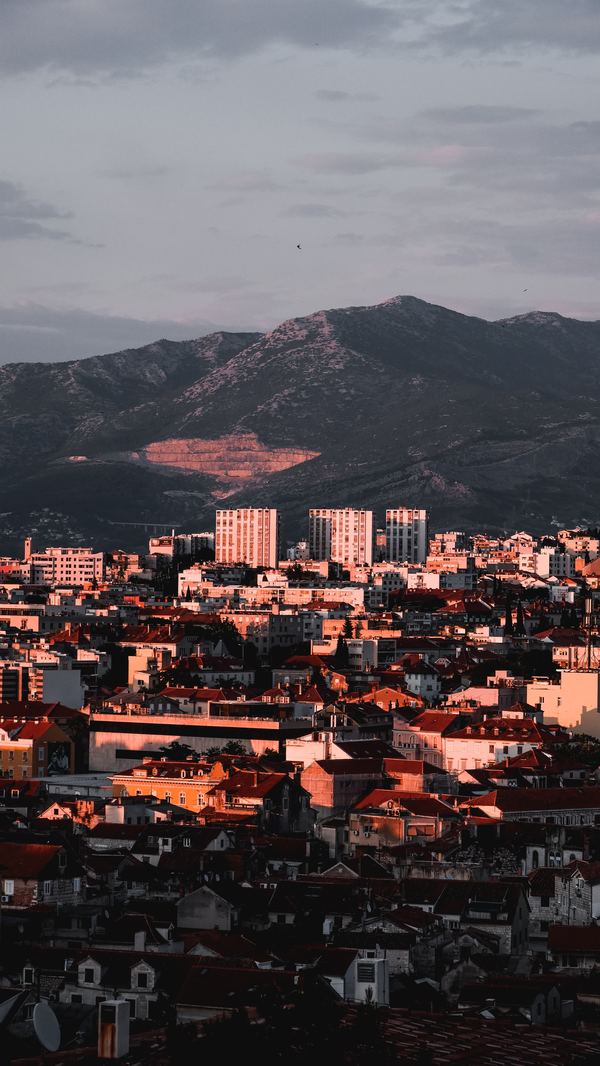
Split's ancient core is so spectacular and unusual that a visit is more than worth your time. The heart of the city lies within the walls of Roman emperor Diocletian's retirement palace, which was built in the 3rd century AD. Diocletian, born in the nearby Roman settlement of Salona in AD 245, achieved a brilliant career as a soldier and became emperor at the age of 40. In 295 he ordered this vast palace to be built in his native Dalmatia, and when it was completed he stepped down from the throne and retired to his beloved homeland. Upon his death, he was laid to rest in an octagonal mausoleum... See moreSplit's ancient core is so spectacular and unusual that a visit is more than worth your time. The heart of the city lies within the walls of Roman emperor Diocletian's retirement palace, which was built in the 3rd century AD. Diocletian, born in the nearby Roman settlement of Salona in AD 245, achieved a brilliant career as a soldier and became emperor at the age of 40. In 295 he ordered this vast palace to be built in his native Dalmatia, and when it was completed he stepped down from the throne and retired to his beloved homeland. Upon his death, he was laid to rest in an octagonal mausoleum, around which Split's magnificent cathedral was built.In 615, when Salona was sacked by barbarian tribes, those fortunate enough to escape found refuge within the stout palace walls and divided up the vast imperial apartments into more modest living quarters. Thus, the palace developed into an urban center, and by the 11th century the settlement had expanded beyond the ancient walls.Under the rule of Venice (1420–1797), Split—as a gateway to the Balkan interior—became one of the Adriatic's main trading ports, and the city's splendid Renaissance palaces bear witness to the affluence of those times. When the Habsburgs took control during the 19th century, an overland connection to Central Europe was established by the construction of the Split–Zagreb–Vienna railway line.After World War II, the Tito years saw a period of rapid urban expansion: industrialization accelerated and the suburbs extended to accommodate high-rise apartment blocks. Today the historic center of Split is included on UNESCO's list of World Heritage Sites.
See less -
Day 15 Valletta, Malta 19 Jun 2026 (Friday)
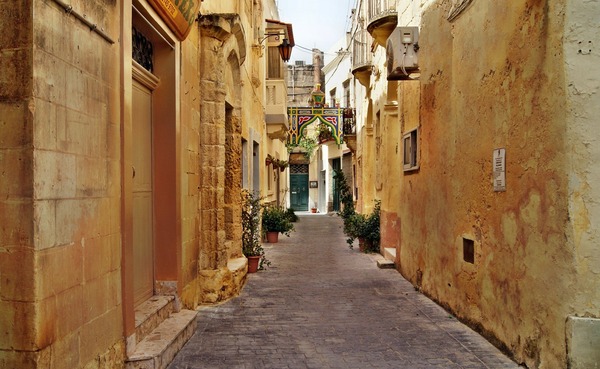
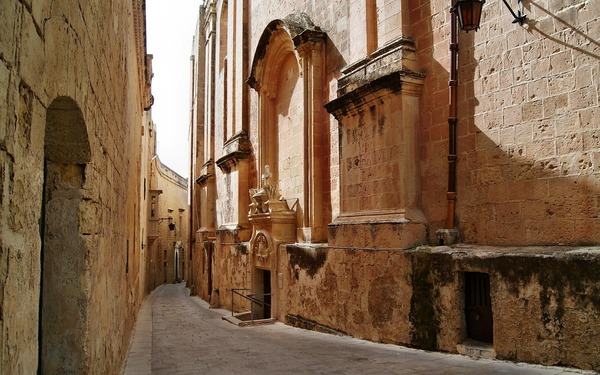
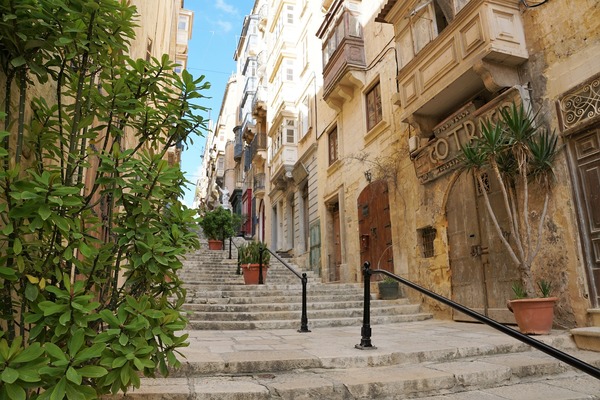
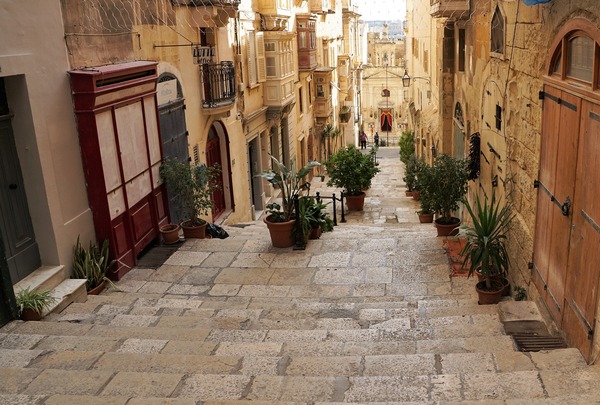
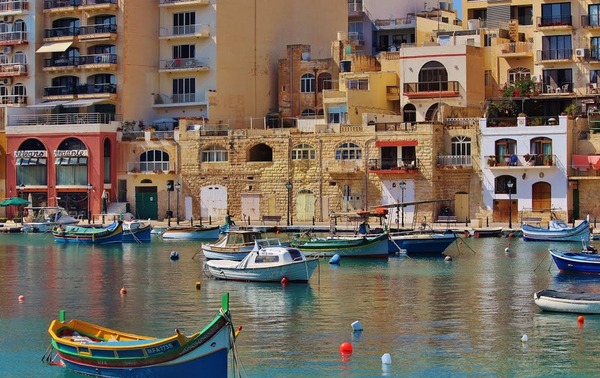
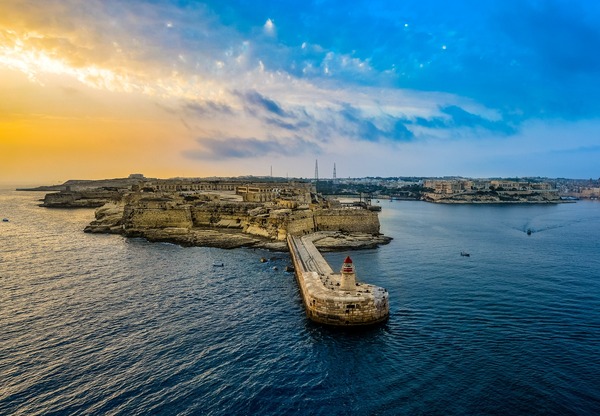
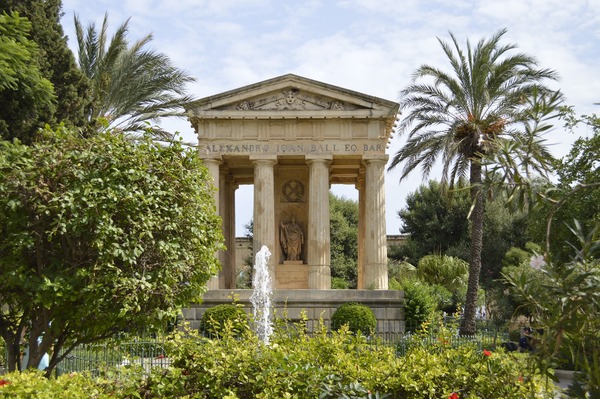
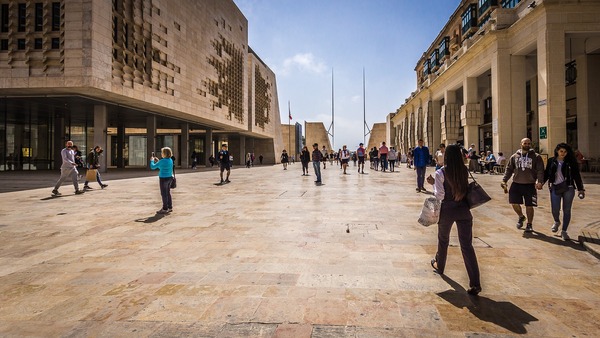
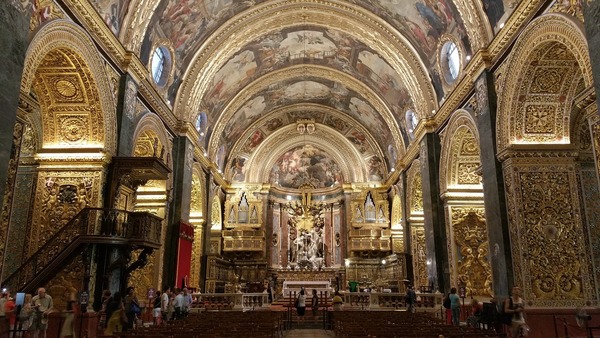
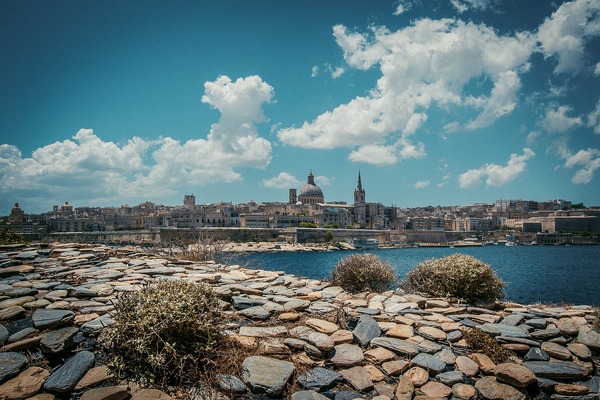
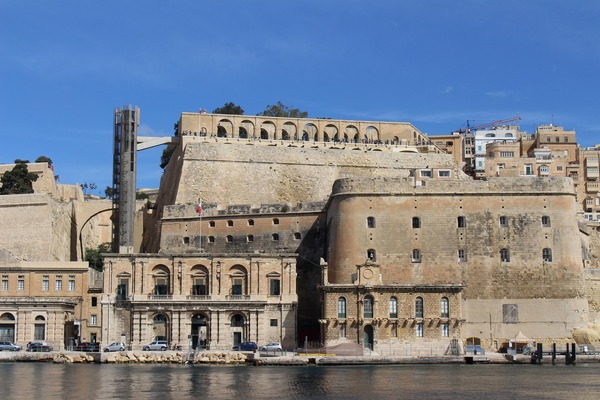
Malta's capital, the minicity of Valletta, has ornate palaces and museums protected by massive fortifications of honey-color limestone. Houses along the narrow streets have overhanging wooden balconies for people-watching from indoors. Generations ago they gave housebound women a window on the world of the street. The main entrance to town is through the City Gate (where all bus routes end), which leads onto Triq Repubblika (Republic Street), the spine of the grid-pattern city and the main shopping street. Triq Mercante (Merchant Street) parallels Repubblika to the east and is also good for st... See moreMalta's capital, the minicity of Valletta, has ornate palaces and museums protected by massive fortifications of honey-color limestone. Houses along the narrow streets have overhanging wooden balconies for people-watching from indoors. Generations ago they gave housebound women a window on the world of the street. The main entrance to town is through the City Gate (where all bus routes end), which leads onto Triq Repubblika (Republic Street), the spine of the grid-pattern city and the main shopping street. Triq Mercante (Merchant Street) parallels Repubblika to the east and is also good for strolling. From these two streets, cross streets descend toward the water; some are stepped. Valletta's compactness makes it ideal to explore on foot. City Gate and the upper part of Valletta are experiencing vast redevelopment that includes a new Parliament Building and open-air performance venue. The complex, completed mid-2013, has numerous pedestrian detours in place along with building noise and dust. Before setting out along Republic Street, stop at the tourist information office on Merchant Street for maps and brochures.
See less -
Day 17 Palma de Mallorca, Spain 21 Jun 2026 (Sunday)
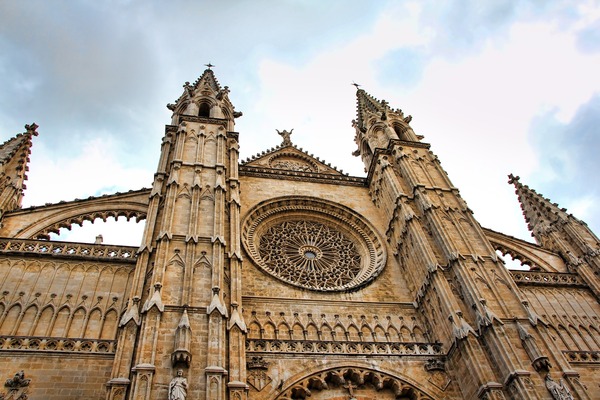
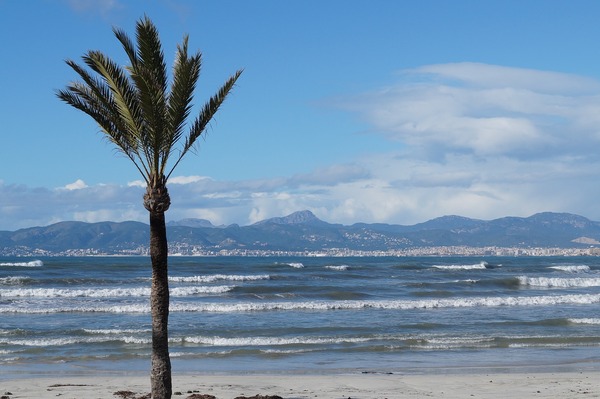
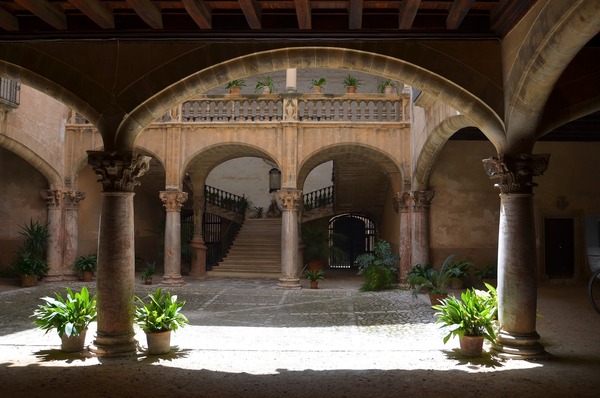
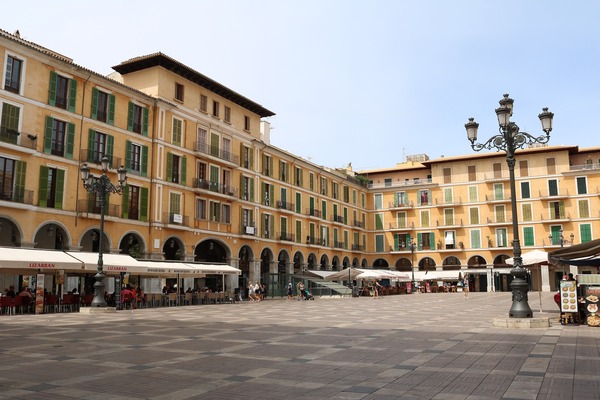
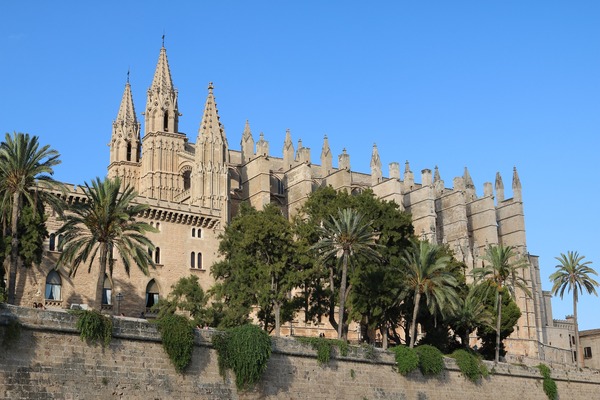
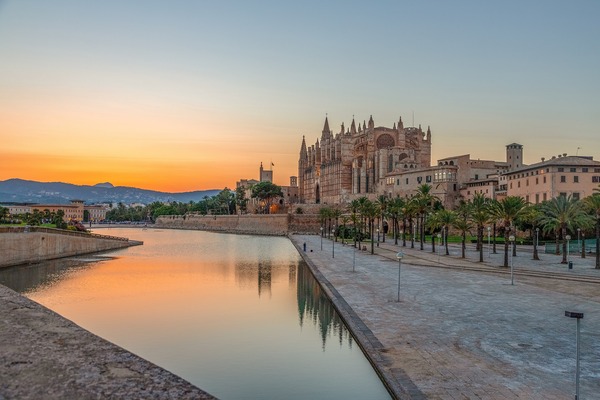
If you look north of the cathedral (La Seu, or the seat of the bishopric, to Mallorcans) on a map of the city of Palma, you can see around the Plaça Santa Eulàlia a jumble of tiny streets that made up the earliest settlement. Farther out, a ring of wide boulevards traces the fortifications built by the Moors to defend the larger city that emerged by the 12th century. The zigzags mark the bastions that jutted out at regular intervals. By the end of the 19th century, most of the walls had been demolished; the only place where you can still see the massive defenses is at Ses Voltes, along the sea... See moreIf you look north of the cathedral (La Seu, or the seat of the bishopric, to Mallorcans) on a map of the city of Palma, you can see around the Plaça Santa Eulàlia a jumble of tiny streets that made up the earliest settlement. Farther out, a ring of wide boulevards traces the fortifications built by the Moors to defend the larger city that emerged by the 12th century. The zigzags mark the bastions that jutted out at regular intervals. By the end of the 19th century, most of the walls had been demolished; the only place where you can still see the massive defenses is at Ses Voltes, along the seafront west of the cathedral.A torrent (streambed) used to run through the middle of the old city, dry for most of the year but often a raging flood in the rainy season. In the 17th century it was diverted to the east, along the moat that ran outside the city walls. Two of Palma's main arteries, La Rambla and the Passeig d'es Born, now follow the stream's natural course. The traditional evening paseo (promenade) takes place on the Born.If you come to Palma by car, park in the garage beneath the Parc de la Mar (the ramp is just off the highway from the airport, as you reach the cathedral) and stroll along the park. Beside it run the huge bastions guarding the Almudaina Palace; the cathedral, golden and massive, rises beyond. Where you exit the garage, there's a ceramic mural by the late Catalan artist and Mallorca resident Joan Miró, facing the cathedral across the pool that runs the length of the park.If you begin early enough, a walk along the ramparts at Ses Voltes from the mirador beside the cathedral is spectacular. The first rays of the sun turn the upper pinnacles of La Seu bright gold and then begin to work their way down the sandstone walls. From the Parc de la Mar, follow Avinguda Antoni Maura past the steps to the palace. Just below the Plaça de la Reina, where the Passeig d'es Born begins, turn left on Carrer de la Boteria into the Plaça de la Llotja (if the Llotja itself is open, don't miss a chance to visit—it's the Mediterranean's finest Gothic-style civic building). From there stroll through the Plaça Drassana to the Museu d'Es Baluard, at the end of Carrer Sant Pere. Retrace your steps to Avinguda Antoni Maura. Walk up the Passeig d'es Born to Plaça Joan Carles I, then right on Avenida de La Unió.
See less -
Day 20 La Coruña, Spain 24 Jun 2026 (Wednesday)
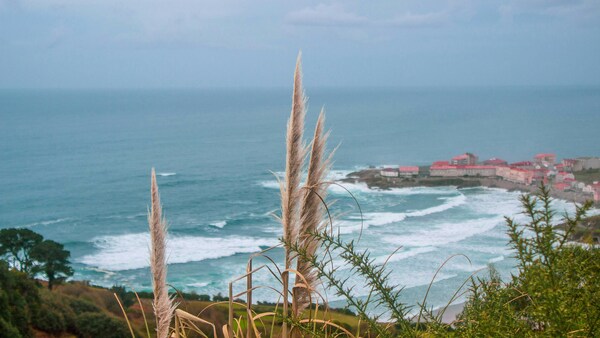
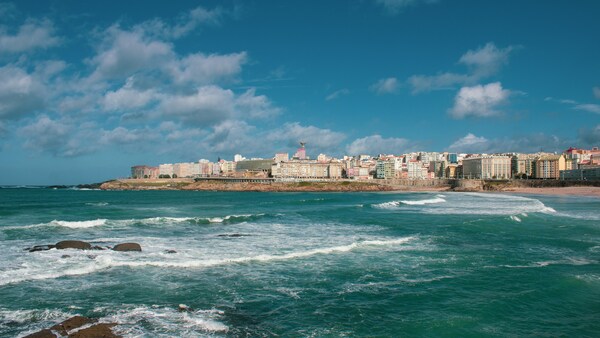
La Coruña, the largest city in Spain's Galicia region, is among the country's busiest ports. The remote Galicia area is tucked into the northwest corner of the Iberian Peninsula, surprising visitors with its green and misty countryside that is so much unlike other parts of Spain. The name "Galicia" is Celtic in origin, for it was the Celts who occupied the region around the 6th-century BC and erected fortifications. La Coruña was already considered an important port under the Romans. They were followed by an invasion of Suevians, Visigoths and, much later in 730, the Moors. It was after Galici... See moreLa Coruña, the largest city in Spain's Galicia region, is among the country's busiest ports. The remote Galicia area is tucked into the northwest corner of the Iberian Peninsula, surprising visitors with its green and misty countryside that is so much unlike other parts of Spain. The name "Galicia" is Celtic in origin, for it was the Celts who occupied the region around the 6th-century BC and erected fortifications. La Coruña was already considered an important port under the Romans. They were followed by an invasion of Suevians, Visigoths and, much later in 730, the Moors. It was after Galicia was incorporated into the Kingdom of Asturias that the epic saga of the Pilgrimage to Santiago (St. James) began. From the 15th century, overseas trade developed rapidly; in 1720, La Coruña was granted the privilege of trading with America - a right previously only held by Cadiz and Seville. This was the great era when adventurous men voyaged to the colonies and returned with vast riches. Today, the city's significant expansion is evident in three distinct quarters: the town centre located along the isthmus; the business and commercial centre with wide avenues and shopping streets; and the "Ensanche" to the south, occupied by warehouses and factories. Many of the buildings in the old section feature the characteristic glazed façades that have earned La Coruña the name "City of Crystal." Plaza Maria Pita, the beautiful main square, is named after the local heroine who saved the town in 1589 when she seized the English standard from the beacon and gave the alarm, warning her fellow townsmen of the English attack.
See less -
Day 22 Southampton, England 26 Jun 2026 (Friday)
Lying near the head of Southampton Water, a peninsula between the estuaries of the Rivers Test and Itchen, Southampton is Britain’s largest cruise port. It has been one of England’s major ports since the Middle Ages, when it exported wool and hides from the hinterland and imported wine from Bordeaux. The city suffered heavy damage during World War Two and as a result the centre has been extensively rebuilt, but there are still some interesting medieval buildings including the Bargate, one of the finest city gatehouses in England.Lying near the head of Southampton Water, a peninsula between the estuaries of the Rivers Test and Itchen, Southampton is Britain’s largest cruise port. It has been one of England’s major ports since the Middle Ages, when it exported wool and hides from the hinterland and imported wine from Bordeaux. The city suffered heavy damage during World War Two and as a result the centre has been extensively rebuilt, but there are still some interesting medieval buildings including the Bargate, one of the finest city gatehouses in England.
See less
What's Included:
- Full-board dining across a variety of restaurants.
- Entertainment options, including West End-style shows and live music.
- Access to pools, gyms, and other leisure facilities.
- Children's clubs catering to different age groups.
- Prices in pounds sterling on board for added convenience.
Suites
-
Single Inside Cabins
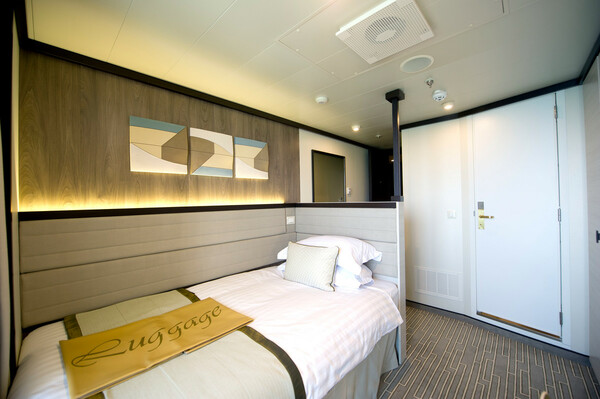
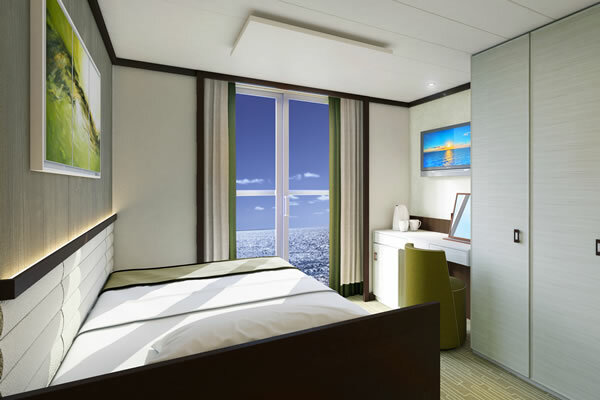
Enjoy the perfect hideaway in a Single Inside cabin. There's a wardrobe and plenty of drawer space for all your outfits. You have your own TV and toiletries from The White Company. Some Single cabins may have a table and chairs or even a sofa for relaxing in private.
A perfectly private space for a really sound sleep, your air-conditioned cosy cabin includes a TV and toiletries from The White Company. Ideal for restful nights and daily adventures, the more spacious Inside cabins even have a sofa and/or table and chairs.
Inside cabins have the following benefits
- Air conditioning
- Tea and coffee facilities
- Free in-cabin TV
- Daily steward service
- Cabin safe
- Cabin hairdryer
- Cabin telephone
- Vanity writing desk and chair
- Toiletries from The White Company
- British plug socket
- Chiller
Single Inside Cabins
-
Single Balcony Cabins
Step into your private outdoor space for some fresh air whenever you like. If you like to feel the sea breeze and enjoy having your own private outdoor space a Balcony cabin is ideal. Your balcony is the perfect place to savour a lazy continental breakfast or spend a few peaceful hours sunbathing with a book.
Your own private balcony is the ideal place to enjoy room service, your morning cuppa or just a quiet moment when the mood takes you.
Balcony cabins have the following benefits
- Air conditioning
- Tea and coffee facilities
- Free in-cabin TV
- Daily steward service
- Cabin safe
- Cabin hairdryer
- Cabin telephone
- Vanity writing desk and chair
- Toiletries from The White Company
- British plug socket
- Chiller
- Floor to ceiling glass doors
- Balcony
Single Balcony Cabins
-
Inside Cabins
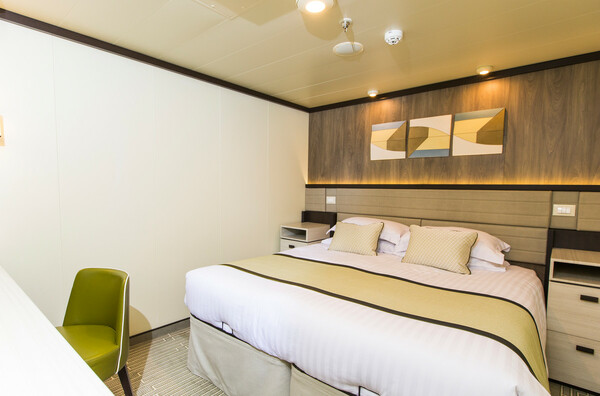
Cosy and comfortable, an Inside cabin is just the place to relax and re-energise for all your holiday adventures on board and ashore. You'll have your own TV, toiletries from The White Company and some of these cabins even come with a sofa and/or table and chairs.
A perfectly private space for a really sound sleep, your air-conditioned cosy cabin includes a TV and toiletries from The White Company. Ideal for restful nights and daily adventures, the more spacious Inside cabins even have a sofa and/or table and chairs.
Inside cabins have the following benefits
- Air conditioning
- Tea and coffee facilities
- Free in-cabin TV
- Daily steward service
- Cabin safe
- Cabin hairdryer
- Cabin telephone
- Vanity writing desk and chair
- Toiletries from The White Company
- British plug socket
- Chiller
Inside Cabins
-
Balcony Cabin (Fully Obstructed View)
If you like to feel the sea breeze and enjoy having your own private outdoor space a Balcony cabin is ideal. Your balcony is the perfect place to savour a lazy continental breakfast or spend a few peaceful hours sunbathing with a book. Enjoy your own outdoor space with a view that will be obstructed, for example by a lifeboat.
Your own private balcony is the ideal place to enjoy room service, your morning cuppa or just a quiet moment when the mood takes you.
Balcony cabins have the following benefits
- Air conditioning
- Tea and coffee facilities
- Free in-cabin TV
- Daily steward service
- Cabin safe
- Cabin hairdryer
- Cabin telephone
- Vanity writing desk and chair
- Toiletries from The White Company
- British plug socket
- Chiller
- Floor to ceiling glass doors
- Balcony
Balcony Cabin (Fully Obstructed View)
-
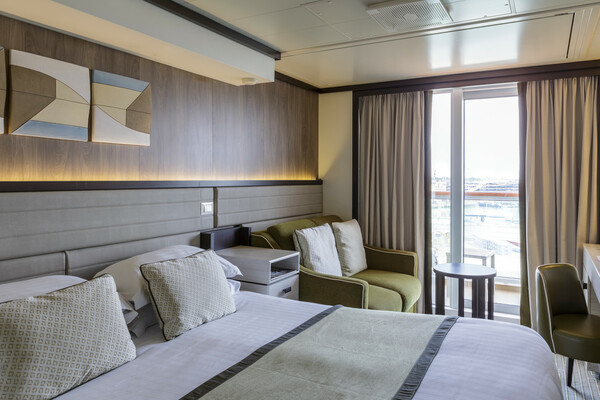
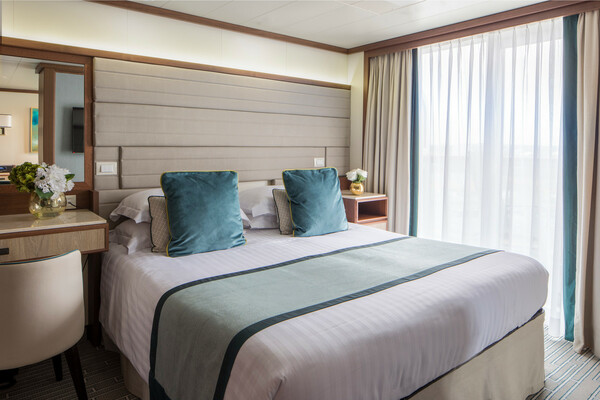
Balcony Cabin
Step out on your own balcony, which has a selection of furniture, and enjoy the private view. It's the perfect place for a lazy continental breakfast, a sunbathe or a snooze. Beds convert from twins to queen, and you've a table and chairs with plenty of room for all to relax.
Your own private balcony is the ideal place to enjoy room service, your morning cuppa or just a quiet moment when the mood takes you.
Balcony cabins have the following benefits
- Air conditioning
- Tea and coffee facilities
- Free in-cabin TV
- Daily steward service
- Cabin safe
- Cabin hairdryer
- Cabin telephone
- Vanity writing desk and chair
- Toiletries from The White Company
- British plug socket
- Chiller
- Floor to ceiling glass doors
- Balcony
Balcony Cabin
-
Superior Deluxe Balcony Cabin
Open your floor-to-ceiling balcony onto a bigger private social space with comfy furniture for all your guests. Enjoy a touch of extravagance with Champagne and chocolates on arrival and not one but two TVs* in this spacious Superior Deluxe Balcony cabin. *Some exceptions apply.
Your own private balcony is the ideal place to enjoy room service, your morning cuppa or just a quiet moment when the mood takes you.
Balcony cabins have the following benefits
- Air conditioning
- Tea and coffee facilities
- Free in-cabin TV
- Daily steward service
- Cabin safe
- Cabin hairdryer
- Cabin telephone
- Vanity writing desk and chair
- Toiletries from The White Company
- British plug socket
- Chiller
- Floor to ceiling glass doors
- Balcony
Superior Deluxe Balcony Cabin
-
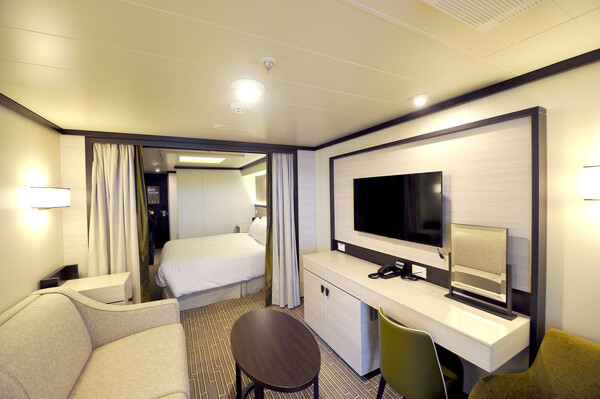
Suite
The luxuries of a Suite include a whirlpool bath, dual sinks, dressing area and toiletries from The White Company. With an exclusive restaurant for breakfast and a dedicated butler, not to mention Champagne and chocolates on arrival, it’s a holiday like never before.
Luxuriate in your whirlpool bath and get ready in your dedicated dressing area to the music on your sound system. An exclusive restaurant for breakfast and your own premium butler service make this a holiday like never before.
Suite has the following benefits
- Air conditioning
- Tea and coffee machine
- Free in-cabin TV
- Butler service
- Cabin safe
- Cabin hairdryer
- Cabin telephone
- Larger dressing area
- Toiletries from The White Company
- British plug socket
- Chiller
- A whirpool bath
- Inclusive room service
- Exclusive restaurants
- Bathrobe and Slippers
- Canapés on celebration night
- Champagne on arrival
- Chocolates on arrival
- Floor to ceiling glass doors
- Balcony (Some exemptions may apply)
- Priority check-in and boarding (from Southampton)
Suite
Restaurants
-
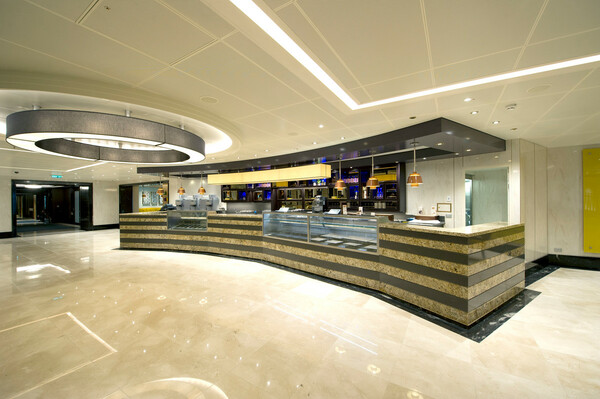
Market Café
A world of temptation awaits with a fresh menu at Market Café in the heart of Britannia’s atrium. Tuck into tasty sandwiches, exquisite cakes and gelato treats or try Afternoon Tea with a range of indulgent Pâtisserie or Snowflake Luxury Gelato. Market Café is the perfect place to unwind with a Costa Coffee or teapigs™ brew and watch the world go by.
Dress code - Day / Evening Casual
-
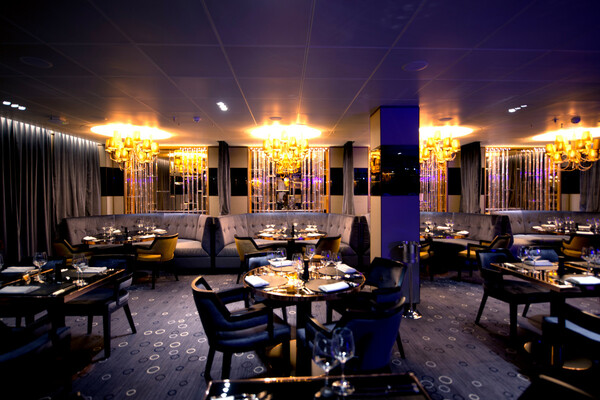
The Limelight Club
Exclusively for adults, The Limelight Club combines exquisite cuisine with incredible live entertainment. Savour a tantalising à la carte menu featuring international flavours. From pre-dinner drinks and light bites to show-stopping performances and late-night cocktails, The Limelight Club promises an unforgettable evening of culinary delights and dazzling entertainment at sea.
Dress code - Evening Casual. Tailored shorts are accepted.
-
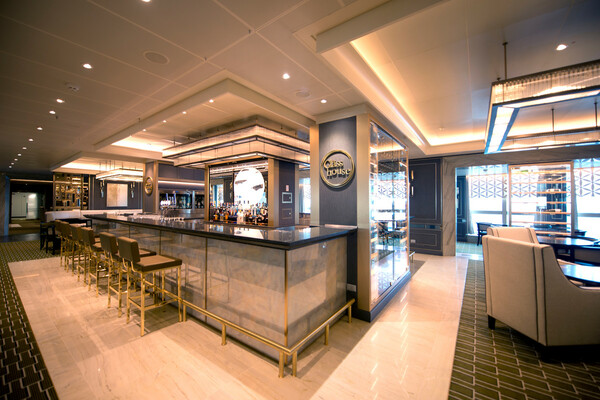
The Glass House
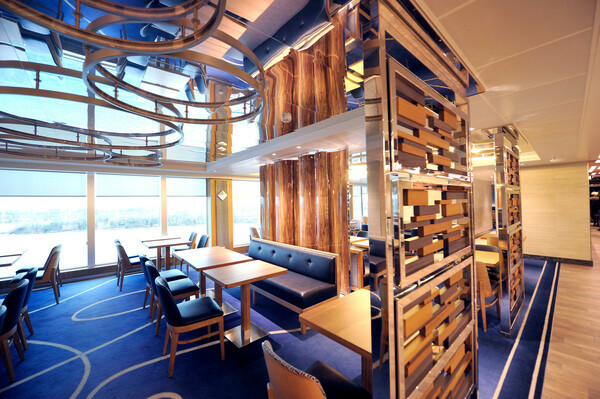
Headed up by irrepressible award-winning wine expert, Olly Smith and our Local Food Hero, José Pizarro, The Glass House is the perfect location for Mediterranean tapas, hearty mains and indulgent dessert trios. However you wish to dine, Olly’s wine suggestions are designed to deliver the best matches with minimum fuss and maximum enjoyment. The Glass House provides the perfect setting to indulge, socialise and enjoy stunning ocean views.
Dress code - Evening Casual. (Tailored shorts are accepted)
-
Sindhu
Prepare your taste buds for a flavour-filled adventure. In stylish and sumptuous surroundings, Sindhu’s expert chefs will take you on a delicately spiced odyssey that celebrates the best of contemporary Indian cuisines. You can also make a date on selected sea days to enjoy a delicious tiffin style lunch.
Dress code - Dress code of the day (Evening Casual or Black Tie)
-
Meridian Restaurant
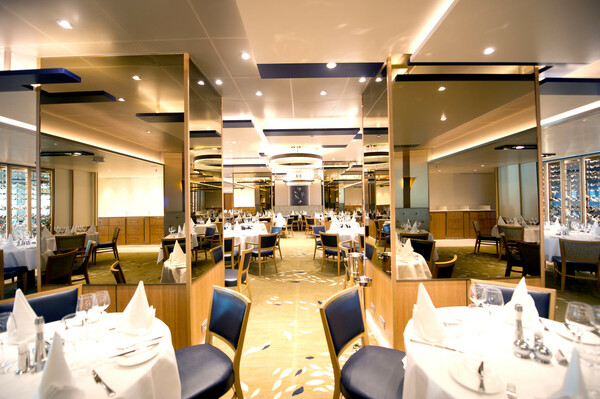
For guests who like to escape the usual routine on holiday, they’ll love the flexibility of Freedom Dining. Opt for an early dinner one night and a late supper the next; they can shape each day as they please at this formal restaurant.
-
Oriental Restaurant
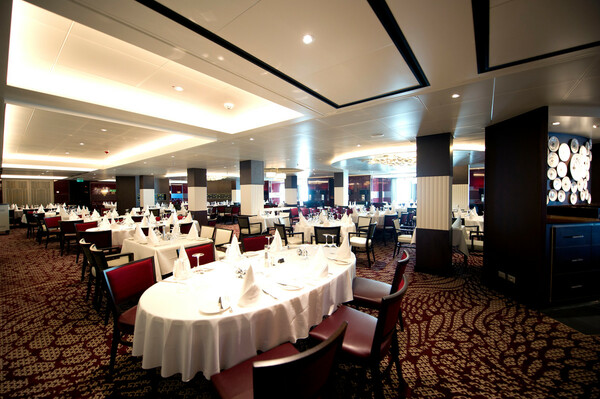
Taking its name from the 'O' in P&O (Peninsular and Oriental Steam Company), this elegant and welcoming dining room is all about enjoying the friendly atmosphere and company of table companions. Decorated in rich bronzes and golds, The Oriental Restaurant has an understated elegance and seats almost 500 people in stylish comfort. Huge ocean-view windows on three sides frame views of the ship's wake, while delicately crafted dishes are beautifully presented at the table. This is truly a world-class dining experience to be savoured in every sense.
-
Buffet Restaurants
The buffet is your one-stop shop for casual dining at sea, offering an extensive international menu to satisfy every craving. You'll find the Horizon Buffet on Arvia, Aurora, Britannia and Iona, and the Belvedere Buffet on Arcadia. Azura boasts the Verona and Venezia buffets, while Ventura features the Waterside Buffet.
Dress code - Evening Casual. Tailored shorts are accepted.
-
Epicurean Restaurant
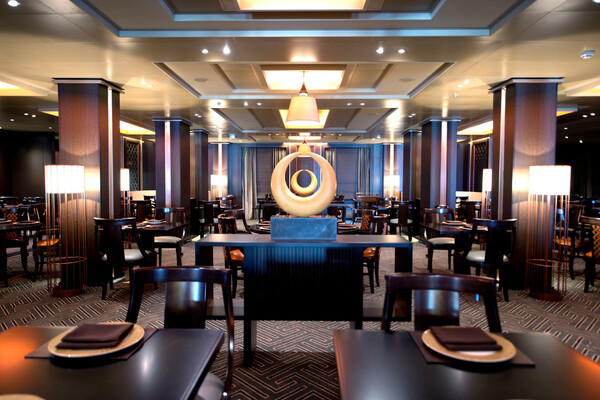
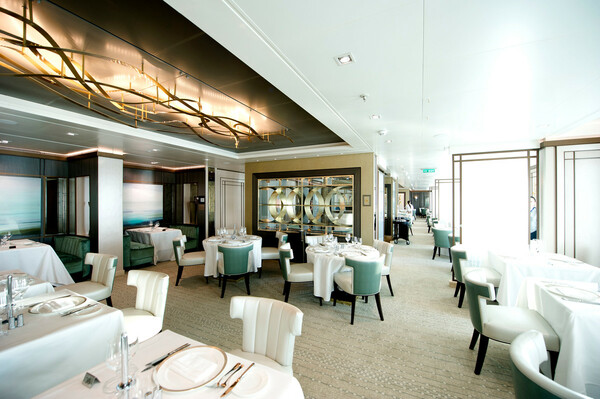
Dining experiences don’t come any finer than Epicurean. Marvel as each exquisite dish, inspired by classic British ingredients and given a modern twist by expert chefs, is presented at your table. Epicurean promises a sophisticated and immersive dining experience, inviting you to savour the artistry of gastronomy in a truly luxurious setting.
Dress code - Dress code of the day (Evening Casual or Black Tie). No tailored shorts.
Deckplans
-
Deck 18 - Sports Deck
- Sunbathing
- The Promenade
- Arena
- Bar
- Golf Nets
-
Deck 17 - Sun Deck
- The Retreat
- Whirlpool Spas
- Serenity Pool & Bar
- Pool
- Deck Games
- Children's Play Area
- Surfers (The Reef)
- Aerobics Studio
- Gym
- Splashers (The Reef)
- Nursery/Night Nursery
- Scubas (The Reef)
- H2O (The Reef)
- The Cookery Club
- Terrace Pool
- The Retreat
-
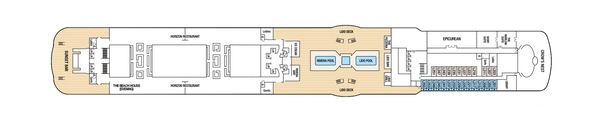
Deck 16 - Lido Deck
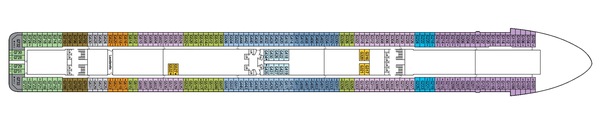
- Single Inside Cabins with Shower
- Single Inside Balcony Cabins with Shower
- The Crow's Nest
- The Marlow Suite
- Library
- Ivory Suite
- Epicurean
- The Pizzeria
- Lido Bar
- Lido Grill
- Lido Deck
- Lido Pool
- Riviera Pool
- Ice Cream
- Riviera Bar
- Horizon Restaurant
- The Beach House (Evening)
- Sunset Bar
- Single Inside Cabins with Shower
-
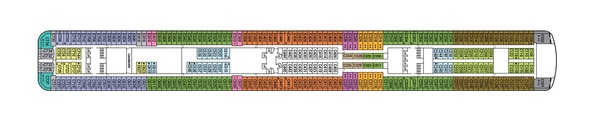
Deck 12 - Deck C
- Inside Cabins with Shower
- Larger Inside Cabins with Shower
- Balcony Cabins with Shower
- Balcony Cabins with Shower and Sofa
- Suite with Bath/Shower
- Launderette
- Inside Cabins with Shower
-
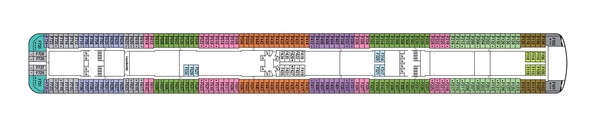
Deck 15 - Deck A
- Inside Cabins with Shower
- Larger Inside Cabins with Shower
- Balcony Cabins with Shower
- Balcony Cabins with Shower and Sofa
- Superior Deluxe Balcony with Bath/Shower
- Suite with Bath/Shower
- Launderette
- Inside Cabins with Shower
-
Deck 14 - Deck B
- Inside Cabins with Shower
- Larger Inside Cabins with Shower
- Balcony Cabins with Shower
- Balcony Cabins with Shower and Sofa
- Superior Deluxe Balcony with Bath/Shower
- Suite with Bath/Shower
- Launderette
- Inside Cabins with Shower
-
Deck 11 - Deck D
- Inside Cabin with Shower
- Balcony Cabins
- Suite with Bath/Shower
- Launderette
- Inside Cabin with Shower
-
Deck 10 - Deck E
- Inside Cabin with Shower
- Balcony Cabin with Shower and Sofa
- Balcony With Shower (Without Sofa)
- Suite with Bath/Shower
- Launderette
- Inside Cabin with Shower
-
Deck 9 - Deck F
- Inside Cabin with Shower
- Balcony Cabin with Shower and Sofa
- Suite with Bath/Shower
- Launderette
- Inside Cabin with Shower
-
Deck 8 - Deck G
- Inside Cabins with Shower
- Balcony Cabins with Shower and Sofa
- Suite with Bath/Shower
- Launderette
- Inside Cabins with Shower
-
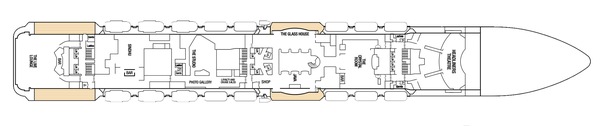
Deck 7 - Main Deck
- Headliners Theatre
- The Crystal Room
- The Glass House
- Java
- Shiop
- Loyalty and Cruise Sales
- Photo Gallery
- The Studio
- Bar
- Sindhu
- The Live Lounge
- Headliners Theatre
-
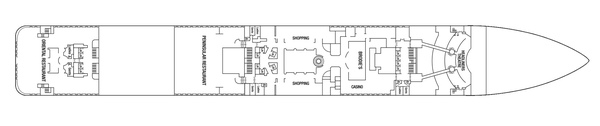
Deck 6 - Tween Deck
- Headliners Theatre
- Brodie's
- Casino
- Shopping
- Peninsular Restaurant
- Oriental Restaurant
- Headliners Theatre
-
Deck 5 - Landing Deck
- Oasis Spa
- Hydrotherapy Suite
- Spa Shop
- Salon
- Treatment Rooms
- Explorers
- Reception
- The Limelight Club
- Shopping
- Atrium
- Market Cafe
- Blue Bar
- Meridian Restaurant
- Oasis Spa
Ready to Book?
For more information; please contact our Cruise specialists who will be delighted to help you plan your next holiday.
Call us on 01625 858158 Request Availability & PriceSign up to our Newsletter for exclusive offers and receive up to £250 off your next holiday.
For New Subscribers Only.