


-
In-depth Antarctica, Falklands & South Georgia Expedition
MS Fram, HX Hurtigruten Expeditions
BOOK WITH CONFIDENCE
Family run business established in 1983. ABTA & ATOL Protected.
COMPETITIVELY PRICED
We work closely with our travel partners to secure the best holiday price available.
KNOWLEDGE & SERVICE
Our extensively travelled team are here to ensure you receive the very best advice and first-class service.
MS Fram
Departure: 08/01/2027
Duration: 24 Days
Santiago to Punta Arenas
Cruise Only From
£17,037
per person
Itinerary
Antarctica cruise - In-depth Antarctica, Falkland Islands & South Georgia Expedition
-
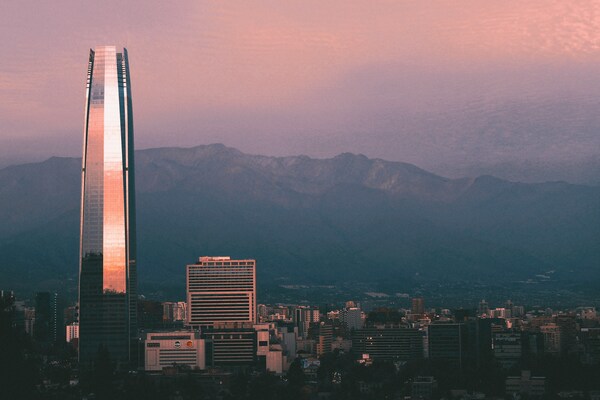
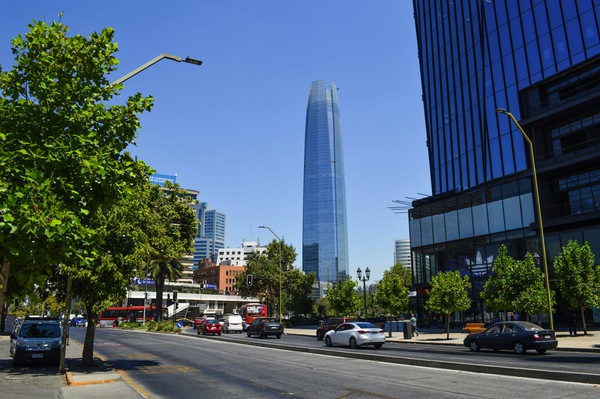
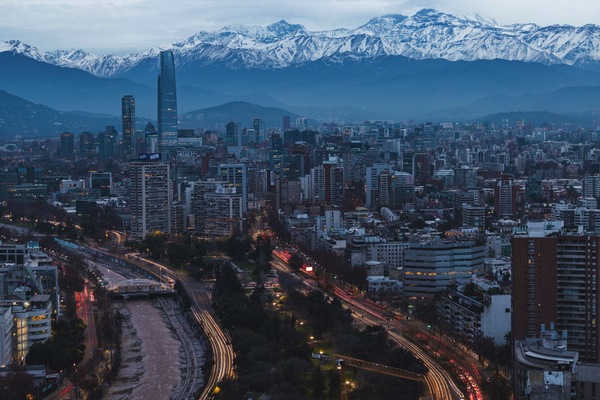
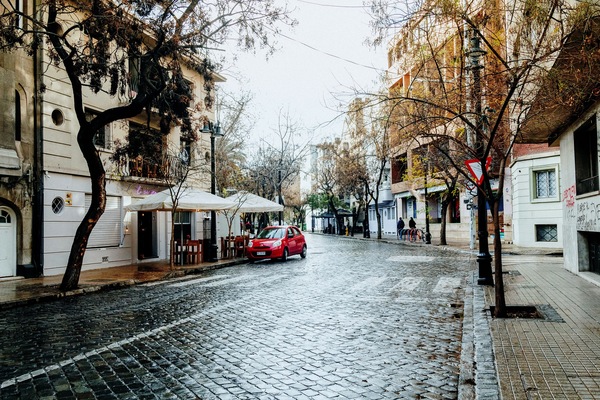
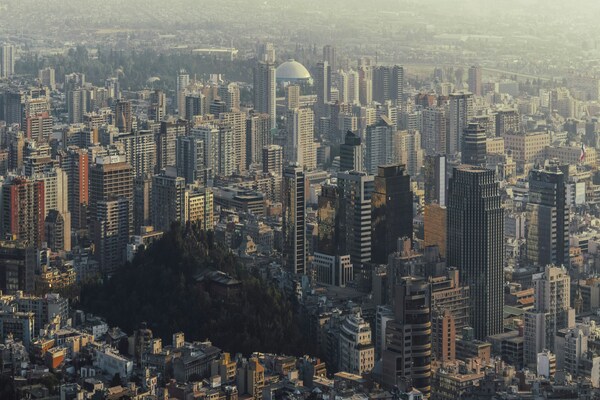
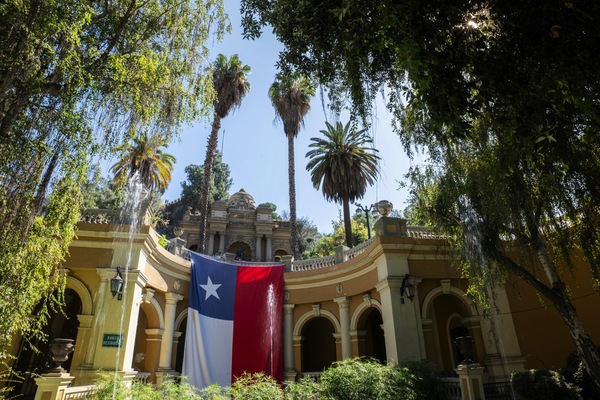
Day 1 Santiago, Chile 08 Jan 2027 (Friday)
-
Day 2 Punta Arenas, Chile 09 Jan 2027 (Saturday)
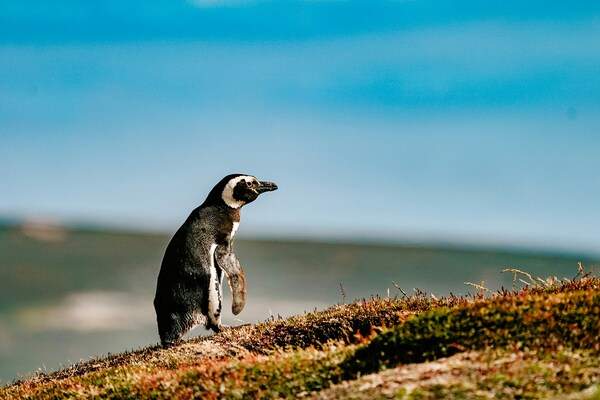
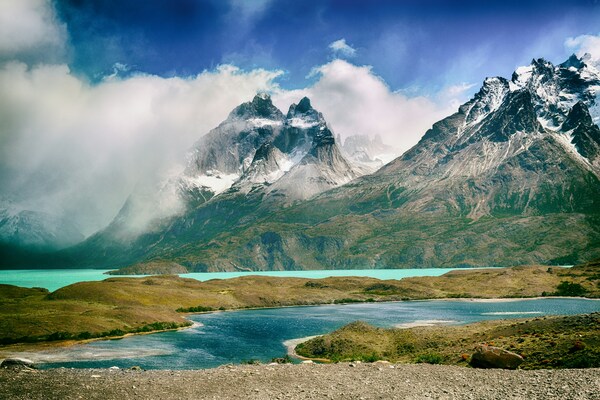
Impenetrable forests, impassable mountains, and endless fields of ice define Chilean Patagonia, and meant that the region went largely unexplored until the beginning of the 20th century. Located in the southernmost part of the country, this area is still sparsely inhabited, though you will find a few populated places—like the colorful provincial city of Punta Arenas, which looks like it's about to be swept into the Strait of Magellan. Some unique wildlife, particularly colonies of elephant seals and penguins, call this breathtaking topography home. To the north is Parque Nacional Torres del Pa... See moreImpenetrable forests, impassable mountains, and endless fields of ice define Chilean Patagonia, and meant that the region went largely unexplored until the beginning of the 20th century. Located in the southernmost part of the country, this area is still sparsely inhabited, though you will find a few populated places—like the colorful provincial city of Punta Arenas, which looks like it's about to be swept into the Strait of Magellan. Some unique wildlife, particularly colonies of elephant seals and penguins, call this breathtaking topography home. To the north is Parque Nacional Torres del Paine, the country's most magnificent natural wonder, and whose snow-covered peaks seem to rise vertically from the plains below. The vistas, such as the fantastic Avenue of the Glaciers, are breathtaking; along this stretch of the Beagle Channel, you can pass six tremendous glaciers all within a stone's throw of each other.Cruise SightsPunta Arenas. Founded a little more than 150 years ago, Punta Arenas (Sandy Point) was Chile's first permanent settlement in Patagonia. Plaza Muñoz Gamero, the central square, is surrounded by evidence of that early prosperity: buildings whose then-opulent brick exteriors recall a time when this was one of Chile's wealthiest cities. The newer houses here have colorful tin roofs, best appreciated when seen from a high vantage point such as the Mirador Cerro la Cruz. Although the city as a whole may not be particularly attractive, look for details: the pink-and-white house on a corner, the bay window full of potted plants, parking attendants wearing the regional blue and yellow colors, and schoolchildren in identical naval pea coats that remind you that the city's fate is tied to the sea.The Museo Naval y Marítimo extols Chile's high-seas prowess, particularly concerning Antarctica. Its exhibits are worth a visit for anyone with an interest in ships and sailing, merchant and military alike. Part of the second floor is designed like the interior of a ship, including a map and radio room. Pedro Montt 989. Admission charged.Housed in what was once the mansion of the powerful Braun-Menéndez family, the Museo Regional de Magallanes is an intriguing glimpse into the daily life of a wealthy provincial family at the beginning of the 20th century. Lavish Carrara marble hearths, English bath fixtures, and cordovan leather walls are among the original accoutrements. The museum also has an excellent group of displays depicting Punta Arenas's past, from the first European contact to the town's decline after the opening of the Panama Canal. The museum is half a block north of the main square. Magallanes 949. Admission charged.The resplendent 1895 Palacio Sara Braun is a national landmark and an architectural showpiece of southern Patagonia. Designed by a French architect, the house was built from materials and by craftsmen imported from Europe during the four years of construction. The city's central plaza and surrounding buildings soon followed, ushering in the region's golden era. Noteworthy are the lavish bedrooms, magnificent parquet floors, marble fireplaces, and hand-painted ceilings. Don't miss the portraits of Braun and her husband José Nogueira in the music room. Afterwards, head to the cellar for a drink or snack in the warm public tavern (a good portion of the mansion is leased to a hotel). Plaza Muñoz Gamero 716. Admission charged.Commonly referred to simply as "El Salesiano," the Museo Salesiano de Maggiorino Borgatello is operated by Italian missionaries whose order arrived in Punta Arenas in the 19th century. The Salesians, most of whom spoke no Spanish, proved to be daring explorers. Traveling throughout the region, they collected the artifacts made by indigenous tribes that are currently on display. Av. Bulnes 398. Admission charged.Isla Magdalena. Punta Arenas is the launching point for a boat trip to the Isla Magdalena to see the more than 100,000 Magellanic penguins at the Monumento Natural Los Pingúinos. A single trail, marked off by rope, is accessible to humans. The boat trip to the island, in the middle of the Estrecho de Magallanes, takes about two hours. Make sure to bring along warm clothing, even in summer; the island can be chilly, particularly if a breeze is blowing across the water.Parque Nacional Torres del Paine. Some 12 million years ago, lava flows pushed up through the thick sedimentary crust that covered the southwestern coast of South America, cooling to form a granite mass. Glaciers then swept through the region, grinding away all but the ash-gray spires that rise over the landscape of one of the world's most beautiful natural phenomena, now the Parque Nacional Torres del Paine (established in 1959). Snow formations dazzle along every turn of road, and the sunset views are spectacular.Among the 2,420-square-km (934-square-mi) park's most beautiful attractions are its lakes of turquoise, aquamarine, and emerald green waters. Another draw is its unusual wildlife. Creatures like the guanaco (a woollier version of the llama) and the ñandú (resembling a small ostrich) abound. They are used to visitors and don't seem to be bothered by the proximity of automobile traffic and the snapping of cameras. Predators, like the gray fox, make less frequent appearances. You may also spot the dramatic aerobatics of a falcon and the graceful soaring of the endangered condor. The beautiful puma is especially elusive, but sightings have become more common. Admission charged.Pingúinera de Seno Otway. The road to this penguin sanctuary begins 30 km (18 mi) north of Punta Arenas. Magellanic penguins, which live up to 20 years in the wild, return to their birthplace here every year to mate with the same partner. For about 2,000 penguin couples—no single penguins make the trip—home is this desolate and windswept land off the Otway Sound. In late September, the penguins begin to arrive from the southern coast of Brazil and the Falkland Islands. They mate and lay their eggs in early October, and brood their eggs in November. Offspring hatch between mid-November and early December. If you're lucky, you may catch sight of one of the downy gray chicks that stick their heads out of the burrows when their parents return to feed them. Otherwise you might see scores of the ungainly adult penguins waddling to the ocean from their nesting burrows. They swim for food every eight hours and dive up to 100 feet deep. The penguins depart from the sound in late March. Note that the sanctuary is a 1-km (1/2-mi) walk from the parking lot. It gets chilly, so bring a windbreaker. Admission charged.Reserva Nacional Laguna Parillar. This 47,000-acre reserve lies west of Puerto Hambre, a tranquil fishing village, and is centered around a shimmering lake in a valley flanked by hills. It's a great place for a picnic, and there are a number of well-marked paths that offer sweeping vistas over the Estrecho de Magallanes. About 2 km (1 mi) west of Puerto Hambre is a small white monolith that marks the geographical center of Chile, the midway point between Chile's northern port Arica and the South Pole.Cruise ShoppingWool may no longer be king of the economy, but vast flocks of sheep still yield a high-quality product that is woven into the clothing here. Leather products are also common, but the prices are not necessarily low. About 3 km (2 mi) north of Punta Arenas is the Zona Franca (Av. Bulnes). This duty-free zone is where people from all around the region come for low-priced electronics and other consumer items.
See less -
Day 4 New Island, Falkland Islands (Malvinas) 11 Jan 2027 (Monday)
The remarkable beauty of the remote Falkland Islands can best be seen on New Island. The westernmost of the inhabited islands of the archipelago, it is a wildlife and nature reserve, and an environmental conservation group protects its many birds and animals. There are rookeries where Rockhopper Penguins and Blue-eyed Shags share the same nesting area. Black-browed Albatrosses can be seen going about their daily routines and it is easy to spot Upland Geese. More than 40 species of birds breed on the island. Near the landing site is ‘Barnard’s barn’ — a restored stone structure going back to th... See moreThe remarkable beauty of the remote Falkland Islands can best be seen on New Island. The westernmost of the inhabited islands of the archipelago, it is a wildlife and nature reserve, and an environmental conservation group protects its many birds and animals. There are rookeries where Rockhopper Penguins and Blue-eyed Shags share the same nesting area. Black-browed Albatrosses can be seen going about their daily routines and it is easy to spot Upland Geese. More than 40 species of birds breed on the island. Near the landing site is ‘Barnard’s barn’ — a restored stone structure going back to the early 19th century. Lying in the sandy shallows in front of the barn is the wreck of Protector III, an old minesweeper used for seal hunting.
See less -
Day 4 West Point Island, Falkland Islands (Malvinas) 11 Jan 2027 (Monday)
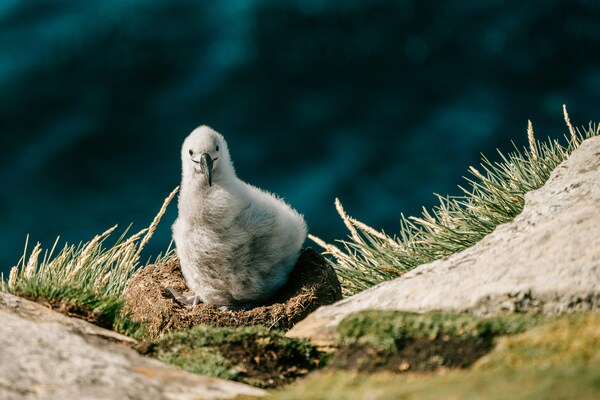
Located slightly northwest of West Falkland, West Point Island is used for sheep farming and nature observations. Peale’s dolphins and the distinctive black and white markings of the Commerson’s dolphin can usually be seen in the waters around West Point Island. Rolling moorland and steep cliffs make for great photographic opportunities, but the main attraction is the Devil’s Nose, a cliffside colony of Black-browed Albatrosses nesting side-by-side with feisty Rockhopper Penguins. Magellanic Penguins and Magellanic Cormorants can also be found on the island.Located slightly northwest of West Falkland, West Point Island is used for sheep farming and nature observations. Peale’s dolphins and the distinctive black and white markings of the Commerson’s dolphin can usually be seen in the waters around West Point Island. Rolling moorland and steep cliffs make for great photographic opportunities, but the main attraction is the Devil’s Nose, a cliffside colony of Black-browed Albatrosses nesting side-by-side with feisty Rockhopper Penguins. Magellanic Penguins and Magellanic Cormorants can also be found on the island.
See less -
Day 5 Saunders Island, Falkland Islands (Malvinas) 12 Jan 2027 (Tuesday)
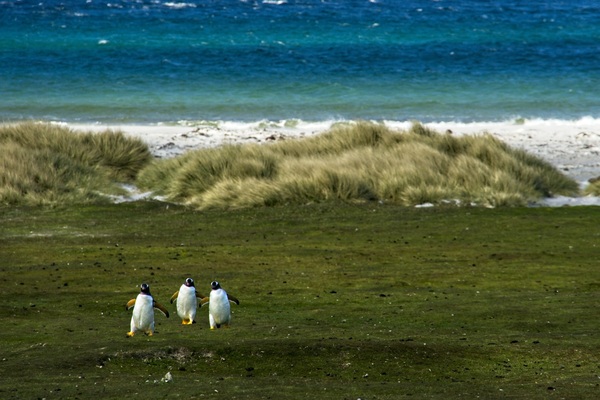
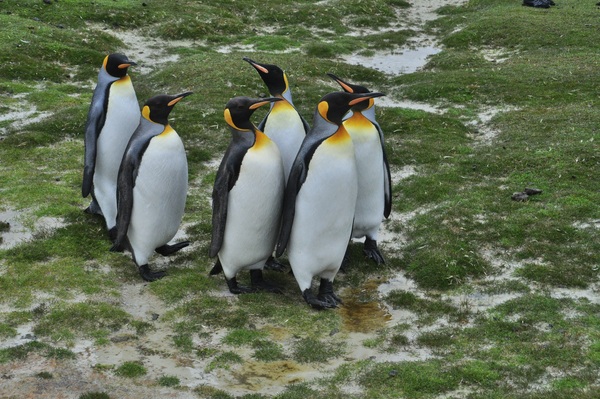
Saunders Island is the fourth-largest of the Falkland Islands in the western portion of the archipelago. The island’s topography is unusual, being made up of three peninsulas linked by narrow necks, and three big upland areas. Today the island is run as a sheep farm, but has historical importance as the location of the first British settlement in the Falklands. Saunders’ wildlife is also impressively varied. It is possible to see Gentoo and King Penguins in the open dune and sand-flat area, while Rockhopper Penguins (with the odd pair of Macaroni Penguins in between them), Imperial Shags and B... See moreSaunders Island is the fourth-largest of the Falkland Islands in the western portion of the archipelago. The island’s topography is unusual, being made up of three peninsulas linked by narrow necks, and three big upland areas. Today the island is run as a sheep farm, but has historical importance as the location of the first British settlement in the Falklands. Saunders’ wildlife is also impressively varied. It is possible to see Gentoo and King Penguins in the open dune and sand-flat area, while Rockhopper Penguins (with the odd pair of Macaroni Penguins in between them), Imperial Shags and Black-browed Albatrosses frequent Mount Richards, the highest point on the island at 457 m (1500 feet). Other key bird species are the Black–throated Finch, Ruddy-headed Goose and Falkland Steamer Duck.
See less - Day 5 Carcass Island, Falkland Islands (Malvinas) 12 Jan 2027 (Tuesday)
-
Day 6 Port Stanley, Falkland Islands (Malvinas) 13 Jan 2027 (Wednesday)
Tiny Stanley, capital of the Falklands, seems in many ways like a British village fallen out of the sky. Many homes are painted in bright colours, adding visual appeal to this distant outpost. Not far offshore, the wreck of the Lady Elizabeth, is one of the many vessels remaining as a silent testimonial to the region's frequent harsh weather conditions.The islands, also known by their Spanish name of Islas Malvinas, are home to arguably more tuxedo-clad inhabitants of the penguin variety than human residents. Various species, such as Gentoo, Magellanic and the more elusive King penguins, eithe... See moreTiny Stanley, capital of the Falklands, seems in many ways like a British village fallen out of the sky. Many homes are painted in bright colours, adding visual appeal to this distant outpost. Not far offshore, the wreck of the Lady Elizabeth, is one of the many vessels remaining as a silent testimonial to the region's frequent harsh weather conditions.The islands, also known by their Spanish name of Islas Malvinas, are home to arguably more tuxedo-clad inhabitants of the penguin variety than human residents. Various species, such as Gentoo, Magellanic and the more elusive King penguins, either live here permanently or use the Falklands as a stopover on their migration route. Darwin found the islands' flora and fauna fascinating - no doubt you will, too.
See less - Day 9 Cape Rosa, South Georgia, South Georgia and the South Sandwich Islands 16 Jan 2027 (Saturday)
- Day 10 Prion Island, Bay of Isles, South Georgia, South Georgia and the South Sandwich Islands 17 Jan 2027 (Sunday)
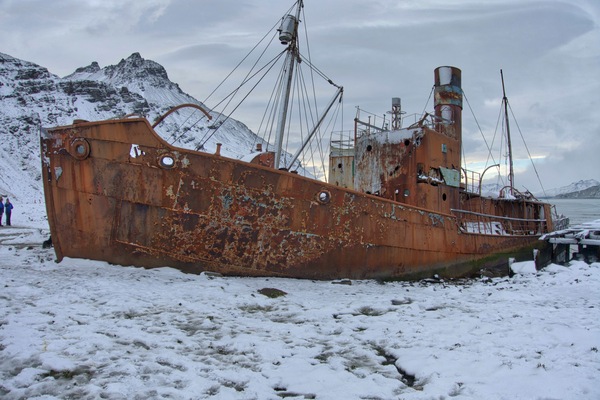
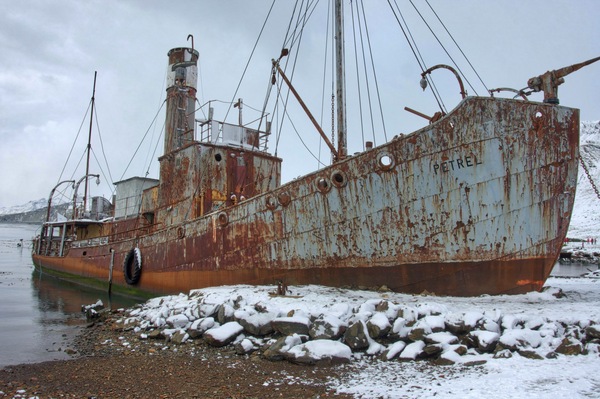
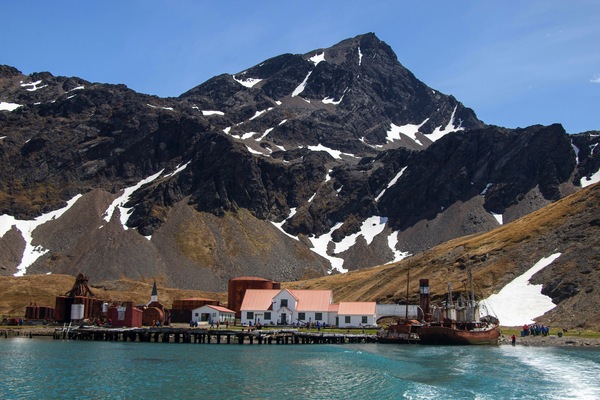
- Day 11 Grytviken, South Georgia and the South Sandwich Islands 18 Jan 2027 (Monday)
- Day 11 Godthul, South Georgia, South Georgia and the South Sandwich Islands 18 Jan 2027 (Monday)
- Day 12 Fortuna Bay, South Georgia, South Georgia and the South Sandwich Islands 19 Jan 2027 (Tuesday)
- Day 12 Stromness, South Georgia and the South Sandwich Islands 19 Jan 2027 (Tuesday)
- Day 13 St Andrews Bay, South Georgia, South Georgia and the South Sandwich Islands 20 Jan 2027 (Wednesday)
-
Day 16 Antarctic Sound, Antarctica 23 Jan 2027 (Saturday)
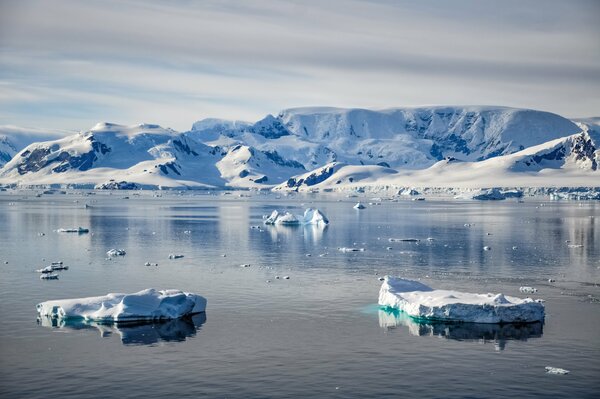
The Antarctic Sound is a stretch of water named after the first ship to have passed through this body of water from the Bransfield Strait to the Weddell Sea in 1902. The Antarctic eventually sank and crew and scientists had to spend quite some time in this area before they could be rescued. Sites that have to do with this story - like Hope Bay or Paulet Island - are sometimes visited. At Paulet, Hope Bay and Brown Bluff Adelie and Gentoo Penguins breed, as do Kelp Gulls and Cape Petrels, Snow Petrels and Skuas. The Sound’s main attractions are the spectacular tabular icebergs that come from th... See moreThe Antarctic Sound is a stretch of water named after the first ship to have passed through this body of water from the Bransfield Strait to the Weddell Sea in 1902. The Antarctic eventually sank and crew and scientists had to spend quite some time in this area before they could be rescued. Sites that have to do with this story - like Hope Bay or Paulet Island - are sometimes visited. At Paulet, Hope Bay and Brown Bluff Adelie and Gentoo Penguins breed, as do Kelp Gulls and Cape Petrels, Snow Petrels and Skuas. The Sound’s main attractions are the spectacular tabular icebergs that come from the Larsen Ice Shelf further south.
See less -
Day 17 South Shetland Islands, Antarctica 24 Jan 2027 (Sunday)
Some 770 kilometers (478 miles) south of Cape Horn, the South Shetland Islands are usually the first land seen in Antarctica. Separated from the Antarctic Peninsula by the Bransfield Strait, nine major islands make up the group. The region was the first to be exploited by sealers in the early 19th century, and because of its proximity to South America, it still is the most visited by scientists and tourists. Chinstrap, Adelie, Gentoo and Macaroni Penguins all breed here. In addition, because it is the warmest part of the continent, large moss beds as well as orange, black, grey and green liche... See moreSome 770 kilometers (478 miles) south of Cape Horn, the South Shetland Islands are usually the first land seen in Antarctica. Separated from the Antarctic Peninsula by the Bransfield Strait, nine major islands make up the group. The region was the first to be exploited by sealers in the early 19th century, and because of its proximity to South America, it still is the most visited by scientists and tourists. Chinstrap, Adelie, Gentoo and Macaroni Penguins all breed here. In addition, because it is the warmest part of the continent, large moss beds as well as orange, black, grey and green lichens grow –even hair grass and pearlwort manage to survive. Leopard seals, Weddell seals, crabeater seals, Southern elephant seals and Antarctic fur seals can be seen in the water and on the beaches.
See less - Day 18 Gerlache Strait, Antarctica 25 Jan 2027 (Monday)
-
Day 19 South Shetland Islands, Antarctica 26 Jan 2027 (Tuesday)
Some 770 kilometers (478 miles) south of Cape Horn, the South Shetland Islands are usually the first land seen in Antarctica. Separated from the Antarctic Peninsula by the Bransfield Strait, nine major islands make up the group. The region was the first to be exploited by sealers in the early 19th century, and because of its proximity to South America, it still is the most visited by scientists and tourists. Chinstrap, Adelie, Gentoo and Macaroni Penguins all breed here. In addition, because it is the warmest part of the continent, large moss beds as well as orange, black, grey and green liche... See moreSome 770 kilometers (478 miles) south of Cape Horn, the South Shetland Islands are usually the first land seen in Antarctica. Separated from the Antarctic Peninsula by the Bransfield Strait, nine major islands make up the group. The region was the first to be exploited by sealers in the early 19th century, and because of its proximity to South America, it still is the most visited by scientists and tourists. Chinstrap, Adelie, Gentoo and Macaroni Penguins all breed here. In addition, because it is the warmest part of the continent, large moss beds as well as orange, black, grey and green lichens grow –even hair grass and pearlwort manage to survive. Leopard seals, Weddell seals, crabeater seals, Southern elephant seals and Antarctic fur seals can be seen in the water and on the beaches.
See less - Day 21 Puerto Williams, Chile 28 Jan 2027 (Thursday)
-
Day 23 Punta Arenas, Chile 30 Jan 2027 (Saturday)
Impenetrable forests, impassable mountains, and endless fields of ice define Chilean Patagonia, and meant that the region went largely unexplored until the beginning of the 20th century. Located in the southernmost part of the country, this area is still sparsely inhabited, though you will find a few populated places—like the colorful provincial city of Punta Arenas, which looks like it's about to be swept into the Strait of Magellan. Some unique wildlife, particularly colonies of elephant seals and penguins, call this breathtaking topography home. To the north is Parque Nacional Torres del Pa... See moreImpenetrable forests, impassable mountains, and endless fields of ice define Chilean Patagonia, and meant that the region went largely unexplored until the beginning of the 20th century. Located in the southernmost part of the country, this area is still sparsely inhabited, though you will find a few populated places—like the colorful provincial city of Punta Arenas, which looks like it's about to be swept into the Strait of Magellan. Some unique wildlife, particularly colonies of elephant seals and penguins, call this breathtaking topography home. To the north is Parque Nacional Torres del Paine, the country's most magnificent natural wonder, and whose snow-covered peaks seem to rise vertically from the plains below. The vistas, such as the fantastic Avenue of the Glaciers, are breathtaking; along this stretch of the Beagle Channel, you can pass six tremendous glaciers all within a stone's throw of each other.Cruise SightsPunta Arenas. Founded a little more than 150 years ago, Punta Arenas (Sandy Point) was Chile's first permanent settlement in Patagonia. Plaza Muñoz Gamero, the central square, is surrounded by evidence of that early prosperity: buildings whose then-opulent brick exteriors recall a time when this was one of Chile's wealthiest cities. The newer houses here have colorful tin roofs, best appreciated when seen from a high vantage point such as the Mirador Cerro la Cruz. Although the city as a whole may not be particularly attractive, look for details: the pink-and-white house on a corner, the bay window full of potted plants, parking attendants wearing the regional blue and yellow colors, and schoolchildren in identical naval pea coats that remind you that the city's fate is tied to the sea.The Museo Naval y Marítimo extols Chile's high-seas prowess, particularly concerning Antarctica. Its exhibits are worth a visit for anyone with an interest in ships and sailing, merchant and military alike. Part of the second floor is designed like the interior of a ship, including a map and radio room. Pedro Montt 989. Admission charged.Housed in what was once the mansion of the powerful Braun-Menéndez family, the Museo Regional de Magallanes is an intriguing glimpse into the daily life of a wealthy provincial family at the beginning of the 20th century. Lavish Carrara marble hearths, English bath fixtures, and cordovan leather walls are among the original accoutrements. The museum also has an excellent group of displays depicting Punta Arenas's past, from the first European contact to the town's decline after the opening of the Panama Canal. The museum is half a block north of the main square. Magallanes 949. Admission charged.The resplendent 1895 Palacio Sara Braun is a national landmark and an architectural showpiece of southern Patagonia. Designed by a French architect, the house was built from materials and by craftsmen imported from Europe during the four years of construction. The city's central plaza and surrounding buildings soon followed, ushering in the region's golden era. Noteworthy are the lavish bedrooms, magnificent parquet floors, marble fireplaces, and hand-painted ceilings. Don't miss the portraits of Braun and her husband José Nogueira in the music room. Afterwards, head to the cellar for a drink or snack in the warm public tavern (a good portion of the mansion is leased to a hotel). Plaza Muñoz Gamero 716. Admission charged.Commonly referred to simply as "El Salesiano," the Museo Salesiano de Maggiorino Borgatello is operated by Italian missionaries whose order arrived in Punta Arenas in the 19th century. The Salesians, most of whom spoke no Spanish, proved to be daring explorers. Traveling throughout the region, they collected the artifacts made by indigenous tribes that are currently on display. Av. Bulnes 398. Admission charged.Isla Magdalena. Punta Arenas is the launching point for a boat trip to the Isla Magdalena to see the more than 100,000 Magellanic penguins at the Monumento Natural Los Pingúinos. A single trail, marked off by rope, is accessible to humans. The boat trip to the island, in the middle of the Estrecho de Magallanes, takes about two hours. Make sure to bring along warm clothing, even in summer; the island can be chilly, particularly if a breeze is blowing across the water.Parque Nacional Torres del Paine. Some 12 million years ago, lava flows pushed up through the thick sedimentary crust that covered the southwestern coast of South America, cooling to form a granite mass. Glaciers then swept through the region, grinding away all but the ash-gray spires that rise over the landscape of one of the world's most beautiful natural phenomena, now the Parque Nacional Torres del Paine (established in 1959). Snow formations dazzle along every turn of road, and the sunset views are spectacular.Among the 2,420-square-km (934-square-mi) park's most beautiful attractions are its lakes of turquoise, aquamarine, and emerald green waters. Another draw is its unusual wildlife. Creatures like the guanaco (a woollier version of the llama) and the ñandú (resembling a small ostrich) abound. They are used to visitors and don't seem to be bothered by the proximity of automobile traffic and the snapping of cameras. Predators, like the gray fox, make less frequent appearances. You may also spot the dramatic aerobatics of a falcon and the graceful soaring of the endangered condor. The beautiful puma is especially elusive, but sightings have become more common. Admission charged.Pingúinera de Seno Otway. The road to this penguin sanctuary begins 30 km (18 mi) north of Punta Arenas. Magellanic penguins, which live up to 20 years in the wild, return to their birthplace here every year to mate with the same partner. For about 2,000 penguin couples—no single penguins make the trip—home is this desolate and windswept land off the Otway Sound. In late September, the penguins begin to arrive from the southern coast of Brazil and the Falkland Islands. They mate and lay their eggs in early October, and brood their eggs in November. Offspring hatch between mid-November and early December. If you're lucky, you may catch sight of one of the downy gray chicks that stick their heads out of the burrows when their parents return to feed them. Otherwise you might see scores of the ungainly adult penguins waddling to the ocean from their nesting burrows. They swim for food every eight hours and dive up to 100 feet deep. The penguins depart from the sound in late March. Note that the sanctuary is a 1-km (1/2-mi) walk from the parking lot. It gets chilly, so bring a windbreaker. Admission charged.Reserva Nacional Laguna Parillar. This 47,000-acre reserve lies west of Puerto Hambre, a tranquil fishing village, and is centered around a shimmering lake in a valley flanked by hills. It's a great place for a picnic, and there are a number of well-marked paths that offer sweeping vistas over the Estrecho de Magallanes. About 2 km (1 mi) west of Puerto Hambre is a small white monolith that marks the geographical center of Chile, the midway point between Chile's northern port Arica and the South Pole.Cruise ShoppingWool may no longer be king of the economy, but vast flocks of sheep still yield a high-quality product that is woven into the clothing here. Leather products are also common, but the prices are not necessarily low. About 3 km (2 mi) north of Punta Arenas is the Zona Franca (Av. Bulnes). This duty-free zone is where people from all around the region come for low-priced electronics and other consumer items.
See less -
Day 24 Punta Arenas, Chile 31 Jan 2027 (Sunday)
Impenetrable forests, impassable mountains, and endless fields of ice define Chilean Patagonia, and meant that the region went largely unexplored until the beginning of the 20th century. Located in the southernmost part of the country, this area is still sparsely inhabited, though you will find a few populated places—like the colorful provincial city of Punta Arenas, which looks like it's about to be swept into the Strait of Magellan. Some unique wildlife, particularly colonies of elephant seals and penguins, call this breathtaking topography home. To the north is Parque Nacional Torres del Pa... See moreImpenetrable forests, impassable mountains, and endless fields of ice define Chilean Patagonia, and meant that the region went largely unexplored until the beginning of the 20th century. Located in the southernmost part of the country, this area is still sparsely inhabited, though you will find a few populated places—like the colorful provincial city of Punta Arenas, which looks like it's about to be swept into the Strait of Magellan. Some unique wildlife, particularly colonies of elephant seals and penguins, call this breathtaking topography home. To the north is Parque Nacional Torres del Paine, the country's most magnificent natural wonder, and whose snow-covered peaks seem to rise vertically from the plains below. The vistas, such as the fantastic Avenue of the Glaciers, are breathtaking; along this stretch of the Beagle Channel, you can pass six tremendous glaciers all within a stone's throw of each other.Cruise SightsPunta Arenas. Founded a little more than 150 years ago, Punta Arenas (Sandy Point) was Chile's first permanent settlement in Patagonia. Plaza Muñoz Gamero, the central square, is surrounded by evidence of that early prosperity: buildings whose then-opulent brick exteriors recall a time when this was one of Chile's wealthiest cities. The newer houses here have colorful tin roofs, best appreciated when seen from a high vantage point such as the Mirador Cerro la Cruz. Although the city as a whole may not be particularly attractive, look for details: the pink-and-white house on a corner, the bay window full of potted plants, parking attendants wearing the regional blue and yellow colors, and schoolchildren in identical naval pea coats that remind you that the city's fate is tied to the sea.The Museo Naval y Marítimo extols Chile's high-seas prowess, particularly concerning Antarctica. Its exhibits are worth a visit for anyone with an interest in ships and sailing, merchant and military alike. Part of the second floor is designed like the interior of a ship, including a map and radio room. Pedro Montt 989. Admission charged.Housed in what was once the mansion of the powerful Braun-Menéndez family, the Museo Regional de Magallanes is an intriguing glimpse into the daily life of a wealthy provincial family at the beginning of the 20th century. Lavish Carrara marble hearths, English bath fixtures, and cordovan leather walls are among the original accoutrements. The museum also has an excellent group of displays depicting Punta Arenas's past, from the first European contact to the town's decline after the opening of the Panama Canal. The museum is half a block north of the main square. Magallanes 949. Admission charged.The resplendent 1895 Palacio Sara Braun is a national landmark and an architectural showpiece of southern Patagonia. Designed by a French architect, the house was built from materials and by craftsmen imported from Europe during the four years of construction. The city's central plaza and surrounding buildings soon followed, ushering in the region's golden era. Noteworthy are the lavish bedrooms, magnificent parquet floors, marble fireplaces, and hand-painted ceilings. Don't miss the portraits of Braun and her husband José Nogueira in the music room. Afterwards, head to the cellar for a drink or snack in the warm public tavern (a good portion of the mansion is leased to a hotel). Plaza Muñoz Gamero 716. Admission charged.Commonly referred to simply as "El Salesiano," the Museo Salesiano de Maggiorino Borgatello is operated by Italian missionaries whose order arrived in Punta Arenas in the 19th century. The Salesians, most of whom spoke no Spanish, proved to be daring explorers. Traveling throughout the region, they collected the artifacts made by indigenous tribes that are currently on display. Av. Bulnes 398. Admission charged.Isla Magdalena. Punta Arenas is the launching point for a boat trip to the Isla Magdalena to see the more than 100,000 Magellanic penguins at the Monumento Natural Los Pingúinos. A single trail, marked off by rope, is accessible to humans. The boat trip to the island, in the middle of the Estrecho de Magallanes, takes about two hours. Make sure to bring along warm clothing, even in summer; the island can be chilly, particularly if a breeze is blowing across the water.Parque Nacional Torres del Paine. Some 12 million years ago, lava flows pushed up through the thick sedimentary crust that covered the southwestern coast of South America, cooling to form a granite mass. Glaciers then swept through the region, grinding away all but the ash-gray spires that rise over the landscape of one of the world's most beautiful natural phenomena, now the Parque Nacional Torres del Paine (established in 1959). Snow formations dazzle along every turn of road, and the sunset views are spectacular.Among the 2,420-square-km (934-square-mi) park's most beautiful attractions are its lakes of turquoise, aquamarine, and emerald green waters. Another draw is its unusual wildlife. Creatures like the guanaco (a woollier version of the llama) and the ñandú (resembling a small ostrich) abound. They are used to visitors and don't seem to be bothered by the proximity of automobile traffic and the snapping of cameras. Predators, like the gray fox, make less frequent appearances. You may also spot the dramatic aerobatics of a falcon and the graceful soaring of the endangered condor. The beautiful puma is especially elusive, but sightings have become more common. Admission charged.Pingúinera de Seno Otway. The road to this penguin sanctuary begins 30 km (18 mi) north of Punta Arenas. Magellanic penguins, which live up to 20 years in the wild, return to their birthplace here every year to mate with the same partner. For about 2,000 penguin couples—no single penguins make the trip—home is this desolate and windswept land off the Otway Sound. In late September, the penguins begin to arrive from the southern coast of Brazil and the Falkland Islands. They mate and lay their eggs in early October, and brood their eggs in November. Offspring hatch between mid-November and early December. If you're lucky, you may catch sight of one of the downy gray chicks that stick their heads out of the burrows when their parents return to feed them. Otherwise you might see scores of the ungainly adult penguins waddling to the ocean from their nesting burrows. They swim for food every eight hours and dive up to 100 feet deep. The penguins depart from the sound in late March. Note that the sanctuary is a 1-km (1/2-mi) walk from the parking lot. It gets chilly, so bring a windbreaker. Admission charged.Reserva Nacional Laguna Parillar. This 47,000-acre reserve lies west of Puerto Hambre, a tranquil fishing village, and is centered around a shimmering lake in a valley flanked by hills. It's a great place for a picnic, and there are a number of well-marked paths that offer sweeping vistas over the Estrecho de Magallanes. About 2 km (1 mi) west of Puerto Hambre is a small white monolith that marks the geographical center of Chile, the midway point between Chile's northern port Arica and the South Pole.Cruise ShoppingWool may no longer be king of the economy, but vast flocks of sheep still yield a high-quality product that is woven into the clothing here. Leather products are also common, but the prices are not necessarily low. About 3 km (2 mi) north of Punta Arenas is the Zona Franca (Av. Bulnes). This duty-free zone is where people from all around the region come for low-priced electronics and other consumer items.
See less
What's Included:
- Daily Expeditions and activities
- Daily breakfast, lunch and dinner
- All-inclusive drinks on voyages departing for Antartica from October 2025
- Tea, coffee and soft drinks daily
- Complimentary Wi-fi
- Gratuities included
- Full access to science centre
- Full use of sauna, hot tubs and more
- Professional photos from the onboard photographer
- Expedition jacket and water bottle
Suites
-
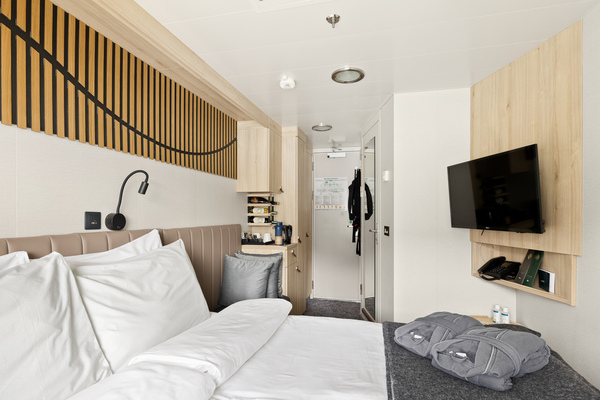
Polar Inside | Inside Cabin
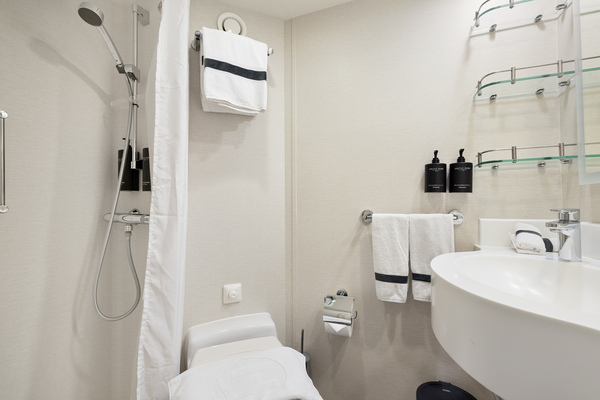
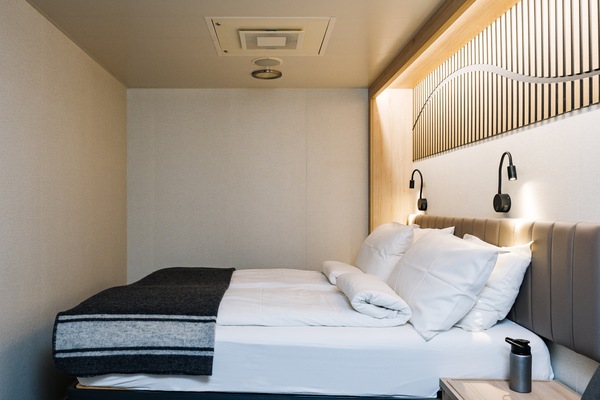
Our cosy Polar Inside cabins feature double beds that can be divided into two single beds on request at the time of booking. All have private bathrooms with a shower and toiletries, a TV, a safe, European two-pin plug sockets, and tea- and coffee-making facilities.
Upper-deck cabin
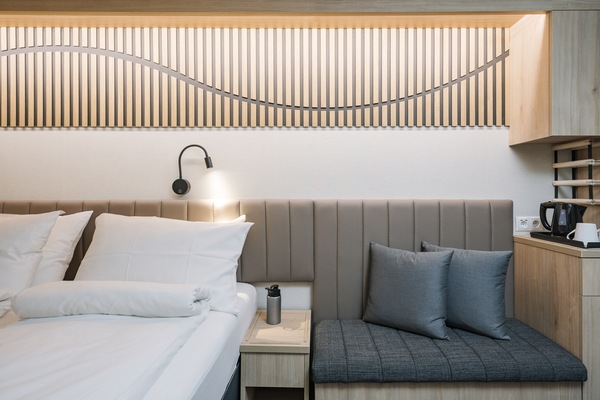
- No window
- Double bed (optional twin)
- Bathrobes and slippers on request
- Guests: 2 | Size: 10-13 m2
- Cabin Code: I2
Polar Inside | Inside Cabin
-
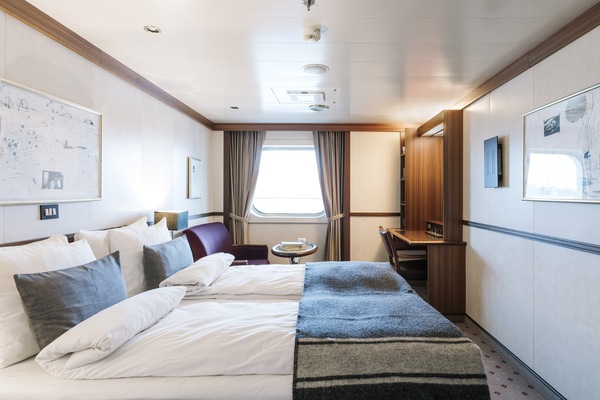
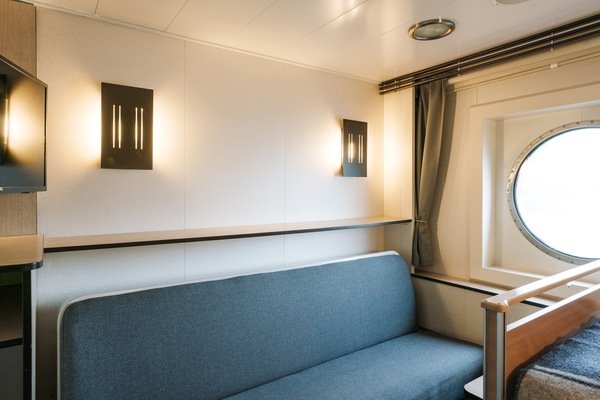
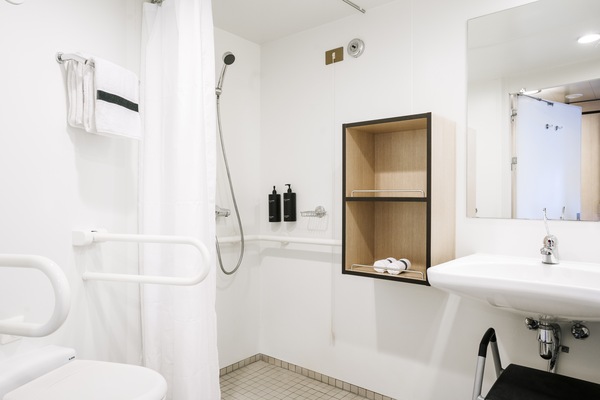
Polar Outside | Wheelchair-Accessible Outside Cabin
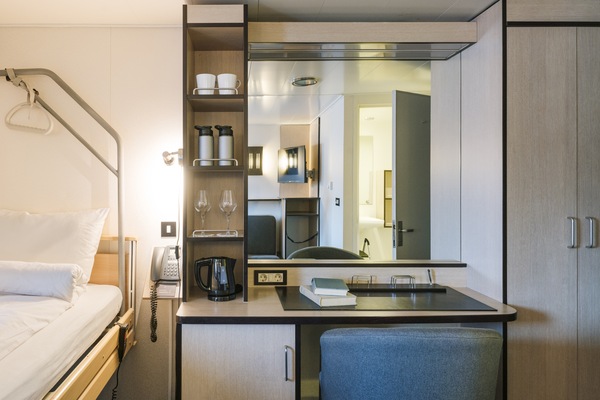
Enjoy sea views from our Polar Outside cabins, most of which feature double beds that can be divided into two single beds on request at the time of booking. All have private bathrooms with a shower and toiletries, a TV, a safe, European two-pin plug sockets, and tea- and coffee-making facilities.
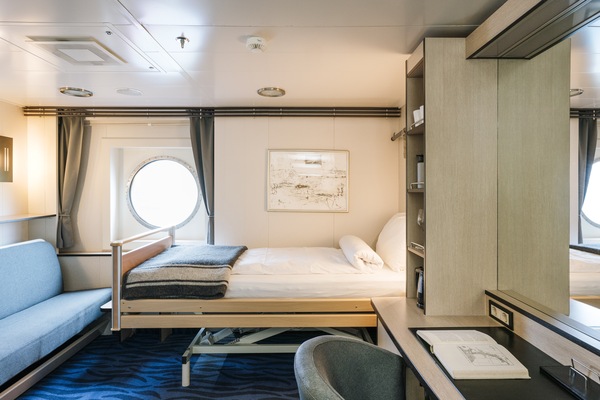
- Lower-deck cabin
- Window
- Wheelchair-accessible cabin, may be available for general booking
- Refrigerator
- Twin beds (one converts to a sofa)
- Bathrobes and slippers are available on request
- Guests: 2 | Size: 15-16 m2
- Cabin Code: SD
Polar Outside | Wheelchair-Accessible Outside Cabin
-
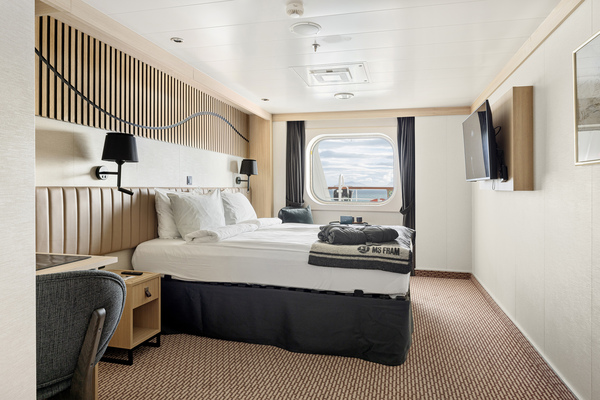
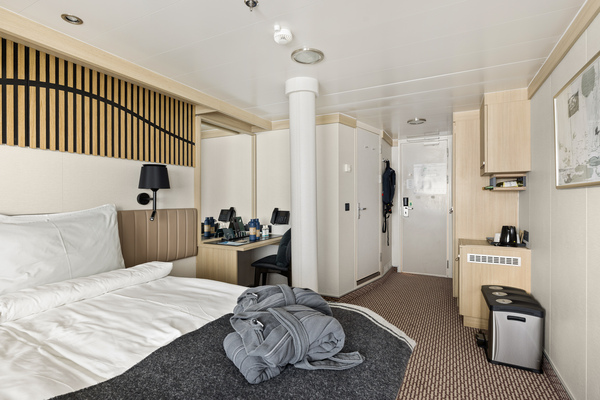
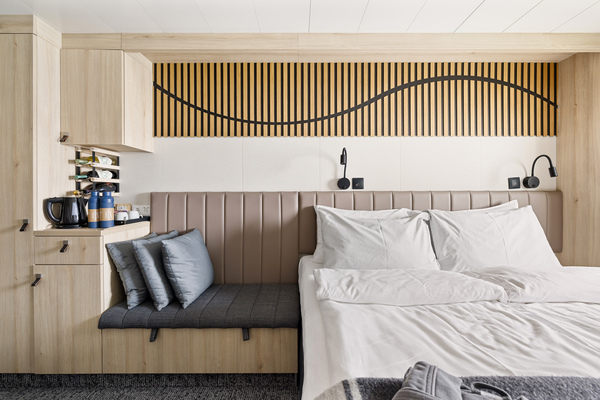
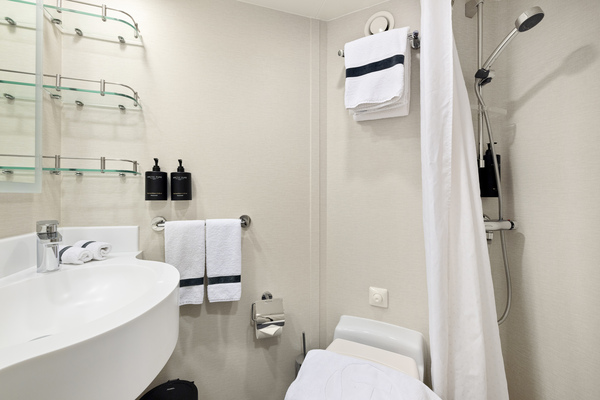
Polar Outside | Outside Cabin
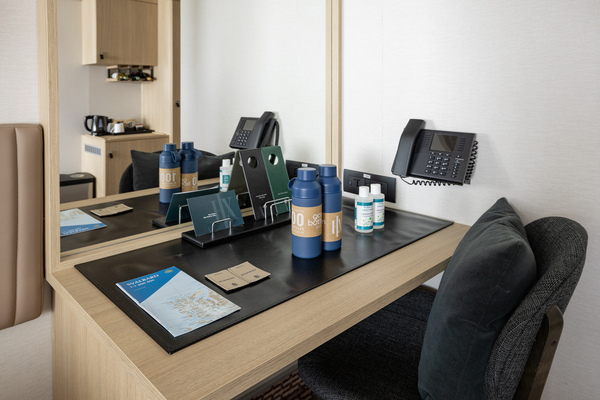
Enjoy sea views from our Polar Outside cabins, most of which feature double beds that can be divided into two single beds on request at the time of booking. All have private bathrooms with a shower and toiletries, a TV, a safe, European two-pin plug sockets, and tea- and coffee-making facilities.
Upper-deck cabin
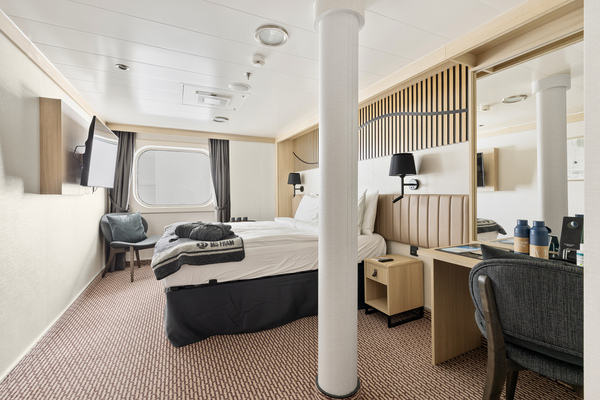
- Window (limited or no view)
- Refrigerator
- Double bed (optional twin)
- Bathrobes and slippers on request
- Guests: up to 4 | Size: 17-21 m2
- Cabin code: FJ
Polar Outside | Outside Cabin
-
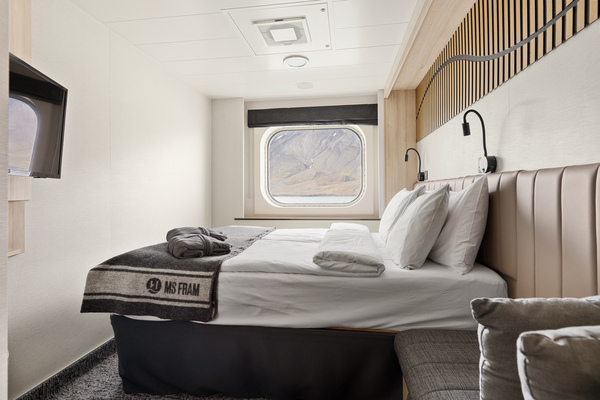
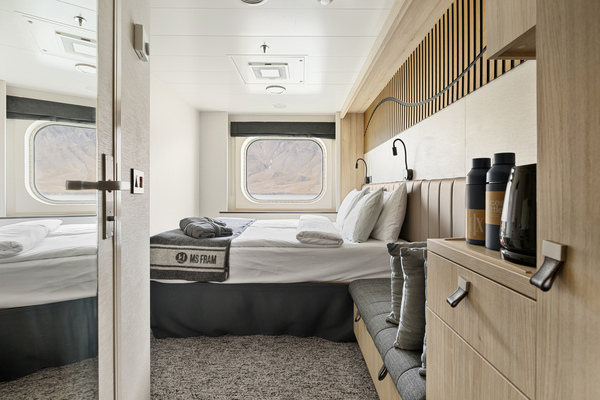
Polar Outside | Outside Cabin
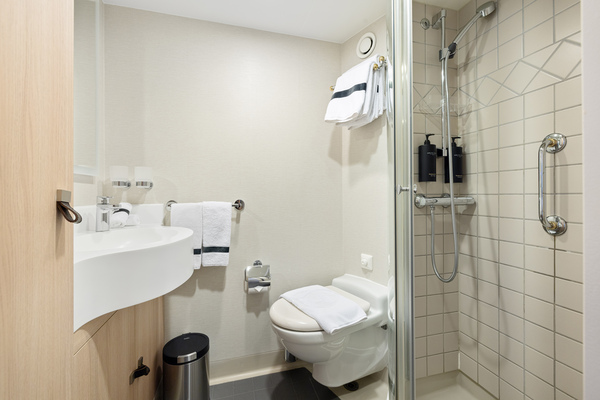
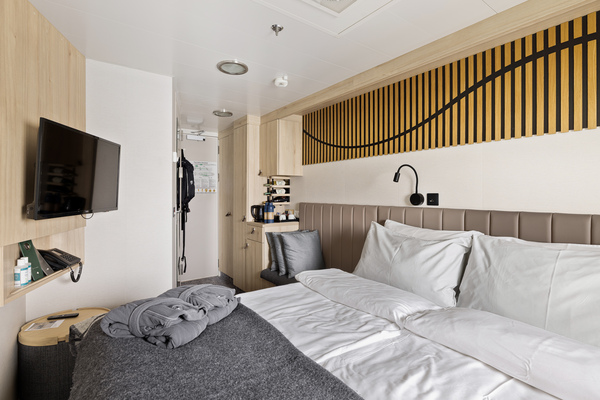
Enjoy sea views from our Polar Outside cabins, most of which feature double beds that can be divided into two single beds on request at the time of booking. All have private bathrooms with a shower and toiletries, a TV, a safe, European two-pin plug sockets, and tea- and coffee-making facilities.
- Lower-deck cabin
- Window
- Double bed (optional twin)
- Bathrobes and slippers on request
- Guests: 2 | Size: 10-13 m2
- Cabin Code: N2
Polar Outside | Outside Cabin
-
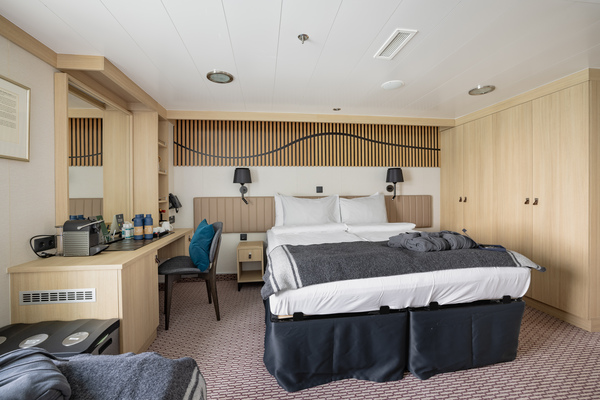
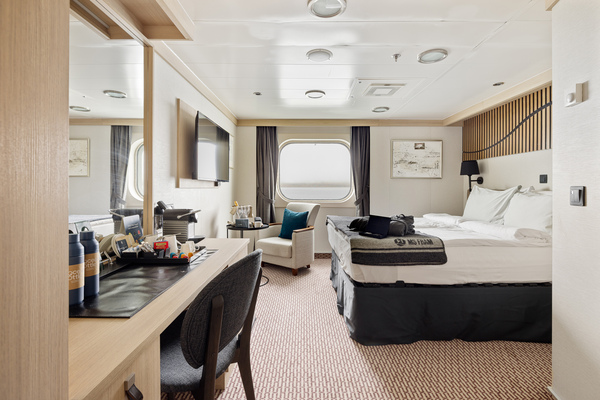
Arctic Superior | Outside Cabin
Arctic Superior cabins are comfortable and spacious. These cabins feature a double bed which can be divided into two single beds in some cabins on request at the time of booking. All have a private bathroom with a shower and toiletries, a TV, a safe, a minibar (charges apply), European two-pin plug sockets, and tea- and coffee-making facilities. A bathrobe and slippers are also available free of charge.
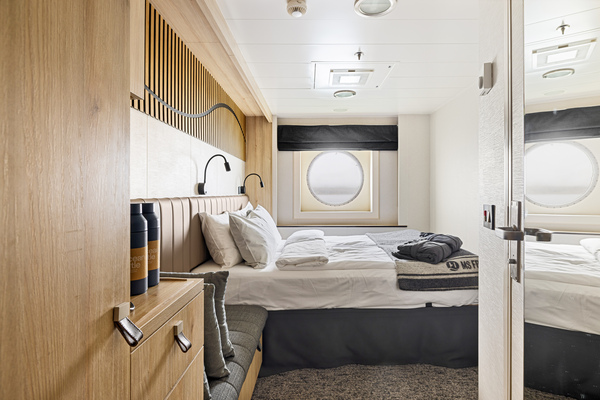
- Upper deck cabin
- Window (some with limited view)
- Refrigerator
- Double bed
- Sofa bed
- Bathrobes and slippers are available on request
- Guests: up to 4 | Size: 22-23 m2
- Cabin Code: F4
Arctic Superior | Outside Cabin
-
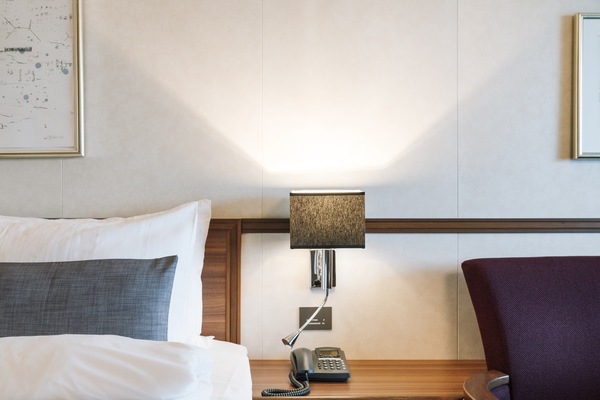
Arctic Superior | Outside Cabin
Arctic Superior cabins are comfortable and spacious. These cabins feature a double bed which can be divided into two single beds in some cabins on request at the time of booking. All have a private bathroom with a shower and toiletries, a TV, a safe, a minibar (charges apply), European two-pin plug sockets, and tea- and coffee-making facilities. A bathrobe and slippers are also available free of charge.
- Lower or upper-deck cabin
- Window (some with limited view)
- Seating area
- Refrigerator
- Double bed
- Bathrobes and slippers are available on request
- Guests: 2 | Size: 17-18 m2
- Cabin Code: F2
Arctic Superior | Outside Cabin
-
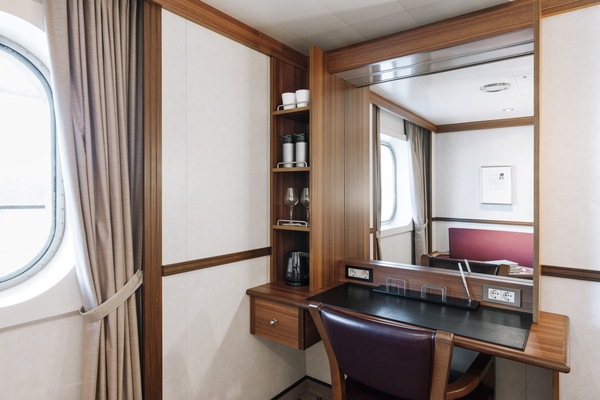
Arctic Superior | Outside Cabin
Arctic Superior cabins are comfortable and spacious. These cabins feature a double bed which can be divided into two single beds in some cabins on request at the time of booking. All have a private bathroom with a shower and toiletries, a TV, a safe, a minibar (charges apply), European two-pin plug sockets, and tea- and coffee-making facilities. A bathrobe and slippers are also available free of charge.
- Upper-deck cabin
- Window
- Double bed (optional twin)
- Bathrobes and slippers are available on request
- Guests: 2 | Size: 10-11 m2
- Cabin Code: U2
Arctic Superior | Outside Cabin
-
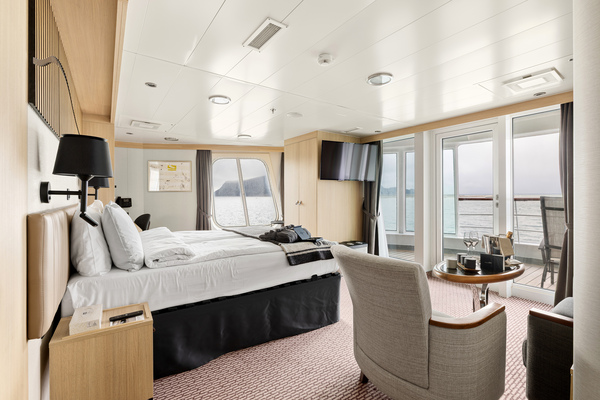
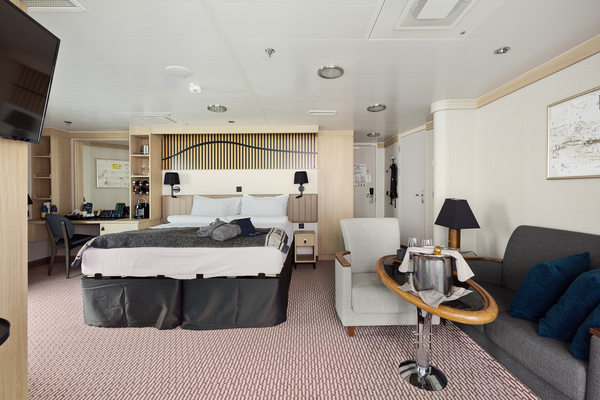
Expedition Suite | Mini Suite
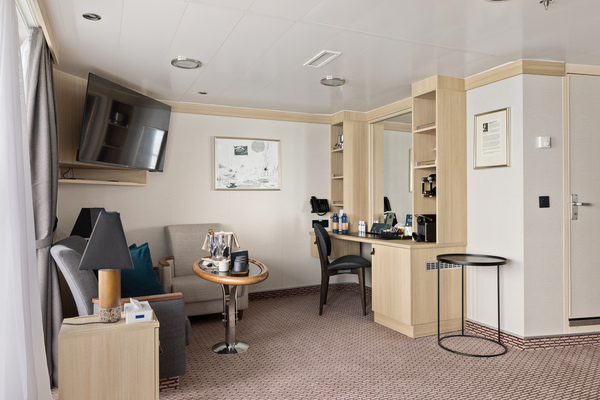
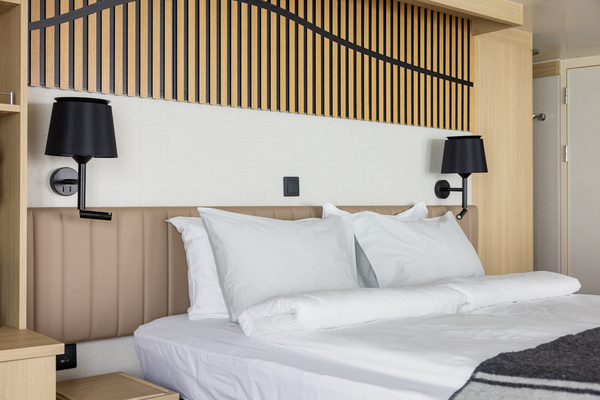
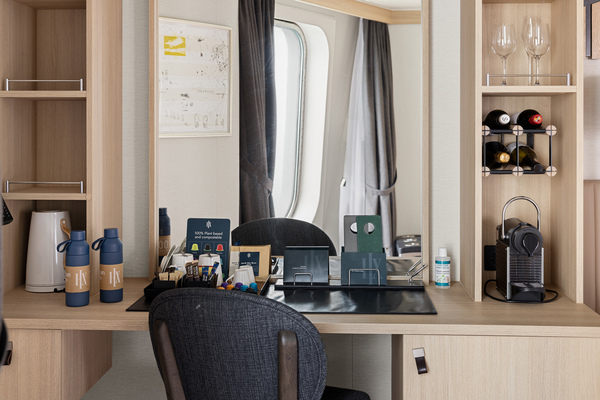
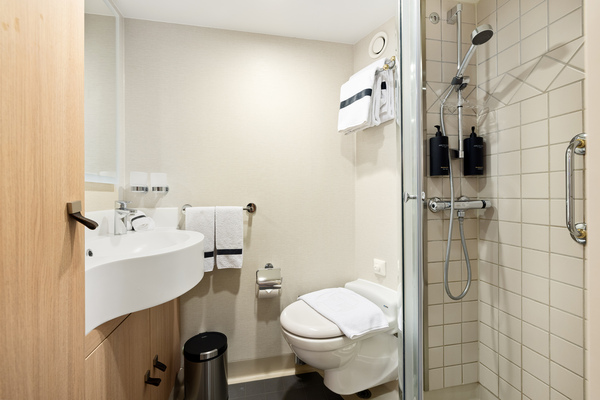
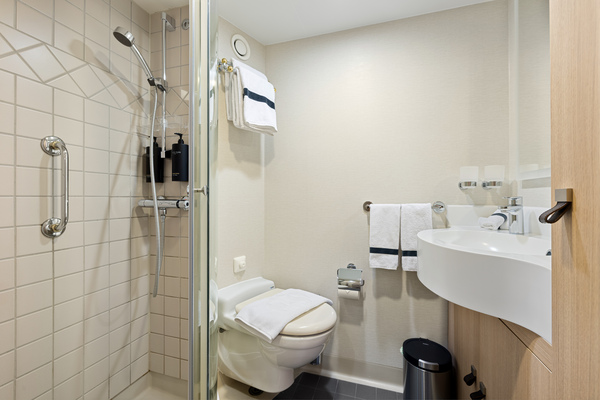
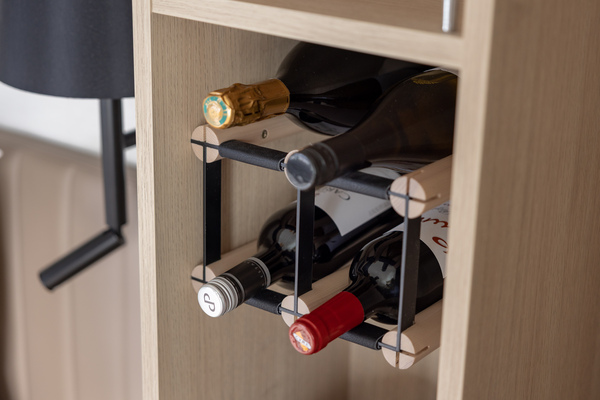
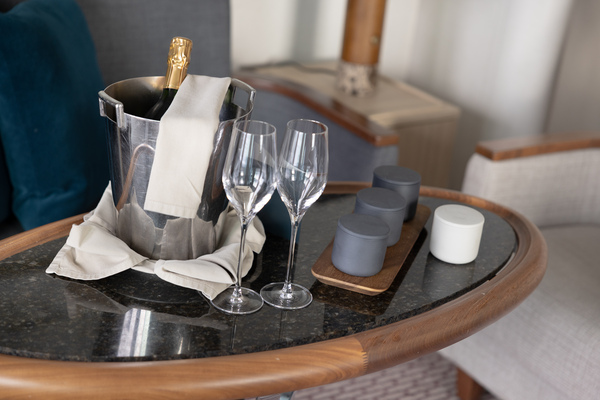
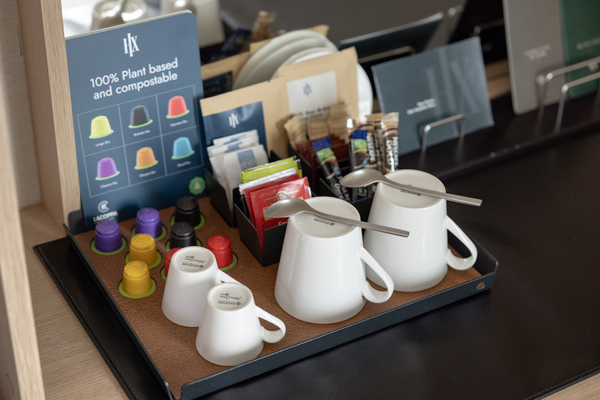
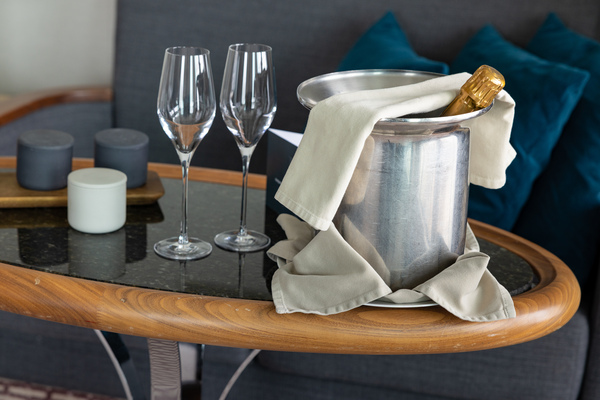
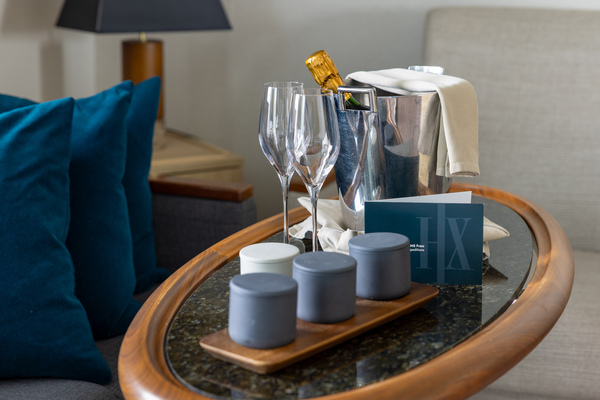
Add some indulgence to your voyage aboard MS Fram and reserve one of our Expedition Suites. Spacious, elegant suites with thoughtful features such as private balconies, floor-to-ceiling windows, and generous seating areas, some with a sofa bed. Exclusive to Suite guests, fine dining is available in the Lindstrøm restaurant for breakfast, lunch, and dinner, with the added option of in-suite takeaway. Enjoy complimentary daily laundry and evening turn-down service for added comfort and ease throughout your HX expedition. Each suite includes a flat-screen TV, minibar, personal safe, European two-pin plug sockets, tea-making facilities, and a single-serve coffee machine. Your suite welcome includes a bottle of Champagne on ice and a handpicked platter of delicacies, to mark the start of your adventure.
- Upper-deck suite
- Window
- Seating area
- Double bed
- Sofa bed
- Bathrobes and slippers are available on request
- Guests: up to 4 | Size: 161 - 215 ft2
- Cabin Code: Q4
Expedition Suite | Mini Suite
-
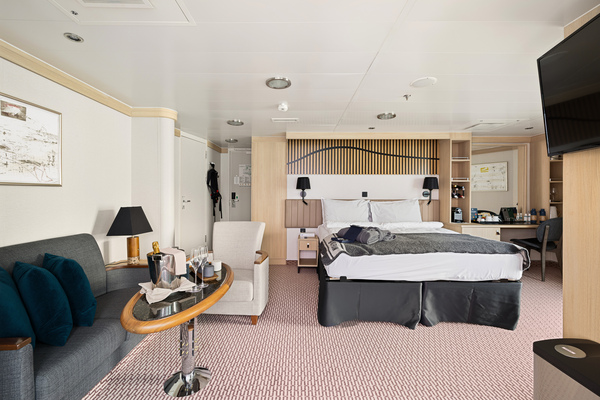
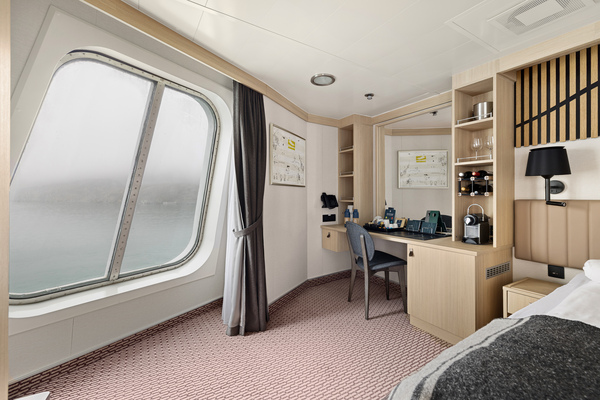
Expedition Suite | Mini Suite
Add some indulgence to your voyage aboard MS Fram and reserve one of our Expedition Suites. Spacious, elegant suites with thoughtful features such as private balconies, floor-to-ceiling windows, and generous seating areas, some with a sofa bed. Exclusive to Suite guests, fine dining is available in the Lindstrøm restaurant for breakfast, lunch, and dinner, with the added option of in-suite takeaway. Enjoy complimentary daily laundry and evening turn-down service for added comfort and ease throughout your HX expedition. Each suite includes a flat-screen TV, minibar, personal safe, European two-pin plug sockets, tea-making facilities, and a single-serve coffee machine. Your suite welcome includes a bottle of Champagne on ice and a handpicked platter of delicacies, to mark the start of your adventure.
- Upper-deck suite
- Window
- Seating area
- Double bed
- Bathrobes and slippers are available on request
- Guests: 2 | Size: 15-20 m2
- Cabin Code: Q2
Expedition Suite | Mini Suite
-
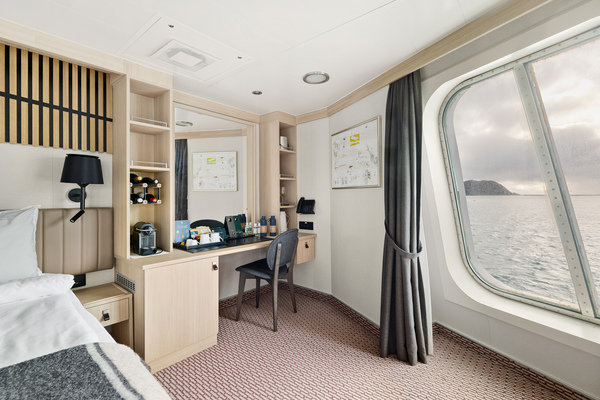
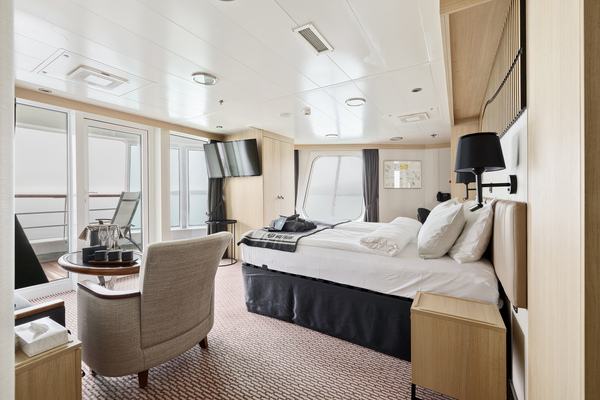
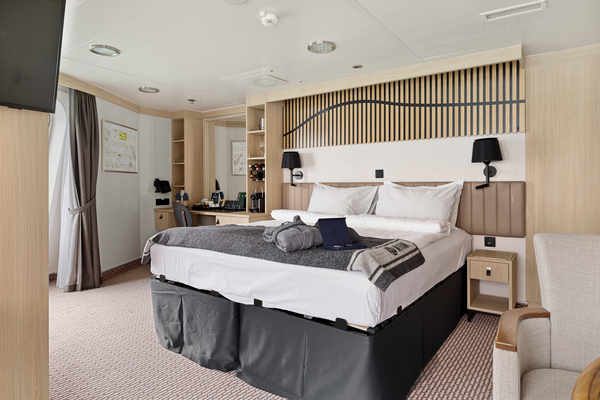
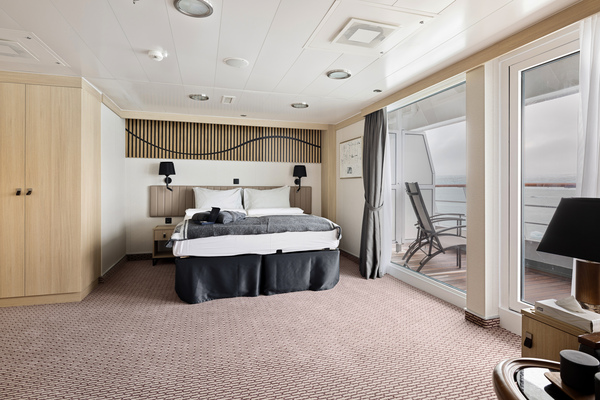
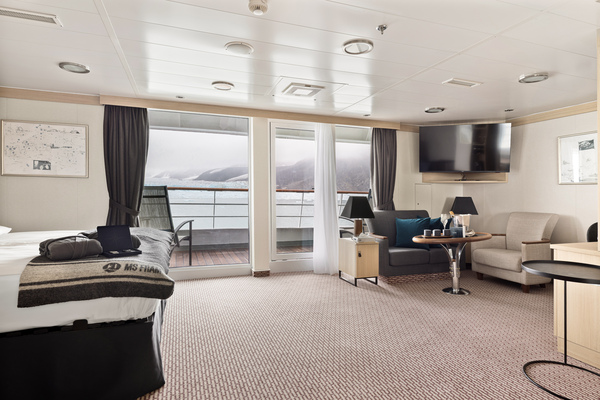
Expedition Suite | Grand Suite with balcony
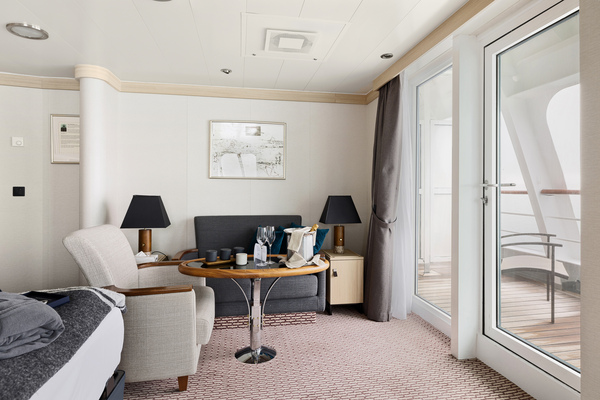
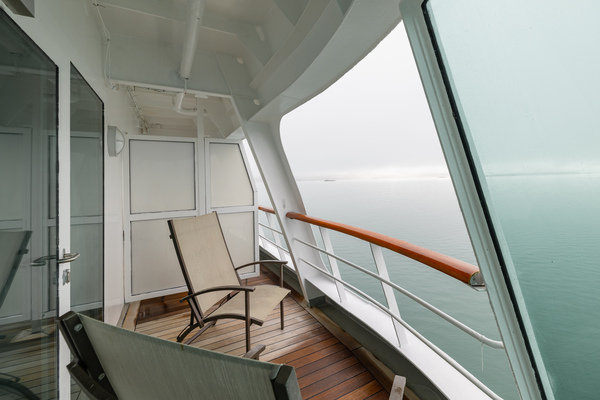
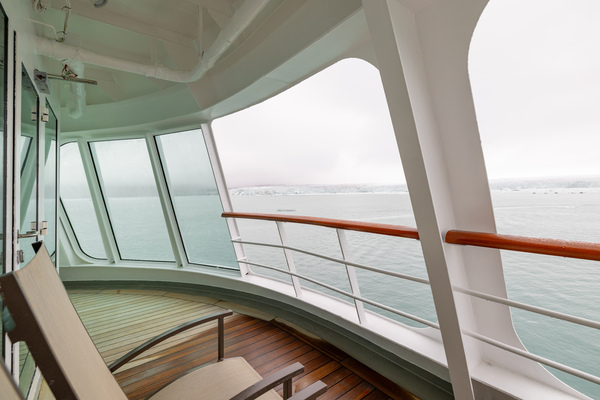
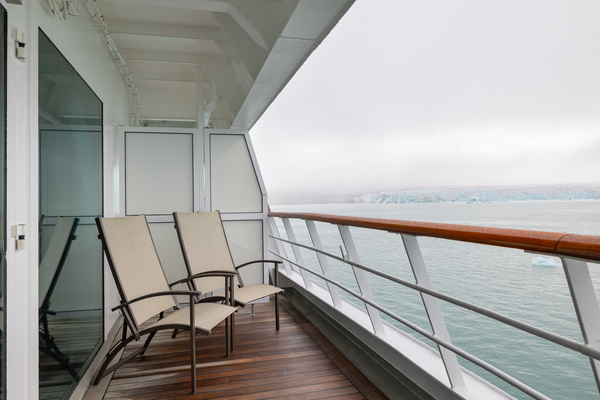
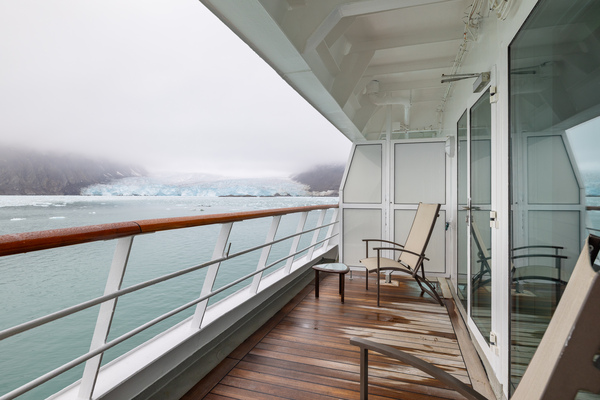
Add some indulgence to your voyage aboard MS Fram and reserve one of our Expedition Suites. Spacious, elegant suites with thoughtful features such as private balconies, floor-to-ceiling windows, and generous seating areas, some with a sofa bed. Exclusive to Suite guests, fine dining is available in the Lindstrøm restaurant for breakfast, lunch, and dinner, with the added option of in-suite takeaway. Enjoy complimentary daily laundry and evening turn-down service for added comfort and ease throughout your HX expedition. Each suite includes a flat-screen TV, minibar, personal safe, European two-pin plug sockets, tea-making facilities, and a single-serve coffee machine. Your suite welcome includes a bottle of Champagne on ice and a handpicked platter of delicacies, to mark the start of your adventure.
- Upper-deck suite
- Private Balcony
- Window
- Seating area
- Double bed
- Bathrobes and slippers on request
- Guests: 2 | Size: 20-27 m2
- Cabin Code: MG
Expedition Suite | Grand Suite with balcony
MS Fram – Polar Inside | Inside Cabin
MS Fram – Polar Outside | Wheelchair-Accessible Outside Cabin
MS Fram – Polar Outside | Outside Cabin
Polar Outside | Outside Cabin
MS Fram – Polar Outside | Outside Cabin
Polar Outside | Outside Cabin
MS Fram – Arctic Superior | Outside Cabin
Arctic Superior | Outside Cabin
MS Fram – Arctic Superior | Outside Cabin
Arctic Superior | Outside Cabin
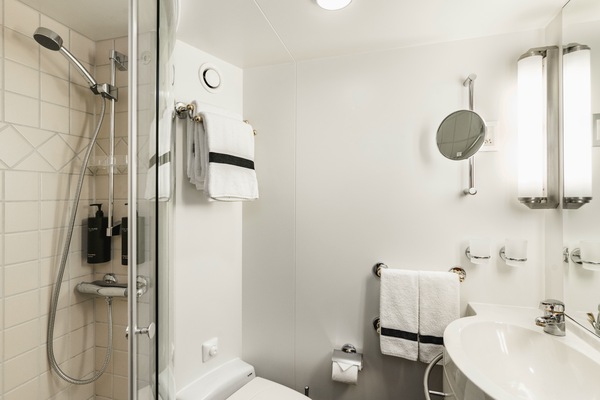
MS Fram – Arctic Superior | Outside Cabin
Arctic Superior | Outside Cabin
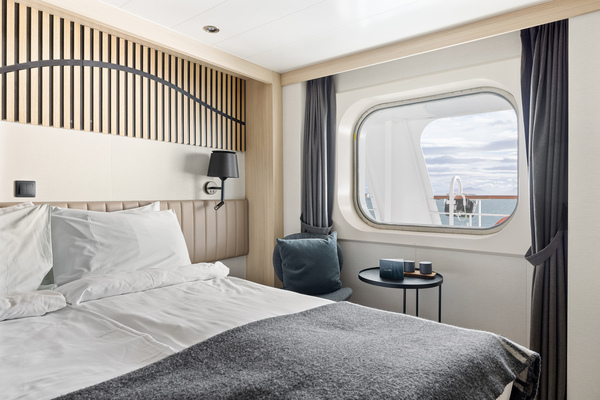
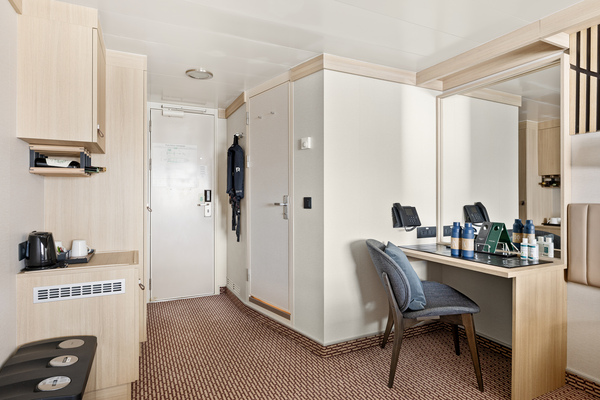
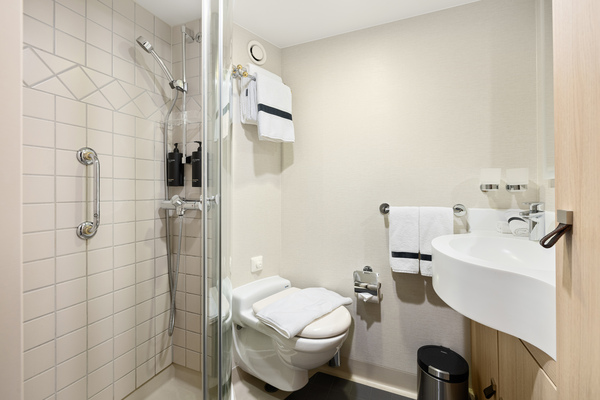
MS Fram – Expedition Suite | Mini Suite
Expedition Suite | Mini Suite
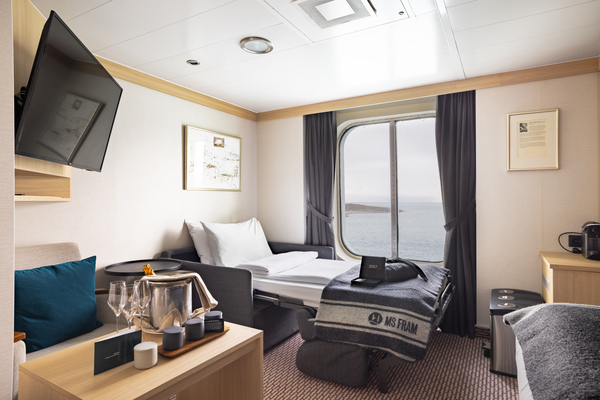
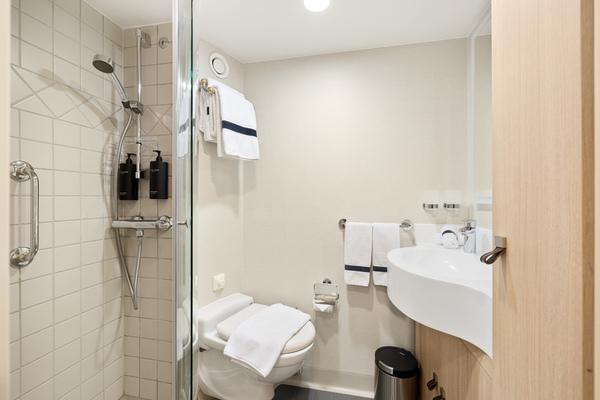
MS Fram – Expedition Suite | Mini Suite
Expedition Suite | Mini Suite
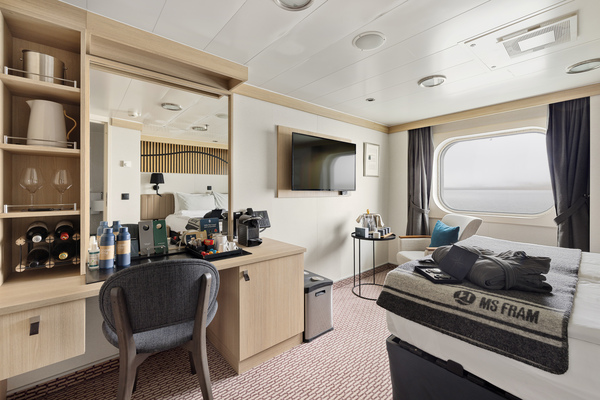
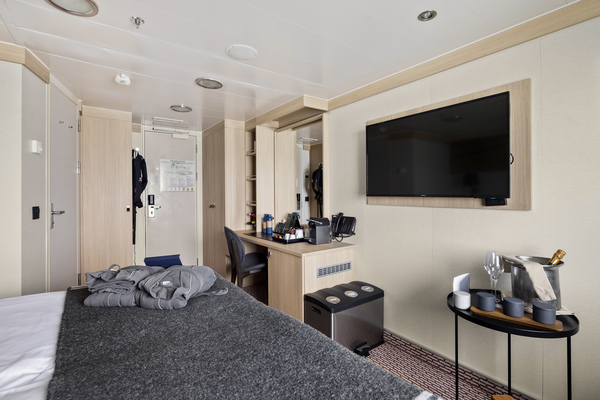
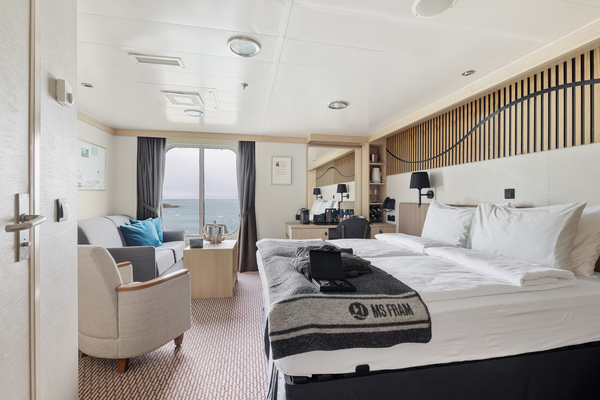
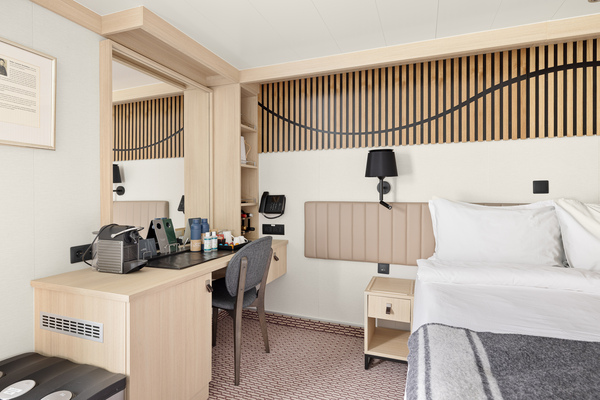
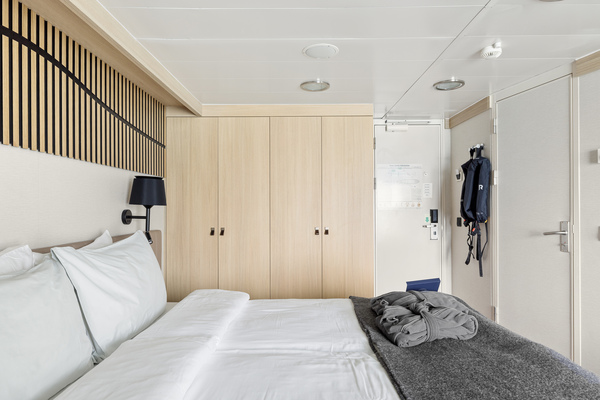
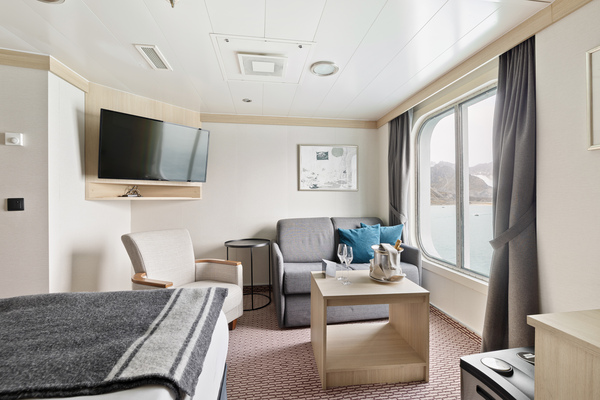
MS Fram – Expedition Suite | Grand Suite with balcony
Expedition Suite | Grand Suite with balcony

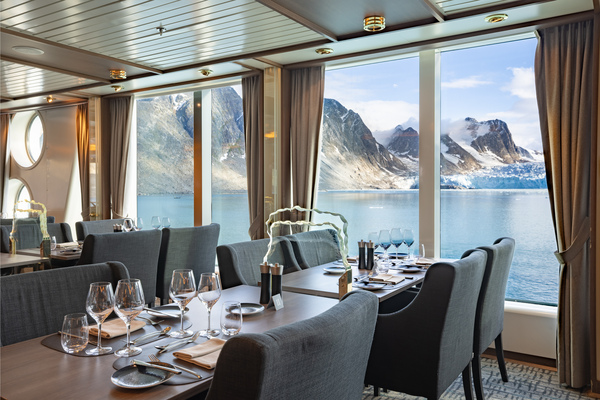
Restaurants
-
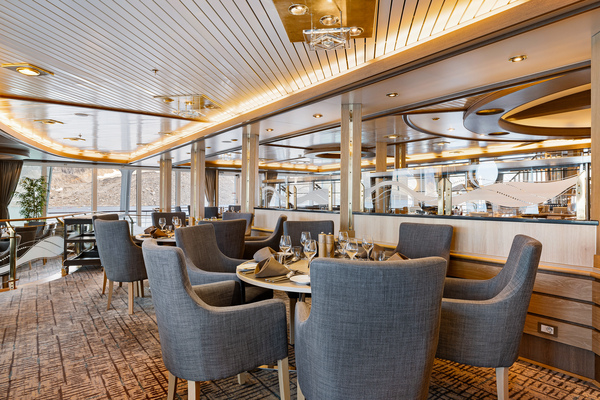
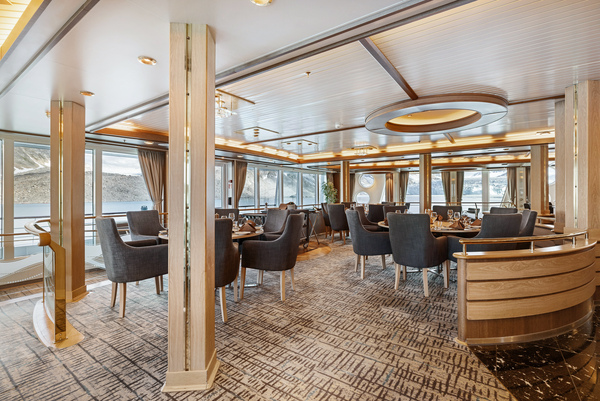
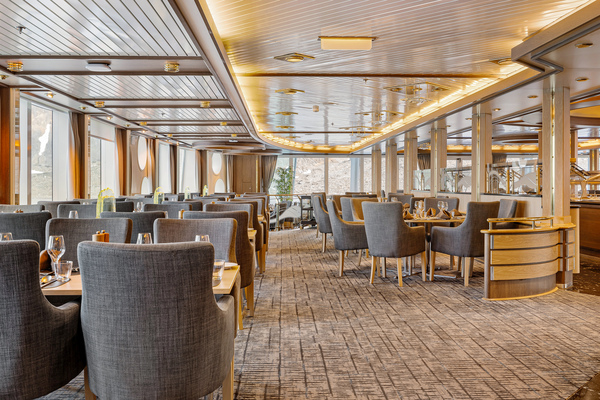
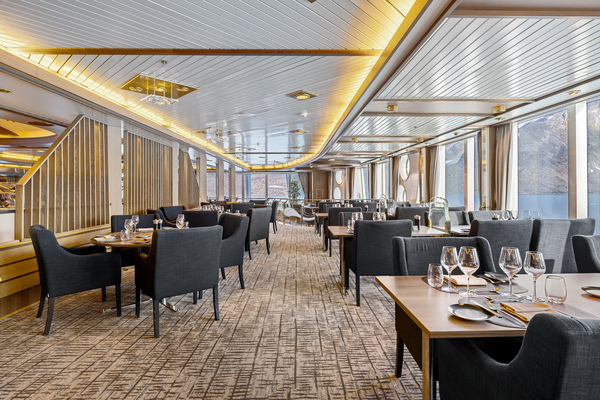
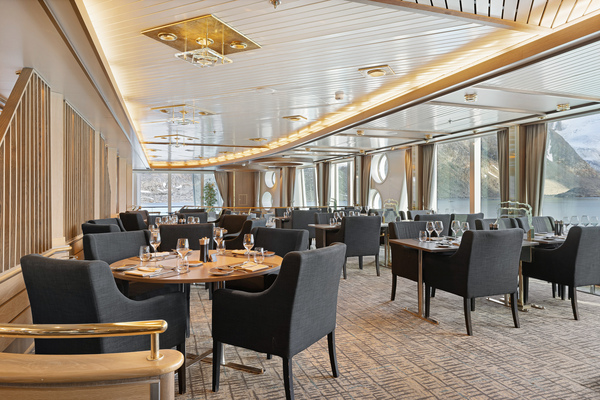
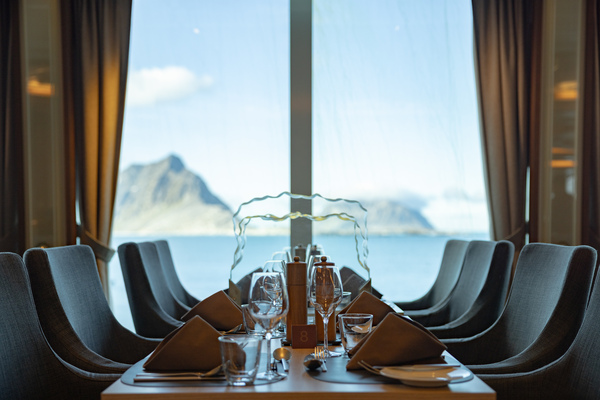
Aune
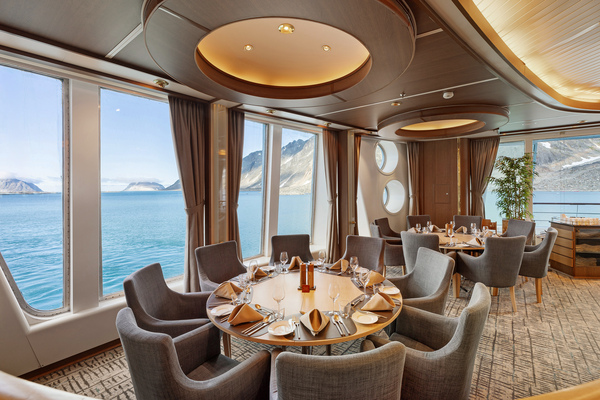
Aune Restaurant is getting an upgrade, refining its menu and creating an even better atmosphere for your meals at sea.
Social, informal and with an emphasis on the natural, Aune is MS Fram’s main dining area. Breakfast, lunch and dinner choices are influenced by the areas we explore and our own rich heritage, dating back to 1896.
-
Lindstrøm
A speciality restaurant named after Adolf Lindstrøm, the favourite chef of the Norwegian polar heroes. Fine dining in Restaurant Lindstrøm is included for suite guests. Non-suite guests can enjoy breakfast, lunch and dinner in Lindstrøm for an additional cost.
Deckplans
-
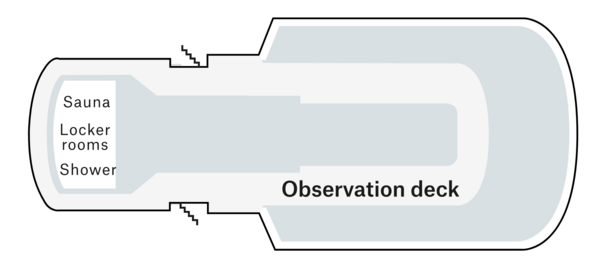
Deck 8
- Observation Deck
- Sauna
- Locker Room
- Shower
-
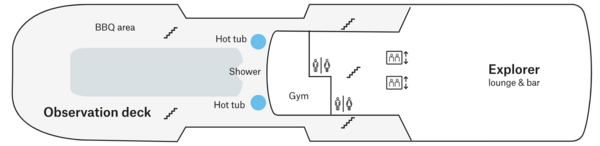
Deck 7
- Observation Deck
- BBQ Area
- Hot Tubs
- Shower
- Gym
- Explorer Lounge & Bar
-
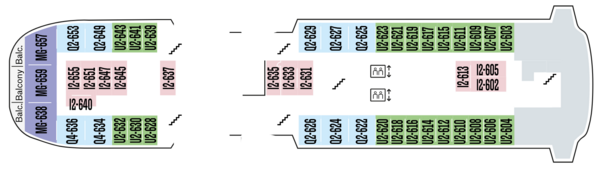
Deck 6
- Expedition Suites
- Arctic Superior Cabins
- Inside Cabins
-
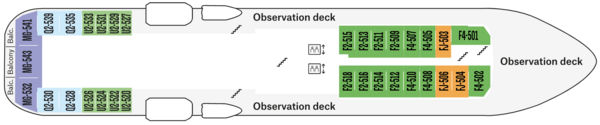
Deck 5
- Observation Deck
- Expedition Suites
- Arctic Superior Cabins
- Outside Cabins
- Inside Cabins
-
Deck 4
- Lindstrom Restaurant
- Aune Restaurant
- Balcony
- Shop
- Lobby
- Science Centre
- Reception & Expedition Desk
- Lecture Hall
-
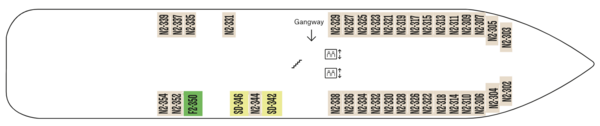
Deck 3
- Gangway
- Arctic Superior Cabins
- Outside Cabins
-
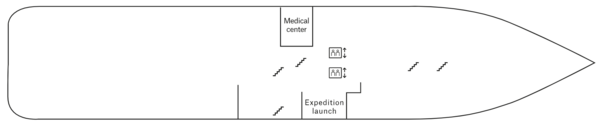
Deck 2
- Medical Centre
- Expedition Launch
Ready to Book?
For more information; please contact our Cruise specialists who will be delighted to help you plan your next holiday.
Call us on 01625 858158 Request Availability & PriceSign up to our Newsletter for exclusive offers and receive up to £250 off your next holiday.
For New Subscribers Only.