



MS Mendula
Fly Cruise From
£2,641
per person
Itinerary
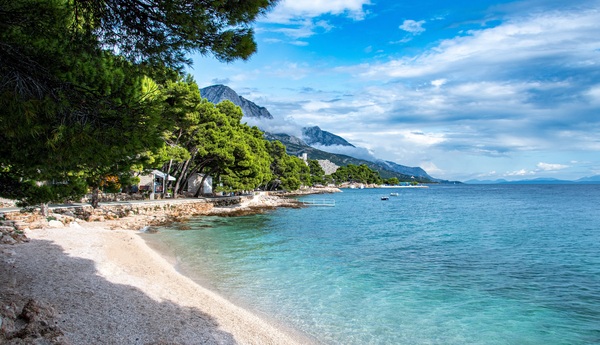
Sail between the Dalmatian coast and its islands on our epic Adriatic adventure, combining historic seaside destinations, like Roman Split and medieval Korčula, with the beauty of Croatia's Plitvice Lakes. We'll sail along the stunning Dalmatian Coast, wh
-
Day 1 Makarska, Croatia 09 May 2026 (Saturday)
-
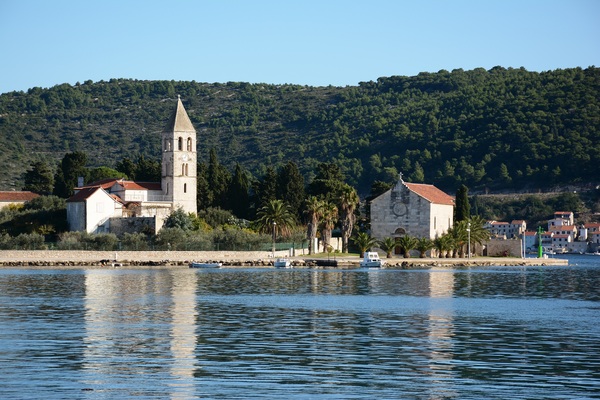
Day 2 Vis Island, Croatia 10 May 2026 (Sunday)
-
Day 3 Korčula, Croatia 11 May 2026 (Monday)
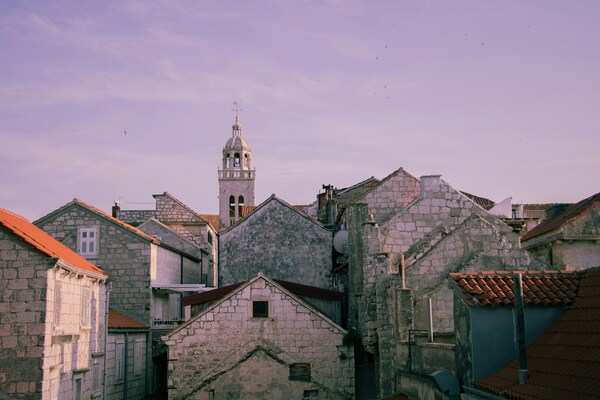
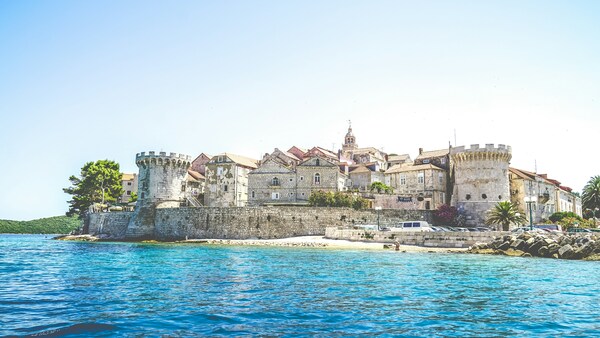
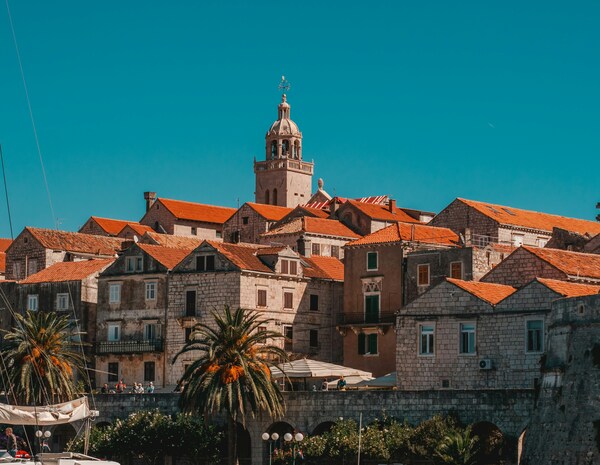 Off the coast of Croatia in the southern Adriatic Sea lie some thousand islands and the largest of them, Korçula, is considered the most beautiful. With an average of 3,000 hours of sunshine per annum, which guarantees a wide assortment of Mediterranean vegetation, it is not difficult to understand why seasoned travelers compare Korçula to a latter-day Eden. Separated from the mainland by a channel of only one mile, Korçula's main town, named the same as the island, ranks among the best preserved medieval towns in the Mediterranean. It is the island's main tourist, economic and cultural center... See more
 -
Day 4 Jelsa, Croatia 12 May 2026 (Tuesday)
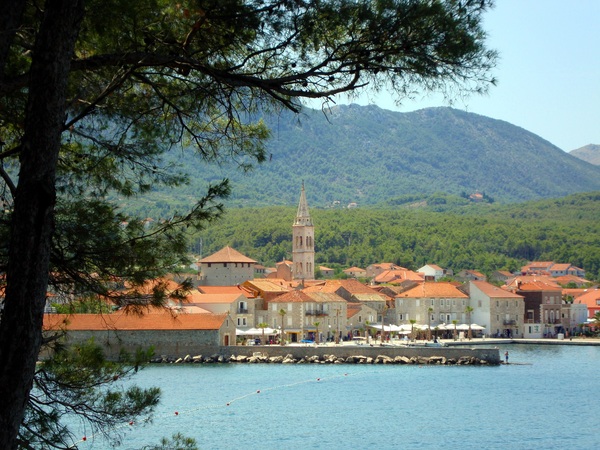
-
Day 5 Trogir, Croatia 13 May 2026 (Wednesday)
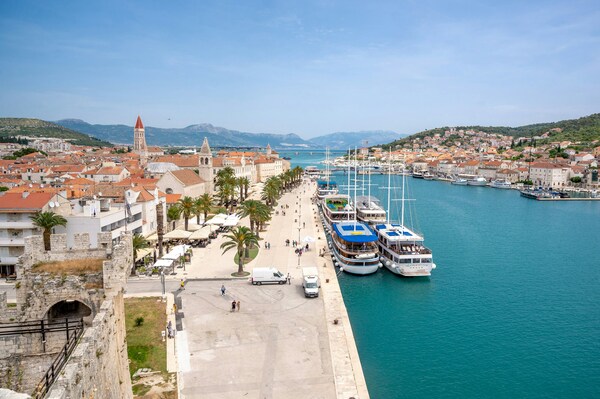
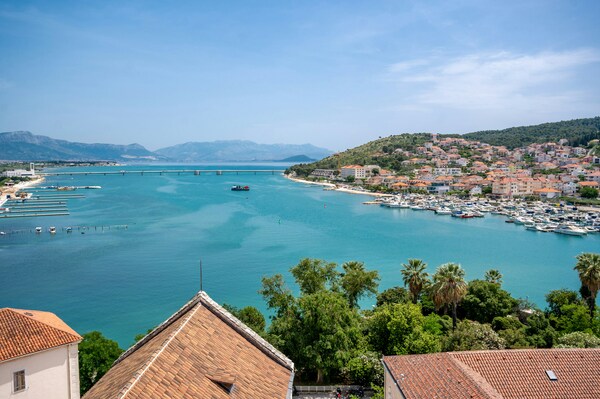
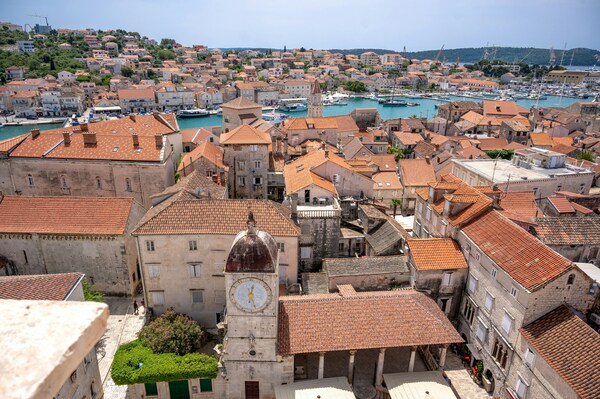
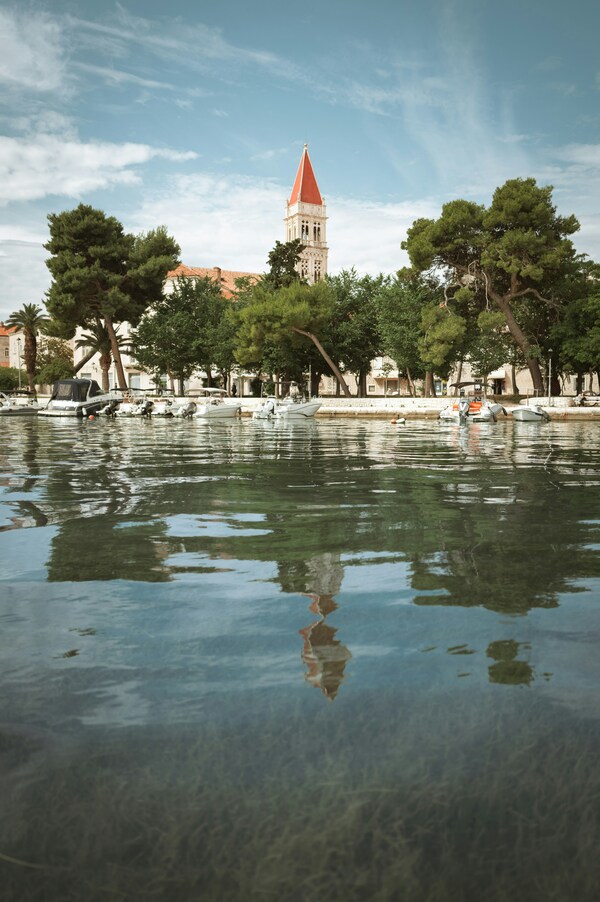
-
Day 6 Split, Croatia 14 May 2026 (Thursday)
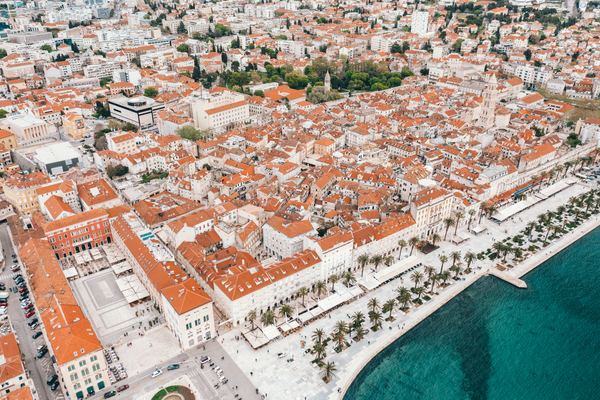
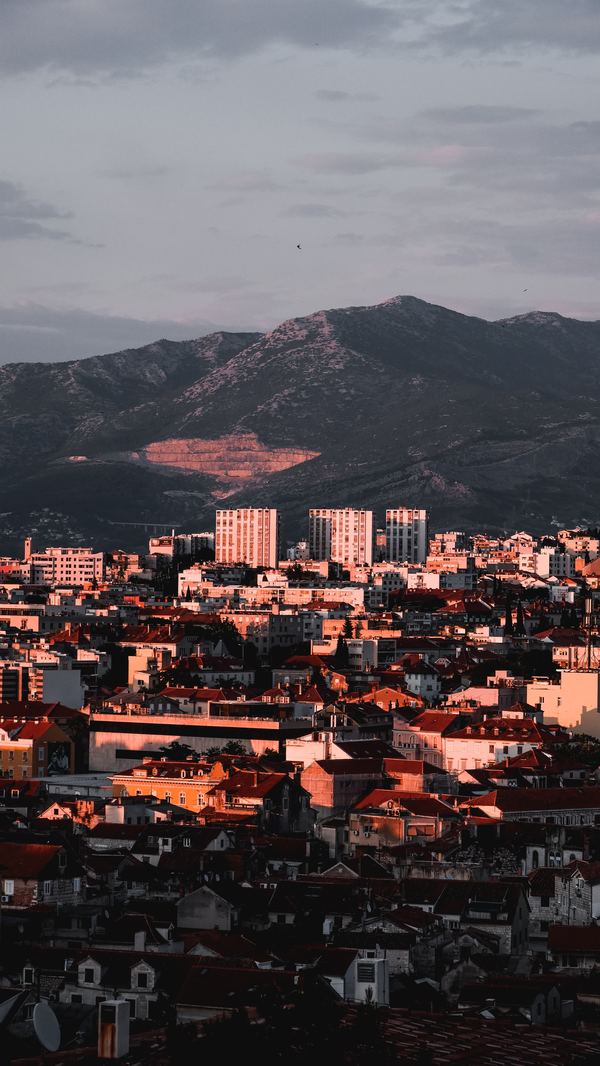
 Split's ancient core is so spectacular and unusual that a visit is more than worth your time. The heart of the city lies within the walls of Roman emperor Diocletian's retirement palace, which was built in the 3rd century AD. Diocletian, born in the nearby Roman settlement of Salona in AD 245, achieved a brilliant career as a soldier and became emperor at the age of 40. In 295 he ordered this vast palace to be built in his native Dalmatia, and when it was completed he stepped down from the throne and retired to his beloved homeland. Upon his death, he was laid to rest in an octagonal mausoleum... See more
 -
Day 7 Makarska, Croatia 15 May 2026 (Friday)
-
Day 8 Vodice, Croatia 16 May 2026 (Saturday)
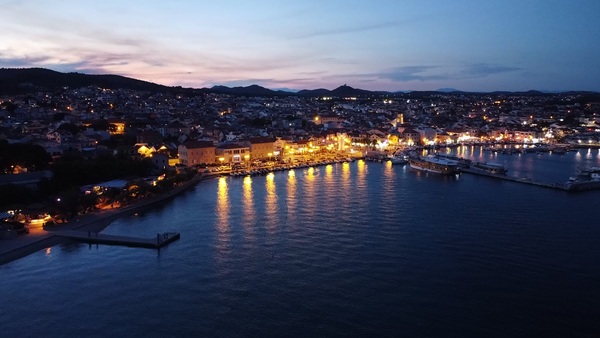
-
Day 10 Sibenik, Croatia 18 May 2026 (Monday)
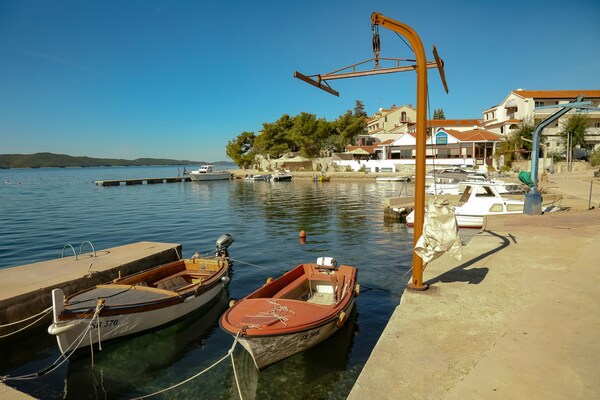 Šibenik's main monument, its Gothic-Renaissance cathedral, built of pale-gray Dalmatian stone and designated a UNESCO World Heritage Site, stands on a raised piazza close to the seafront promenade. From here a network of narrow, cobbled streets leads through the medieval quarter of tightly packed, terra-cotta–roof houses, and up to the ruins of a 16th-century hilltop fortress. The city has never been a real tourist destination. Before the Croatian war for independence, it was a relatively prosperous industrial center, but when the factories closed, Šibenik sank into an economic depression. How... See more
 -
Day 11 Sibenik, Croatia 19 May 2026 (Tuesday)
Šibenik's main monument, its Gothic-Renaissance cathedral, built of pale-gray Dalmatian stone and designated a UNESCO World Heritage Site, stands on a raised piazza close to the seafront promenade. From here a network of narrow, cobbled streets leads through the medieval quarter of tightly packed, terra-cotta–roof houses, and up to the ruins of a 16th-century hilltop fortress. The city has never been a real tourist destination. Before the Croatian war for independence, it was a relatively prosperous industrial center, but when the factories closed, Šibenik sank into an economic depression. How... See more
What's Included:
- Direct flights from a choice of UK airports with no regional supplements and transfers
- Itinerary curated by Riviera experts. Insightful excursions & visits with local guides
- Expert Riviera Cruise Director & Concierge looking after you throughout
- Evening entertainment from quizzes to performers
- Onboard spa & wellness facilities
- Delicious full board dining, plus Chef's Dinner
- Free Wi-Fi
- 20kg+ luggage allowance
Suites
-
Category B Cabins
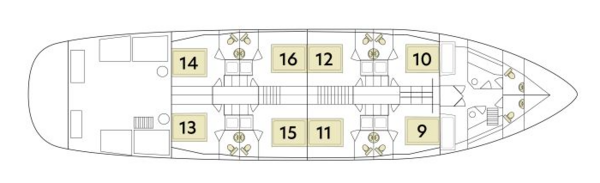
Cabins 9, 10, 13 and 14: These cabins measure approximately 13.5 square metres (145 square feet) and are located on the lower deck with fixed double bed and two porthole fixed windows.
Cabins 11, 12, 15 and 16: These cabins measure approximately 14 square metres (151 square feet) and are located on the lower deck with fixed double bed, a single bed and two porthole fixed windows. Four of the cabins also have an additional bed.Features
- Individual climate control
- Two porthole windows
- Fixed double bed
- Ensuite bathroom with walk-in shower
- Shampoo, conditioner, shower gel, body lotion, soap
- Towels, beach towels and hairdryer
- EU plug sockets
- Safe
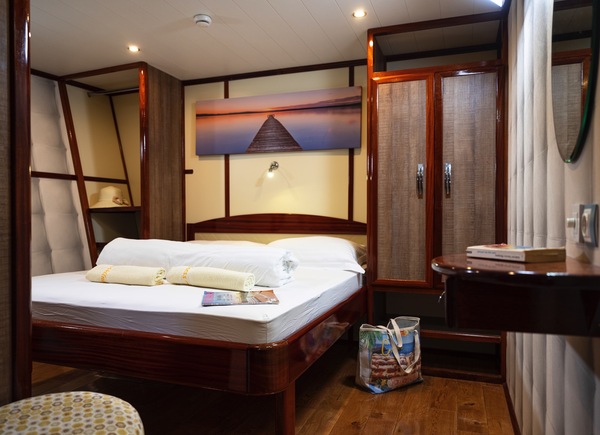 Category B Cabins
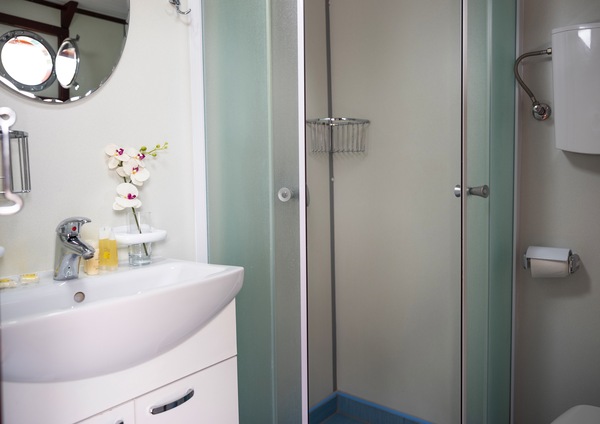 Category B Cabins
-
Category A Cabins
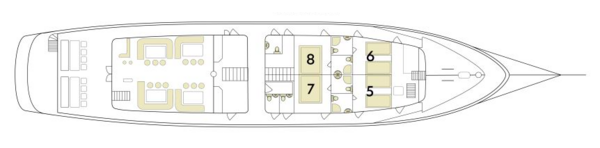
Cabins 5 - 8: These cabins measure approximately 10 square metres (108 square feet) and are located on the main deck with fixed twin beds (cabins 5 & 6) or fixed double bed (cabins 7 & 8) and one opening window plus one porthole window in the bathroom.
Features
- Individual climate control
- One porthole window plus one opening window
- Fixed twin beds or double bed
- Ensuite bathroom with walk-in shower
- Shampoo, conditioner, shower gel, body lotion, soap
- Towels, beach towels and hairdryer
- EU plug sockets
- Safe
Image Copyrights: Travel Europe
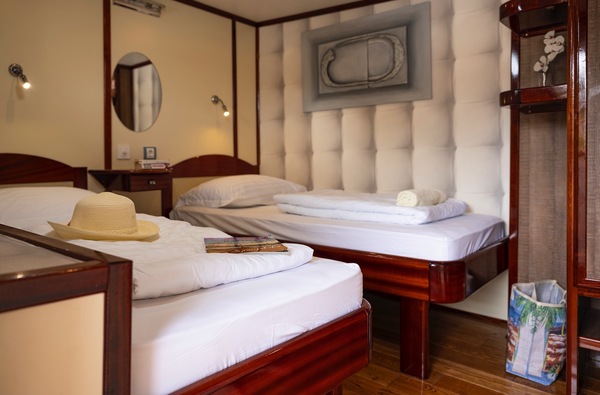 Category A Cabins
Category A Cabins
Category A Cabins
-
Category A+ Cabins
Cabins 1 - 3: These cabins measure approximately 11 square metres (118 square feet) and are located on the upper deck with fixed twin beds and one opening window plus one porthole window in the bathroom.
Features
- Individual climate control
- One porthole window plus one opening window
- Fixed twin beds
- Ensuite bathroom with walk-in shower
- Shampoo, conditioner, shower gel, body lotion, soap
- Towels, beach towels and hairdryer
- EU plug sockets
- Safe
Image Copyrights: Travel Europe
Category A+ Cabins
Category A+ Cabins
Restaurants
-
Restaurant
Located on the Main Deck
Images Copyright: Travel Europe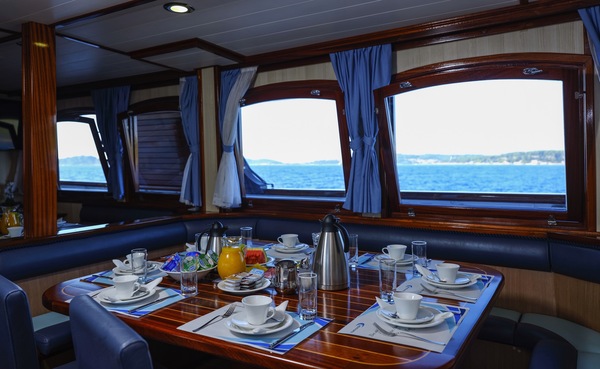
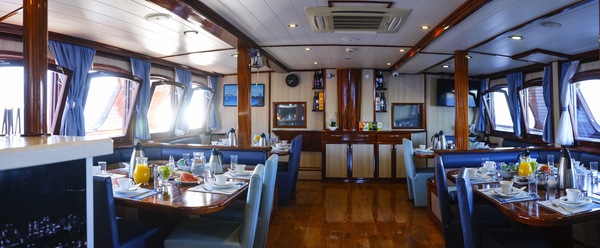
Deckplans
-
Upper Deck
- Sun Deck
- Sun Loungers
- Tables & Chairs
- Category A+ Cabins
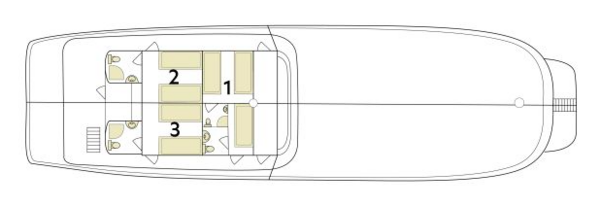
-
Main Deck
- Category A Cabins
- Dining Room
- Bar
-
Lower Deck
- Category B Cabins
Ready to Book?
For more information; please contact our Cruise specialists who will be delighted to help you plan your next holiday.
Call us on 01625 858158 Request Availability & PriceSign up to our Newsletter for exclusive offers and receive up to £250 off your next holiday.
For New Subscribers Only.
